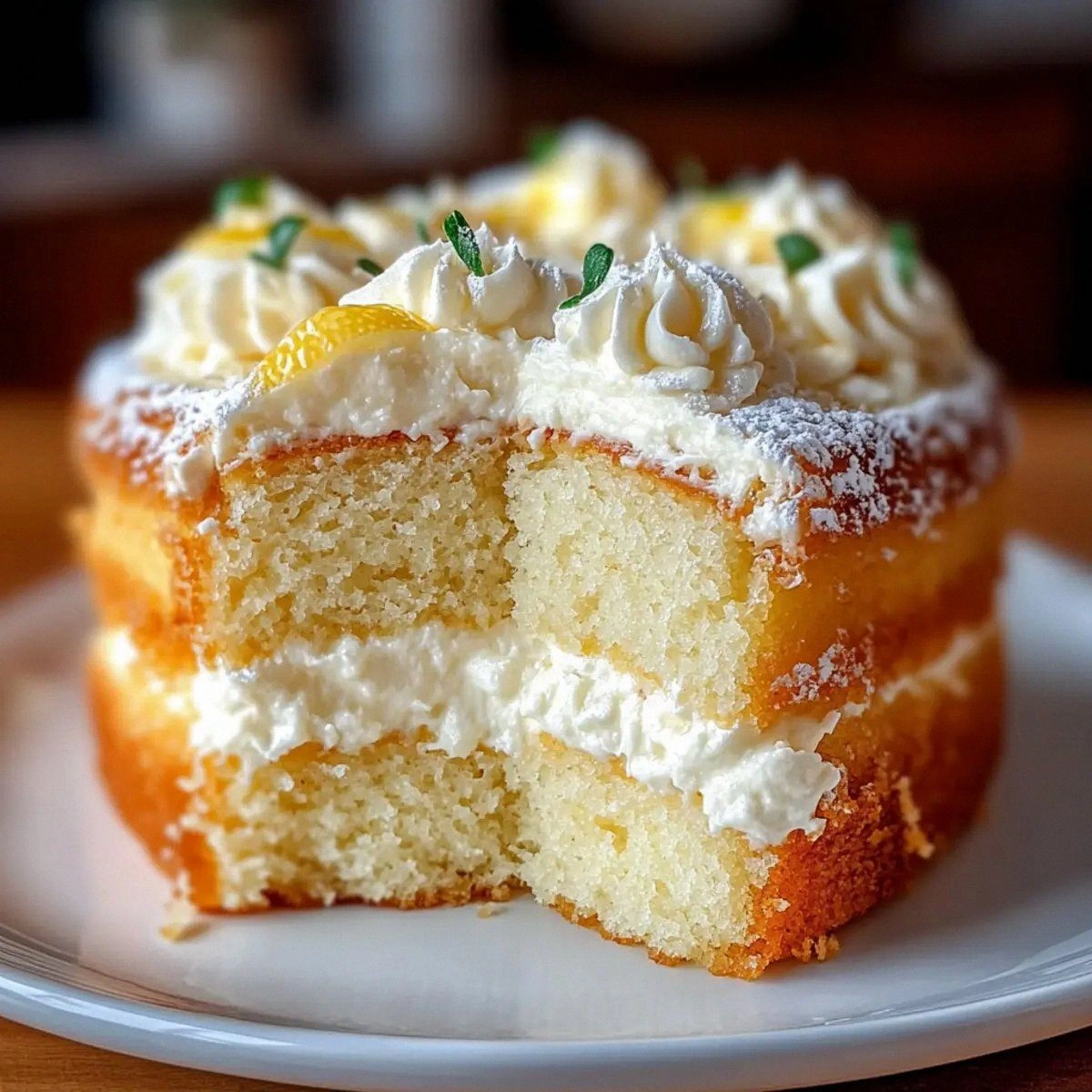
I’ll be honest — I ate half the batch before anyone else got to try it. It all started on a rainy Saturday when I was trying to salvage a failed lemon meringue pie that had collapsed like a sad house of cards. The kitchen was a mess of lemon zest, powdered sugar, and a lingering scent of burnt butter that made me swear off baking for a week. Then, in a moment of desperation, I grabbed the last cup of butter, a handful of fresh lemons, and a block of cream cheese, and whispered to the universe, “Give me something that feels like a cloud, but tastes like sunshine.” The result? A cake so light it practically floats, and a flavor punch that could wake the dead.
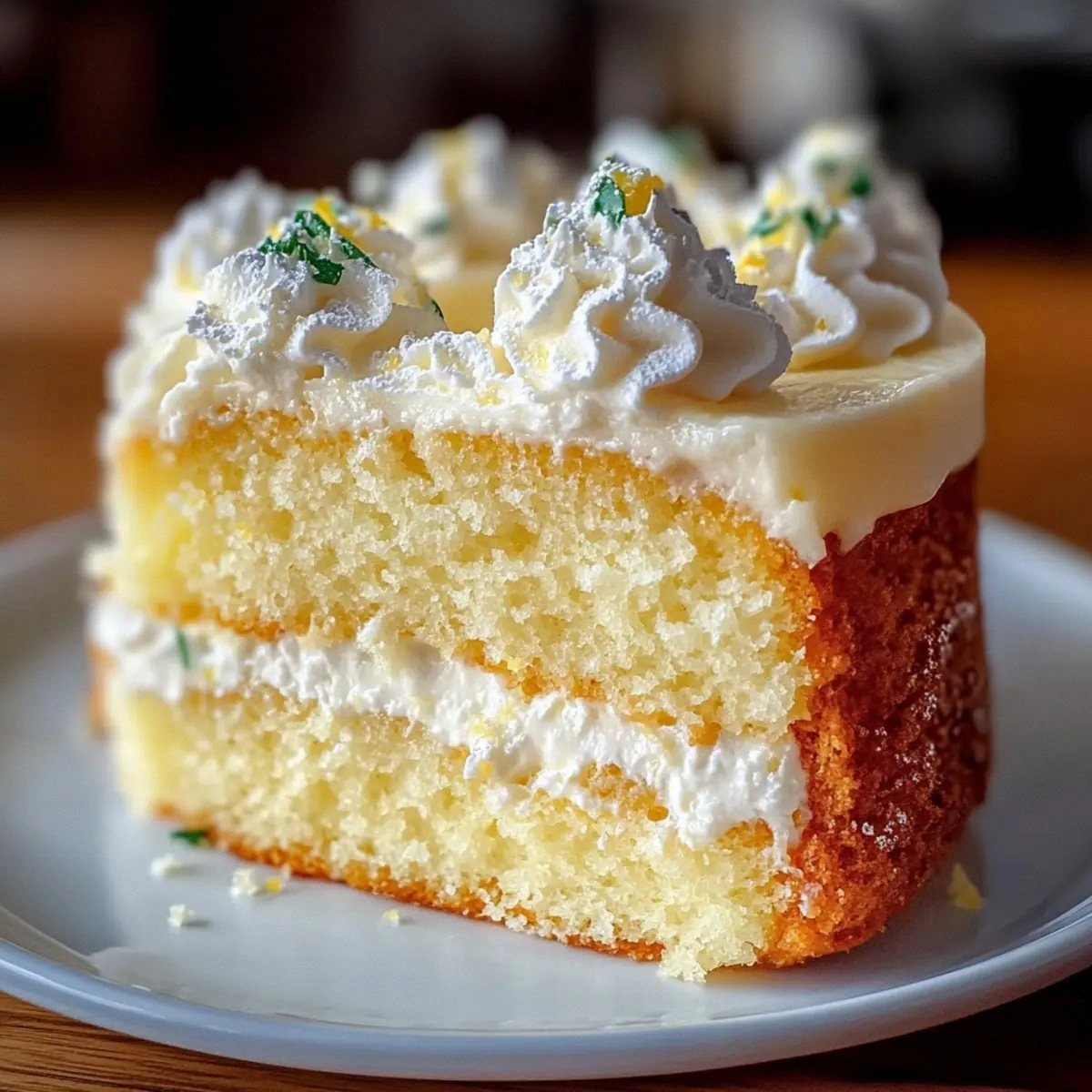
Picture this: a golden dome rising from the oven, its surface speckled with tiny bubbles that catch the light like morning dew on a spring meadow. The aroma hits you first—a bright, citrusy perfume that dances with the buttery richness, making your nostrils do a little happy jig. When you slice into it, the crumb is feather‑soft, airy, and just a tad moist, like a marshmallow that’s been kissed by a lemon‑scented breeze. The frosting, a silky cream‑cheese glaze, spreads like a gentle sunrise, adding a tangy contrast that makes the whole thing sing. And that final dusting of powdered sugar? It’s the snow on the mountain top, promising a sweet finish without overwhelming the palate.
Most recipes get this completely wrong. They either over‑mix, turning the batter into a dense brick, or they under‑fluff the frosting, leaving you with a gritty, clumpy mess. This version, however, uses a precise balance of leavening, temperature control, and a secret technique that I’ll reveal later—a method that turns ordinary ingredients into a culinary cloud. The result is a cake that’s not just good; it’s the best version you’ll ever make at home, and I dare you to taste this and not go back for seconds.
Okay, ready for the game‑changer? I’m about to walk you through every single step — from choosing the perfect lemons to the final flourish of whipped cream. By the end, you’ll wonder how you ever settled for anything less than this fluffy lemon masterpiece. Let’s dive in, because this next part? Pure magic.
What Makes This Version Stand Out
- Cloud‑Like Texture: The batter is folded, not beaten, preserving air bubbles that expand into a light, airy crumb that feels like biting into a sweet breeze.
- Zesty Brightness: Fresh lemon zest and juice are used in both the cake and the frosting, delivering a punchy citrus flavor that never turns bitter.
- Silky Frosting: Cream cheese and powdered sugar create a velvety glaze that hugs the cake without weighing it down, adding just the right amount of tang.
- Simple Ingredients: No exotic powders or hard‑to‑find items—just pantry staples and a few fresh lemons, making it accessible for any home cook.
- One‑Pan Wonder: The entire cake bakes in a single 9‑inch springform pan, cutting down on cleanup and keeping the shape perfectly round.
- Make‑Ahead Friendly: You can bake it a day ahead, store it in the fridge, and the flavors will meld even more, turning it into a party‑ready dessert.
- Visual Wow Factor: The lemon‑golden top with a dusting of powdered sugar looks like a spring sunrise—perfect for Instagram and real‑life wow moments.
- Versatile Serving: Serve it plain, with a dollop of whipped cream, or pair it with fresh berries for a sophisticated finish.
Inside the Ingredient List
The Flavor Base
Unsalted butter is the foundation of both the cake and the frosting. It provides a rich, creamy mouthfeel and helps create that tender crumb we all crave. If you swap butter for margarine, you’ll lose that buttery aroma and the cake may turn greasy. Choose a high‑quality European butter with at least 82% fat for the best flavor and structure. The granulated sugar not only sweetens but also contributes to the tender texture by creaming with the butter, trapping air bubbles that later expand in the oven.
The Texture Crew
Eggs are the unsung heroes that bind the batter while adding lift. Using large eggs at room temperature ensures they incorporate fully without curdling. The all‑purpose flour gives the cake its structure, while the baking powder provides the lift that turns the batter into a cloud. Too much flour will make the cake dense; too little and it will collapse. Salt isn’t just a flavor enhancer—it also strengthens the gluten network, balancing the sweetness.
The Unexpected Star
Lemon zest and fresh lemon juice are the bright notes that set this cake apart from ordinary vanilla sponges. The zest contains essential oils that give an aromatic burst, while the juice adds a tangy moisture that keeps the crumb from drying out. If you’re out of fresh lemons, a high‑quality bottled lemon juice can work, but the zest is irreplaceable for that authentic zing. Cream cheese in the frosting adds a subtle tang and a luxurious silkiness that plain buttercream could never achieve.
The Final Flourish
Milk adds moisture and helps dissolve the sugar, creating a smoother batter. The powdered sugar in the frosting is sifted to avoid lumps, ensuring a glossy finish. Optional whipped cream adds an airy, light topping that can be lightly sweetened with a hint of vanilla. A final dusting of powdered sugar not only looks elegant but also adds a delicate sweet crunch that contrasts the soft crumb.
Everything's prepped? Good. Let’s get into the real action…
The Method — Step by Step
Preheat your oven to 350°F (175°C) and grease a 9‑inch springform pan with butter, then line the bottom with parchment paper. The heat will be steady, ensuring the cake rises evenly without a burnt crust. I always let the oven fully preheat; a lukewarm oven is the silent killer of fluffy cakes.
In a large mixing bowl, cream together 1 cup unsalted butter and 1 cup granulated sugar until the mixture is pale, fluffy, and smells like sweet sunshine. This should take about 3‑4 minutes on medium speed. Power transition: Okay, ready for the game‑changer? Add the eggs one at a time, beating well after each addition to keep the emulsion stable.
Kitchen Hack: Crack eggs into a separate bowl first; this prevents shell fragments from ruining your batter.Stir in 2 tablespoons of freshly grated lemon zest and 1 teaspoon vanilla extract. The zest should be fine, not chunky, so it distributes evenly. The vanilla rounds out the lemon’s sharp edges, creating a balanced flavor profile.
In another bowl, whisk together 2 cups all‑purpose flour, 2 teaspoons baking powder, and 1 teaspoon salt. This dry mix ensures the leavening is evenly distributed, preventing pockets of flatness.
Gradually add the dry ingredients to the butter‑egg mixture, alternating with 1 cup milk, beginning and ending with the flour mixture. Mix on low speed just until combined; over‑mixing will develop gluten and make the cake tough. Watch Out: If the batter looks too thick, add a splash of milk—don’t over‑liquefy it.
Watch Out: The batter should be smooth and glossy; any lumps indicate under‑mixing of the flour.Fold in 1/4 cup fresh lemon juice gently, using a spatula and a lifting motion. This is where the magic happens—the acidity reacts with the baking powder, giving the cake an extra lift in the oven. Power transition: And now the fun part—pour the batter into the prepared pan, smoothing the top with an offset spatula.
Kitchen Hack: Tap the pan gently on the counter three times to release any trapped air bubbles.Slide the pan into the oven and bake for 30‑35 minutes, or until a toothpick inserted into the center comes out clean and the edges start pulling away from the pan. The top should be a light golden hue, and you’ll hear a faint “pop” as the cake releases from the heat. Resist the urge to open the oven door early; the sudden temperature drop can cause the cake to sink.
While the cake cools, whisk together 8 ounces softened cream cheese, 1 cup powdered sugar, and a squeeze of lemon zest until smooth. If the frosting seems too thick, add a teaspoon of milk; if it’s too runny, add a little more powdered sugar. This frosting should be glossy enough to drizzle but thick enough to hold its shape.
When the cake is completely cool, release it from the springform and spread the cream‑cheese glaze over the top, letting it drip down the sides like a gentle waterfall. Finish with an optional dusting of powdered sugar and a dollop of whipped cream if you’re feeling extra indulgent. Picture yourself pulling this out of the oven, the whole kitchen smelling incredible… you’ve just created a lemon cloud.
That's it — you did it. But hold on, I've got a few more tricks that'll take this to another level…
Insider Tricks for Flawless Results
The Temperature Rule Nobody Follows
Always bring your butter, eggs, and milk to room temperature before mixing. Cold ingredients cause the batter to seize, resulting in a dense crumb. I once tried to speed things up by using straight‑out‑of‑the‑fridge butter, and the cake turned out rubbery—lesson learned. Letting everything sit for 30 minutes while the oven preheats is a small price to pay for a cloud‑like texture.
Why Your Nose Knows Best
The moment the cake’s edges start to turn a deep golden brown and you catch a faint nutty aroma, you know it’s ready. Trust your senses more than the timer; ovens vary by up to 25 degrees. If the top looks too pale but the interior is baked, switch the oven to broil for 30 seconds to achieve that perfect caramelized finish.
The 5‑Minute Rest That Changes Everything
Once out of the oven, let the cake sit in the pan for five minutes before releasing it. This short rest lets the steam redistribute, preventing the crumb from collapsing. A friend once tried to flip the cake immediately and ended up with a broken top—let’s just say it didn’t end well.
Frosting Consistency Cheat
If you want a glaze that pools beautifully, beat the cream cheese and powdered sugar at low speed for 2 minutes, then increase to medium for another minute. The low‑speed start prevents the sugar from flying out of the bowl, while the medium speed creates that glossy sheen. Power transition: Okay, ready for the game‑changer? Add a teaspoon of lemon zest to the frosting for an extra zing that cuts through the sweetness.
Serving Temperature Secret
Serve the cake at room temperature, not straight from the fridge. Cold frosting can feel waxy, while a slightly warmed slice releases the lemon aroma more fully. Pull the cake out of the fridge about 20 minutes before serving, and you’ll notice the difference instantly.
Creative Twists and Variations
This recipe is a playground. Here are some of my favorite ways to switch things up:
Berry‑Burst Lemon
Fold a cup of fresh blueberries or raspberries into the batter just before pouring it into the pan. The berries burst during baking, adding juicy pockets that complement the lemon tang. Perfect for a brunch spread.
Lavender Lemon Dream
Add one teaspoon of culinary lavender buds to the dry ingredients. The floral notes create a sophisticated flavor pairing with the citrus, turning the cake into an elegant tea‑time treat.
Chocolate Swirl Surprise
Melt 2 ounces of dark chocolate and swirl it through the batter with a skewer before baking. The chocolate ribbons create a visual contrast and a rich flavor counterpoint that’s irresistible.
Coconut Lemon Cloud
Replace half of the all‑purpose flour with coconut flour and sprinkle toasted coconut flakes on top before baking. The coconut adds a subtle tropical aroma, making the cake feel like a vacation.
Spiced Autumn Lemon
Swap the vanilla extract for ½ teaspoon ground cardamom and add a pinch of cinnamon to the dry mix. The warm spices blend beautifully with the lemon, creating a cozy version that’s perfect for cooler evenings.
Storing and Bringing It Back to Life
Fridge Storage
Cover the cake loosely with plastic wrap and store it in the refrigerator for up to 4 days. The cream‑cheese frosting stays fresh, and the cake actually becomes more moist as the flavors meld.
Freezer Friendly
Wrap the entire cake (or individual slices) tightly in foil, then place in a freezer‑safe bag. It will keep for up to 2 months. When you’re ready to enjoy, let it thaw in the fridge overnight and then bring it to room temperature before serving.
Best Reheating Method
To revive a refrigerated slice, preheat your oven to 300°F (150°C), place the slice on a baking sheet, and add a tiny splash of water (about a teaspoon) around the edges. Cover loosely with foil and heat for 8‑10 minutes. The steam created by the water restores the cake’s fluffiness, making it taste as if it’s fresh out of the oven.