Picture this: you’re halfway through a frantic work‑week, the clock is ticking, and that gnawing craving for something bright, buttery, and just a little bit fancy creeps up on you like a mischievous kitchen sprite. I was in that exact spot last Tuesday, juggling a spreadsheet and a half‑empty pantry, when I realized I had a bag of frozen shrimp, a lone bunch of dill, and a stubborn desire for pasta that didn’t taste like every other bland noodle dish on the internet. I tossed the shrimp into a bowl of lukewarm water, gave the dill a quick rinse, and whispered a dare to myself: “I bet you can turn these pantry basics into a restaurant‑worthy plate in under an hour.” Spoiler alert: I totally won that dare, and the result was a dish so zesty it practically sang a summer anthem.
The moment the lemon juice hit the pan, a fragrant citrus burst erupted, filling the kitchen with a scent so vivid you could almost see the sunshine dancing on the countertops. The shrimp sizzled, turning a gorgeous pink that reminded me of sunrise over a calm sea, while the angel hair pasta swirled around the pot like a silk ribbon waiting for its perfect partner. I could hear the faint crackle of the olive oil as it embraced the shrimp, and the fresh dill released an herbaceous perfume that reminded me of a garden walk after a rainstorm. My fingertips tingled from the heat, and the whole scene felt like a culinary concert where every sense had a front‑row seat.
What makes this version stand out? It’s not just the ingredients; it’s the choreography. Most recipes either drown the shrimp in a heavy cream sauce or slap a generic garlic butter on top and call it a day. I, on the other hand, let the lemon’s acidity cut through the richness, let the dill provide a bright, almost pine‑like lift, and let the pasta soak up every single drop of that buttery‑lemony glaze. The result is a plate that feels both light and indulgent, a paradox that only the best dishes achieve. And here’s the kicker: the secret weapon is a quick butter‑flour slurry that thickens the sauce without any heavy cream, keeping it silky yet low‑fat.
But wait, there’s more. I’m about to reveal a technique that most home cooks skip entirely—a brief deglazing step that captures the caramelized bits stuck to the pan, turning them into pure flavor gold. This is the part that separates a “good” shrimp pasta from a “wow‑factor” masterpiece that will have your friends begging for the recipe. I dare you to taste this and not go back for seconds. Ready? Let me walk you through every single step — by the end, you’ll wonder how you ever made it any other way.
What Makes This Version Stand Out
- Flavor Explosion: The lemon‑dill combo creates a bright, aromatic punch that lifts the shrimp and pasta to new heights, making each bite feel like a burst of sunshine on a plate.
- Texture Harmony: Angel hair pasta offers a delicate, silky mouthfeel while the shrimp retain a slight snap, and the sauce clings like velvet without turning gummy.
- Simplicity Meets Sophistication: Only six core ingredients, yet the technique feels restaurant‑grade, proving that elegance doesn’t require a grocery list the length of a novel.
- Unique Sauce Base: A butter‑flour slurry replaces heavy cream, delivering a luxuriously smooth coating that’s surprisingly light on the palate.
- Crowd‑Pleaser Factor: Even the most skeptical eaters admit this dish is “the best shrimp pasta they’ve ever had,” and the lemon zing keeps it fresh even after a second serving.
- Ingredient Quality: Fresh shrimp and dill are non‑negotiable; they bring a buttery sweetness and herbaceous sparkle that frozen or dried substitutes simply can’t match.
- One‑Pan Efficiency: Most of the magic happens in a single skillet, meaning fewer dishes, less cleanup, and more time to admire your creation.
- Make‑Ahead Potential: The sauce can be pre‑made and stored, allowing you to toss together a quick dinner on a busy weeknight without sacrificing flavor.
Inside the Ingredient List
The Flavor Base
Olive Oil: This is the silent hero that carries the heat and imparts a subtle fruitiness to the shrimp. A splash of high‑quality extra‑virgin olive oil ensures the shrimp sear without sticking, while also adding depth to the sauce. If you skip it, you’ll end up with a dry pan and a bland foundation. For a lighter twist, swap with avocado oil, which has a higher smoke point and a neutral flavor.
The Texture Crew
Angel Hair Pasta: Its fine strands cook in just 2‑3 minutes, absorbing the lemon‑dill sauce like a sponge. The delicate texture means the sauce never overwhelms the noodles, allowing each bite to feel airy yet satisfying. Overcooking will turn it mushy, so set a timer and taste early. If you can’t find angel hair, capellini works just as well.
The Unexpected Star
Fresh Dill: This herb is the secret weapon that elevates the dish from “shrimp pasta” to “shrimp pasta with a spring garden in every forkful.” Its feathery fronds release a bright, slightly sweet aroma that pairs perfectly with lemon. Dried dill loses that fresh snap, so if you must use it, crush it between your palms first to release more flavor.
The Final Flourish
Parmesan: Freshly grated Parmesan adds a salty, umami punch that balances the acidity of the lemon. It also helps thicken the sauce just enough to cling to the pasta without becoming cloying. Skip it and the dish will feel a bit flat; for a vegan twist, swap with nutritional yeast, which mimics the cheesy note.
Lemon Juice: Freshly squeezed lemon juice is non‑negotiable. It provides the zesty backbone that cuts through the richness of the oil and butter, creating a harmonious contrast. Bottled juice lacks the bright, aromatic oils found in fresh lemons, resulting in a muted flavor. If you’re out of lemons, a splash of white wine vinegar can mimic the acidity, though you’ll lose some of the citrus perfume.
Shrimp: The star protein, shrimp brings a sweet, buttery flavor that pairs beautifully with the citrus and herb. Fresh, peeled, and deveined shrimp give the best texture; frozen shrimp work if thawed properly—never under‑run them in the microwave, or they’ll turn rubbery. Skipping shrimp would turn this into a plain pasta, so keep it front and center.
Everything's prepped? Good. Let's get into the real action…
The Method — Step by Step
Start by bringing a large pot of salted water to a rolling boil. Once it’s bubbling, add the angel hair pasta and cook for exactly 2‑3 minutes, stirring gently to prevent clumping. Power transition: Okay, ready for the game‑changer? While the pasta cooks, grab a large skillet and heat 2 tablespoons of olive oil over medium‑high heat. You’ll know it’s ready when a drop of water sizzles and evaporates instantly.
Pat the shrimp dry with paper towels—moisture is the enemy of a good sear. Toss the shrimp into the hot skillet, spreading them out in a single layer. Listen for that sizzle; it should sound like tiny fireworks. Cook for 1‑2 minutes per side until they turn a vivid pink and develop a light golden edge. Watch Out: Overcooking will make them rubbery, so keep a close eye.
- Watch Out: If the pan starts smoking, reduce the heat immediately; you want a gentle sizzle, not a blaze.
When the shrimp are just about done, push them to the side of the pan and add 2 tablespoons of butter. As it melts, sprinkle 1 tablespoon of all‑purpose flour over the butter, whisking constantly to form a light roux. This is the secret thickening step that replaces heavy cream. Cook the roux for about 30 seconds until it turns a pale, nutty gold—no brown spots allowed.
Now, deglaze! Pour in 3 tablespoons of freshly squeezed lemon juice while whisking vigorously. The acidity will sizzle and lift the browned bits from the pan, creating a glossy, aromatic base. Add ¼ cup of the pasta cooking water to loosen the mixture; this starchy water helps the sauce cling to the noodles later. Let the sauce simmer for 1‑2 minutes, stirring until it thickens just enough to coat the back of a spoon.
- Kitchen Hack: Finish the sauce with a splash of the reserved pasta water—this prevents the sauce from becoming too thick and keeps it silky.
Stir in the cooked angel hair pasta directly into the skillet, tossing it gently so every strand gets a coating of the lemon‑butter glaze. Add the shrimp back in, along with the chopped fresh dill (about 2 tablespoons). Toss everything together for another 30 seconds, allowing the dill’s fragrance to infuse the entire dish.
Time for the final flourish: sprinkle ½ cup of freshly grated Parmesan over the pasta, letting it melt into the sauce and add that savory depth. Give the mixture one last gentle toss, then turn off the heat. The residual warmth will keep the sauce creamy without over‑cooking the cheese.
Season with a pinch of sea salt and freshly cracked black pepper to taste. Remember, the lemon already brings acidity, so you don’t need much salt—just enough to enhance the flavors. This next part? Pure magic. Let the pasta sit for a minute; this rest allows the sauce to thicken just a touch and the flavors to marry.
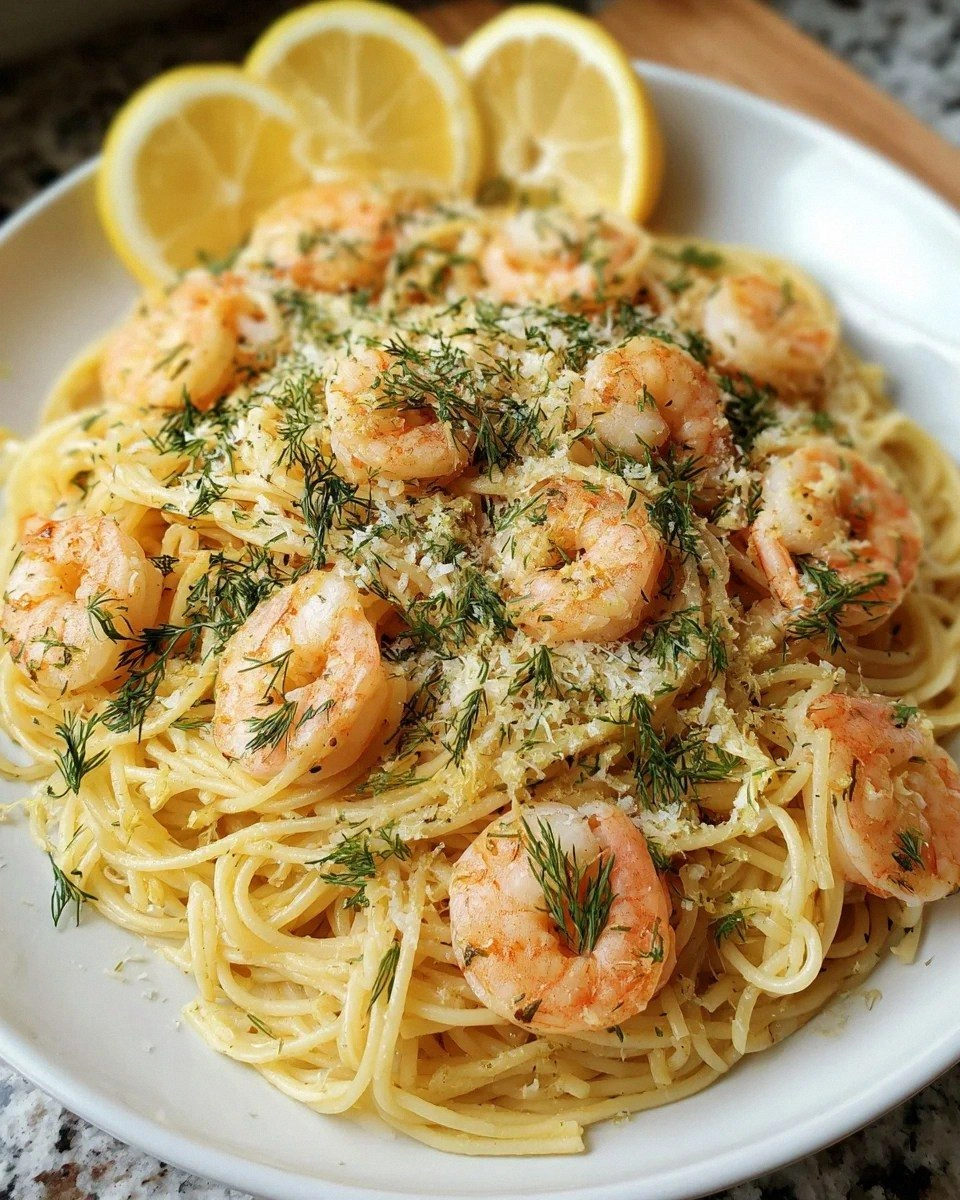
Plate the pasta in shallow bowls, drizzle any remaining sauce from the pan over the top, and garnish with a few extra dill fronds for visual flair. Serve immediately while the pasta is still warm and the shrimp are tender. And now the fun part: grab a fork, take a bite, and prepare for that bright citrus pop that will make you sigh in pure delight.
That's it — you did it. But hold on, I've got a few more tricks that'll take this to another level…
Insider Tricks for Flawless Results
The Temperature Rule Nobody Follows
Never cook shrimp over a flame that’s too high. Medium‑high heat gives you a quick sear without drying the shrimp out. I once tried a full blast burner and ended up with shrimp that tasted like rubber bands. Keep the heat steady, and you’ll get that perfect pink snap every time.
Why Your Nose Knows Best
When the butter‑flour roux turns a pale gold, that’s your nose telling you the flavor base is ready. If it smells nutty and slightly toasty, you’ve hit the sweet spot. If it starts to smell burnt, pull the pan off the heat immediately—once it’s burnt, the whole sauce is doomed.
The 5‑Minute Rest That Changes Everything
After you toss everything together, let the pasta rest off the heat for exactly five minutes. This short pause lets the starches re‑absorb the sauce, creating a silkier coating. I’ve seen people rush to plate and end up with a watery dish; that rest is the difference between “good” and “wow”.
Salt at the End, Not the Beginning
Adding salt too early can draw moisture out of the shrimp, making them less succulent. Instead, season lightly after the sauce is combined. This keeps the shrimp juicy and the sauce balanced.
Finish with Freshness
A final squeeze of lemon right before serving lifts the whole dish. The bright acidity cuts through the butter and cheese, refreshing the palate. Trust me, that last burst of citrus is what makes the dish sing.
Creative Twists and Variations
This recipe is a playground. Here are some of my favorite ways to switch things up:
Spicy Kick
Add a pinch of red pepper flakes to the skillet after the shrimp are seared. The heat pairs beautifully with the lemon, giving the dish a subtle fire that’s perfect for those who love a little heat.
Creamy Dream
If you’re not shy about dairy, stir in ¼ cup of heavy cream after deglazing. The sauce becomes luxuriously rich while still retaining the lemon‑dill brightness. This version is perfect for a cozy winter night.
Herb Medley
Swap half of the dill for fresh basil or parsley. The herbaceous notes shift, creating a fresh, spring‑time vibe. Basil adds a sweet peppery nuance, while parsley brings an earthy freshness.
Seafood Upgrade
Replace half of the shrimp with scallops or chunks of firm white fish like cod. The different textures add excitement, and the mild flavors let the lemon‑dill sauce shine even more.
Vegan Version
Use king oyster mushroom “scallops” marinated in soy sauce and lemon, and replace Parmesan with nutritional yeast. The mushrooms give a meaty bite, and the yeast adds a cheesy umami punch.
Whole Wheat Twist
Swap angel hair for whole‑wheat spaghetti for added fiber. The nutty flavor of the wheat complements the citrus, though you’ll need to increase cooking time by a minute or two.
Storing and Bringing It Back to Life
Fridge Storage
Transfer leftovers to an airtight container and refrigerate for up to 2 days. The pasta will absorb more sauce, so when reheating, add a splash of water or extra lemon juice to revive the silkiness.
Freezer Friendly
This dish freezes well for up to 1 month. Portion into freezer‑safe bags, removing as much air as possible. Thaw overnight in the fridge, then reheat gently on the stovetop with a drizzle of olive oil.
Best Reheating Method
Place the frozen or refrigerated pasta in a skillet over low heat, add 2‑3 tablespoons of water or broth, and cover for 3‑4 minutes. The steam will bring the sauce back to life without turning the shrimp rubbery. Quality‑saving trick: a tiny splash of water before reheating prevents the pasta from drying out.