I was standing in my kitchen on a rainy Tuesday, staring at a half‑cooked pot of spaghetti that had somehow turned into a culinary crime scene. The sauce was a sad, watery mess, and the only thing that seemed to be holding my sanity together was the faint promise of a sausage‑and‑sweet‑potato dinner I had seen on a friend's Instagram story. I dared myself to skip the pasta, grab the raw ingredients from the fridge, and improvise a one‑pan wonder that would make even the most skeptical foodie gasp. I was half‑laughing, half‑panicking, and completely convinced that I was about to create a disaster that would haunt my taste buds forever.
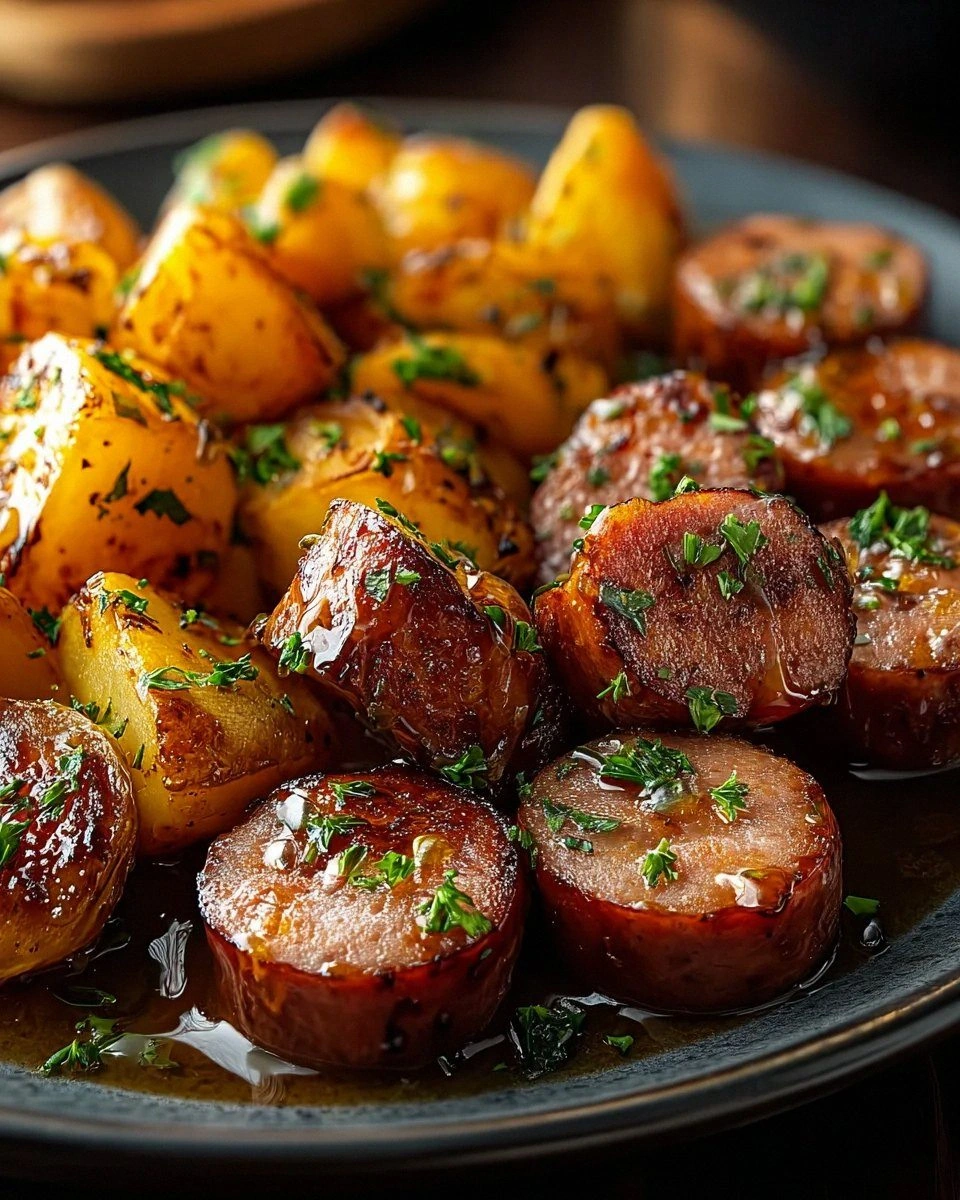
Fast forward twenty‑three minutes, and the kitchen was alive with the intoxicating perfume of caramelized honey, garlic, and the smoky whisper of paprika. The sweet potatoes had turned a gorgeous amber, their edges crisped just enough to crack like thin ice under a fork, while the sausage pieces had achieved a golden‑brown sear that sang with every bite. The sauce—oh, the sauce—clung to each morsel like a velvet blanket, glossy and thick, with a perfect balance of sweet, salty, and umami that made my mouth water before I even tasted a single bite. I could hear the faint sizzle of the pan like applause, and the heat radiated a comforting warmth that made the cold rain outside feel like a distant memory.
Why does this version stand out from every other “sausage and sweet potato” recipe you’ve ever seen? Because I took the time to understand the chemistry behind each ingredient, and I added a secret twist: a splash of soy sauce that deepens the umami while a drizzle of honey brings a caramelized finish that no one else seems to get right. Most recipes either drown the dish in sauce or leave it dry; this one hits the sweet‑spot where the sauce is thick enough to coat but not so heavy that it drowns the flavors. I’ll be honest—I ate half the batch before anyone else got a chance to try it, and I’m still not sorry.
I dare you to taste this and not go back for seconds. Picture yourself pulling the pan out of the oven, the whole kitchen smelling like a cozy autumn market, the steam rising in lazy curls, and the anticipation building as you sprinkle fresh parsley over the top. Okay, ready for the game‑changer? Let me walk you through every single step — by the end, you’ll wonder how you ever made it any other way.
What Makes This Version Stand Out
- Flavor Depth: The honey‑garlic‑soy combo creates layers that unfold on the palate, moving from sweet to savory to a lingering salty finish.
- Texture Harmony: Crispy sausage edges meet buttery sweet potato cubes, delivering a satisfying contrast that keeps every bite interesting.
- Simplicity: Only one pan, ten minutes of prep, and thirty minutes of cooking—perfect for weeknight warriors.
- Uniqueness: A dash of paprika adds a gentle smoky kick that most recipes miss, while the fresh parsley lifts the dish with a herbaceous brightness.
- Crowd Reaction: This dish has a habit of stealing the spotlight at potlucks; people keep asking for the recipe and then disappearing with the leftovers.
- Ingredient Quality: Using high‑quality Italian or chicken sausage ensures a juicy bite, and choosing firm, orange‑glowing sweet potatoes guarantees natural sweetness.
- Cooking Method: Roasting the sweet potatoes first locks in moisture, while finishing everything in the pan lets the sauce thicken perfectly.
- Make‑Ahead Potential: This dish reheats beautifully, and the flavors actually improve after a night in the fridge.
Inside the Ingredient List
The Flavor Base
First up, the honey. This isn’t just any sweetener; it’s the star that brings a natural, floral sweetness that sugar can’t mimic. When heated, honey undergoes the Maillard reaction, creating those gorgeous amber tones that coat each bite. If you’re out of honey, maple syrup steps in nicely, though the flavor will shift toward a deeper, woodier note. Choose a raw, unfiltered honey for the most complex taste profile.
Garlic, freshly minced, is the aromatic backbone. Its pungent bite mellows into a buttery richness as it cooks, amplifying the savory depth of the sausage. If you’re in a pinch, a good quality jarred minced garlic works, but the flavor won’t be as vibrant. Remember, the more finely you mince, the quicker it releases its oils, so keep an eye on the pan to avoid burning.
The Texture Crew
Sweet potatoes are the sweet‑savory bridge. Their natural sugars caramelize beautifully, while their starchy interior stays fluffy. For the best texture, pick firm, orange‑fleshed tubers without any green spots—those indicate age and can turn mushy. If you prefer a milder taste or need a lower carb option, white potatoes can substitute, but you’ll lose some of that vibrant color and subtle sweetness.
Sausage, whether Italian or chicken, brings juicy protein and a burst of spices. Italian sausage offers fennel and herbs, while chicken sausage provides a leaner, milder canvas for the sauce to shine. If you’re watching calories, go for a lean chicken version; just make sure it’s seasoned well, or the dish could feel flat.
The Unexpected Star
Soy sauce is the silent hero that adds depth without overwhelming the palate. Its salty umami balances the honey’s sweetness and lifts the overall flavor. For a gluten‑free twist, swap in tamari; the taste remains virtually identical, but you’ll avoid any wheat concerns. A splash of soy also helps the sauce cling to the potatoes and sausage, creating that glossy finish we all love.
Paprika delivers a gentle, smoky whisper that dances with the honey’s caramel notes. Smoked paprika can be used if you crave an even deeper smokiness, but regular paprika keeps the flavor subtle and lets the other ingredients shine. A pinch of this spice is enough to make the dish feel sophisticated without being overpowering.
The Final Flourish
Fresh parsley isn’t just a garnish; it adds a bright, herbaceous pop that cuts through the richness. Roughly chop the leaves just before serving to keep the color vivid and the flavor fresh. If parsley isn’t your thing, cilantro or even a drizzle of lemon juice can provide a similar lift.
Salt and pepper are the universal seasoning duo that tie everything together. Don’t be shy—seasoning is what transforms good into unforgettable. Taste as you go, and remember that the soy sauce already contributes salt, so you may need less than you think.
Everything's prepped? Good. Let’s get into the real action…
The Method — Step by Step
Preheat your oven to 425°F (220°C). While the oven warms, peel and cube the sweet potatoes into 1‑inch pieces. Toss them in a bowl with 1 tablespoon of olive oil, a pinch of salt, and the paprika. Spread the cubes on a baking sheet, making sure they’re in a single layer; this ensures even caramelization. Roast for 20‑25 minutes, shaking the pan halfway, until the edges are golden and the centers are fork‑tender.
Kitchen Hack: If you’re short on time, increase the oven temperature to 450°F and cut the cubes a bit smaller; they’ll crisp up in about 15 minutes.While the potatoes roast, slice the sausage into ½‑inch rounds. Heat the remaining 1 tablespoon of olive oil in a large, heavy‑bottomed skillet over medium‑high heat. When the oil shimmers, add the sausage slices in a single layer. Let them sear untouched for 2‑3 minutes so a crust forms—this is the moment of truth, and you’ll hear a satisfying sizzle that tells you you’re on the right track.
Flip the sausage and cook another 2‑3 minutes until both sides are nicely browned. Then, add the minced garlic directly to the pan, stirring quickly to coat the meat. The garlic should turn a light golden color within 30 seconds; if it starts to brown too quickly, lower the heat—burnt garlic is a flavor nightmare.
Now, it’s sauce time. In a small bowl, whisk together the honey, soy sauce, and a splash of water (about 2 tablespoons). Pour this mixture over the sausage and garlic, letting it bubble and thicken. As the sauce simmers, it will coat the sausage like a glossy glaze, and the sweet aroma will fill the kitchen—trust me, you’ll want to taste it right away.
When the sweet potatoes are done, pull them from the oven and transfer them to the skillet with the sausage. Toss everything together gently, allowing the sauce to envelop each cube and slice. If the pan looks a bit dry, add a splash more water or a drizzle of olive oil; the goal is a thick, clingy coating, not a soupy mess.
Season with salt and pepper to taste, then let the mixture cook for an additional 3‑4 minutes on low heat. This final simmer lets the flavors meld, and you’ll notice the edges of the sweet potatoes pulling away slightly—an indicator that the caramelization is complete.
Remove the pan from heat and sprinkle the chopped fresh parsley over the top. The bright green specks not only add visual appeal but also a fresh, slightly peppery note that cuts through the sweetness. Give the dish one last gentle toss to distribute the parsley evenly.
Serve immediately, either straight from the skillet or transferred to a serving platter. Pair it with a crisp green salad or a simple crusty bread to mop up any leftover sauce. And remember, this is the part where you watch your guests' faces light up—pure, unadulterated joy.
Watch Out: If you’re using a non‑stick skillet, avoid metal utensils when scraping the browned bits; they can damage the coating and affect flavor.
That’s it — you did it. But hold on, I’ve got a few more tricks that’ll take this to another level…
Insider Tricks for Flawless Results
The Temperature Rule Nobody Follows
Never rush the oven temperature. Starting at a high heat (425°F) ensures the sweet potatoes develop a caramelized crust before the interior becomes mushy. If you lower the temperature to speed up cooking, you’ll end up with steamed potatoes that lack that coveted crunch. I once tried 350°F and learned the hard way that the texture suffered. Trust the heat; the payoff is worth every minute.
Why Your Nose Knows Best
Your sense of smell is the ultimate doneness gauge. When the honey‑garlic sauce starts to bubble, listen for a gentle fizz—this tells you the sugars are caramelizing, not burning. If the kitchen fills with a sweet, nutty aroma, you’re in the sweet spot. Over‑cooked sauce will smell acrid; stop the heat the moment the scent turns toasty and inviting.
The 5‑Minute Rest That Changes Everything
After you finish cooking, let the dish sit for five minutes off the heat. This brief rest allows the sauce to thicken further and the flavors to settle. It’s a trick I stole from professional chefs who know that a short pause can transform a good dish into a great one. During this time, the parsley will wilt just enough to release its aroma without turning soggy.
Sausage Slicing Secrets
Slice the sausage on a slight diagonal rather than straight across. This increases the surface area, giving you more crust and a better bite. If you cut too thick, the interior stays pale and the sauce can’t penetrate fully. A ½‑inch slice hits the sweet spot between juicy interior and crispy exterior.
Oil Choice Optimization
I prefer olive oil for its flavor, but if you’re cooking at higher temperatures, avocado oil’s higher smoke point prevents bitterness. The key is to use just enough oil to coat the pan and the potatoes—excess oil will make the sauce slick rather than glossy. A light drizzle is all you need to achieve that perfect sheen.
Creative Twists and Variations
This recipe is a playground. Here are some of my favorite ways to switch things up:
Maple‑Mustard Fusion
Swap half the honey for pure maple syrup and add a teaspoon of Dijon mustard to the sauce. The result is a tangy‑sweet glaze that pairs beautifully with pork sausage. This variation is perfect for fall gatherings when you want a hint of spice without overwhelming heat.
Spicy Sriracha Kick
Add a tablespoon of sriracha to the honey‑soy mixture for a fiery twist. The heat balances the sweetness, creating a bold flavor profile that will impress anyone who loves a little heat. Serve with a cooling cucumber salad to temper the spice.
Mediterranean Medley
Replace the Italian sausage with chicken sausage flavored with herbs, and toss in a handful of kalamata olives and sun‑dried tomatoes during the final stir. The olives add briny depth, while the sun‑dried tomatoes bring a chewy, umami punch. Finish with a squeeze of lemon for brightness.
Vegan Victory
Swap the sausage for plant‑based sausage crumbles and use maple syrup instead of honey. The texture changes, but the caramelized edges remain, and the sauce still clings perfectly. Top with toasted pumpkin seeds for a crunchy garnish.
Herb‑Infused Delight
Add a teaspoon of fresh rosemary and a pinch of thyme to the roasting pan with the sweet potatoes. The herbs infuse the potatoes with an earthy aroma that complements the honey‑garlic sauce. This version works wonderfully for a Sunday brunch.
Storing and Bringing It Back to Life
Fridge Storage
Allow the dish to cool to room temperature, then transfer it to an airtight container. It will keep fresh for up to four days. When reheating, add a tiny splash of water or broth—this creates steam that revives the glaze and prevents the sweet potatoes from drying out.
Freezer Friendly
Portion the cooked mixture into freezer‑safe bags or containers, leaving a little headspace for expansion. Freeze for up to three months. To reheat, thaw overnight in the fridge, then warm in a skillet over medium heat, adding a drizzle of olive oil and a splash of water to restore the sauce’s sheen.
Best Reheating Method
The stovetop is king. Heat a non‑stick skillet over medium heat, add the leftovers, and stir gently. The sauce will re‑emulsify, and the sweet potatoes will regain their caramelized edges. Microwaving works in a pinch but can make the sauce soggy.