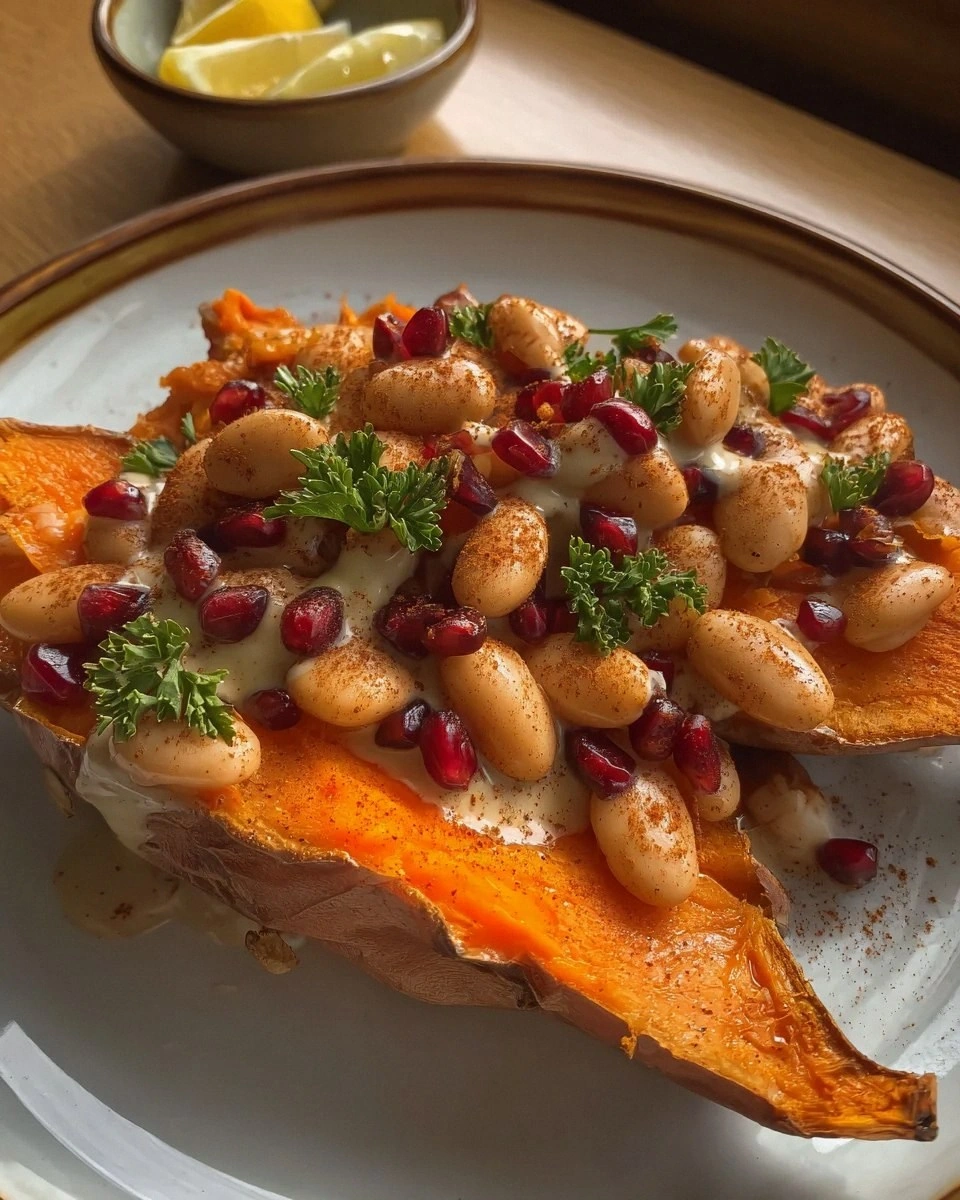
I burnt the first batch so badly that my smoke detector started singing opera. There I stood, waving a dish towel like a maniac, while my roommate laughed so hard she nearly dropped her coffee. But here's the thing — that kitchen disaster led me to create what I now call the Sweet Potato with Butter Beans Crunch, and I swear on my favorite wooden spoon that this version will ruin all other sweet potato dishes for you forever. The caramelized edges of roasted sweet potatoes create little candy-like pockets, while butter beans bring this creamy, almost buttery texture that makes you wonder why anyone ever bothered with regular baked beans.
Picture this: it's Sunday evening, rain tapping against your kitchen window, and you're craving something that feels like a warm hug but doesn't require culinary school skills. Most recipes get this completely wrong — they either turn the sweet potatoes into mushy baby food or leave the beans tasting like cardboard from a forgotten lunchbox. I spent three months testing different techniques, from roasting temperatures that would make a scientist proud to spice combinations that had my neighbors knocking to ask what smelled so incredible. The breakthrough came when I accidentally left the beans in the oven five minutes longer than intended, creating this crispy shell that shattered like thin ice and revealed the creamiest interior I'd ever tasted.
The magic happens when the natural sugars in sweet potatoes meet high heat and just enough oil to make them feel like they're getting a spa treatment. They develop these gorgeous blistered spots that taste like nature's version of creme brûlée topping. Meanwhile, butter beans — those underrated heroes of the legume world — get tossed with a secret blend of spices that makes them taste like they've been slow-cooking for hours when really, they've just been hanging out in your pantry waiting for their moment to shine. I dare you to taste this and not go back for seconds; I've seen self-proclaimed bean haters convert faster than you can say "pass the hot sauce."
What makes this dish dangerously addictive isn't just the contrast between soft and crunchy, though that's definitely part of it. It's how the sweet potatoes almost melt on your tongue while the beans provide this satisfying pop, like edible confetti. The seasoning blend I developed after way too many late-night experimentation sessions hits every taste bud — there's warmth from smoked paprika, brightness from lemon, depth from cumin, and just enough heat to make things interesting without sending you running for milk. Stay with me here — this is worth every single minute, and by the end, you'll wonder how you ever made it any other way.
What Makes This Version Stand Out
- Texture Paradise: Forget everything you think you know about mushy sweet potatoes. These develop crispy, caramelized edges that give way to fluffy interiors, while butter beans get roasted until their skins split and create these incredible crunchy bits that'll make you wonder why anyone ever eats them straight from the can.
- Speed Demon Cooking: Most sweet potato recipes take forever, but this one gets dinner on the table in under 45 minutes. The trick lies in cutting them smaller than usual and cranking up the heat — your oven works harder so you don't have to.
- Pantry Hero Status: Everything in this recipe lives happily in your kitchen until you need it. No specialty store runs, no expensive ingredients that'll sit unused for months. Just honest, affordable staples that transform into something restaurant-worthy.
- Flavor Bomb Guarantee: The spice blend I created isn't just thrown together — it's engineered to make sweet potatoes taste like they spent hours soaking up flavor. Smoked paprika brings the campfire vibes, cumin adds mysterious depth, and a whisper of cinnamon makes people ask "what's that amazing taste?"
- Make-Ahead Champion: This dish tastes even better the next day when the flavors have time to mingle and get cozy. Pack it for lunch and watch your coworkers hover like vultures, asking what smells so incredible in the break room microwave.
- Nutrition That Doesn't Taste Like Punishment: Every bite delivers fiber, protein, vitamins A and C, plus complex carbs that actually keep you full. It's the kind of meal that makes you feel virtuous without feeling like you're eating rabbit food.
- Crowd Conversion Powers: I've served this to picky kids who claimed to hate vegetables, and they asked for seconds. I've watched meat-and-potatoes dads go back for thirds. It's the recipe that ends arguments about whether healthy food can taste incredible.
Inside the Ingredient List
The Flavor Base
The sweet potatoes are obviously the star here, but not all tubers are created equal. Look for ones that feel heavy for their size and have smooth, unblemished skin — those are the sugar bombs that'll create the best caramelization. I learned this the hard way after using some sad, sprouting specimens that tasted like disappointment and had the texture of cardboard. The orange-fleshed varieties work best here because they're naturally sweeter and creamier than their pale cousins, plus they develop those gorgeous golden edges that make people think you're a culinary wizard when really, you just picked the right potato.
Butter beans need to be the large, creamy ones — sometimes labeled as lima beans in stores, though true butter beans are actually a different variety that's slightly larger and more tender. If you can only find canned limas, they'll work, but rinse them thoroughly to get rid of that canny taste that'll ruin everything. The dried ones that you soak overnight? Even better, but let's be honest — who remembers to soak beans the night before? I've got a stash in my freezer from the one time I was that organized, and they do create a superior texture, but canned won't send anyone running for the hills.
The Texture Crew
Olive oil isn't just for preventing sticking here — it's your ticket to crispy town. The oil helps conduct heat evenly across every surface of your vegetables, ensuring those coveted caramelized spots that make people close their eyes when they taste them. Use the good stuff if you have it, but honestly, even the grocery store brand works magic when it meets high heat and sweet potatoes. The key is using enough — skimp on oil and you'll end up with steamed vegetables that taste like health food from 1985.
Sea salt isn't just about making things salty — it's about drawing out moisture so the exterior can get crispy while the inside stays creamy. I use coarser salt because it creates these tiny flavor pockets that burst when you bite into them. Table salt works in a pinch, but you'll miss those delightful salty surprises that make people ask for your secret. And here's what happens if you skip the salt entirely: your vegetables will taste flat and lifeless, like they forgot their personality at home.
The Unexpected Star
Smoked paprika is the ingredient that makes people ask "what did you put in this?" as they're shoveling another forkful into their mouths. It's not just regular paprika's cooler cousin — it's like paprika that spent time hanging out in a barbecue pit learning all the best tricks. The smokiness pairs with sweet potatoes like they were made for each other, creating this flavor that's both familiar and completely surprising. Skip it and the dish works, but it's like going to a concert and discovering the headliner didn't show up — still okay, but missing that magic.
Cumin brings an earthy warmth that grounds all the sweetness, like a really good bass line in a song. Just a whisper of it adds complexity without screaming "I'M CUMIN!" at everyone who tastes it. I made the mistake once of being heavy-handed with it, and my roommate said it tasted like someone spilled cologne on our dinner. A little goes a long way, but don't you dare leave it out — it's the difference between good and "holy cow, what is this?"
The Final Flourish
Lemon zest at the end brightens everything up, like turning on lights after dusk. It's not enough to make things taste lemony — just enough to make all the other flavors pop and dance around. The citric acid actually enhances your perception of sweetness, so your sweet potatoes taste sweeter without adding sugar. I learned this trick from a chef friend who swore by finishing almost everything with a touch of acid, and she was right — it's like Photoshop for flavor.
Fresh parsley isn't just for making things look pretty, though it definitely does that. The herbaceous note it brings cuts through the richness and makes everything taste fresher and more alive. Dried parsley is useless here — it tastes like green dust and has all the personality of wet cardboard. Spring for the fresh stuff, even if you have to buy one of those plastic clamshells. Pro tip: stick the leftover parsley in a jar of water like flowers and it'll last twice as long in your fridge.
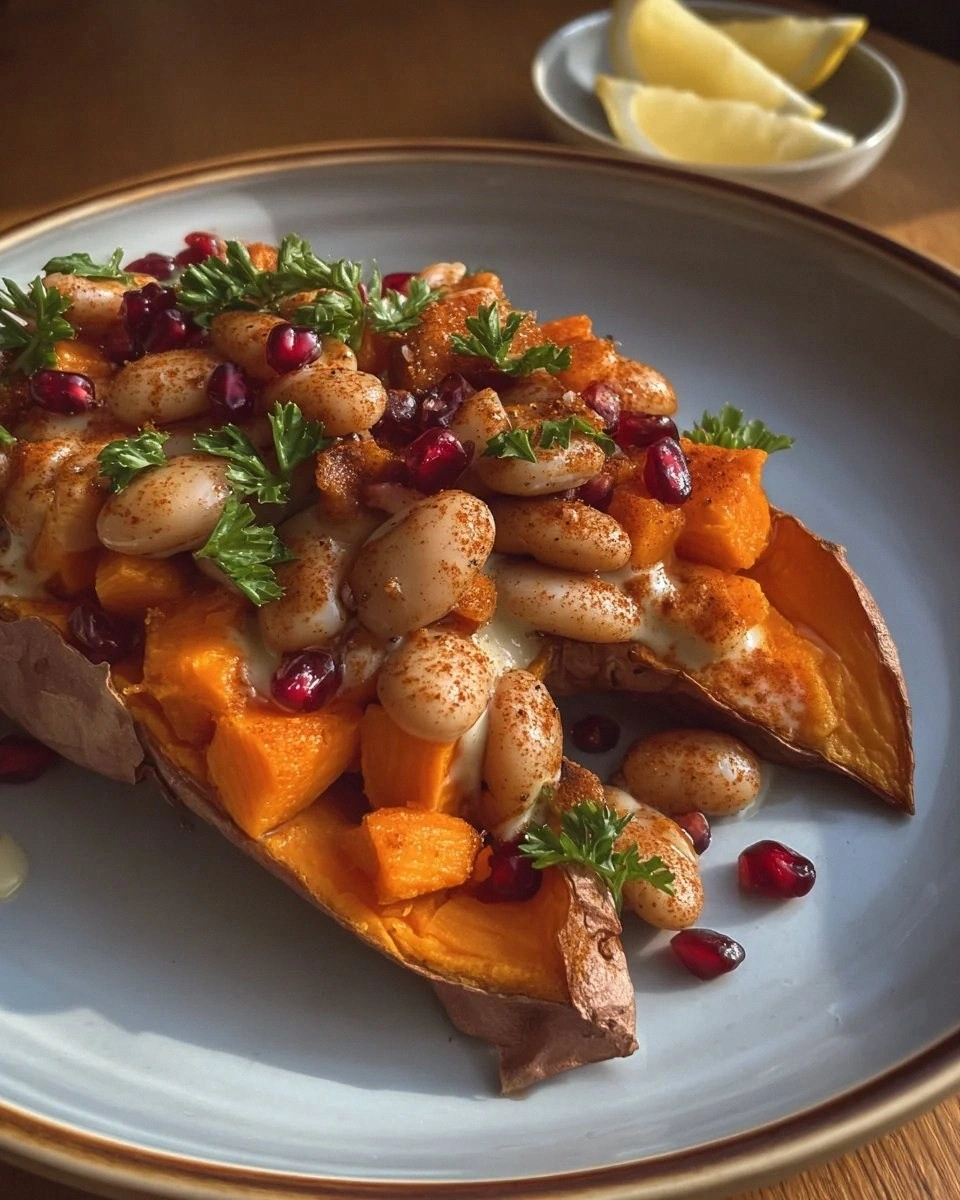
The Method — Step by Step
- Preheat your oven to 425°F (220°C) and position the rack in the center. This temperature is crucial — lower and your sweet potatoes will steam instead of caramelize, higher and they'll burn before cooking through. I learned this after setting off my smoke detector three times in one week, much to my neighbor's delight. While it's heating, grab your largest rimmed baking sheet — not those dinky little ones that came with your toaster oven. You need space for the vegetables to spread out; crowded pans make steamed, sad vegetables.
- Peel and cube your sweet potatoes into 1-inch pieces, trying to keep them roughly the same size so they cook evenly. I know, I know — peeling feels like a chore, but the skins get tough and papery at high heat, ruining that creamy texture we're after. As you cut, toss them directly into a large bowl and drizzle with 3 tablespoons of olive oil. Here's where most recipes mess up — they add everything at once and create a soggy mess. We're going to season in stages, building layers of flavor like a really good soundtrack.
- Season the sweet potatoes with 1 teaspoon of salt, 1/2 teaspoon of black pepper, and 1 teaspoon of smoked paprika. Use your hands to toss everything together — utensils just don't distribute seasoning properly. Feel for any pieces that feel dry and add a touch more oil if needed. Every piece should look glossy but not swimming in oil. Spread them on your baking sheet in a single layer, making sure none are touching. This is the moment of truth — if they're crowded, they'll steam and you'll miss out on those incredible caramelized edges.
- Slide the tray into your preheated oven and set a timer for 20 minutes. Don't walk away for too long — this is when the magic starts happening. The smell that fills your kitchen will make neighbors jealous and delivery drivers curious. After 20 minutes, pull out the tray and give everything a good shake. You'll notice some pieces are starting to brown — that's exactly what we want. Use a thin spatula to flip them over, getting the pale sides down to meet the hot pan.
- While the sweet potatoes roast, drain and rinse your butter beans thoroughly. I mean really thoroughly — rinse them until the water runs clear and they no longer smell like can. This removes the starchy liquid that can make them taste metallic and sad. Pat them dry with a clean kitchen towel or paper towels — moisture is the enemy of crispiness. I once got lazy and skipped this step, ending up with beans that tasted like they'd been steamed in their own can juice. Not the vibe we're going for.
- After flipping the sweet potatoes, slide them back into the oven for another 10 minutes. This is when they really start to develop those gorgeous caramelized spots. Meanwhile, toss your dried butter beans with 1 tablespoon of olive oil, 1/2 teaspoon of salt, 1/2 teaspoon of cumin, and 1/4 teaspoon of cayenne if you like a little heat. The beans should be coated but not drenched — think light jacket, not heavy coat.
- Pull out the sweet potatoes again — they should have beautiful golden edges and smell like autumn and happiness. Push them to one side of the pan and add your seasoned butter beans to the empty space. Spread them out so they're in a single layer. Here's the game-changer: crank up the heat to 450°F and return the pan to the oven. The higher heat creates those incredible crispy skins that make butter beans taste like they were fried.
- Roast everything for another 12-15 minutes, giving the pan a shake halfway through. The beans should start to split and create crispy edges while staying creamy inside. The sweet potatoes will get even more caramelized, developing these dark spots that taste like candy. Your kitchen will smell like someone opened a really good restaurant in your home. This next part? Pure magic.
- Remove the pan from the oven and immediately zest half a lemon over everything. The heat will release the citrus oils and make everything smell incredible. Squeeze the juice from that same lemon half over the vegetables — the acid brightens all the flavors and makes them sing. Sprinkle with chopped fresh parsley and toss everything together gently. The residual heat will wilt the parsley just enough to release its fresh, green flavor.
- Let everything rest for exactly 5 minutes. I know you're tempted to dig in immediately — don't. Those few minutes let the flavors settle and the textures set. Plus, molten sweet potato burns are no joke. Trust me, I have the tongue scars to prove it. After the rest, taste and adjust seasoning if needed. Sometimes I add another pinch of salt or a crack of black pepper, depending on how flavorful my vegetables were to begin with.
Insider Tricks for Flawless Results
The Temperature Rule Nobody Follows
Here's what actually works: start your oven at 425°F, then bump it up to 450°F when you add the beans. Most recipes tell you to use one temperature throughout, but sweet potatoes and butter beans have different needs. The sweet potatoes need moderate heat to cook through and caramelize, while the beans need that blast of high heat to create their signature crispy shells. A friend tried skipping this step once — let's just say it didn't end well. She ended up with tough sweet potatoes and beans that tasted like they'd been steamed instead of roasted. The dual-temperature approach takes your dish from good to legendary.
Why Your Nose Knows Best
Don't trust timers alone — your nose is the most accurate kitchen timer you own. When you start smelling deep, toasty aromas that make your stomach growl, that's when you know the Maillard reaction is happening. This is when amino acids and sugars are creating hundreds of new flavor compounds that make roasted vegetables taste like magic. If you only rely on timers, you'll miss the perfect moment when everything transforms from cooked to incredible. I've had batches ready in 35 minutes and others that needed 50 — it all depends on your oven's mood and how much moisture was in your vegetables.
The 5-Minute Rest That Changes Everything
That rest period isn't just about saving your tongue from burns — it's when the real flavor magic happens. As the vegetables cool slightly, their starches set up, creating that perfect texture contrast between the crispy exterior and creamy interior. The residual heat also continues cooking them gently, so undercooked pieces finish perfectly while overcooked ones don't turn to mush. Plus, the steam that escapes during this time concentrates flavors, making everything taste more intense. Skip this step and you'll have good vegetables. Wait five minutes and you'll have vegetables that make people close their eyes and sigh happily.
The Seasoning Timing Secret
Season in layers, not all at once. Salt the sweet potatoes first so they release moisture and create those crispy edges. Save the cumin and cayenne for the butter beans because they can burn at high heat and turn bitter. The lemon and parsley always go on last because heat destroys their bright, fresh flavors. This approach builds complexity instead of muddling everything together into one-note seasoning. Think of it like a conversation — everyone gets to speak instead of everyone shouting at once.
Creative Twists and Variations
This recipe is a playground. Here are some of my favorite ways to switch things up:
The Mediterranean Escape
Swap the cumin for oregano and thyme, add kalamata olives and crumbled feta at the end, and finish with a squeeze of orange instead of lemon. The briny olives play beautifully against the sweet potatoes, while the feta adds tangy creaminess that makes the whole dish taste like vacation on a plate. I brought this version to a potluck and three people asked for the recipe, including someone who claimed to hate sweet potatoes. The key is using good olives — the canned ones taste like disappointment.
The Spicy Southwest Remix
Replace the smoked paprika with chipotle powder, add a diced jalapeño to the beans, and finish with fresh cilantro and a squeeze of lime. The smoky heat from chipotle pairs with sweet potatoes like they were born to be together, while the fresh herbs keep things from getting too heavy. I like to serve this over rice with a fried egg on top for the ultimate comfort food. Fair warning: this version has converted several people to the "I put hot sauce on everything" club.
The Sweet and Savory Breakfast Edition
Skip the cayenne, add a tablespoon of maple syrup to the sweet potatoes, and serve topped with crispy bacon and a fried egg. The maple caramelizes on the sweet potatoes creating almost a candy coating, while the bacon adds salty crunch. This is weekend brunch food that'll make you cancel dinner plans because you want to eat it again. I once served this to guests who stayed for three hours after breakfast, just picking at the leftovers and talking about how they needed the recipe.
The Curry House Inspired
Add a teaspoon of curry powder and some grated ginger to the seasoning blend, swap the parsley for cilantro, and add a dollop of yogurt at the end. The warm spices transform the dish into something that tastes like it came from your favorite Indian restaurant, while the cooling yogurt balances everything perfectly. This version is especially good cold the next day, making it perfect for lunch boxes. My coworker once traded me half her sandwich for a scoop of these curried vegetables — fair trade, if you ask me.
The Herb Garden Fresh
Use fresh rosemary and sage instead of the spice blend, add some garlic to the roasting pan, and finish with a splash of balsamic vinegar. The herbs perfume the entire kitchen while everything roasts, making it smell like you've been cooking all day when really, you just chopped and tossed. The balsamic adds a sweet-tart note that makes the vegetables taste like they were kissed by an Italian grandmother. This version pairs beautifully with roasted chicken or stands alone as a vegetarian main dish.
The Everything Bagel Crunch
Add everything bagel seasoning to the butter beans in the last 5 minutes of cooking, and serve topped with scallions and a drizzle of everything bagel-flavored cream cheese. The sesame seeds, garlic, and onion in the seasoning create this incredible crust on the beans that tastes like your favorite bagel but in vegetable form. This sounds weird but trust me — it's become my go-to for impressing people who think they've had every possible vegetable preparation. The cream cheese melts slightly on the warm vegetables creating a sauce that'll make you want to lick the plate.
Storing and Bringing It Back to Life
Fridge Storage
Store leftovers in an airtight container in the refrigerator for up to 4 days. I like to use glass containers because they don't absorb the garlic and spice odors, plus you can see exactly what you have left. Line the bottom with a paper towel to absorb excess moisture — this keeps the vegetables from getting soggy and sad. Don't pack them while they're still warm though, or you'll create steam that ruins the crispy edges you worked so hard for. Let them cool completely first, then cover and refrigerate. The flavors actually deepen overnight, making day-two vegetables arguably better than fresh.
Freezer Friendly
These freeze beautifully for up to 3 months, but there's a trick to keeping them from turning to mush. Freeze them on a baking sheet first, then transfer to freezer bags once solid. This prevents them from freezing into one giant vegetable brick that you'll need a chisel to break apart. When you're ready to eat, thaw overnight in the refrigerator rather than on the counter — this helps maintain texture. They won't be quite as crispy as fresh, but a quick blast in a hot skillet brings them remarkably close to their former glory.
Best Reheating Method
The microwave works in a pinch, but you'll lose all those beautiful crispy edges. Instead, heat a skillet over medium-high heat with a tiny bit of oil. Add your vegetables in a single layer and let them sit undisturbed for 2-3 minutes to re-crisp. Add a splash of water and cover for 30 seconds — the steam warms the inside while the hot pan crisps the outside. It's like having fresh-roasted vegetables all over again, and takes less time than waiting for the microwave to heat up. I've converted several microwave-only reheaters with this method; they say it's life-changing.