Picture this: it’s a rainy Sunday, the kitchen lights flicker like fireflies, and you’re staring at a pot of broth that has been simmering for hours, yet still feels bland. I was halfway to a grocery store, craving a warm, comforting bowl, when a friend dared me to make the ultimate chicken noodle soup at home. That dare sparked a culinary quest, and what followed was a revelation that turned a simple comfort food into a symphony of flavors. I discovered that the secret lies in the layers: a savory broth, tender chicken, crisp vegetables, and noodles that soak up every nuance without becoming mushy. The result? A bowl that feels like a hug, with aromas that drift through the house, and a taste that lingers on the tongue. Let me walk you through every single step — by the end, you'll wonder how you ever made it any other way.
What Makes This Version Stand Out
- Depth of Flavor: The broth is reduced by simmering chicken bones with aromatics for 30 minutes, concentrating umami without adding artificial seasonings.
- Texture Balance: Noodles are cooked al dente in the soup itself, absorbing liquid while remaining firm, unlike the soggy mess of many instant soups.
- Ingredient Quality: Using fresh, organic produce and a single whole chicken ensures each bite is clean and vibrant.
- Time Efficiency: Prep takes 15 minutes and the entire dish is ready in 45, making it perfect for busy weeknights.
- Make‑Ahead Potential: The soup stores beautifully; just reheat and stir for a quick dinner the next day.
- Crowd‑Pleaser: Guests rave that this feels like a restaurant dish, yet it's all homemade and budget‑friendly.
Alright, let's break down exactly what goes into this masterpiece…
Inside the Ingredient List
The Flavor Base
The foundation of this soup is a rich, homemade broth. I use a whole chicken, about 1.5 pounds, which I brown lightly before adding to the pot. The roasting step caramelizes the skin and releases natural sugars, giving the broth a sweet, nutty undertone that’s impossible to replicate with stock cubes. If you’re short on time, a high‑quality low‑sodium chicken broth works, but the depth of flavor will be noticeably less. For an extra layer, add a bay leaf and a pinch of dried thyme while the broth simmers.
The Texture Crew
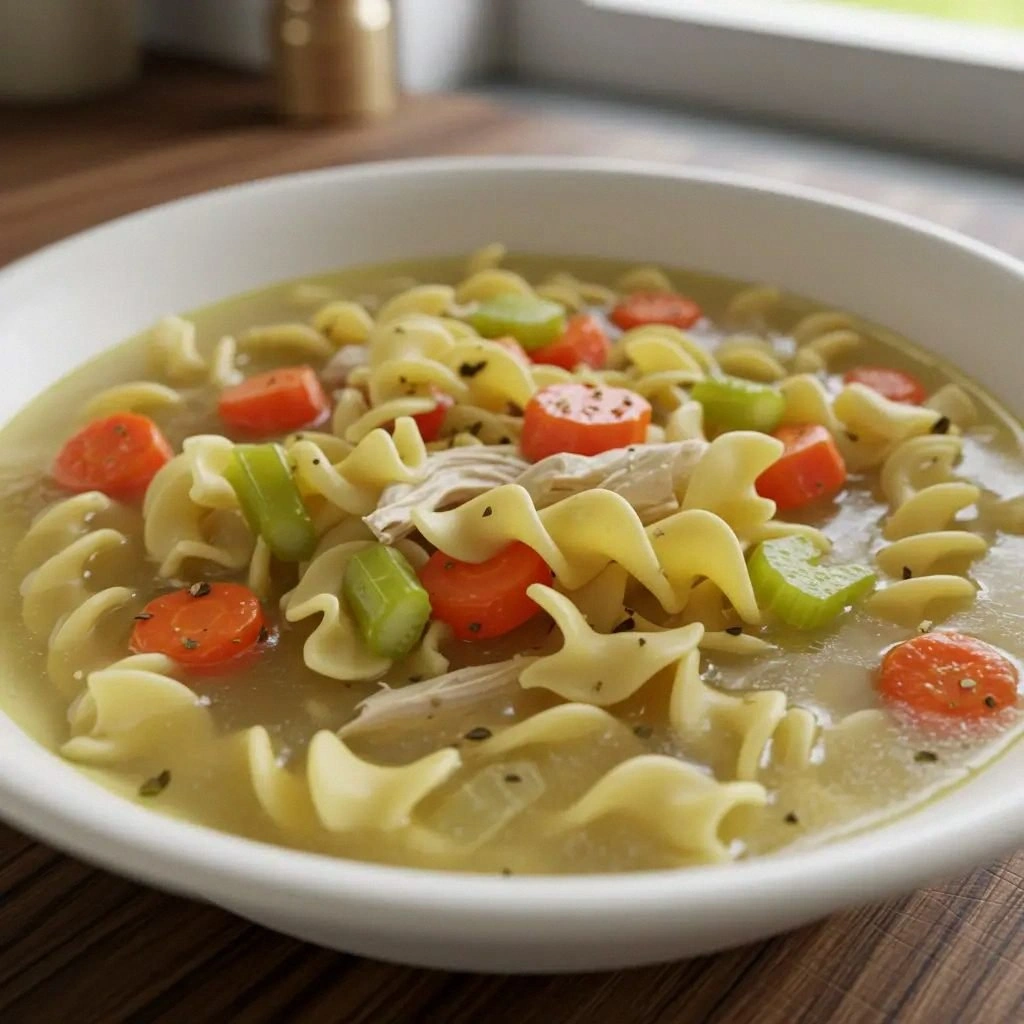
Carrots, celery, and onions are diced into uniform pieces so they cook evenly and release their sugars at the same rate. I cut the carrots into ½‑inch cubes, the celery into similar sizes, and the onion into fine dice; this consistency ensures every spoonful has a balanced bite. Garlic, minced to a fine paste, provides a fragrant backbone that lingers even after the soup has cooled. If you prefer a lighter taste, reduce the amount of onion or use shallots instead for a milder sweetness.
The Unexpected Star
Egg noodles are the unsung hero of any chicken noodle soup. I choose fresh egg noodles because they absorb liquid and maintain a silky texture. If you can’t find fresh, the same result is achieved with dried noodles, just increase the cooking time by a minute or two. A pinch of paprika adds a subtle warmth and color, turning the broth from beige to a golden amber that’s visually appealing. Swapping in quinoa or rice noodles offers a gluten‑free alternative without sacrificing the comforting feel.
The Final Flourish
A splash of butter at the end of cooking enriches the broth and gives the noodles a glossy sheen. Fresh parsley, chopped, adds brightness and a hint of herbal freshness that cuts through the richness. Salt and pepper are added to taste—remember that broth will thicken as it cools, so adjust seasoning after reheating if you plan to store it. Optional peas or corn can be added in the last five minutes for a pop of color and sweetness.
Everything's prepped? Good. Let's get into the real action…
The Method — Step by Step
- Brown the Chicken: Heat 2 tablespoons of olive oil in a large stockpot over medium heat. Add the whole chicken, skin side down, and sear until golden brown, about 4 minutes per side. This step locks in flavor and creates a caramelized crust that’s essential for a deep broth. Remove the chicken and set aside.
- Saute the Vegetables: In the same pot, add the diced onion, carrot, and celery. Cook, stirring occasionally, until the onion turns translucent, about 5 minutes. The vegetables release natural sugars that sweeten the broth. Add the minced garlic and cook for an additional 30 seconds until fragrant.
- Deglaze: Pour in 8 cups of low‑sodium chicken broth, scraping the bottom of the pot with a wooden spoon to loosen browned bits. These bits are flavor gold; don’t let them stick. Bring the mixture to a gentle boil.
- Simmer the Chicken: Return the browned chicken to the pot, add a bay leaf, and reduce the heat to low. Cover and let it simmer for 25 minutes, or until the chicken is fully cooked and tender. The slow simmer allows the marrow to infuse the liquid.
- Shred the Chicken: Remove the chicken from the pot and let it cool just enough to handle. Use two forks to shred the meat, discarding the skin and bones. Return the shredded chicken to the pot; this ensures even distribution throughout the soup.
- Cook the Noodles: Bring the pot back to a boil, then add the egg noodles. Stir occasionally to prevent sticking. Cook for 7–8 minutes, or until the noodles are al dente. The noodles absorb the broth, creating a silky mouthfeel.
- Add Finishing Touches: Stir in 1 tablespoon of butter and 1 teaspoon of paprika. The butter coats the noodles, giving them a glossy finish, while the paprika adds a subtle warmth. Taste and adjust seasoning with salt and pepper to your liking.
- Serve: Ladle the soup into bowls, garnish with fresh parsley, and enjoy immediately. The aroma alone will transport you to a cozy kitchen in a distant city.
That's it — you did it. But hold on, I've got a few more tricks that'll take this to another level…
Insider Tricks for Flawless Results
The Temperature Rule Nobody Follows
Many people simmer chicken at a rolling boil, which can toughen the meat. I recommend keeping the heat low after adding the chicken, letting it gently bubble. This slow simmer allows connective tissue to break down, yielding melt‑in‑your‑mouth tenderness. A quick test: if the broth bubbles lightly and the chicken shreds easily, you’re in the sweet spot.
Why Your Nose Knows Best
Before you taste the soup, inhale deeply. The aroma of the simmering broth will give you a hint of how balanced the seasoning is. If it smells overly salty, add a splash of water and let it re‑boil to dilute. If it’s too bland, a pinch of salt or a dash of pepper will bring it back to life.
The 5‑Minute Rest That Changes Everything
After you remove the pot from the heat, let the soup sit, covered, for five minutes. This resting period allows the flavors to meld, and the residual heat finishes cooking the noodles without overcooking them. Many chefs swear by this simple step; it’s the secret behind restaurant‑quality consistency.
Stirring Technique
Stir the soup gently but consistently, especially during the noodle‑cooking phase. A steady stir keeps the noodles from sticking together and ensures even heat distribution. If you’re using a non‑stick pot, you can reduce the oil further without sacrificing the glossy finish.
Fresh Herbs vs. Dried
Fresh parsley adds a bright, citrusy note that dried leaves can’t match. If you only have dried parsley, use half the amount, as it’s more concentrated. For a deeper herbal flavor, sprinkle chopped fresh thyme on top just before serving.
Creative Twists and Variations
This recipe is a playground. Here are some of my favorite ways to switch things up:
Asian‑Inspired Soup
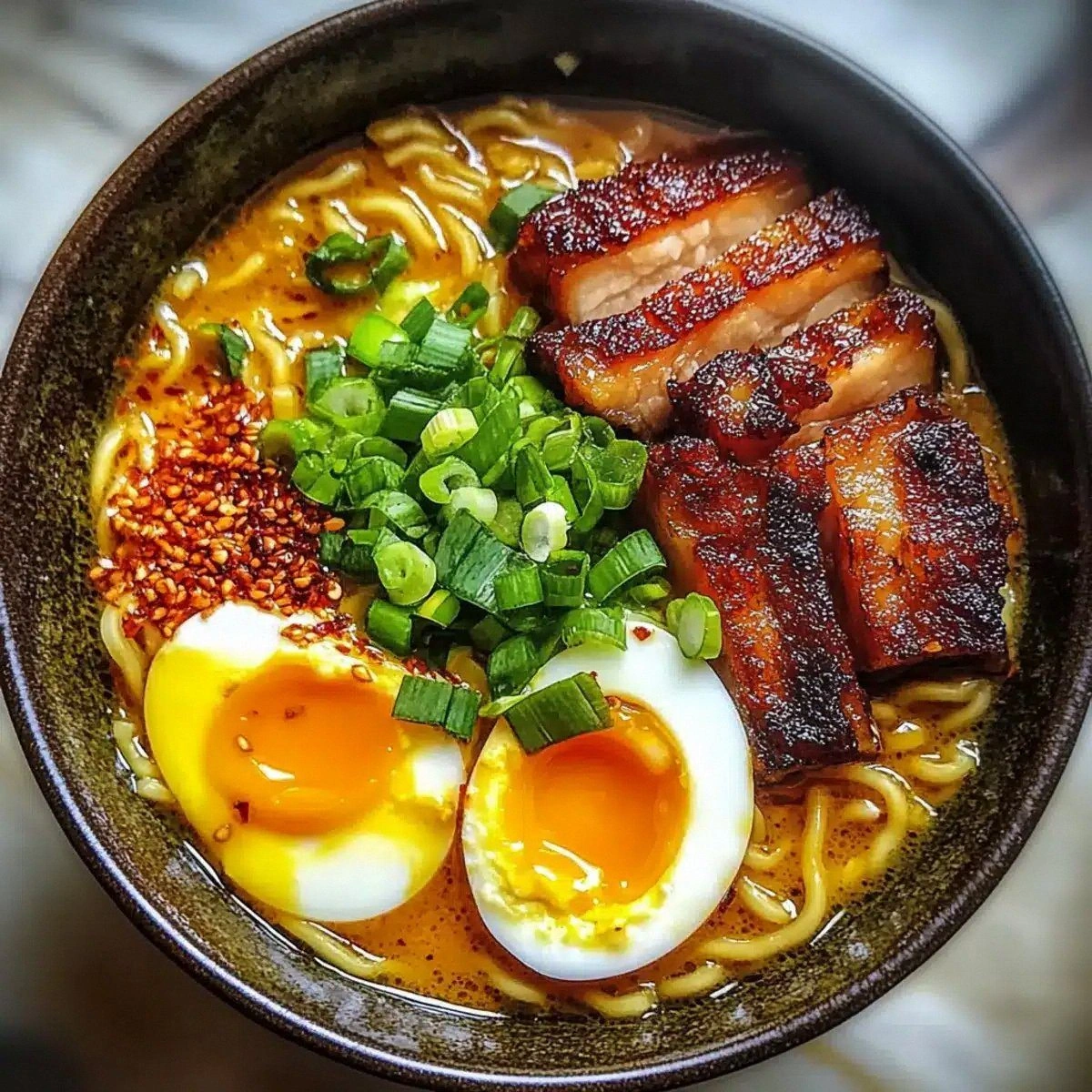
Replace egg noodles with udon or rice noodles, add a splash of soy sauce, a pinch of sesame oil, and top with sliced green onions. The result is a savory, umami‑rich bowl that feels like a bowl of pho.
Vegetarian Delight
Swap the chicken for hearty mushrooms and use vegetable broth. Add diced butternut squash and a handful of spinach for color. The earthy flavors create a comforting, plant‑based alternative.
Spicy Kick
Stir in a tablespoon of sriracha or a pinch of cayenne pepper. A splash of lime juice added just before serving brightens the heat and adds a citrusy finish.
Coconut Creamy Version
Replace half the chicken broth with coconut milk, and add a handful of chopped cilantro. The coconut adds a subtle sweetness that pairs beautifully with the savory broth.
Gluten‑Free Edition
Use gluten‑free pasta or spiralized zucchini noodles. The texture changes slightly, but the broth still coats everything, delivering the same comforting experience.
Quick & Easy
Use pre‑shredded rotisserie chicken, canned diced tomatoes, and frozen mixed vegetables. This version takes under 20 minutes, ideal for a busy weekday dinner.
Storing and Bringing It Back to Life
Fridge Storage
Cool the soup to room temperature, then transfer it to a shallow airtight container. Store in the refrigerator for up to 4 days. The broth will thicken slightly as it cools; reheat gently on the stove, stirring occasionally.
Freezer Friendly
Divide the soup into individual portions and freeze in freezer‑safe containers or zip‑lock bags. It stays fresh for up to 3 months. Thaw overnight in the fridge before reheating.
Best Reheating Method
Reheat on the stove over low heat, adding a splash of water or broth to loosen the consistency. Stir until the soup is heated through and the noodles are soft. A quick microwave reheating works, but be sure to stir midway to avoid hot spots.