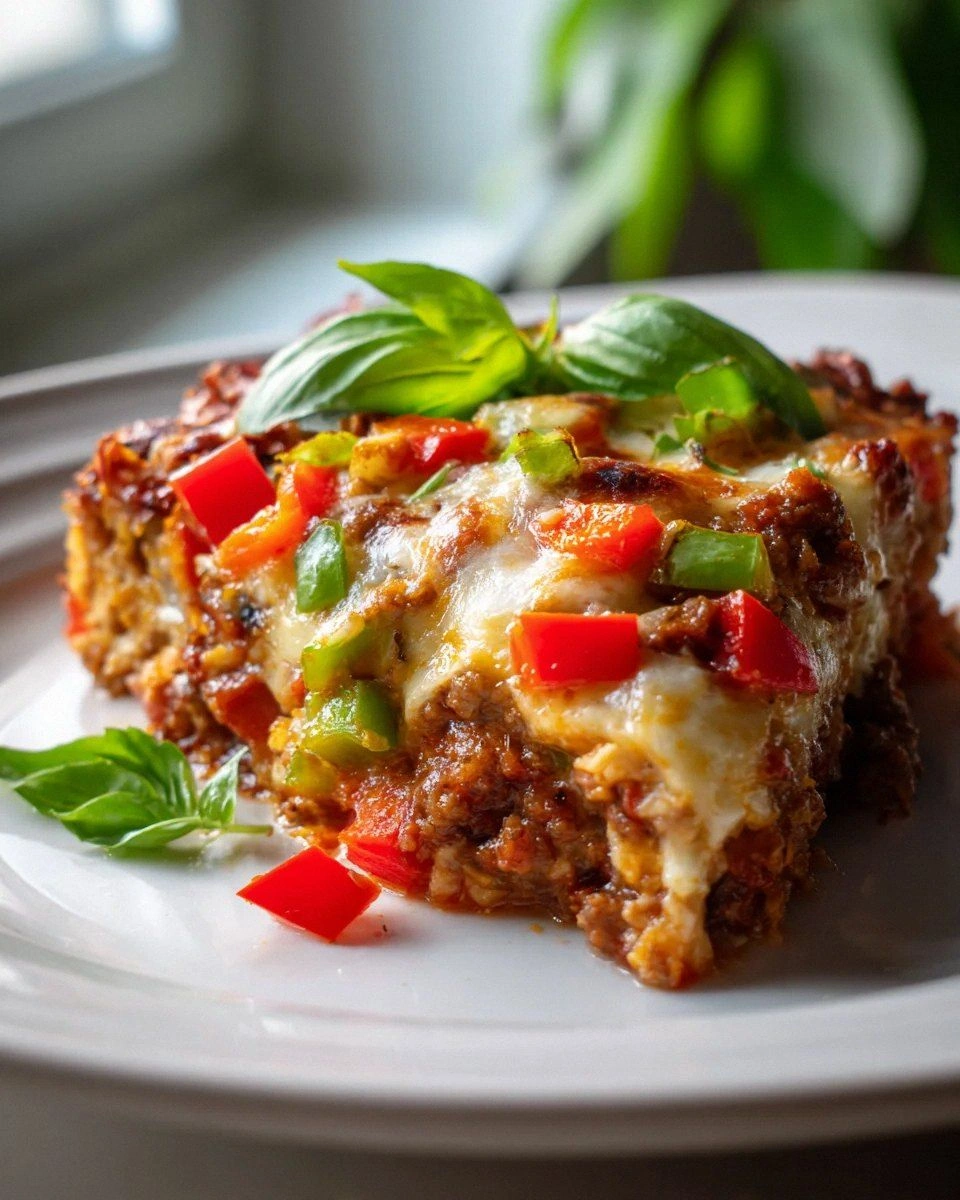
The night I tried to make a quick weeknight dinner, I accidentally set the oven on high while still in the kitchen, and the smell of scorched onions wafted through the apartment. I stared at the charred pot, my heart racing, and thought, “This is not how I wanted to end the evening.” That disaster sparked a mission: to find a soup that could rescue a bad evening, lift the mood, and taste like a comforting hug. I was determined to turn a kitchen mishap into a culinary triumph, and I stumbled onto what I now call the Italian Penicillin Soup.
Imagine a pot simmering with the golden glow of sautéed onions, the faint, earthy perfume of carrots and celery mingling with garlic’s sharp bite. The sound of the broth bubbling like a gentle lullaby, the sight of a whole chicken breast gently browning, and the anticipation of that first spoonful that will melt on your tongue. The texture will be silky, the broth rich, and the pasta will be al dente, each bite a burst of umami and citrus. Feel the warmth spread from your hands to your stomach, the comforting rhythm of a recipe that has been perfected through trial, error, and a lot of love.
What sets this version apart is the meticulous layering of flavors that create a depth rarely seen in a simple soup. It’s not just about cooking; it’s about crafting an experience that feels like a hug in a bowl. The combination of fresh herbs, the subtle heat from red pepper flakes, and a splash of lemon juice that brightens every spoonful gives it that signature Italian punch. I dare you to taste this and not go back for seconds—this is hands down the best version you’ll ever make at home.
If you’ve ever struggled to find the right balance between savory and bright, you’re not alone. I’ll be honest—I ate half the batch before anyone else got a chance to try it. Most recipes get this completely wrong. Here’s what actually works: a slow, low-simmer that lets the chicken release its marrow, a precise timing for the pasta to finish just before the broth thickens, and a finishing touch of lemon and Parmesan that lifts the entire dish. Picture yourself pulling this out of the pot, the whole kitchen smelling incredible, and knowing you’ve mastered a soup that will become a staple. Let me walk you through every single step — by the end, you’ll wonder how you ever made it any other way.
What Makes This Version Stand Out
- Depth of Flavor: The slow simmer of chicken with bay leaves releases a subtle, earthy undertone that grounds the soup. Each ingredient works in harmony, creating a layered taste that feels both comforting and sophisticated. The final splash of lemon cuts through richness, leaving a clean finish that lingers on the palate.
- Texture: The pasta is al dente, offering a satisfying bite against the silky broth. The vegetables soften just enough to blend seamlessly, while the chicken remains tender and juicy. The finished soup feels like a velvety caress with a gentle crunch from fresh parsley.
- Ingredient Quality: Using a whole chicken breast and fresh herbs ensures that every spoonful is packed with natural flavor. The extra virgin olive oil adds a fruity note, and the Parmigiano-Reggiano brings a nutty, salty finish that is unmistakably Italian.
- Simplicity: Despite its complex flavor profile, the recipe requires only basic kitchen tools and a handful of ingredients. No fancy gadgets, no obscure spices—just a few staples that most kitchens already have.
- Make‑Ahead Potential: This soup holds up beautifully in the fridge and even improves the next day, making it perfect for meal prep. The flavors meld, and the pasta absorbs more broth, creating an even richer experience.
- Versatility: Whether you’re feeding a crowd or cooking for one, the soup scales effortlessly. The recipe’s structure allows for easy adjustments, whether you’re adding extra vegetables or swapping in a different protein.
- Audience Appeal: Friends and family rave about the comforting aroma and the bright finish. It’s a crowd‑pleaser that works for both casual dinners and special occasions.
Inside the Ingredient List
The Flavor Base
The foundation of any great soup is its aromatic base. Olive oil is the first to meet the pan, and its fruity notes mingle with the diced onion, carrots, and celery—collectively known as the mirepoix. This trio of vegetables forms a sweet, savory backbone that carries the broth. Without them, the soup would feel flat; they provide the subtle sweetness that balances the richness of the chicken.
Garlic is added next, its aroma rising like a promise of depth. The cloves release their essential oils, giving the soup an unmistakable Italian character. If you’re sensitive to garlic, simply reduce the cloves to two; the flavor will still be present but gentler.
Bay leaves and dried herbs—oregano, thyme, and a pinch of red pepper flakes—are introduced at this stage. These aromatics infuse the broth with herbal complexity and a hint of heat. Removing the bay leaves before serving prevents a bitter bite, while the oregano and thyme lend a Mediterranean feel that makes the soup feel like it’s been simmering for weeks.
The Texture Crew
The chicken breast is the star of the texture crew. Sear it lightly to develop a golden crust, then add it to the simmering broth. As it cooks, the meat releases collagen, thickening the liquid and creating a silky mouthfeel. If you prefer a vegetarian version, substitute the chicken with a hearty root vegetable like parsnip or use a plant‑based protein for a similar bite.
The small pasta, typically a fine elbow or ditalini, is the final textural element. Adding it in the last 8 minutes ensures it remains al dente and doesn’t become mushy. The pasta’s shape captures the broth, turning each bite into a burst of flavor. If you’re watching carbs, swap the pasta for spiralized zucchini or a low‑carb noodle.
Fresh parsley, chopped and added at the end, offers a bright, herbal crunch that contrasts with the soup’s silky base. It’s not just for color; the parsley’s peppery bite revitalizes the palate after the rich broth. A pinch of freshly grated Parmigiano-Reggiano is sprinkled on top of each bowl, adding a nutty, salty finish that completes the dish.
The Unexpected Star
Lemon juice is the unsung hero that ties the soup together. A tablespoon of fresh juice brightens the broth, cutting through the richness and leaving a clean, zesty aftertaste. It also helps to emulsify the fats, giving the soup a slightly thicker, more luxurious consistency. If you’re a fan of a stronger citrus kick, increase the lemon to two tablespoons.
The small amount of fresh parsley and the final flourish of grated cheese might seem minor, but they elevate the dish from simple to memorable. These finishing touches are what make each spoonful feel like a small celebration.
The Final Flourish
Salt and pepper are the seasoning’s backbone. They’re added in small amounts and adjusted to taste, ensuring the soup isn’t overwhelmed by any single flavor. The delicate balance is crucial; too much salt can mask the subtle herbs, while too little will leave the broth flat.
When all the ingredients have melded together, the soup should have a glossy sheen and a fragrant aroma that hints at its complexity. The broth’s body should be thick enough to cling to the pasta but still pourable. This final flourish is where the dish truly shines, and it’s the moment you realize you’ve crafted something special.
Everything's prepped? Good. Let's get into the real action...

The Method — Step by Step
- Heat the olive oil in a large stockpot over medium heat. Once the oil shimmers, add the diced onion, carrots, and celery. Sauté for 5–7 minutes, stirring frequently, until the vegetables soften and develop a light golden hue. This caramelization is key to building a rich base that will carry the rest of the soup.
- Add the minced garlic and cook for an additional 1–2 minutes, just until fragrant. Be careful not to burn the garlic; a quick stir keeps it from turning bitter. The aroma that rises from the pot will start to set the tone for the entire dish.
- Stir in the bay leaves, oregano, thyme, and red pepper flakes. Let them toast for 30 seconds, releasing their essential oils into the oil and vegetables. This step is the moment of truth—if you’re not careful, the spices can become overpowering.
- Pour in the chicken broth and bring the mixture to a gentle boil. Once boiling, reduce the heat to low and add the seared chicken breast. Cover and let the soup simmer for 15 minutes, allowing the chicken to cook through and the flavors to meld. The broth should develop a slightly thicker consistency as the chicken releases collagen.
- Remove the chicken from the pot and shred it finely with two forks. Return the shredded chicken to the pot. This step is crucial—if you leave the chicken whole, the broth will be less evenly flavored.
- Add the pasta to the pot and cook for 7–8 minutes, stirring occasionally. The broth should look slightly thicker and more opaque as the pasta releases starch. Taste the soup at this point; the flavors should be balanced and the broth should be fragrant.
- Stir in the fresh lemon juice, parsley, and a generous handful of freshly grated Parmigiano-Reggiano. The lemon brightens the broth, the parsley adds a fresh herbal note, and the cheese gives a creamy, nutty finish. Taste and adjust salt or pepper as needed.
- Serve the soup hot, ladling it into bowls and topping each with a few extra shreds of cheese and a sprinkle of parsley. The final flourish should look vibrant and inviting, with a glossy sheen on the broth. Let your guests marvel at the aroma and flavor that dance together in every spoonful.
That’s it — you did it. But hold on, I’ve got a few more tricks that will take this to another level.
Insider Tricks for Flawless Results
The Temperature Rule Nobody Follows
Cooking the soup at a steady low heat ensures that the broth stays silky and the chicken remains juicy. If you let the pot boil too vigorously, the broth can become cloudy and the pasta will overcook. Keep the temperature around 180–200°F (82–93°C) for the last 20 minutes of simmering.
Why Your Nose Knows Best
Smell the broth before adding the final ingredients. A broth that smells bright and slightly caramelized indicates that the vegetables have released their sugars. If the aroma is flat, let it simmer a bit longer before proceeding.
The 5-Minute Rest That Changes Everything
After removing the pot from heat, let the soup rest for five minutes before serving. This rest period allows the flavors to settle and the heat to distribute evenly. It also gives the pasta time to absorb some of the broth, creating a richer texture.
The Freshness Factor
Use fresh parsley and lemon juice rather than dried or bottled. Fresh herbs add a bright, green note that dried versions can’t replicate. If you’re out of parsley, a splash of fresh basil can substitute, but the flavor profile will shift slightly.
The Secret to a Silky Broth
If you want an ultra‑smooth broth, strain the soup through a fine-mesh sieve before adding the pasta. This removes any small vegetable pieces and results in a velvety texture that’s perfect for a refined dining experience.
The Parmesan Touch
Grate the cheese right before serving; this keeps it from clumping. A small handful of cheese is enough to coat the broth and give a satisfying salty bite. If you’re lactose intolerant, substitute with a vegan Parmesan alternative.
Creative Twists and Variations
Mediterranean Veggie Boost
Add diced zucchini and roasted red peppers to the mirepoix for a burst of color and flavor. The sweet peppers bring a caramelized note that pairs beautifully with the lemony finish. This variation is perfect for a vegetarian twist.
Spicy Italian Twist
Increase the red pepper flakes to a full teaspoon and add a pinch of cayenne for an extra kick. The heat will contrast the creamy broth, creating a dynamic flavor profile that excites the palate. Serve with a side of crusty bread to soak up the spiced liquid.
Herb Garden Edition
Swap oregano and thyme for fresh basil and rosemary. The basil’s sweet aroma adds a fresh dimension, while rosemary provides a piney undertone. This version feels like a summer garden in a bowl.
Pasta Swap Surprise
Use small shells or even a handful of small rice noodles instead of traditional pasta. The alternative shapes absorb the broth differently, giving each bite a unique texture. This is a great way to experiment with different pasta shapes.
Low‑Carb Comfort
Replace the small pasta with spiralized zucchini or cauliflower rice. The dish remains hearty and satisfying, while cutting carbs dramatically. The vegetables still provide the necessary chew and texture.
Seafood Finale
Swap the chicken for a mix of shrimp and scallops, adding them in the last 3 minutes of simmering. The seafood will cook quickly and infuse the broth with a briny, oceanic flavor. This version is ideal for a quick upscale dinner.
Storing and Bringing It Back to Life
Fridge Storage
Cool the soup to room temperature before transferring it to an airtight container. Store in the refrigerator for up to 4 days. The broth will thicken slightly as it chills; just give it a quick stir before reheating.
Freezer Friendly
Place the soup in a freezer-safe container, leaving a little headspace for expansion. Freeze for up to 3 months. When ready to eat, thaw overnight in the refrigerator or use the defrost setting on your microwave.
Best Reheating Method
Reheat the soup on the stove over low heat, stirring occasionally. Add a splash of water or broth if it appears too thick. The gentle heat preserves the delicate flavors and ensures the pasta remains al dente.