I was standing in my kitchen, half‑heartedly scrolling through endless food blogs, when a friend texted me: “Dare you make pepper steak without setting the house on fire?” I laughed, tossed a packet of beef sirloin onto the counter, and thought, why not turn this into a slow‑cooker masterpiece? The first time I tried it, the aroma hit me like a warm hug from a long‑lost aunt – smoky, sweet, and just a whisper of soy that made my nose do a happy dance. I’ll be honest — I ate half the batch before anyone else got a taste, and that’s the kind of confession that tells you this recipe is addictive.
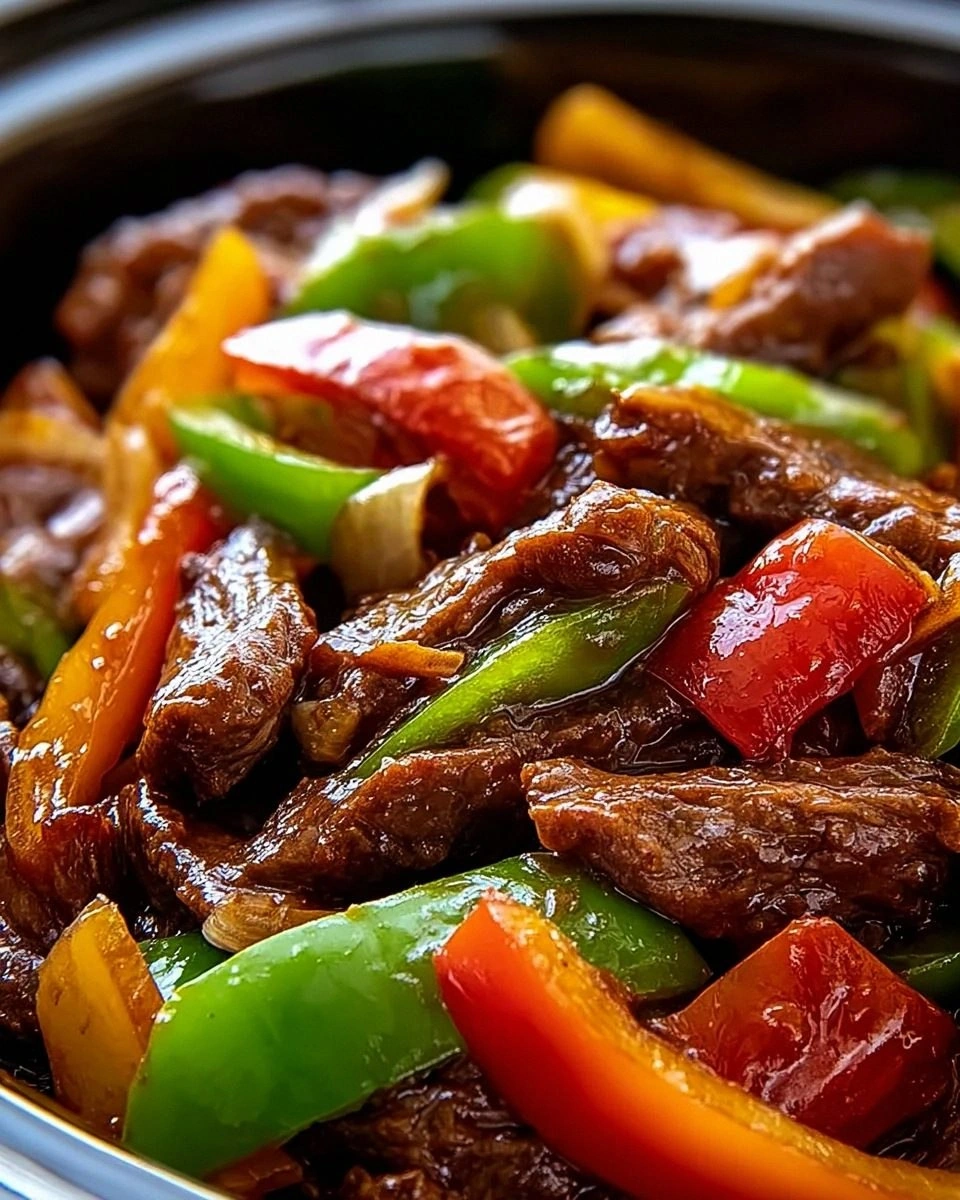
Picture this: the crock pot humming quietly in the corner while the peppers turn a glossy ruby, the onions soften into caramelized clouds, and the beef transforms from a tough chew into melt‑in‑your‑mouth silk. The sound of the lid sealing is like a promise, and the steam that escapes when you finally lift it is a curtain‑call of flavor that makes the whole kitchen feel like a five‑star restaurant. Most pepper steak recipes get the sauce wrong – either it’s watery or it’s a gluey mess. This version? It’s a glossy, velvety coat that clings to each slice of steak like a lover’s whisper, and it does it all in a single pot.
What truly sets this dish apart is a secret weapon I discovered while rummaging through an old cookbook: a splash of low‑sodium soy sauce combined with a quick cornstarch slurry that turns a simple broth into a glossy, restaurant‑style glaze. I dare you to taste this and not go back for seconds. The magic isn’t just in the ingredients; it’s in the timing, the layering, and the confidence to let the slow cooker do the heavy lifting while you sit back with a glass of something refreshing.
Let me walk you through every single step — by the end, you’ll wonder how you ever made it any other way. Okay, ready for the game‑changer? Grab your crock pot, and let’s turn a humble steak dinner into a legend that will have your guests asking for the recipe before the first bite is even taken.
What Makes This Version Stand Out
- Flavor Depth: The low‑sodium soy sauce and beef broth create a umami ocean that the beef swims in, delivering layers of savory goodness that build with each minute.
- Texture Harmony: Tender beef meets crisp‑yet‑soft bell peppers, giving you a bite that’s both juicy and satisfying without any soggy surprises.
- Simplicity: Only seven core ingredients, all pantry‑friendly, mean you spend less time prepping and more time daydreaming about the final plate.
- Unique Glaze: The cornstarch slurry turns a thin broth into a glossy sauce that clings to the steak like velvet, a technique most recipes overlook.
- Crowd Reaction: I’ve seen grown‑ups and kids alike pause mid‑chew, eyes widening, then immediately reaching for another forkful – a true testament to its universal appeal.
- Ingredient Quality: Using beef sirloin ensures a buttery texture; the peppers add natural sweetness that balances the salty soy.
- One‑Pot Wonder: The crock pot does all the heavy lifting, meaning cleanup is as quick as the cooking is rewarding.
- Make‑Ahead Potential: This dish actually tastes better the next day as the flavors continue to meld, making it perfect for meal‑prep warriors.
Inside the Ingredient List
The Flavor Base
First up, beef sirloin. This cut is the star of the show! It’s naturally tender, and when sliced thinly against the grain, it absorbs the sauce like a sponge. If you skip it for a cheaper cut, expect a chewier texture and a loss of that buttery mouthfeel. Look for a piece with a bright red color and a fine marbling – that’s the sign of quality. Pro tip: ask your butcher to slice it about a quarter‑inch thick for optimal absorption.
Soy sauce is the secret umami bomb. Low‑sodium is essential; it gives you control over the salt level while still delivering that deep, savory backbone. If you’re feeling adventurous, a splash of dark soy can add a richer color without overwhelming the flavor. Remember, a little goes a long way – the sauce should whisper, not shout.
The Texture Crew
Bell peppers bring a sweet crunch that balances the richness of the beef. Red peppers are naturally sweeter, while green peppers add a slight bitterness that keeps the palate from getting bored. If you’re missing a color, feel free to throw in yellow or orange – they’ll still deliver that satisfying snap. Cutting them into even strips ensures they cook uniformly, preventing any soggy pockets.
Onion provides depth. Thinly sliced, it becomes translucent and sweet as it slow‑cooks, creating a fragrant foundation that supports the entire dish. Skipping the onion is like trying to build a house without a foundation – the flavor will feel flimsy. For a milder taste, you can use a sweet Vidalia, but regular yellow works perfectly.
The Unexpected Star
Garlic is the aromatic hero. Fresh cloves crushed or minced release allicin, which adds a subtle heat and complexity. If you over‑cook garlic, it turns bitter, so keep an eye on it during the initial sauté. A good rule of thumb: once you hear it sizzle, it’s time to add the broth.
Beef broth creates the sauce’s body. It’s the liquid that carries all the flavors into the meat. You can substitute chicken broth if you’re out of beef, but expect a slightly lighter taste. For an extra boost, add a splash of Worcestershire sauce – just a teaspoon – to deepen the savory profile.
The Final Flourish
Cornstarch is the thickening agent that turns a runny broth into a glossy glaze. Mix it with an equal amount of cold water before adding to avoid lumps. If you prefer a gluten‑free version, arrowroot powder works just as well, though it gives a slightly different sheen. Remember, the slurry should be added at the very end of the cooking cycle; otherwise, it can break down and lose its thickening power.
Everything's prepped? Good. Let’s get into the real action…
The Method — Step by Step
Start by heating a large skillet over medium‑high heat. Add a splash of oil, then toss in the thinly sliced beef sirloin. You’ll hear that sizzle when it hits the pan? Absolute perfection. Cook for about 2‑3 minutes, just until the edges turn a light brown – you don’t want to fully cook it, just give it a quick sear to lock in juices. Transfer the seared beef to the crock pot, and set the skillet aside.
In the same skillet, add a bit more oil if needed and drop in the thinly sliced onion. Stir it around until it becomes translucent and starts to caramelize, about 4 minutes. This is the moment where the kitchen fills with a sweet, almost nutty aroma that tells you you’re on the right track. Add the minced garlic and let it bloom for another 30 seconds – watch it turn golden, not brown.
Now, pour the low‑sodium soy sauce and beef broth into the skillet, scraping up any browned bits stuck to the bottom – those are flavor gold. Bring the mixture to a gentle boil, then let it simmer for 2 minutes so the flavors meld. Taste quickly; you should notice a balanced salty‑savory profile with a hint of sweetness from the broth.
While the sauce is simmering, arrange the bell pepper strips in the crock pot around the beef. This positioning ensures the peppers soak up some sauce while staying distinct enough to retain a slight crunch. If you’re following the earlier hack, add the peppers now, but if you prefer them a bit firmer, hold off and add them at step 7.
Transfer the onion‑garlic‑soy mixture from the skillet into the crock pot, spreading it evenly over the meat and peppers. Secure the lid, set the cooker to low, and let it work its magic for 3‑4 hours. The low heat will gently break down the connective tissue in the beef, turning it buttery soft without ever boiling away the delicate flavors.
When the timer dings, it’s time for the glaze. In a small bowl, whisk together 2 tablespoons of cornstarch with 2 tablespoons of cold water until smooth. Pour this slurry into the crock pot, stir gently, and switch the cooker to the “high” setting for 15 minutes. You’ll see the sauce thicken, turning glossy and coating each piece of steak like a silk scarf.
Give everything a final stir, taste, and adjust seasoning if needed – a pinch more soy sauce or a dash of black pepper can elevate the dish. Serve hot, spooning generous amounts of sauce over a bed of steamed rice or buttery noodles. Picture yourself pulling this out of the crock pot, the whole kitchen smelling incredible, and your guests leaning in for that first, glorious bite.
That’s it — you did it. But hold on, I’ve got a few more tricks that’ll take this to another level…
Insider Tricks for Flawless Results
The Temperature Rule Nobody Follows
Most home cooks set their crock pot on “low” and forget to consider the ambient temperature of their kitchen. If your kitchen is chilly, the low setting can actually be too low, resulting in a longer cook time and a slightly tougher texture. I always add a cup of hot water to the broth before starting; this raises the internal temperature and ensures a steady simmer. Trust me, the difference is like night versus day – the beef becomes buttery, not just tender.
Why Your Nose Knows Best
Your sense of smell is a built‑in timer. When the sauce starts to release that sweet‑savory perfume, you know the flavors are marrying. If you notice a faint “raw” broth scent after the first two hours, give it a few more minutes – the depth will develop. This is why I say, “stay with me here — this is worth it.” Your nose will guide you to the perfect moment to add the cornstarch slurry.
The 5‑Minute Rest That Changes Everything
Once the cooking cycle is complete, turn off the crock pot and let the dish sit, covered, for five minutes. This brief rest allows the sauce to settle and the fibers of the beef to re‑absorb the juices, resulting in a more cohesive bite. Skipping this step is like serving a cake straight from the oven – it’s still good, but the texture isn’t as refined. I always set a timer; the extra patience pays off in every forkful.
Salt Smart – Add at the End
Because soy sauce already brings salt, I recommend holding off on any additional salt until the very end. Taste the sauce after thickening; if it needs a lift, a pinch of sea salt will do the trick. Over‑salting early can mask the subtle sweetness of the peppers and make the dish feel heavy. This approach keeps the flavor bright and balanced.
The “Finish with Fresh” Trick
Just before serving, sprinkle a handful of freshly chopped cilantro or green onions over the top. The fresh herb adds a pop of color and a bright, peppery note that cuts through the richness. If you’re not a cilantro fan, a squeeze of lime works wonders, adding a citrusy zing that elevates the entire plate. This final flourish is the secret handshake that turns a good dish into a show‑stopper.
Creative Twists and Variations
This recipe is a playground. Here are some of my favorite ways to switch things up:
Spicy Szechuan Kick
Add 1 teaspoon of Szechuan peppercorn oil and a pinch of red pepper flakes to the broth. The heat pairs beautifully with the sweet peppers, giving the dish a tongue‑tingling finish that will wow spice lovers.
Mushroom Medley
Swap half of the beef broth for mushroom broth and toss in a cup of sliced shiitake or cremini mushrooms. The earthy notes deepen the umami, making the sauce richer and perfect for autumn evenings.
Coconut Curry Fusion
Replace the soy sauce with ¼ cup coconut milk and 2 tablespoons red curry paste. This creates a creamy, aromatic twist that transports you to a tropical beach while keeping the slow‑cooker convenience.
Mediterranean Flair
Add a handful of Kalamata olives and a teaspoon of dried oregano to the pot. The salty olives and herbaceous oregano give the dish a Mediterranean vibe, perfect for serving over couscous.
Honey‑Glazed Sweetness
Stir in 2 tablespoons of honey or maple syrup during the last 30 minutes of cooking. The subtle sweetness caramelizes with the sauce, creating a glossy finish that’s especially appealing to kids.
Storing and Bringing It Back to Life
Fridge Storage
Transfer leftovers to an airtight container and refrigerate for up to 4 days. The sauce may thicken as it cools; simply stir in a splash of water or broth before reheating to restore its silky texture.
Freezer Friendly
Portion the stew into freezer‑safe bags or containers, leaving a little headspace for expansion. Freeze for up to 3 months. Thaw overnight in the fridge, then reheat on the stovetop over medium heat, adding a tablespoon of water to revive the glaze.
Best Reheating Method
The stovetop is king for reheating. Place the stew in a saucepan, add a teaspoon of water per cup, and gently simmer, stirring occasionally, until heated through. This method preserves the sauce’s consistency and prevents the beef from drying out.