I was standing in my kitchen, staring at a half‑cooked rotisserie chicken that had somehow turned into a culinary crime scene. The smell of over‑cooked skin mixed with the faint perfume of my neighbor’s incense, and I thought, “What the heck am I doing with my life?” That moment of pure kitchen chaos sparked a dare from my roommate: “Make something that will make us forget this disaster ever happened.” I accepted the challenge, and after a few frantic Googles and a lot of improvisation, I stumbled upon the ultimate comfort food that would forever change my relationship with lasagna. This is not your grandma’s lasagna – it’s a white‑sauce masterpiece packed with tender chicken, fresh spinach, and a cheesy, velvety blanket that makes every bite feel like a hug from the inside.
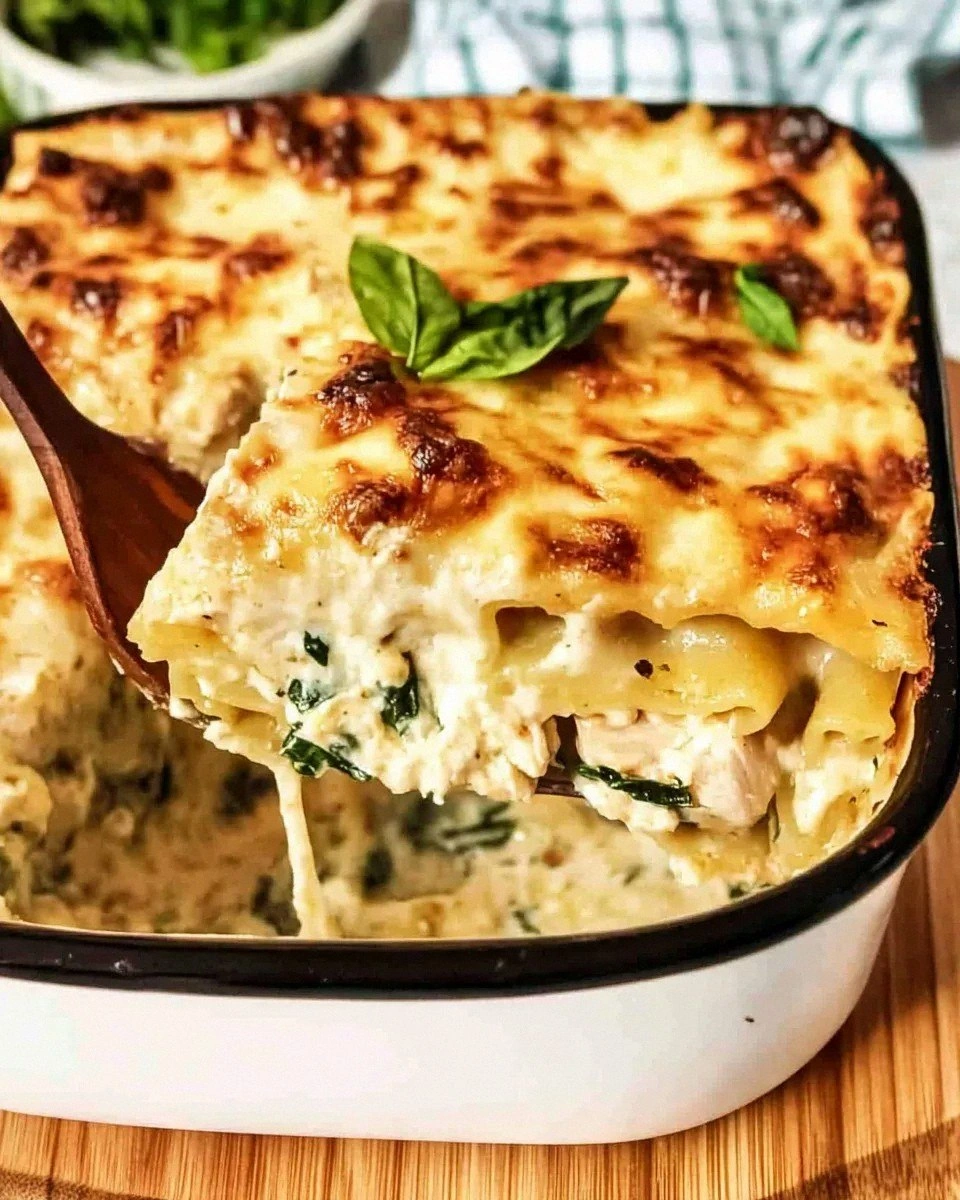
Picture this: the oven door swings open, and a golden‑brown crust cracks open like a sunrise over the Alps, releasing a cloud of steam that carries the aroma of garlic, butter, and melted mozzarella. The first forkful slides off the fork with the smoothness of silk, the sauce coating the pasta sheets like a luxurious velvet drape. You hear the faint sigh of the cheese as it stretches, and you can practically taste the buttery richness melting into the spinach’s earthy bite. The heat of the oven, the buttery aroma, the subtle snap of the lasagna edges – it’s a symphony that hits every sense, and you can’t help but close your eyes and let the flavors do the talking.
Most recipes for chicken spinach lasagna either drown the dish in a watery béchamel or skimp on the chicken, leaving you with a bland, soggy mess. I’ve tried them all, and I’ll be honest — I ate half the batch before anyone else got a chance to try it. The secret? A simple yet game‑changing technique that locks in moisture and builds layers of flavor without any kitchen wizardry. I’m talking about a double‑roux sauce that thickens just enough to cling to every noodle, and a quick sauté of garlic and spices that infuses the chicken with a smoky, paprika‑kissed punch. This version also sneaks in a splash of heavy cream for that luxurious mouthfeel that makes you question everything you thought you knew about white lasagna.
I dare you to taste this and not go back for seconds. By the end of this post, you’ll have a step‑by‑step guide that feels like we’re cooking side by side, a handful of insider tricks that will keep you from ever having a dry lasagna again, and a recipe card that scales the ingredients with a single click. Let me walk you through every single step — by the end, you’ll wonder how you ever made it any other way.
What Makes This Version Stand Out
- Flavor Explosion: The blend of garlic powder, paprika, and Italian seasoning creates a depth that sings louder than any store‑bought sauce could ever dream of.
- Creamy Texture: A double‑roux base combined with heavy cream gives the sauce a silk‑smooth finish that clings to each lasagna sheet like a lover’s embrace.
- Chicken Juiciness: Shredded chicken is tossed in a quick spice sauté, sealing in juices and adding a smoky undertone that elevates the dish.
- Spinach Freshness: Fresh chopped spinach is folded into the sauce at the last minute, preserving its bright green color and subtle earthiness.
- Cheese Symphony: Mozzarella, ricotta, and Parmesan work together to create a layered cheese experience – melty, tangy, and nutty all at once.
- Simplicity Meets Sophistication: Despite its gourmet vibe, the recipe uses pantry staples and a straightforward assembly method.
- Make‑Ahead Magic: Assemble the night before, refrigerate, and bake fresh in the morning for a stress‑free brunch or dinner.
- Crowd‑Pleaser: Even the pickiest eaters can’t resist the creamy, cheesy goodness – it’s practically a guaranteed applause at any dinner table.
Inside the Ingredient List
The Flavor Base
Garlic powder and paprika powder are the unsung heroes that give this lasagna its signature kick. The garlic powder provides a mellow, aromatic backdrop while the paprika adds a subtle smoky warmth that makes the chicken sing. If you’re missing paprika, smoked paprika works even better, adding a deeper, almost BBQ‑like note. Salt and pepper to taste are your final seasoning guards – they bring everything together and prevent any single flavor from dominating.
The Texture Crew
Butter and flour form the classic roux, the foundation of any béchamel. This combination creates a thickening agent that transforms milk into a velvety sauce. Whole milk adds a creamy base without being too heavy, while the heavy cream finishes the sauce with a luxurious richness that feels like liquid gold. If you’re dairy‑intolerant, you can swap whole milk for oat milk and heavy cream for a coconut‑based cream, but expect a slight flavor shift.
The Unexpected Star
Fresh spinach might seem like a side note, but it’s the green that brightens the whole dish. Adding it at the end of the sauce cooking process keeps its color vibrant and its nutrients intact. If you’re in a pinch, frozen spinach works, but be sure to thaw and squeeze out excess water, or you’ll end up with a soggy lasagna. The shredded chicken, already cooked, becomes the protein powerhouse that makes this dish hearty enough for a crowd.
The Final Flourish
Mozzarella, ricotta, and Parmesan are the three musketeers of cheese that bring texture, moisture, and a sharp finish. Mozzarella melts into gooey strings, ricotta adds a creamy pocket, and Parmesan contributes a salty, nutty bite that rounds everything off. If you love extra tang, sprinkle a little extra Parmesan on top before baking. For a lower‑fat option, use part‑skim mozzarella and reduce the heavy cream by half, adding a splash of low‑fat milk to keep the sauce silky.
Everything's prepped? Good. Let's get into the real action...
The Method — Step by Step
Preheat your oven to 375°F (190°C). While the oven warms up, bring a large pot of salted water to a boil. Drop the lasagna sheets in, cooking them just until al dente—about 6‑7 minutes. Drain, rinse under cold water, and lay them flat on a clean kitchen towel to prevent sticking. This step ensures the noodles stay separate and won’t turn into a mushy clump later.
In a large skillet over medium heat, melt the unsalted butter. Add the minced garlic and let it sizzle for about 30 seconds—watch that golden aroma, it’s pure perfection. Sprinkle the flour over the butter, stirring constantly to form a smooth roux. Cook the roux for 2‑3 minutes, letting it turn a light golden hue; this removes the raw flour taste and builds the sauce’s body.
Slowly whisk in the whole milk, a little at a time, making sure each addition is fully incorporated before the next. The mixture will thicken quickly; keep stirring until it reaches a smooth, velvety consistency that coats the back of a spoon. Once the béchamel is silky, stir in the heavy cream, garlic powder, paprika powder, Italian seasoning, and a pinch of salt and pepper. Let the sauce simmer for 3‑4 minutes, allowing the flavors to meld and the sauce to become glossy.
Add the shredded chicken to the sauce, tossing it gently so each strand is coated in the aromatic mixture. Sprinkle the chopped spinach over the top, letting the residual heat wilt it just enough to retain its bright color. Taste the sauce and adjust seasoning if needed—this is where you truly own the flavor. If the sauce feels too thick, add a splash of milk; if too thin, let it reduce a minute longer.
In a separate bowl, combine ricotta cheese with half of the Parmesan and a generous pinch of salt and pepper. This ricotta mixture will act as a creamy barrier between layers, preventing the noodles from soaking up too much sauce. Mix until smooth; if you like a hint of herb, stir in a teaspoon of fresh chopped basil.
Now it’s assembly time. Spread a thin layer of the chicken‑spinach sauce on the bottom of a 9×13‑inch baking dish. Lay down a single layer of lasagna sheets, slightly overlapping them. Spoon half of the ricotta mixture over the noodles, spreading it evenly. Sprinkle a third of the shredded mozzarella on top. Repeat the process: sauce, noodles, ricotta, mozzarella. Finish with a final layer of noodles, the remaining sauce, and the rest of the mozzarella. Top everything with the remaining Parmesan for that golden crust.
Cover the dish tightly with aluminum foil and bake for 25 minutes. The foil traps steam, ensuring the noodles finish cooking and the sauce stays luscious. After 25 minutes, remove the foil and bake an additional 10‑15 minutes, or until the cheese on top is bubbling and turning a deep, caramelized gold. The edges will start pulling away from the pan, a visual cue that the lasagna is ready for its grand entrance.
Let the lasagna rest for at least 10 minutes before cutting. This resting period lets the layers set, making each slice hold its shape without sliding apart. While you wait, the kitchen will fill with an aroma that practically begs for a second helping. Grab a serving spoon, dig in, and watch the cheese stretch like a well‑rehearsed dance routine. And now the fun part – savor every bite and tell me if you didn’t go back for seconds.
That's it — you did it. But hold on, I've got a few more tricks that'll take this to another level...
Insider Tricks for Flawless Results
The Temperature Rule Nobody Follows
Never bake a lasagna at a temperature higher than 375°F. Higher heat creates a rapid rise in steam, which can cause the sauce to separate and the cheese to brown too quickly, leaving the interior undercooked. By keeping the oven at a moderate temperature, you give the noodles time to absorb the sauce fully, resulting in a cohesive, creamy bite. I once tried 425°F because I was in a hurry, and the result was a burnt top with a soupy middle – a lesson learned the hard way.
Why Your Nose Knows Best
Your sense of smell is a secret weapon in the kitchen. When the sauce starts to thicken, you’ll notice a nutty, buttery scent rising from the pan – that’s the cue that the roux has reached the perfect stage. If you smell a faint burnt note, lower the heat immediately; a burnt roux can ruin the entire sauce. Trust your nose more than the timer, and you’ll consistently achieve that velvety texture.
The 5‑Minute Rest That Changes Everything
After the lasagna emerges from the oven, resist the urge to dive right in. Letting it rest for 5‑10 minutes allows the sauce to thicken further and the layers to set. This short pause transforms a potentially messy slice into a clean, picture‑perfect piece that holds its shape on the plate. I once served a lasagna straight out of the oven at a dinner party; the sauce sloshed everywhere, and I felt like I’d failed. A brief rest saves you from that embarrassment.
Cheese Layering Secrets
Mixing mozzarella with a bit of grated Parmesan before sprinkling it on top creates a more complex flavor profile. The Parmesan adds a salty bite that balances the mild mozzarella, while also helping the top crust achieve that coveted crunchy edge. If you love extra crunch, toss a handful of panko breadcrumbs with a drizzle of melted butter and scatter it over the cheese before the final bake.
Spinach Timing Trick
Add the spinach at the very end of the sauce simmering stage, just before you fold in the chicken. This timing prevents the spinach from over‑cooking, preserving its bright color and fresh taste. Over‑cooked spinach releases water, which can thin the sauce and make the lasagna soggy. A quick toss for 30 seconds is all you need to wilt it just enough.
Creative Twists and Variations
This recipe is a playground. Here are some of my favorite ways to switch things up:
Mushroom Medley
Swap half of the chicken for a mix of sautéed cremini, shiitake, and button mushrooms. The umami depth adds an earthy richness that pairs beautifully with the creamy sauce. This variation is perfect for vegetarians who still crave protein from the cheese and ricotta.
Sun‑Dried Tomato Burst
Chop a handful of sun‑dried tomatoes and stir them into the sauce for a tangy, slightly sweet pop. The bright red specks contrast the green spinach, creating a visual and flavor fireworks display. Pair with a crisp white wine for an elevated dinner experience.
Spicy Kick
Add a pinch of red pepper flakes to the roux and a dash of hot sauce to the chicken mixture. The heat weaves through the creamy layers, offering a pleasant surprise that wakes up the palate. Serve with a cooling cucumber salad to balance the spice.
Herbaceous Delight
Fold in fresh chopped basil, oregano, and thyme into the ricotta mixture. The herb infusion adds a garden‑fresh aroma that lifts the whole dish. This version works wonderfully in the summer when herbs are at their peak.
Gluten‑Free Goodness
Replace traditional lasagna sheets with gluten‑free pasta sheets or even thinly sliced zucchini. The zucchini adds a subtle vegetal sweetness and reduces the carb count. Just be sure to salt the zucchini slices and let them sit for 10 minutes to draw out excess moisture before layering.
Storing and Bringing It Back to Life
Fridge Storage
Allow the lasagna to cool to room temperature, then cover tightly with plastic wrap or aluminum foil. It will keep fresh for up to 4 days in the refrigerator. When you’re ready to eat, reheat a slice in the microwave for 2‑3 minutes, or place the whole dish in a 350°F oven for 20 minutes, covered, then uncover for the last 5 minutes to re‑crisp the cheese.
Freezer Friendly
Wrap the cooled, unbaked lasagna tightly in a double layer of foil, then place it in a freezer‑safe bag. It freezes beautifully for up to 3 months. To bake from frozen, add an extra 15‑20 minutes to the cooking time and cover with foil for the first half to ensure even heating.
Best Reheating Method
For the crispiest top, reheat a slice in a hot skillet with a splash of water and a lid for 5 minutes; the steam revives the sauce while the bottom crisps up. Alternatively, the oven method (350°F, covered with foil, then uncovered) restores the original texture without drying out the interior. Adding a tiny splash of water before reheating creates steam that brings the sauce back to its original silkiness.