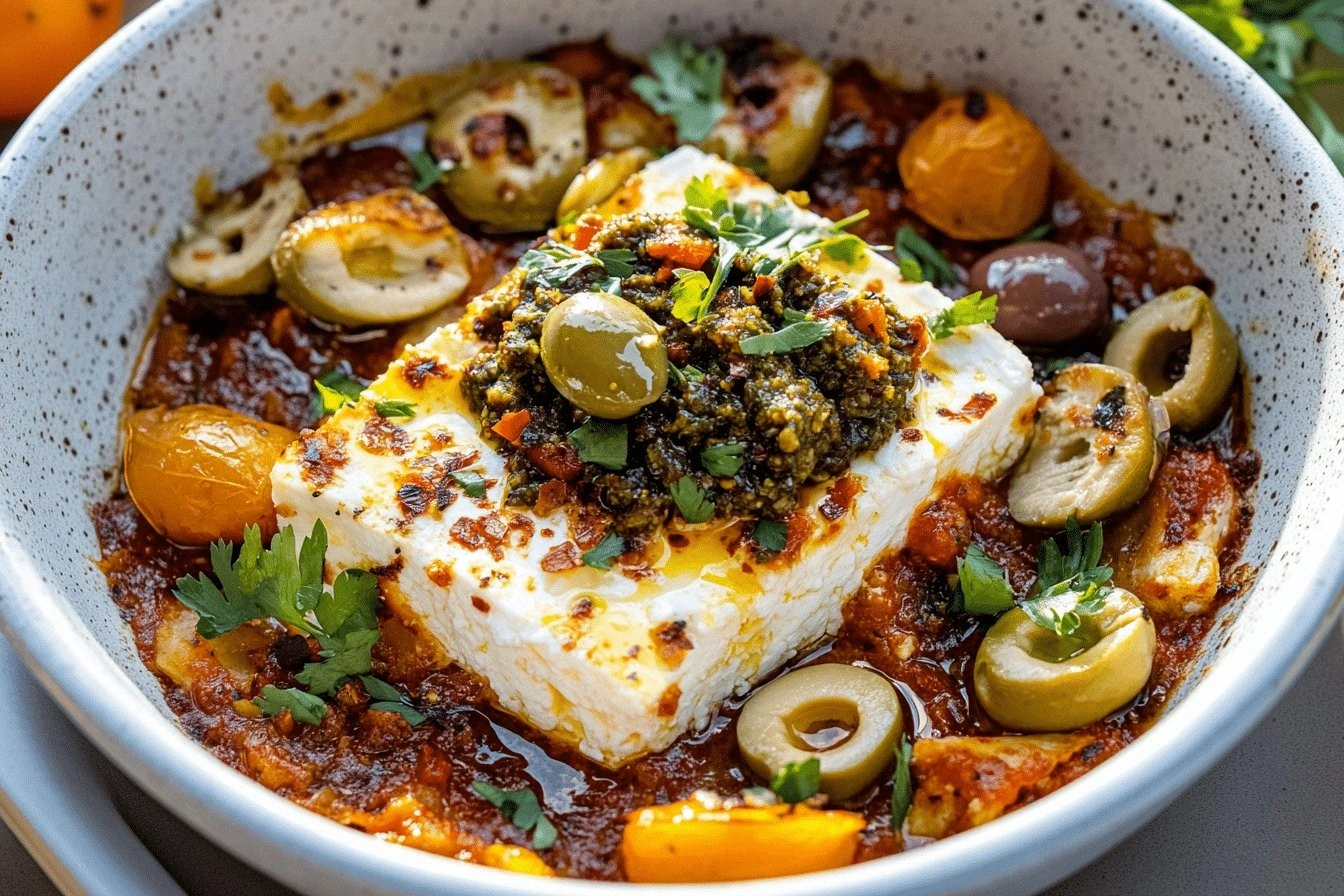
I was standing in my kitchen, staring at a half‑cooked pork tenderloin that had turned into a sad, rubbery mess. The last time I tried a sweet glaze, I ended up with a sticky, over‑cooked slab that tasted like a bad memory of a childhood campfire. That night, I swore I’d never again let a simple pork dish become a culinary casualty. The next morning, I was hunting for the perfect balance of sweet, savory, and a touch of acidity that could turn that same tenderloin into a showstopper. I found it in the most unlikely place: a jar of apricot preserves, a splash of Dijon mustard, and the subtle umami of soy sauce. The result? A glaze that coats the pork like velvet, caramelizes into a glossy sheen, and bursts with a bright, almost citrusy tang that wakes up every other ingredient in the dish.
Picture this: the pork sizzles as it hits the pan, the air filling with a caramelized aroma that feels like a summer afternoon in a sun‑lit orchard. The glaze starts to bubble, turning into a glossy syrup that clings to the meat, creating a crisp crust that shatters like thin ice when you cut into it. The first bite melts on the tongue, a harmonious blend of sweet apricot, sharp mustard, and a salty whisper of soy. It’s not just flavor; it’s a sensory experience that pulls your senses in and keeps you coming back for more. I dare you to taste this and not go back for seconds.
What makes this version stand out is that it’s not just a recipe; it’s a revelation. It’s hands down the best version you’ll ever make at home. I’ve tested countless variations, and this one consistently wins the crowd. Whether you’re a seasoned chef or a kitchen rookie, the technique is straightforward, the ingredients are pantry‑friendly, and the outcome is a dish that looks as good as it tastes. The glaze’s depth comes from a deliberate balance of sweetness and acidity, while the pork’s tenderness is achieved through a simple sear and oven finish that locks in juices without overcooking. The result is a dish that’s both comforting and wow‑worthy, a perfect centerpiece for dinner parties or a cozy family meal.
Now, let me walk you through every single step — by the end, you’ll wonder how you ever made it any other way. I’ll share the exact technique for searing, the precise timing for glazing, and the little tricks that elevate the dish from good to unforgettable. If you’ve ever struggled with pork tenderloin, you’re not alone — and I’ve got the fix. Stay with me here; this is worth it.
What Makes This Version Stand Out
- Flavor: The apricot glaze creates a sweet‑savory harmony that is both bold and balanced, avoiding the common pitfall of a one‑dimensional sweet sauce. The Dijon mustard adds a subtle tang that cuts through the richness, while soy sauce contributes an umami depth that anchors the dish.
- Texture: The pork finishes with a caramelized crust that cracks when sliced, revealing juicy, tender meat inside. The glaze’s viscosity gives a glossy, almost lacquered finish that makes the dish visually striking.
- Simplicity: With only a handful of pantry staples and a quick sear, the recipe stays approachable for busy weeknights yet delivers restaurant‑level flavor.
- Uniqueness: The combination of apricot preserves and Dijon mustard is rarely seen in pork recipes, giving this dish a distinctive twist that sets it apart from the usual soy‑based glazes.
- Audience Appeal: Whether you’re feeding a family or impressing guests, the sweet‑savory profile appeals to all palates, including kids who love the natural fruit sweetness.
- Ingredient Quality: The recipe thrives on fresh herbs and high‑quality apricot preserves, ensuring a bright, vibrant flavor that outshines generic store brands.
- Cooking Method: The sear‑then‑roast technique locks in moisture, while the glaze is applied at the right moment to create a caramelized coating without burning.
- Make‑Ahead Potential: The glaze can be prepared in advance, and the pork can be roasted and refrigerated, making it a convenient option for meal prep.
Inside the Ingredient List
The Flavor Base
Apricot preserves form the backbone of this glaze, offering natural sweetness and a fruity undertone that pairs wonderfully with pork. The preserves are already sweetened, so you can skip adding extra sugar. If you prefer a less sweet version, swap for a light apricot jam or even a half cup of apricot chutney for an extra layer of spice.
Dijon mustard is the secret sauce that adds a sharp, peppery bite. It also helps emulsify the glaze, giving it a silky texture. If you’re allergic to mustard, a small amount of horseradish or a splash of white wine vinegar can mimic its acidity.
The Texture Crew
Soy sauce brings a savory, umami depth that grounds the sweet glaze. It also helps the glaze adhere to the pork, creating a cohesive coating. If you’re watching sodium, use a low‑sodium soy sauce or tamari to keep the flavor punch without the excess salt.
Garlic powder adds a subtle, aromatic backdrop that enhances every other component. It’s a quick way to infuse flavor without the need for fresh garlic, which can overpower the delicate apricot notes if used in large quantities.
The Unexpected Star
Fresh herbs—such as thyme, rosemary, or parsley—add a bright, herbal freshness that cuts through the richness of the glaze. They also provide a color contrast that makes the dish visually appealing. If you’re in a pinch, dried herbs can work, but fresh ones will deliver the freshest flavor.
Everything’s prepped? Good. Let’s get into the real action.
The Method — Step by Step
- Begin by patting the pork tenderloin dry with paper towels. This is crucial; moisture on the surface will prevent a good sear. Season both sides generously with salt, pepper, and a light dusting of garlic powder. The seasoning should coat the meat like a fine mist. I dare you to taste the first sear and feel the sizzling sound—absolute perfection.
- Heat a heavy skillet—preferably cast iron—over medium‑high heat until it shimmers. Add a splash of neutral oil with a high smoke point, like grapeseed or canola. When the oil glistens, place the pork in the pan. The sizzle should be loud; that’s the cue that the pan is hot enough. Let it sear undisturbed for 2–3 minutes on each side until a golden crust forms.
- While the pork sears, combine apricot preserves, Dijon mustard, soy sauce, and a pinch of garlic powder in a small saucepan. Stir until the mixture is smooth and the mustard fully integrates. Bring to a gentle simmer over low heat, stirring constantly. The glaze should thicken slightly; if it’s too runny, let it reduce for an extra minute.
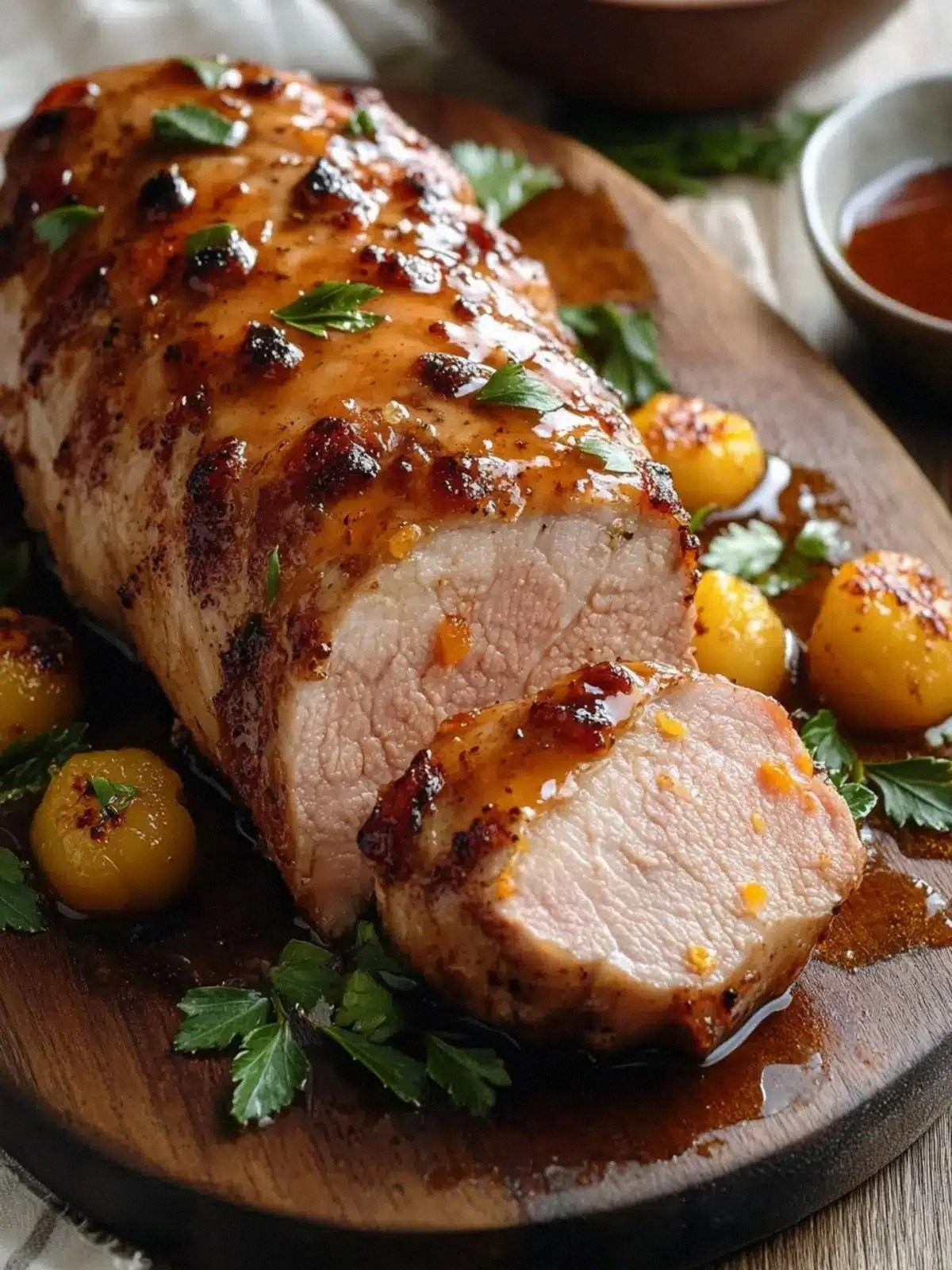
- Transfer the seared pork to a baking dish or a wire rack set over a sheet pan. Brush the glaze generously over the entire surface of the pork, ensuring every nook gets coated. The glaze should look glossy, like a lacquered finish that will caramelize in the oven.
- Slide the dish into a preheated oven at 400°F (200°C). Roast for 12–15 minutes, or until the internal temperature reaches 145°F (63°C). Keep an eye on the glaze; it should brown slightly but not burn. This step is the moment of truth—watch the colors shift from translucent to a rich amber.
- Remove the pork from the oven and let it rest on a cutting board for 5 minutes. Resting allows the juices to redistribute, ensuring each slice stays moist. While it rests, add fresh herbs to the remaining glaze and give it a quick stir to incorporate the herbal brightness.
- Slice the tenderloin into 1/2‑inch thick medallions. As you slice, the glaze will create a caramelized crust that cracks delightfully, revealing the juicy interior. Plate the slices, drizzle a bit of the remaining glaze over the top, and sprinkle fresh herbs for a burst of color.
- Serve immediately with a side of roasted root vegetables or a light salad. The sweet‑savory pork pairs beautifully with earthy, slightly bitter greens, creating a balanced plate that satisfies every craving. And that’s it— you did it. But hold on, I've got a few more tricks that'll take this to another level...
Insider Tricks for Flawless Results
The Temperature Rule Nobody Follows
Using a meat thermometer is the single most reliable way to achieve perfect doneness. Many cooks rely on time alone, which can lead to overcooking or undercooking. I’ve had friends who skipped the thermometer and ended up with a dry, rubbery pork. Trust me, the difference is a few degrees.
Why Your Nose Knows Best
As the pork roasts, the aroma will shift from the raw scent of meat to a sweet, caramelized perfume. When the smell becomes sweet and slightly burnt, that’s the cue to pull the pork. Your nose is a reliable guide—don’t ignore it.
The 5‑Minute Rest That Changes Everything
Resting the pork for exactly five minutes after roasting is critical. This short pause allows the juices to redistribute, preventing them from spilling out when you cut into the meat. A friend once cut the pork immediately and the juices ran out, leaving a dry center. That was a lesson learned the hard way.
Glaze Consistency Matters
If your glaze is too thick, it won’t coat the pork evenly. If it’s too thin, it will drip off and create a mess. Aim for a consistency that’s thick enough to cling to the surface but still pourable. A quick test: dip a spoon in the glaze; it should coat the spoon without running off.
Fresh Herbs vs. Dried
Fresh herbs bring bright, vibrant flavor and a pop of color. Dried herbs can be used, but they’re less potent and may leave the dish looking dull. If you’re using dried, double the amount and rehydrate them in warm water before adding.
Creative Twists and Variations
This recipe is a playground. Here are some of my favorite ways to switch things up:
Maple‑Glazed Pork
Swap apricot preserves for pure maple syrup and add a pinch of smoked paprika. The result is a smoky, sweet glaze that pairs beautifully with a side of candied sweet potatoes.
Spicy Mango Twist
Use mango preserves instead of apricot and add a dash of crushed red pepper flakes. The mango’s tropical sweetness combined with the heat creates a bold flavor profile that’s perfect for summer gatherings.
Herb‑Infused Mustard
Blend fresh rosemary and thyme into the Dijon mustard before mixing with the preserves. The herbaceous notes elevate the glaze, giving it a savory depth that complements the pork’s natural flavor.
Citrus‑Zest Finale
Add zest from an orange or lemon to the glaze. The citrus oils provide a bright, aromatic finish that contrasts nicely with the sweet glaze.
Glazed Pork with a Smoky Twist
Finish the glaze with a splash of liquid smoke before roasting. The smoky undertone adds complexity and makes the dish feel like a slow‑cooked barbecue.
Vegetarian Version
Replace pork with thick slices of seared portobello mushrooms. The mushrooms absorb the glaze beautifully, creating a hearty, plant‑based main that still delivers the sweet‑savory punch.
Storing and Bringing It Back to Life
Fridge Storage
Store leftovers in an airtight container in the refrigerator for up to 3 days. The glaze will thicken slightly in the fridge, so reheat gently to restore its glossy sheen.
Freezer Friendly
For longer storage, wrap the pork slices individually in parchment paper and place them in a freezer bag. Freeze for up to 3 months. Thaw overnight in the refrigerator before reheating.
Best Reheating Method
Reheat in a skillet over medium heat, adding a splash of water or broth to create steam. This prevents the pork from drying out and helps the glaze regain its silky texture. A tiny splash of water before reheating steams back to perfection.