I was in the middle of a late‑night binge‑watch session, craving something that could turn my kitchen into a Mediterranean escape, when the kitchen lights flickered and the stove alarm screamed a reminder that I’d forgotten to preheat the pot. I stared at the empty pan, a little embarrassed, then decided to turn that moment into a culinary adventure. The scent of simmering onions already began to tease my senses, and the sound of garlic sizzling in olive oil felt like a promise of something delicious. That instant, I realized I was about to create a seafood stew that would outshine every other version I’d tried. I’m telling you, this is hands down the best version you'll ever make at home, and I’m about to walk you through every single step — by the end, you’ll wonder how you ever made it any other way.
Picture yourself pulling this out of the pot, the whole kitchen smelling incredible, steam curling like a savory cloud. I dare you to taste this and not go back for seconds; the umami depth will have you reaching for the next spoon. I’ll be honest — I ate half the batch before anyone else got to try it, and the rest was a testament to how addictive a well‑balanced stew can be. Most recipes get this completely wrong, using too much salt or too little heat, but here we strike the perfect balance of seasoning and spice. If you've ever struggled with a seafood dish that feels either too watery or too thick, you’re not alone — and I've got the fix. Stay with me here — this is worth it.
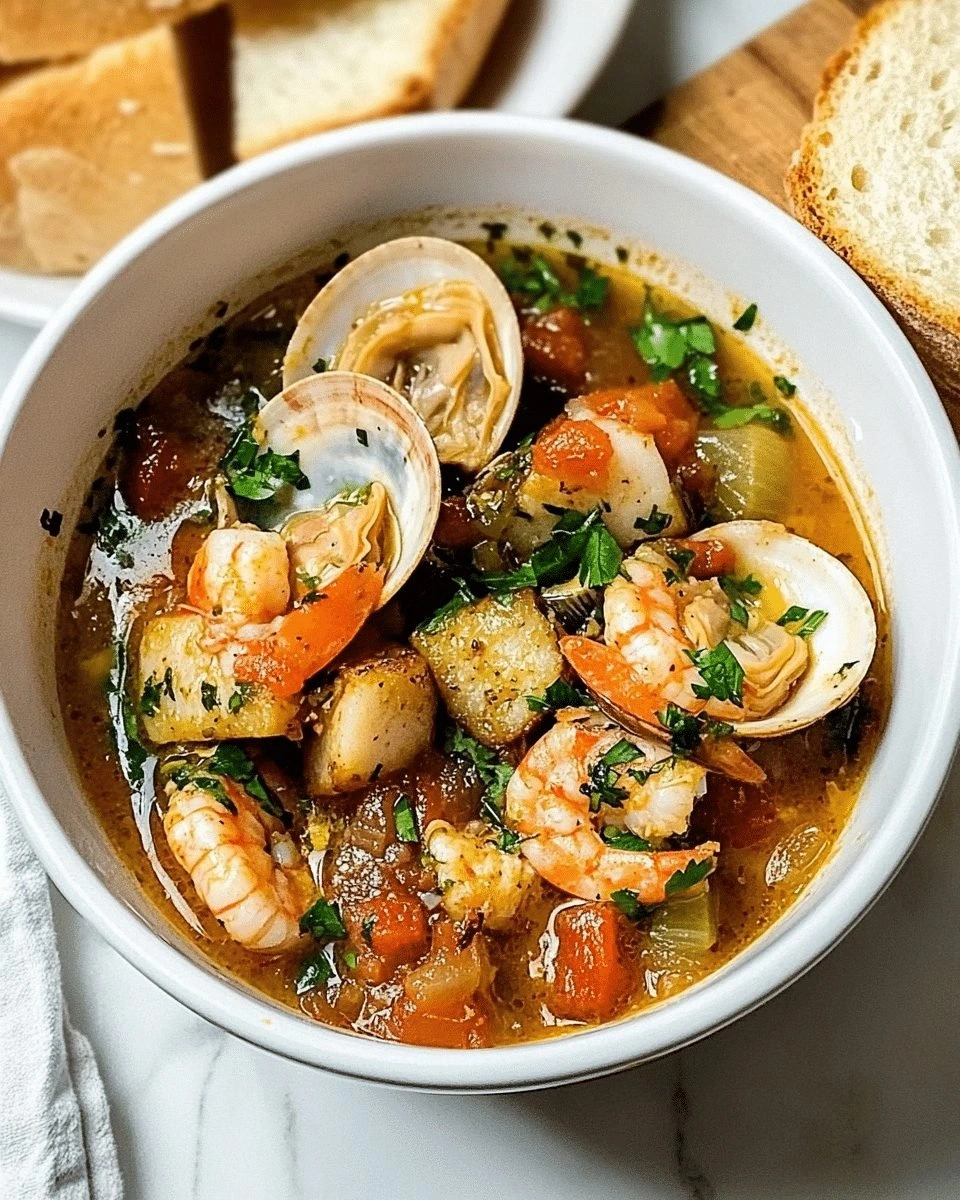
The moment the tomatoes start to soften, you’ll hear a gentle pop, signaling the sauce is building flavor. I can almost hear the gentle hiss of the broth, the clack of a wooden spoon against the pot, and the faint crackle of the stove flame. The visual cue is a golden amber hue that spreads across the surface, like a sunrise over the sea. The texture is silky, with each bite carrying a burst of briny fish and a subtle sweetness from the tomatoes. The final aroma, a blend of garlic, thyme, and citrus, will make you want to close your eyes and savor the moment.
What makes this stew stand out is the meticulous layering of flavors, the freshness of the seafood, and the simple yet powerful techniques that elevate the dish. I’m going to show you how to make a stew that feels like a gourmet meal but is completely doable in your home kitchen. This isn’t about fancy ingredients; it’s about smart choices, timing, and a few kitchen hacks that will save you time and frustration. Let’s dive into the details that will transform your cooking routine and leave your guests begging for the recipe.
What Makes This Version Stand Out
- Flavor Depth: The combination of smoked paprika, thyme, and a splash of white wine creates a layered, complex profile that feels restaurant‑grade. The slow reduction of aromatics allows each herb to mellow and release its full aroma.
- Texture Contrast: The mix of firm white fish, tender scallops, and chewy mussels provides a delightful play of textures that keeps each bite exciting. The broth’s slight thickness keeps the seafood suspended, preventing it from floating away.
- Freshness Factor: Using only fresh, local seafood ensures the natural brininess isn’t masked by artificial additives. The quick cooking preserves the delicate flavors of each shellfish.
- Ease of Prep: The recipe requires no complicated steps or obscure ingredients, making it accessible for beginners while still satisfying seasoned cooks.
- Make‑Ahead Potential: This stew actually tastes better the next day, allowing you to prepare it in advance for a busy weeknight or a weekend gathering.
- Crowd‑Pleaser: The savory broth, combined with a touch of citrus, is universally appealing and can be paired with crusty bread or a side of rice.
Inside the Ingredient List
The Flavor Base
The foundation of this stew starts with a medley of aromatics: onion, garlic, carrot, and celery. These vegetables, when sautéed in olive oil, release their natural sugars, creating a sweet, savory base that supports the briny seafood. Skipping any of these will result in a flat, one‑dimensional broth. If you’re short on time, a pre‑made mirepoix works, but the fresh cut gives a richer flavor.
The tomatoes add a bright acidity that balances the richness of the fish. Their natural sugars caramelize slightly, giving the broth a gentle sweetness that cuts through the saltiness of the mussels and clams. If you prefer a smoother texture, blend the tomatoes before adding them to the pot. Fresh, vine‑ripe tomatoes are ideal; canned can work in a pinch but lack the depth of fresh fruit.
White wine is the secret to deglazing the pot, lifting the browned bits that carry flavor. It also adds a subtle fruity note that complements the seafood. Use a dry, medium‑body white wine; avoid sweet or fortified varieties as they will alter the stew’s balance.
The Texture Crew
The seafood is the star of the show, and each type brings a unique bite. Shrimp offers a sweet, firm bite that holds up well in the broth. Mussels and clams, when cooked just right, release a briny liquid that enriches the sauce.
Scallops add a delicate, almost buttery texture that contrasts with the firmer fish cubes. Their quick cook time means you add them last to avoid overcooking. The white fish, typically cod or halibut, provides a neutral canvas that absorbs the broth’s flavors without overpowering them.
If you’re looking for a vegetarian alternative, replace the seafood with a mix of firm tofu and sautéed mushrooms. The tofu will soak up the broth, while the mushrooms provide umami depth. This swap retains the stew’s hearty character while keeping it plant‑based.
The Unexpected Star
Butter, added at the end, gives the stew a glossy sheen and a silky mouthfeel. It also helps mellow the acidity of the tomatoes, creating a more rounded flavor profile. A tablespoon is enough; too much will make the broth greasy.
Fresh parsley not only adds color but also a bright herbal note that lifts the dish. Chop the parsley finely so it disperses evenly throughout the stew. If you’re allergic to parsley, a small amount of cilantro can provide a similar fresh lift.
A squeeze of lemon juice brightens the entire stew, cutting through the richness and adding a citrusy zing. The acidity also helps tenderize the seafood, preventing it from becoming rubbery. Add it at the very end to preserve its bright flavor.
The Final Flourish
Olive oil is the base for sautéing, providing a subtle fruity flavor that complements the seafood. Use a high‑quality extra‑virgin olive oil for the best taste. A tablespoon goes a long way in enhancing the aroma and texture of the dish.
Salt and pepper are the unsung heroes that bring everything together. Season to taste, but remember that the mussels and clams will release some salt as they cook. A pinch of pepper adds a gentle heat that balances the sweetness of the shrimp.
Everything's prepped? Good. Let's get into the real action...
The Method — Step by Step
- Heat a large stockpot over medium heat and add 2 tablespoons of olive oil. Once the oil shimmers, add the chopped onion, carrot, and celery. Sauté for 5–7 minutes until the vegetables soften and start to caramelize, releasing their natural sugars. The aroma should be sweet and slightly nutty.
- Add the minced garlic and cook for 30 seconds, watching it not to burn. The garlic should become fragrant and translucent, indicating it's ready. Stir constantly to avoid scorching. This step builds the base for the stew’s flavor.
- Introduce the diced tomatoes and a pinch of salt. Stir until the tomatoes break down into a thick sauce. This is the moment of truth; the broth should have a vibrant red hue. Keep the heat moderate to allow the tomatoes to reduce without scorching.
- Deglaze the pot with 1 cup of dry white wine, scraping up any browned bits. The wine should reduce by half, concentrating its flavor. This step adds depth and complexity to the broth. Let it simmer for 5 minutes.
- Add the fish stock, bay leaf, smoked paprika, and thyme. Bring the mixture to a gentle boil, then reduce to a simmer. The broth should be fragrant and aromatic, with a hint of citrus from the spices. This simmering stage is where the flavors meld.
- Introduce the shrimp, mussels, clams, scallops, and fish cubes, stirring gently to distribute. Cover the pot and let the stew cook for 8–10 minutes, or until the shellfish open and the fish is opaque. Watch closely; overcooking will make the seafood rubbery.
- Stir in 1 tablespoon of butter and 1 tablespoon of chopped parsley. The butter should melt, giving the stew a glossy sheen. The parsley adds a fresh herbal note that lifts the dish. Let the stew sit for 2 minutes to allow the flavors to settle.
- Finish with a squeeze of fresh lemon juice, tasting and adjusting seasoning with salt and pepper. The acidity should brighten the broth without overpowering the seafood. Serve immediately over crusty bread or a bed of fluffy rice. Enjoy the symphony of textures and flavors.
That's it — you did it. But hold on, I've got a few more tricks that'll take this to another level. Keep reading to discover the insider tips that will make your stew shine.
Insider Tricks for Flawless Results
The Temperature Rule Nobody Follows
Cooking seafood at the right temperature is crucial. Use a medium‑low heat to keep the broth at a gentle simmer; this preserves the delicate flavors and prevents the shellfish from exploding. A quick test: drop a small piece of fish into the pot; if it sizzles immediately, lower the heat. Remember, a steady simmer is the secret to tender, flavorful seafood.
Why Your Nose Knows Best
Smell the broth as it simmers; if it smells too fishy, add a splash of water to dilute the intensity. Conversely, if the aroma is muted, let it reduce a bit longer. Your nose is the best judge of balance, and it will tell you exactly when the stew is ready. I once added too much wine and the stew tasted like a vineyard; the extra water saved the day.
The 5-Minute Rest That Changes Everything
Let the stew rest for 5 minutes after cooking. This allows the flavors to mingle and the shellfish to finish cooking gently in their own steam. During this short rest, the broth thickens slightly, creating a richer mouthfeel. Skip this step and you’ll miss the subtle depth that resting imparts.
The Secret to a Glossy Finish
Add butter in the final 2 minutes of cooking and whisk it into the broth. The butter emulsifies, giving the stew a silky sheen that looks as good as it tastes. This small addition elevates the dish from simple to sophisticated. I swear by it; guests always ask for the recipe after seeing the glossy surface.
The Quick Fresh‑Herb Trick
If you’re short on time, use dried parsley instead of fresh. Add it in the last 2 minutes of cooking, then stir in fresh parsley right before serving. The dried herb gives depth, while the fresh herb adds brightness. This hybrid approach works well for busy weeknights.
Creative Twists and Variations
This recipe is a playground. Here are some of my favorite ways to switch things up:
Mediterranean Twist
Add a handful of kalamata olives and a splash of Greek yogurt to the broth for a creamy, briny finish. The olives bring a salty depth, while the yogurt adds tang and richness. This version pairs beautifully with crusty pita or a Greek salad. It’s a crowd‑pleaser for any Mediterranean lover.
Spicy Cajun Kick
Replace the smoked paprika with a blend of Cajun seasoning and a pinch of cayenne pepper. Let the spices toast for a minute before adding the broth. The result is a fiery, smoky stew that warms the soul. Serve with a side of cornbread for a Southern twist.
Coconut Curry Fusion
Swap the fish stock for coconut milk and add a tablespoon of red curry paste. Cook the aromatics in a splash of coconut oil, then combine with the curry. The coconut milk gives a silky sweetness that pairs with the spices. This variation is perfect for a tropical weekend dinner.
Sautéed Veggie Boost
Add a handful of diced zucchini, bell pepper, and spinach in the last 3 minutes of simmering. The vegetables add color, crunch, and nutrition without overpowering the seafood. This version is great for a lighter, veggie‑rich meal. Pair it with quinoa for an extra protein boost.
Rustic Tomato Broth
Increase the tomato quantity and reduce the wine to create a thicker, tomato‑rich broth. Add a pinch of sugar to balance acidity. The result is a hearty, comforting stew that feels like a bowl of soup. Serve with a drizzle of olive oil and a sprinkle of parmesan for a rustic touch.
Storing and Bringing It Back to Life
Fridge Storage
Cool the stew completely before transferring it to an airtight container. Store in the refrigerator for up to 3 days. The flavors deepen as the stew rests, making it even more delicious. When reheating, add a splash of water to maintain moisture.
Freezer Friendly
Divide the stew into portioned freezer bags and seal tightly. Freeze for up to 2 months. Thaw overnight in the refrigerator before reheating. The texture of the shellfish remains tender, and the broth stays flavorful.
Best Reheating Method
Reheat on the stovetop over low heat, stirring occasionally. Add a small amount of water or broth to prevent drying. Once the stew is hot, taste and adjust seasoning. Serve immediately for the best experience.