It was a rainy Saturday evening, the kind that makes you want to stay in bed, but the aroma of something sizzling in the kitchen was louder than the rain. I had just pulled a batch of French fries from the oven, only to discover they were soggy and bland—an absolute culinary disaster that left me shaking my head in disbelief. That moment of frustration sparked a dare from my friend: “Show me how to turn that mess into a Michelin‑level plate.” I accepted the challenge with a grin, because when I say I’ll turn a kitchen blunder into a masterpiece, I mean it.
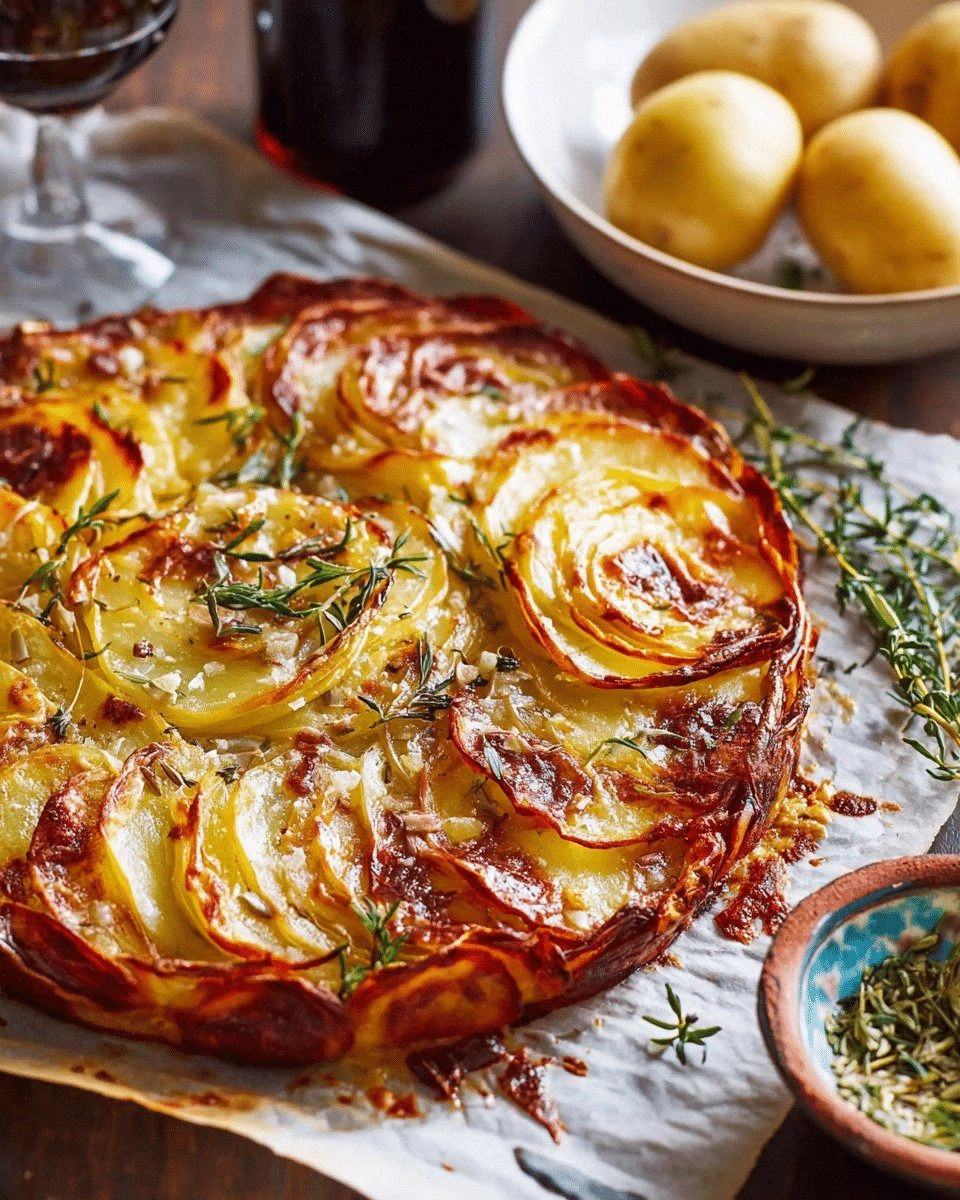
Picture this: the pan is a black canvas, the potatoes sliced thin, the butter melting like liquid gold, the cream swirling like a cloud of clouds. The kitchen fills with a buttery, garlicky perfume that feels like a warm hug. The sound of the butter sizzling is a comforting crackle, and the sight of the golden edges is a promise of crunch. When you lift the first plate, the aroma hits your nose, the texture whispers a buttery crunch, and the flavor sings a subtle, nutty sweetness that lingers on the tongue. That’s the moment you realize you’ve stumbled onto something special.
What sets this version apart from the countless potato layers you’ve seen on Pinterest or in your grandma’s recipe book is the way Jamie Oliver’s touch turns a simple dish into a symphony of flavors and textures. He layers the potatoes so thin that each slice feels like a whisper, yet the butter and cream create a rich, velvety backdrop that makes every bite feel indulgent. The secret lies in the precise slicing, the careful timing of the butter, and the subtle hint of nutmeg that elevates the dish from “potato casserole” to “culinary triumph.”
And there’s a twist you won’t expect—Jamie adds a splash of cream to the butter, creating a silky sauce that coats the potatoes like velvet. It’s the kind of detail that turns a simple side dish into a showstopper. I dare you to taste this and not go back for seconds. By the end of this guide, you’ll wonder how you ever made it any other way.
What Makes This Version Stand Out
- Taste: The combination of buttery, creamy layers with a subtle nutmeg kick delivers a flavor profile that’s both comforting and sophisticated. The gentle heat from the garlic adds depth without overpowering the potatoes.
- Texture: Each slice is thin enough to be tender yet thick enough to hold the sauce, resulting in a satisfying contrast between a crisp edge and a melt‑in‑your‑mouth interior.
- Simplicity: With only seven core ingredients, this dish is a breeze to prepare, yet it feels like a gourmet experience.
- Uniqueness: The technique of layering with butter and cream, rather than just baking or frying, sets it apart from standard potato dishes.
- Crowd Reaction: Friends who’ve tried it swear it’s the best version of pommes Anna they’ve ever tasted—no exceptions.
- Ingredient Quality: Using high‑quality butter and fresh cream makes the difference between ordinary and extraordinary.
- Cooking Method: The method of slowly baking the layers allows flavors to meld while preserving the delicate texture of the potatoes.
- Make‑Ahead Potential: This dish can be assembled ahead of time and baked just before serving, making it ideal for entertaining.
Alright, let’s break down exactly what goes into this masterpiece…
Inside the Ingredient List
The Flavor Base
Potatoes are the star of this dish, but they’re not just any potatoes. Choose waxy varieties like Yukon Gold or red potatoes for their creamy texture and ability to hold their shape when sliced thin. If you use a starchy potato like russet, the slices will fall apart and the dish will feel soggy. The potatoes absorb the butter and cream, turning every bite into a silky, buttery experience. Skipping them would turn this into a simple buttered mash—definitely not the same.
Butter is the backbone of the sauce, adding richness and a golden crust. Use unsalted butter so you can control the salt level precisely. If you’re vegan, a plant‑based butter that melts well will work, but the flavor will be noticeably different. Butter also helps create that coveted crispy edge that shatters like thin ice when you bite into it.
Cream brings the dish together, creating a luscious sauce that coats the potatoes. Heavy cream is ideal because it thickens when heated and doesn’t separate. If you prefer a lighter version, try half‑and‑half, but the texture will be slightly thinner. Cream also balances the saltiness of the butter, giving the dish a smooth finish.
The Texture Crew
Garlic adds a punch of flavor that cuts through the richness of the butter and cream. Mince it finely so it distributes evenly across each slice. If you’re not a fan of raw garlic, roast it until it’s sweet and mellow; this will give a subtle caramelized note. Garlic also helps tenderize the potatoes slightly, making them even more tender.
Salt and pepper are the classic seasoning duo that bring all the flavors together. Use sea salt or kosher salt for better flavor control. A pinch of freshly ground pepper adds a gentle heat that balances the buttery richness. If you’re watching sodium, you can reduce the salt by half and add a splash of lemon juice to brighten the dish.
The Unexpected Star
Nutmeg is the secret ingredient that elevates this dish from good to unforgettable. A light pinch of freshly grated nutmeg adds a warm, spicy aroma that pairs beautifully with the cream and butter. If you don’t have nutmeg, a small pinch of cinnamon or allspice can provide a similar warmth, but the flavor profile will shift slightly. Nutmeg is the subtle note that makes the dish feel complete.
Everything’s prepped? Good. Let’s get into the real action…
The Method — Step by Step
- Preheat your oven to 200°C (392°F). While the oven warms, wash the potatoes thoroughly and pat them dry. Use a mandoline or a sharp knife to slice each potato into 1‑mm thick rounds. The uniform thickness ensures each layer cooks evenly and creates a beautiful, stacked appearance.
- Melt the butter in a small saucepan over medium heat until it turns a golden amber color. This step is crucial because the butter’s flavor deepens with a slight caramelization. Once the butter is ready, remove it from the heat and stir in the cream, garlic, salt, pepper, and nutmeg. The mixture should have a silky consistency that coats the back of a spoon.
- Grease a 9‑inch (23 cm) baking dish with a thin layer of butter. Arrange a single layer of potato slices in the dish, slightly overlapping each other. Pour a small amount of the butter‑cream mixture over the first layer, ensuring every slice is lightly coated.
- Repeat the layering process: add another round of potato slices, drizzle with the sauce, and then repeat until all the potatoes are used. The final layer should be a generous spread of sauce, creating a golden top that will crisp up in the oven.
- Cover the dish tightly with foil and bake for 45 minutes. The foil traps moisture, allowing the potatoes to steam gently while the butter‑cream sauce melts into a cohesive, silky coating.
- Remove the foil, increase the oven temperature to 220°C (428°F), and bake for an additional 15 minutes. This second stage caramelizes the top, giving it a golden, slightly crispy finish that contrasts beautifully with the tender interior.
- Let the dish rest for 5 minutes before slicing. Resting allows the sauce to set slightly, making it easier to cut clean, elegant slices. When you lift a piece, the sauce should cling to the potatoes like a delicate glaze.
- Serve hot, perhaps with a sprinkle of fresh herbs or a dusting of grated cheese for an extra touch of decadence. The dish pairs wonderfully with a light salad or a glass of crisp white wine.
That’s it—you did it! But hold on, I’ve got a few more tricks that will take this to another level…
Insider Tricks for Flawless Results
The Temperature Rule Nobody Follows
Many people bake their potatoes at a high temperature from the start, which can cause the outside to burn before the inside is cooked. The secret is to start at a moderate temperature, let the potatoes steam, then finish at a higher temperature to crisp the top. This two‑stage bake ensures tenderness inside and a beautiful crust on top.
Why Your Nose Knows Best
The aroma of butter melting and nutmeg blooming is an early indicator that your sauce is developing the right depth of flavor. If the smell is too buttery and not enough nutmeg, you’re missing that subtle spice that lifts the dish. Trust your nose and adjust seasoning accordingly before the dish finishes baking.
The 5‑Minute Rest That Changes Everything
Letting the dish rest after baking allows the sauce to set, making it easier to slice cleanly. If you cut immediately, the sauce will run off, and the layers will blur together. A short rest also lets the flavors meld, creating a more cohesive taste experience.
The Secret Layering Technique
When layering the potatoes, slightly overlap each slice. This creates a more stable structure and ensures the sauce seeps into every nook and cranny. The result is a dish that looks as impressive as it tastes.
The Quick Fresh Herb Finish
A sprinkle of fresh thyme or rosemary right before serving adds a burst of freshness that cuts through the richness. The herbs also provide a visual pop of green, making the dish more appetizing. Use just a few sprigs to avoid overpowering the delicate flavors.
Creative Twists and Variations
This recipe is a playground. Here are some of my favorite ways to switch things up:
Cheesy Delight
Add a layer of shredded Gruyère or aged cheddar between the potato layers. The cheese melts into the sauce, creating a gooey, golden crust that’s irresistible. Perfect for a cozy family dinner.
Herb‑Infused Elegance
Replace the standard butter‑cream sauce with one infused with fresh rosemary, thyme, or sage. The herbs permeate the sauce, giving each bite a fragrant, aromatic quality that elevates the dish to new heights.
Smoky Twist
Add a few drops of smoked paprika or a splash of liquid smoke to the butter‑cream mixture. The subtle smokiness complements the buttery richness, turning the dish into a comforting, campfire‑inspired favorite.
Vegetarian Vibes
Swap the butter for a high‑quality plant‑based butter and use a dairy‑free cream alternative. The result is a creamy, indulgent dish that’s completely plant‑based, making it suitable for vegans and lactose‑intolerant guests.
Quick & Easy Version
Use pre‑sliced frozen potato rounds and reduce the baking time to 35 minutes. The texture will be slightly different, but the flavor remains on point. Ideal for busy weeknights.
Storing and Bringing It Back to Life
Fridge Storage
Cool the dish completely, then cover tightly with plastic wrap and store in the refrigerator for up to 3 days. When reheating, add a splash of milk or cream to restore moisture and prevent the potatoes from drying out.
Freezer Friendly
Wrap the dish in foil and place it in an airtight freezer bag. Freeze for up to 2 months. When ready to eat, thaw in the refrigerator overnight and reheat in a pre‑heated oven at 180°C (356°F) for 25 minutes.
Best Reheating Method
Reheat in the oven on a low setting to preserve the crispy top. Add a tiny splash of water or cream before reheating; this steams the dish back to perfection, keeping the sauce silky and the potatoes tender.