I was standing in the kitchen, watching a pot of burnt sauce, when a friend shouted, “You need a new chicken recipe!” The memory of that smoky disaster still lingers, and it spurred me to search for something that would turn the ordinary into extraordinary. I discovered a creamy garlic sauce that clings to chicken like a velvet blanket, turning every bite into a silky, savory hug. This isn’t just another recipe; it’s a culinary revelation that promises a flavor profile so bold it could launch a thousand Instagram posts. Let me walk you through every single step — by the end, you'll wonder how you ever made it any other way.
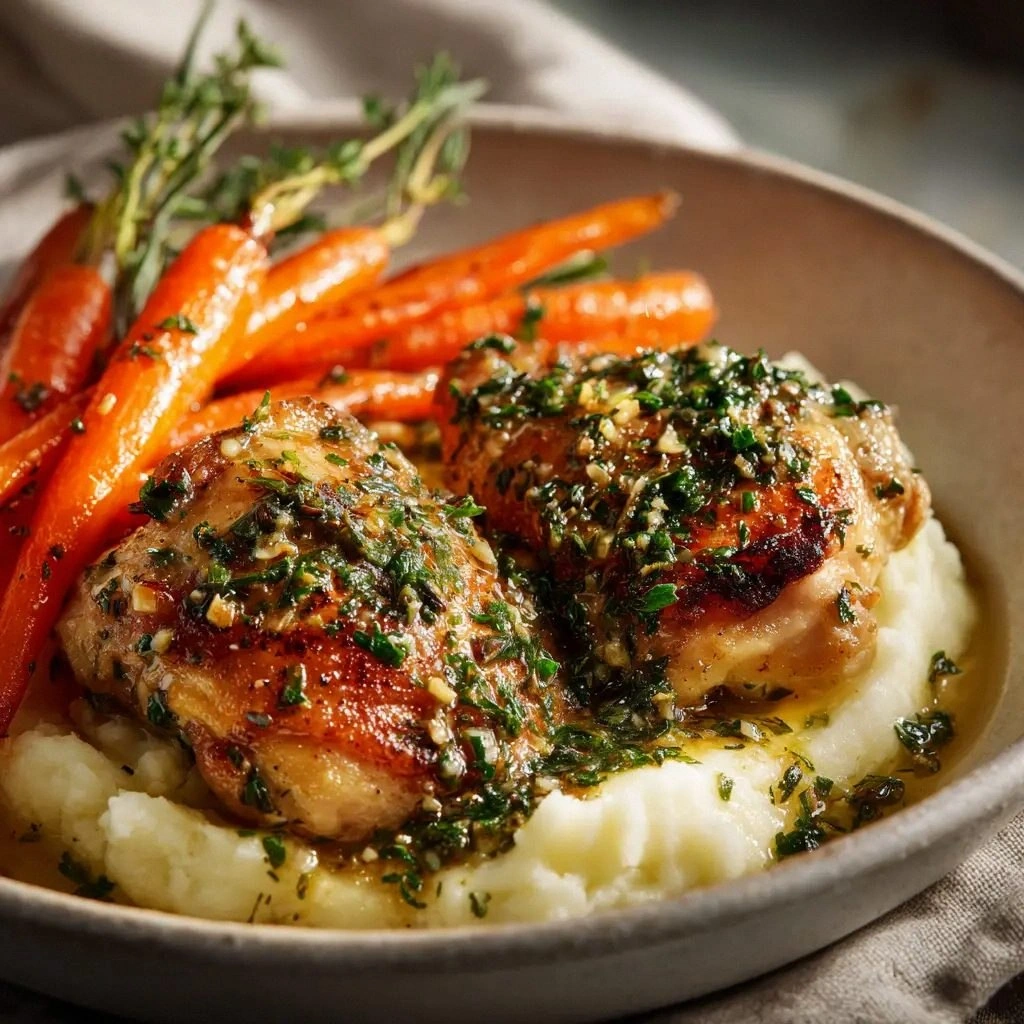
Imagine the first spoonful: a rich, buttery sauce thickened with cream and parmesan, the garlic providing a punch that cuts through the richness without overpowering it. The chicken, seared to a golden crust, releases juices that mingle with the sauce, creating a harmony of textures that feels like a well‑orchestrated symphony. The aroma alone, a blend of roasted garlic, fresh herbs, and melted butter, can transform a mundane kitchen into a five‑star dining room. I dare you to taste this and not go back for seconds; the memory of that first bite will haunt you for weeks. And if you’re still skeptical, remember that the best version of this dish is only a few minutes away from your stove.
The secret to this dish lies not just in the ingredients but in the technique, the timing, and the little tweaks that make a difference. A few minutes of searing, a splash of lemon to brighten the sauce, and a dash of Italian seasoning to anchor the flavors. I’ve spent countless evenings tweaking this recipe, each time discovering a new nuance that elevates it from good to unforgettable. The result? A dish that feels like a comforting hug, yet is bold enough to impress at a dinner party. Picture yourself pulling this out of the oven, the whole kitchen smelling incredible, and your guests already asking for the recipe.
I’ll be honest — I ate half the batch before anyone else got to try it. That’s the power of a dish that delivers on every front: taste, texture, aroma, and ease of preparation. If you've ever struggled with a creamy sauce that turns out thin or bland, you're not alone — and I've got the fix. The next sections will break down the components, the method, and the tricks that make this dish stand out from the crowd. Stay with me here — this is worth it, and I promise you’ll be proud of the final result.
What Makes This Version Stand Out
- Flavor Depth: The combination of garlic, cream, and parmesan creates a layered taste that is simultaneously rich and bright. The slight acidity from lemon juice cuts through the richness, preventing the dish from feeling heavy.
- Texture Contrast: The chicken’s seared exterior offers a satisfying bite, while the sauce remains silky and smooth, coating each piece like velvet.
- Time Efficiency: From prep to plate, the entire process takes under an hour, making it ideal for busy weeknights without compromising on flavor.
- Ingredient Quality: Using fresh garlic and high‑quality parmesan elevates the dish, turning simple components into a gourmet experience.
- Make‑Ahead Potential: The sauce can be prepared a day in advance; it even tastes better after the flavors have had time to meld.
- Versatility: Serve over pasta, rice, or mashed potatoes, and it adapts seamlessly to any side you prefer.
- Crowd‑Pleaser: The creamy, garlicky profile is universally loved, making it a safe choice for dinner parties or family gatherings.
- Minimal Equipment: A skillet, a saucepan, and a few utensils are all you need; no fancy gadgets required.
Inside the Ingredient List
The Flavor Base
Olive oil is the first to meet the pan, creating a silky surface that ensures the chicken sears evenly. This oil also carries the garlic’s aroma, allowing it to infuse the sauce from the very beginning. Skipping it would leave the chicken dry and the garlic clumpy, ruining the dish’s signature texture. For an extra touch, use extra‑virgin olive oil; its peppery notes add a subtle kick that complements the cream.
Unsalted butter is introduced later to deepen the sauce’s richness. Butter’s fat content emulsifies with the cream, giving the sauce a glossy sheen. If you’re watching your calories, a light hand with butter will still deliver a satisfying mouthfeel. However, don’t shy away from butter; it’s the secret to that buttery finish that makes the sauce unforgettable.
The Texture Crew
Heavy cream is the backbone of the sauce, providing thickness and a luxurious mouthfeel. A splash of chicken broth thins the mixture just enough to keep it pourable, preventing it from becoming a thick gravy. The parmesan cheese, grated fresh, adds a salty depth and a slight grittiness that contrasts nicely with the smooth cream. If you prefer a dairy‑free version, substitute coconut cream for half the heavy cream; the result will be slightly sweeter but equally creamy.
Red pepper flakes are optional but recommended for a subtle heat that lingers on the palate. They’re a nod to traditional Italian cooking, where a pinch of spice balances the richness. If you’re sensitive to heat, simply omit them or replace with a dash of smoked paprika for a different flavor profile. The key is to keep the sauce’s balance, ensuring no single element overwhelms the others.
The Unexpected Star
Lemon juice is the unsung hero that brightens the entire dish. It cuts through the cream’s heaviness, giving the sauce a lively finish that keeps the dish from feeling cloying. The acidity also helps tenderize the chicken, ensuring each bite stays juicy. A tablespoon of lemon juice is enough; too much will overpower the garlic and butter, so measure carefully.
Fresh parsley, chopped, adds a burst of color and a hint of herbal freshness that lifts the sauce’s flavor profile. It also provides a subtle peppery note that contrasts with the sweetness of the garlic. If parsley isn’t available, a pinch of dried basil works well as a substitute, though the dish will have a slightly different aroma. Remember, the garnish is not just decorative; it’s an integral part of the flavor tapestry.
The Final Flourish
Italian seasoning brings a cohesive herbal note that unites all the components. It’s a quick way to add depth without needing fresh herbs. If you’re allergic to any of the herbs, a simple pinch of oregano or thyme will suffice. The seasoning also helps stabilize the sauce’s flavor profile, ensuring consistency across batches.
Salt and pepper are essential for balancing the flavors. Salt enhances the garlic’s pungency and the cheese’s umami, while pepper adds a subtle heat that lingers. Use sea salt for a cleaner finish, and freshly ground pepper for maximum aroma. Over‑salting is a common mistake; taste the sauce as you go to keep the seasoning in check.
Everything's prepped? Good. Let's get into the real action, where the magic begins and the simple ingredients transform into a dish that will become a staple in your culinary repertoire.
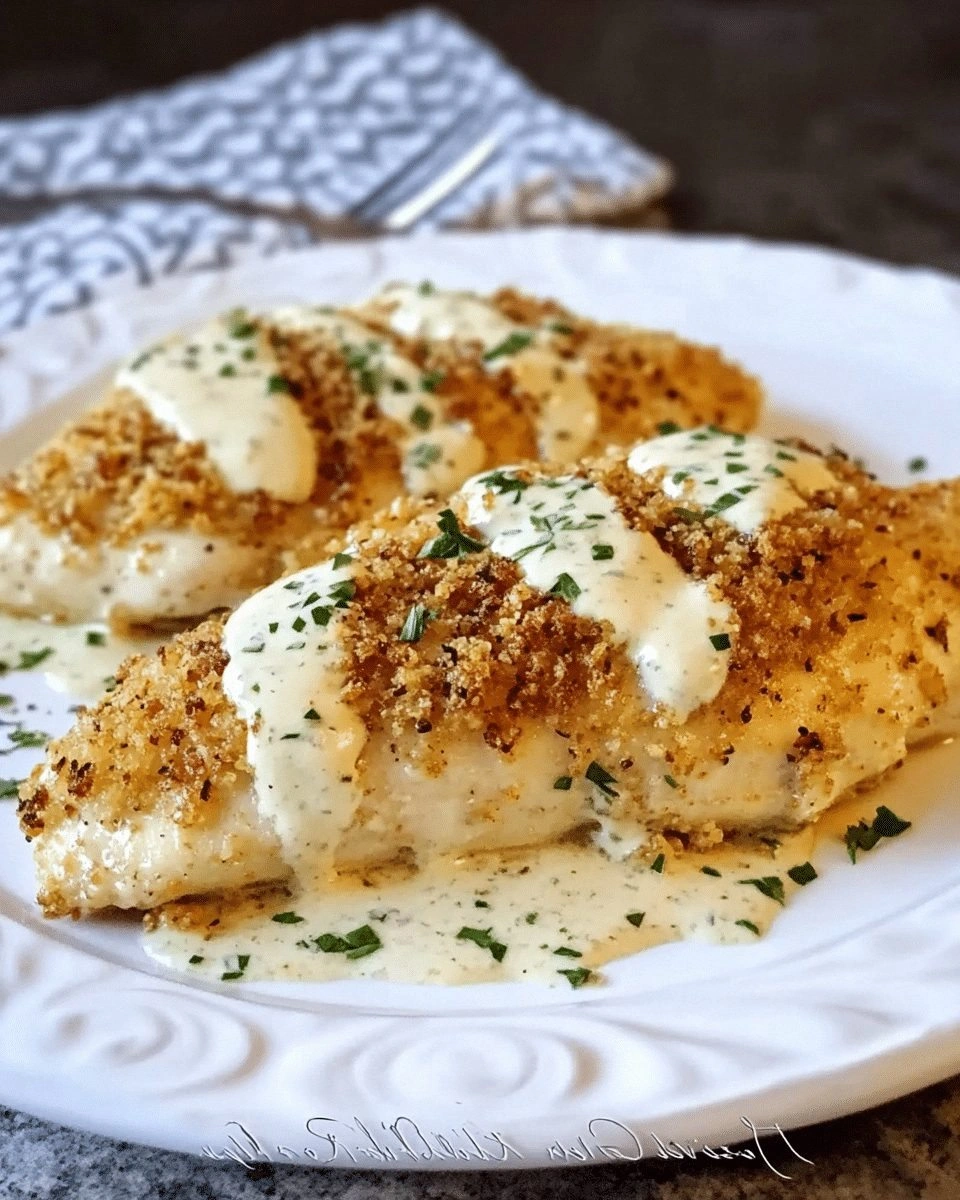
The Method — Step by Step
- Prepare the chicken: Pat the chicken breasts dry with paper towels to ensure a crisp sear. Season both sides generously with salt, pepper, and Italian seasoning. This step locks in flavor and creates a golden crust that holds the sauce. I always let the chicken sit at room temperature for 10 minutes before cooking.
- Heat the skillet: Place a large skillet over medium‑high heat and add the olive oil. Once the oil shimmers, add the chicken breasts skin‑side down. Watch for the sizzle; it should sound like a whisper of joy. Flip after 4–5 minutes when the underside is a deep golden brown.
- Seared perfection: Flip the chicken and sear the other side for 3–4 minutes. The goal is a caramelized surface that locks in juices. If the skillet gets too hot, lower the heat to avoid burning. When the chicken is nearly cooked through, set it aside on a plate and tent with foil to keep warm.
- Garlic aromatics: In the same skillet, reduce the heat to medium. Add the butter and let it melt until it foams. Toss in the minced garlic and sauté for 30 seconds, until fragrant but not browned. The aroma should be intoxicating, hinting at the sauce to come.
- Build the sauce base: Pour in the heavy cream and stir to combine with the butter and garlic. Add the chicken broth to thin the mixture slightly, preventing it from becoming too thick. Bring the mixture to a gentle simmer; the sauce should coat the back of a spoon.
- Introduce the cheese: Stir in the grated parmesan until it melts and the sauce thickens to a glossy consistency. The cheese will also act as a natural thickener, giving the sauce a velvety texture. If the sauce is too thin, let it simmer for an extra minute to reduce.
- Season and brighten: Add the lemon juice, red pepper flakes, and a pinch of salt to taste. Stir gently; the lemon should brighten the entire dish without making it tart. Taste the sauce and adjust seasoning as needed; the goal is a harmonious balance.
- Reintroduce the chicken: Return the chicken breasts to the skillet, spooning sauce over them. Reduce the heat to low and let them simmer in the sauce for 3–4 minutes, allowing the flavors to meld. The chicken should be tender and fully coated.
- Final touches: Sprinkle chopped parsley over the dish for a fresh, herbaceous finish. Give everything one final stir to ensure even coating. Remove from heat and serve immediately over pasta, rice, or mashed potatoes.
That's it — you did it. But hold on, I've got a few more tricks that'll take this to another level. These insider tips will help you avoid common pitfalls and elevate the dish into a professional‑level experience.
Insider Tricks for Flawless Results
The Temperature Rule Nobody Follows
Maintaining the right temperature is crucial; a skillet that’s too hot will scorch the garlic, while one that’s too cool will produce a greasy sauce. I’ve learned to gauge heat by flicking a small drop of water onto the pan; if it dances, the heat is perfect. A steady medium heat allows the butter to emulsify with the cream, creating a silky sauce that clings to the chicken. Remember, consistency in temperature is the secret to a smooth, glossy finish.
Why Your Nose Knows Best
The aroma is a reliable indicator of progress. When the garlic starts to perfume the air, you’re at the ideal moment to add the cream. If you smell a burnt scent, the pan is over‑heated, and the sauce will taste bitter. Trusting your nose saves you from the dreaded “burnt garlic” situation that can ruin an otherwise perfect dish. I’ve always kept a small bowl of water nearby to test the heat if I’m unsure.
The 5-Minute Rest That Changes Everything
Once the chicken is done, let it rest under foil for five minutes. This allows the juices to redistribute, keeping the meat moist and tender. A quick rest also lets the sauce thicken slightly, making it easier to coat the chicken evenly. I’ve seen people skip this step and end up with dry chicken; the rest is a small time investment with a big payoff. Trust me, the rest is worth the pause.
The Right Knife Matters
Using a sharp chef’s knife for mincing garlic prevents crushing the cloves, which releases a different flavor profile. A dull knife can produce uneven pieces that cook at different rates, leading to a patchy sauce. I recommend a 8‑inch chef’s knife for precision; the sharp edge ensures consistent garlic texture. This small detail can make the difference between a smooth sauce and a chunky one.
The Quick Flip Trick
When flipping the chicken, use a wide, flat spatula to slide under the breast gently. This prevents the seared crust from breaking and keeps the sauce from splattering. A quick flip also preserves the heat inside the chicken, ensuring it cooks evenly on both sides. I’ve learned that a gentle touch yields the best results, especially when working with thicker cuts.
Creative Twists and Variations
This recipe is a playground. Here are some of my favorite ways to switch things up:
Spinach & Feta Version
Swap the parsley for fresh spinach and sprinkle crumbled feta over the sauce. The spinach wilts into the sauce, adding color and a mild earthiness, while feta introduces a tangy contrast. This variation is perfect for spring when spinach is at its peak freshness. The dish becomes a one‑pan wonder, combining protein and greens in a single bite.
Smoky Chipotle Twist
Replace the red pepper flakes with chipotle powder for a smoky heat that lingers. The chipotle adds a deep, earthy flavor that complements the garlic and cream. Pair it with a side of corn‑roasted rice to balance the smokiness. This version is ideal for a casual barbecue or a cozy Sunday dinner.
Herb‑Infused Cream
Infuse the cream with fresh thyme and rosemary before adding it to the pan. Let it steep for a few minutes, then strain out the herbs. The result is a fragrant sauce that carries the herbal notes throughout. This variation works wonderfully with roasted vegetables or a light salad.
Coconut‑Cream Delight
For a dairy‑free option, replace half of the heavy cream with coconut cream. The coconut adds a subtle sweetness and a tropical undertone. Pair this with grilled pineapple or mango salsa for a beach‑inspired meal. The sauce remains creamy, but the flavor profile shifts to something entirely new.
Pesto‑Powered Sauce
Stir in a few spoonfuls of basil pesto after the cream has thickened. The pesto adds a burst of green, herbaceous flavor and a vibrant color. It also thickens the sauce slightly, creating a richer mouthfeel. Serve this version with pasta for a quick, impressive dinner.
Mushroom & Thyme Variation
Sauté sliced mushrooms in the same skillet before adding the garlic. The mushrooms release their umami, which is absorbed by the sauce. Add a sprig of thyme for an aromatic finish. This variation is a hearty, vegetarian‑friendly alternative that still delivers that creamy, garlicky punch.
Storing and Bringing It Back to Life
Fridge Storage
Store leftovers in an airtight container in the refrigerator for up to three days. The sauce may thicken slightly, so add a splash of milk or cream before reheating to restore its silky texture. Keep the chicken separate from the sauce if you prefer to reheat them individually. The dish remains flavorful and moist when stored properly.
Freezer Friendly
Freeze the sauce and chicken separately in freezer‑safe containers for up to two months. Thaw overnight in the refrigerator before reheating. When reheating, add a little water or broth to loosen the sauce, then bring to a gentle simmer. Freezing is a great way to have a ready‑to‑cook meal for busy nights.
Best Reheating Method
Reheat the sauce over low heat, stirring occasionally, until it reaches a gentle simmer. If the sauce appears too thick, whisk in a small amount of water or stock. The key is to avoid high heat, which can cause the cream to separate. Serve the reheated sauce over freshly cooked pasta or rice for the best experience.