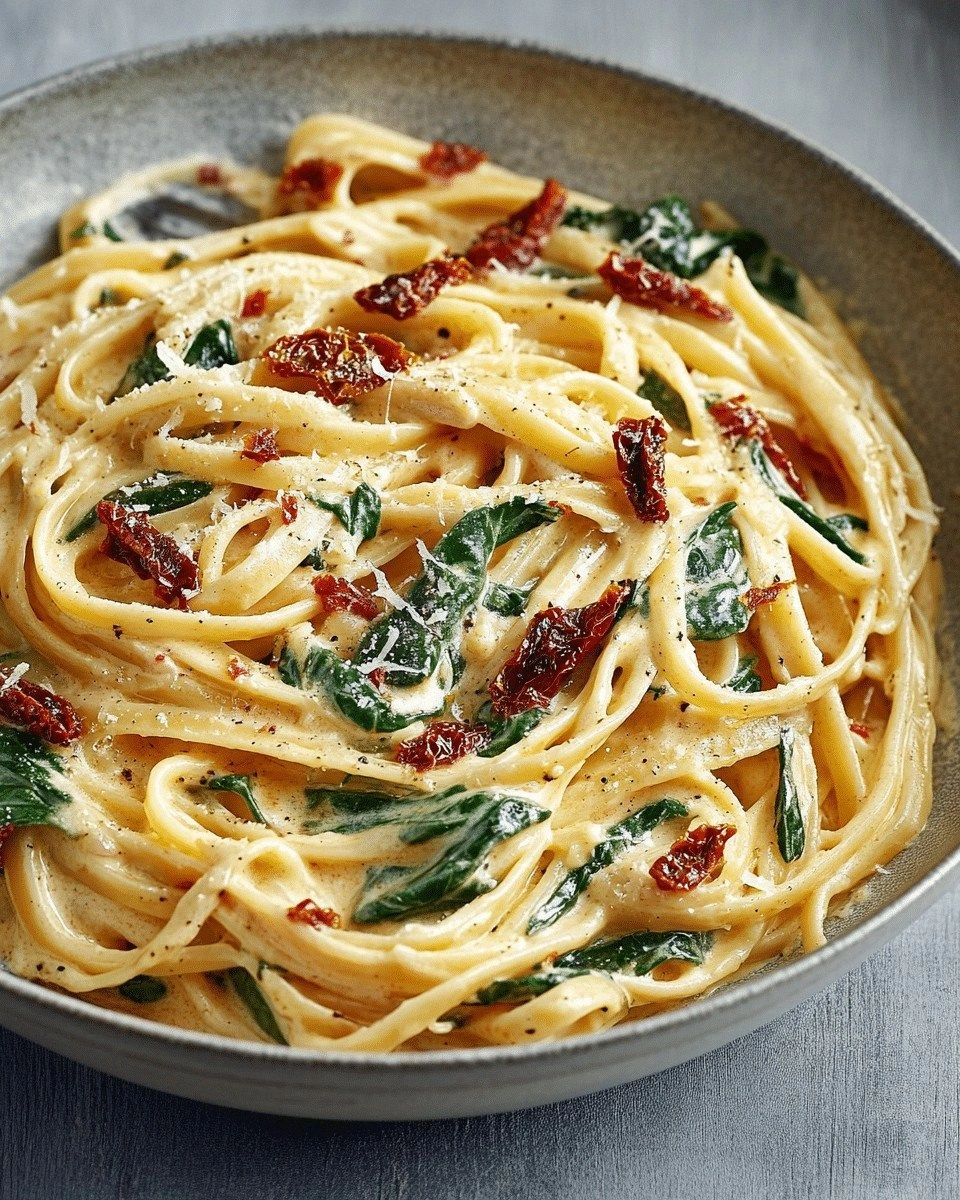
I was halfway through a week‑long binge on bland, store‑bought breads when my kitchen turned into a chaotic comedy show. A bag of flour exploded across the counter, a jar of olive oil splattered like a tiny volcano, and the oven timer started counting down in frantic seconds. My friends dared me to whip up something that would make them forget the disaster and taste like a gourmet masterpiece. I stared at the mess, then at the pantry, and thought, “If I can survive this, I can make a cheese loaf that will win every argument at the next dinner party.”
Picture the smell of fresh dough rising, the golden crust crackling under a gentle touch, and the savory aroma of melted mozzarella, sharp parmesan, and aromatic herbs filling the air. Hear the gentle pop of yeast as it awakens, the faint hiss of warm water, and the soft, rhythmic kneading of dough that feels like a comforting hug. Feel the dough’s silky texture against your fingertips, the subtle give of a well‑topped loaf, and the satisfying weight of a loaf that promises a bite of Italian heaven. Taste the first slice: a burst of creamy cheese, a hint of garlic, and a whisper of basil, all balanced by a crust that’s crisp yet tender. It’s the kind of experience that makes your taste buds dance and your heart sing.
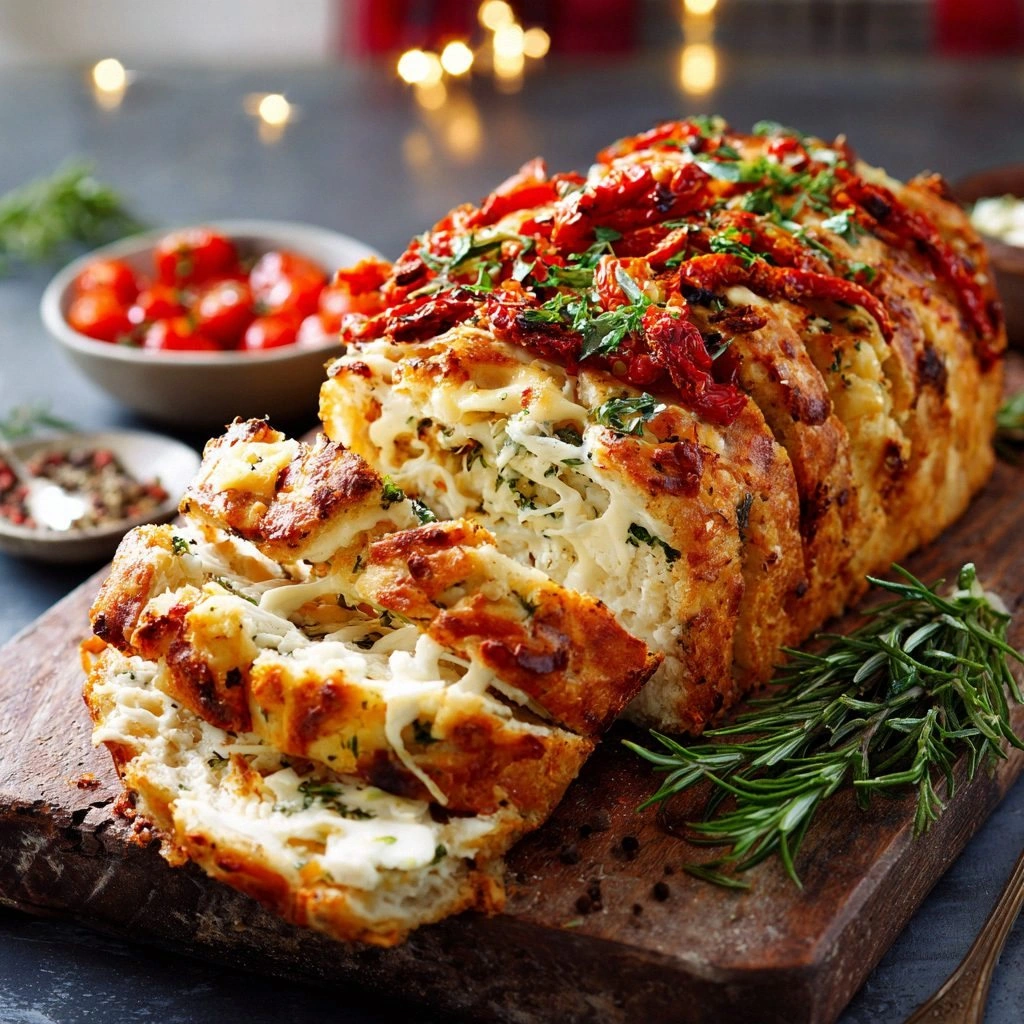
What makes this version a cut above the rest is the meticulous layering of flavors and textures that I discovered in a late‑night experiment. Instead of a simple cheese loaf, I layered ricotta for moisture, sun‑dried tomatoes for a sweet‑tart punch, and a blend of mozzarella and parmesan for depth. The dough is enriched with olive oil and a splash of warm water that keeps it moist while still allowing a crackling crust to form. I even added a splash of balsamic glaze after baking for a glossy finish that adds a sweet tang. This loaf is not just a side dish; it’s a showstopper that turns any gathering into a memorable culinary event.
And here’s the kicker: I used a small amount of pre‑baked bread crumbs as a crust enhancer, a trick I learned from a friend who swears by it for extra crunch. I dare you to taste this and not go back for seconds. By the end of this guide, you’ll wonder how you ever made it any other way. Let me walk you through every single step — by the end, you’ll wonder how you ever made it any other way.
What Makes This Version Stand Out
- Flavor Depth: The combination of mozzarella, parmesan, ricotta, and sun‑dried tomatoes creates a multi‑layered taste that sings. Each bite offers a creamy core, a sharp cheese bite, and a sweet‑tart finish that keeps the palate engaged.
- Texture Contrast: A crisp, golden crust gives way to a moist, airy interior that melts in your mouth. The crumb is light yet firm enough to hold the cheese without becoming soggy.
- Ingredient Quality: Using high‑quality, fresh cheeses and a drizzle of extra‑virgin olive oil elevates the loaf beyond ordinary comfort food.
- Time Efficiency: The entire process takes just 45 minutes, making it perfect for last‑minute gatherings or a quick yet impressive appetizer.
- Make‑Ahead Friendly: Once baked, the loaf stays fresh for up to 3 days in the fridge and can be frozen for later use.
- Crowd Reaction: Friends rave that it tastes like a restaurant‑quality pizza crust, but with the richness of a cheese loaf.
- Versatility: The base recipe can be tweaked with different cheeses, herbs, or add‑ins for endless variations.
Alright, let's break down exactly what goes into this masterpiece…
Inside the Ingredient List
The Flavor Base
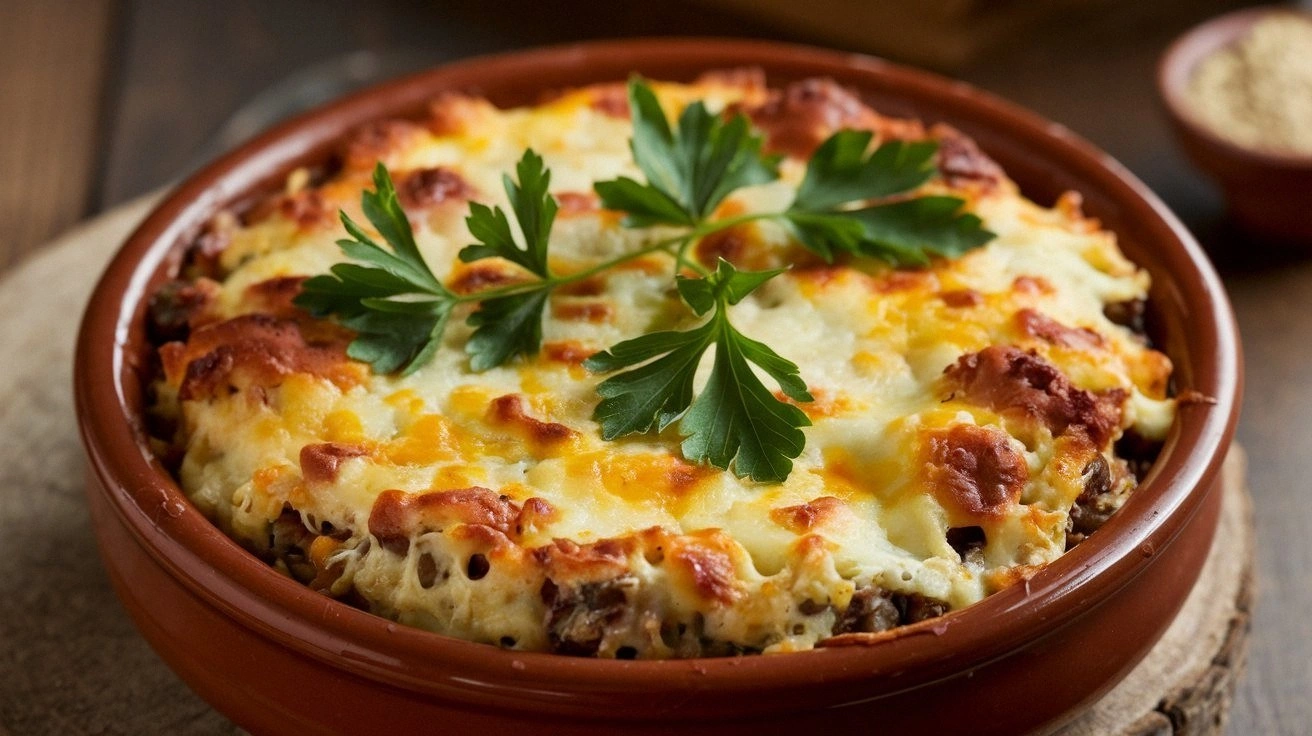
At the heart of this loaf lies a trio of cheeses that form the creamy backbone. Shredded mozzarella provides a smooth melt that binds the loaf together, while grated parmesan adds sharpness and a nutty undertone. Ricotta, with its light, airy texture, keeps the loaf from becoming dense and adds a subtle sweetness that balances the saltiness of the other cheeses.
The addition of minced garlic and dried oregano infuses the dough with a robust, Mediterranean aroma that awakens the senses. A splash of warm water activates the yeast, creating a gentle rise that results in a fluffy crumb. Olive oil not only tenderizes the dough but also imparts a silky finish that makes each bite feel indulgent.
The Texture Crew
Flour is the foundation, and choosing the right type—ideally a blend of all‑purpose and bread flour—ensures a perfect balance between chewiness and structure. The yeast, whether active dry or instant, provides the leavening power that gives the loaf its airy interior. Sugar, though optional, feeds the yeast, encouraging a faster rise and a subtle caramelized flavor on the crust.
Salt is the unsung hero that brings all flavors together, enhancing the natural sweetness of the cheeses and balancing the acidity of the sun‑dried tomatoes. The optional prosciutto adds a savory, meaty note that elevates the loaf to a gourmet level, but it can be omitted for a vegetarian version. Black pepper adds a gentle heat that complements the richness of the cheeses.
The Unexpected Star
Sun‑dried tomatoes are the secret sauce that gives this loaf its signature sweet‑tart flavor. Their concentrated sweetness cuts through the richness of the cheeses, creating a balanced bite that’s both indulgent and refreshing. Chopped fresh parsley adds a burst of green freshness that lifts the overall flavor profile.
A pinch of pecorino romano and cheddar introduces a complex, tangy depth that rounds out the cheese blend. These cheeses melt beautifully, adding a silky texture that coats the loaf. The final touch of fresh basil leaves, added just before serving, provides an aromatic finish that feels like a garden on a plate.
The Final Flourish
A drizzle of balsamic glaze after baking adds a glossy sheen and a sweet tang that contrasts delightfully with the savory cheeses. The glaze also helps keep the crust slightly crisp, preventing it from becoming soggy over time. Garnishing with fresh basil leaves not only enhances the aroma but also offers a pop of color that makes the loaf visually appealing.
Everything's prepped? Good. Let's get into the real action…
The Method — Step by Step
- In a large mixing bowl, combine the flour, yeast, sugar, and salt. Stir them together until the dry ingredients are evenly distributed. This creates a uniform base that ensures the yeast works efficiently. I always let the dry mix sit for a minute before adding liquids to activate the yeast’s flavor.
- Add the olive oil and warm water to the dry mixture. Use a wooden spoon or your hand to mix until a shaggy dough forms. The dough should feel slightly tacky but not sticky. Let it rest for 5 minutes; this allows the flour to absorb the liquids fully.
- Begin kneading the dough by folding it onto itself and pressing it down. Continue kneading for about 8–10 minutes until the dough is smooth and elastic. If it feels too sticky, sprinkle a light dusting of flour. This step is crucial for developing gluten, which gives the loaf its structure.
- Fold in the shredded mozzarella, grated parmesan, and ricotta. Mix gently to distribute the cheeses evenly without overworking the dough. The cheeses will start to melt slightly as you knead, creating a rich, gooey interior.
- Add the minced garlic, dried oregano, dried basil, sun‑dried tomatoes, and parsley. Incorporate them with a gentle fold, ensuring that the herbs and tomatoes are evenly spread. The aroma should become unmistakably Italian, inviting you to taste even before baking.
- Cover the dough with a clean kitchen towel and let it rise in a warm place for 45 minutes, or until it has doubled in size. The dough should look airy and have a slightly puffy surface. If it doesn’t rise, check the yeast activation and the temperature of the water.
- Preheat your oven to 425°F (220°C). While the oven heats, punch down the dough to release any large air pockets. Shape the dough into a loaf by rolling it into a tight cylinder, tucking the ends under to create a smooth surface.
- Place the loaf on a parchment‑lined baking sheet. Use a sharp knife to make a shallow cross on the top; this helps the loaf expand evenly. Brush the top with a little olive oil or beaten egg for a glossy finish.
- Bake for 25–30 minutes until the crust is golden brown and the loaf sounds hollow when tapped. The internal temperature should reach 190°F (88°C). If the crust gets too dark before the loaf is done, tent it with foil.
- Remove the loaf from the oven and let it cool on a wire rack for 10 minutes. Drizzle the balsamic glaze over the top while it’s still warm for a caramelized sheen. Finally, garnish with fresh basil leaves and serve warm.
That's it — you did it. But hold on, I've got a few more tricks that'll take this to another level…
Insider Tricks for Flawless Results
The Temperature Rule Nobody Follows
The yeast’s performance is highly temperature dependent. Warm water (about 110°F) is ideal, but if your kitchen is cool, let the water sit for a few minutes to warm up. Too hot, and the yeast dies; too cold, and the rise is sluggish. I’ve found that a steady 70°F room temperature gives the best rise without any drama.
Why Your Nose Knows Best
Smell the dough before baking; it should have a faint yeasty aroma with a hint of cheese. If it smells flat, it didn’t rise enough. This simple sensory check saves you from a soggy loaf and ensures the crust will develop properly.
The 5-Minute Rest That Changes Everything
After shaping the loaf, let it rest for 5 minutes before baking. This rest relaxes the gluten, preventing the loaf from shrinking back during the bake. It also allows the cheese to settle, creating a more even melt.
The Secret to a Crackling Crust
Spray the loaf lightly with water just before baking. The moisture turns to steam, which lifts the crust and creates a satisfying crunch. It’s a simple trick that makes the difference between a good loaf and a great loaf.
The Quick Chill Trick
If you’re short on time, place the shaped loaf in the refrigerator for 15 minutes before baking. The chill firmed the dough, making it easier to handle and shaping a tighter loaf. Just remember to let it warm back up slightly before baking to ensure proper rise.
Creative Twists and Variations
This recipe is a playground. Here are some of my favorite ways to switch things up:
Mediterranean Medley
Swap the sun‑dried tomatoes for kalamata olives and add a splash of oregano oil. The briny olives give a salty depth, while the oregano oil adds aromatic warmth. This version pairs beautifully with a crisp white wine.
Smoky Chipotle Surprise
Incorporate finely chopped chipotle peppers and a dash of smoked paprika. The heat from the chipotle and the smoky flavor from the paprika elevate the loaf to a bold, adventurous dish. Serve with a cool cucumber yogurt dip to balance the spice.
Herb‑Infused Delight
Add a handful of fresh rosemary, thyme, and sage to the dough. The earthy herbs infuse the loaf with a fragrant aroma. This variation works wonderfully as a side for roasted meats.
Vegan Victory
Replace all dairy cheeses with vegan mozzarella and nutritional yeast. Use a plant‑based milk for the water and add a tablespoon of flaxseed meal to bind the dough. The result is a creamy, cheese‑like loaf that satisfies even strict vegans.
Nutty Crunch
Stir in a cup of toasted pine nuts or walnuts before baking. The nuts add a satisfying crunch and a nutty flavor that complements the cheese. They’re especially good when sprinkled on top before the final bake.
Sweet & Savory Twist
Add a handful of dried cranberries and a drizzle of honey before baking. The cranberries provide a tart burst, while honey adds a subtle sweetness that balances the cheese. This version is perfect for holiday gatherings.
Storing and Bringing It Back to Life
Fridge Storage
Cool the loaf completely before wrapping it tightly in plastic wrap. Store it in the refrigerator for up to 3 days. The cheese inside stays moist, and the crust remains firm when reheated.
Freezer Friendly
Wrap the loaf in foil and place it in a freezer bag. Freeze for up to 3 months. Thaw at room temperature for 2 hours before reheating to preserve the texture.
Best Reheating Method
Preheat your oven to 350°F (175°C). Place the loaf on a baking sheet and bake for 10–12 minutes, or until heated through. For extra crispness, add a splash of water to the bottom of the pan to create steam. The result is a loaf that tastes freshly baked.