I was standing in my kitchen on a rainy Tuesday, staring at a half‑baked chocolate cake that looked more like a sad pancake than the towering masterpiece I’d promised my friends. The timer had gone off, the frosting was a clumpy mess, and I could hear the faint whine of disappointment from the living room as my roommate whispered, “Did you really think you could pull this off?” I took a deep breath, grabbed a notebook, and dared myself to reinvent the classic German Chocolate Cake from the ground up. That night I discovered a secret combination of buttermilk and hot coffee that turned a bland batter into a silky, cocoa‑kissed canvas, and a coconut‑pecan frosting that clings to each layer like a sweet, buttery hug.
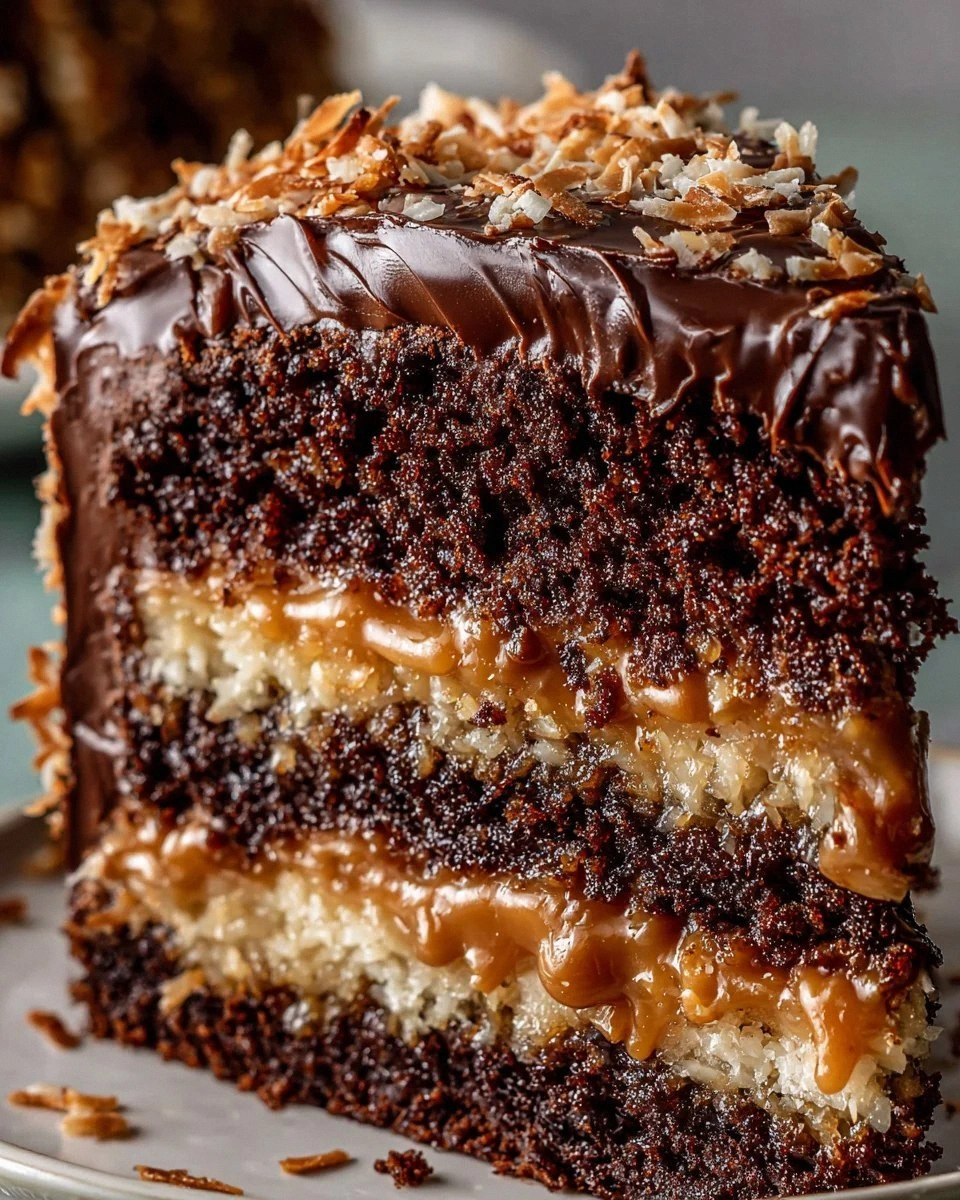
Imagine walking into your kitchen after the oven timer dings, the air instantly filling with the scent of toasted cocoa, caramelized sugar, and a whisper of vanilla that makes your nose do a happy dance. The cake rises perfectly, its edges pulling away from the pan in a gentle, golden curl that says, “I’m ready for the spotlight.” When you slice into it, the crumb is so tender it practically melts on your tongue, while the frosting spreads like a glossy, amber river, studded with toasted pecans that crack delightfully under the fork. Every bite delivers a symphony of flavors: deep chocolate, buttery caramel, and a tropical kiss from coconut that makes you think of beach vacations on a winter day.
Most recipes I’ve tried either skimp on the cocoa, over‑sweeten the frosting, or end up dry as a desert. I’ve seen cakes that crumble like stale cookies, frosting that slides off the plate, and layers that never quite line up. That’s why I set out to create a version that respects the original’s heritage while fixing every flaw that has haunted home bakers for decades. This is hands down the best version you’ll ever make at home, and I’m about to prove it to you step by step. I’m daring you to taste this and not go back for seconds—because once you’ve experienced this, nothing else will compare.
Let me walk you through every single step — by the end, you’ll wonder how you ever made it any other way. Okay, ready for the game‑changer? The secret ingredient that most people overlook is a splash of hot brewed coffee that blooms the cocoa, unlocking flavors that are usually hidden in the powder. And stay with me here — this is worth it. The journey from raw ingredients to a show‑stopping dessert is about to begin, and I promise you’ll feel like a culinary wizard by the final slice.
What Makes This Version Stand Out
- Depth: The combination of unsweetened cocoa and hot coffee creates a chocolate flavor that’s richer than any store‑bought mix, giving the cake a deep, almost bittersweet backbone.
- Moisture: Buttermilk and vegetable oil work together to keep the crumb ultra‑tender, so you’ll never encounter a dry, crumbly slice again.
- Frosting Magic: Evaporated milk and shredded coconut form a glossy, custard‑like frosting that clings to each layer without sliding off.
- Crunch Factor: Toasted pecans add a satisfying crunch that contrasts perfectly with the silky frosting, creating texture that’s both surprising and delightful.
- Simplicity: Despite the luxurious taste, the ingredient list is straightforward, and the method uses everyday kitchen tools.
- Make‑Ahead Power: The cake can be baked a day ahead, and the frosting actually improves after chilling, making it perfect for party planning.
- Crowd‑Pleaser: Even the most skeptical chocolate skeptics rave after the first bite, often asking for the recipe before the cake is even fully cooled.
- Versatility: The base is solid enough to support an optional ganache layer for those who crave an extra indulgent finish.
Inside the Ingredient List
The Flavor Base
All‑purpose flour is the structural backbone of our cake, providing the necessary gluten network that holds everything together. If you skip it or use cake flour, the cake could turn crumbly or too tender, losing that perfect slice‑able texture. I recommend sifting the flour with the cocoa powder to ensure a uniform distribution of flavor and to avoid any pesky lumps. When shopping, look for a flour that feels slightly powdery, not gritty, and store it in an airtight container to keep it fresh.
Cocoa powder, unsweetened and rich, is what gives this cake its signature dark chocolate soul. A low‑fat Dutch‑process cocoa works beautifully, but if you only have natural cocoa, add a pinch more baking soda to balance the acidity. Skipping the cocoa or substituting with chocolate chips will change the texture dramatically, turning the batter into a brownie‑like mess. For the best flavor, toast the cocoa briefly in a dry skillet—just 30 seconds—so it releases a deep, roasted aroma.
The Sweet Duo
Granulated sugar provides quick sweetness and helps aerate the batter when creamed with butter, while brown sugar adds moisture and a subtle caramel note that deepens the overall flavor profile. If you replace brown sugar with more granulated, you’ll lose that warm, molasses undertone that makes the frosting sing. For a healthier twist, you can swap half the granulated sugar with coconut sugar, but be aware the flavor will shift slightly toward a caramel‑brown vibe.
Buttermilk is the secret hero that keeps the crumb moist and tender, reacting with the baking soda to create lift and a tender crumb. If you’re out of buttermilk, combine regular milk with a tablespoon of white vinegar or lemon juice and let it sit for five minutes; the result is practically identical. Skipping buttermilk for plain milk will make the cake denser and less fluffy, a mistake many novice bakers make.
The Texture Crew
Unsalted butter, melted, adds a rich, buttery flavor that coats the flour particles, ensuring a tender crumb. Using salted butter will throw off the delicate balance of flavors, making the cake taste overly salty. For a dairy‑free version, replace butter with coconut oil, but expect a faint coconut aftertaste.
Vegetable oil is the silent moisture provider that keeps the cake from drying out, especially during the long bake. It also helps the batter stay glossy, making it easier to spread the frosting later. If you’re looking to cut down on oil, you can substitute half with applesauce, though the texture will be slightly less buttery.
The Unexpected Star
Evaporated milk in the frosting is what gives the classic German chocolate frosting its silky, custard‑like consistency without being overly heavy. Regular milk will make the frosting runny, while heavy cream will make it too thick and rich. When selecting evaporated milk, choose a brand without added sugar to keep the frosting’s balance spot‑on.
Shredded coconut and chopped pecans are the dynamic duo that define the frosting’s texture. The coconut adds chewiness and a tropical sweetness, while the pecans bring a buttery crunch that contrasts the soft cake. Toast the pecans lightly before folding them in; this intensifies their nutty flavor and prevents a raw, bitter edge.
Everything's prepped? Good. Let’s get into the real action—mixing, baking, and frosting like a pro.
The Method — Step by Step
Preheat your oven to 350°F (175°C) and grease two 9‑inch round cake pans with butter, then line the bottoms with parchment paper. This double‑layered approach ensures the cake releases cleanly and prevents any stubborn sticking. While the oven heats, take a moment to feel the cool metal of the pans; it’s a tiny reminder that you’re about to create something big.
I dare you to smell the butter as it melts—if it starts to brown a little, you’re on the right track for flavor depth.
In a large bowl, whisk together the flour, cocoa powder, baking soda, baking powder, and salt. This dry mix is the stage where the cocoa blooms, especially when you add the hot coffee in the next step. Whisk until the mixture is uniformly dark and no specks of flour remain; you’ll notice a faint, earthy aroma that tells you the cocoa is waking up.
In a separate bowl, cream together the melted butter and both sugars until the mixture is light, fluffy, and a shade lighter than caramel. This process incorporates air, which is essential for a light crumb. If you’re using a hand mixer, start on low speed and gradually increase to medium—don’t rush, or you’ll end up with a gritty texture.
Kitchen Hack: Add a pinch of sea salt to the butter‑sugar mixture; it amplifies the sweetness and balances the bitterness of cocoa.Add the eggs one at a time, beating well after each addition. The eggs act as emulsifiers, binding the butter‑sugar mixture with the dry ingredients later on. When the last egg is fully incorporated, the batter should look glossy and slightly thick—think of a rich, dark pancake batter.
Stir in the vanilla extract, then pour in the buttermilk, mixing until just combined. The acidity of the buttermilk will react with the baking soda, creating tiny bubbles that lift the batter. Don’t over‑mix; a few streaks of flour are okay—they’ll disappear in the oven.
Slowly drizzle the hot coffee or brewed espresso into the batter while folding gently. This step is pure magic: the hot liquid “blooms” the cocoa, releasing hidden flavor notes that make the cake taste like a boutique chocolate shop. You’ll notice the batter becoming smoother and a deeper shade of brown—this is the moment of truth.
Divide the batter evenly between the prepared pans, smoothing the tops with a spatula. Tap the pans lightly on the counter to release any large air pockets; you’ll hear a soft thud that signals a uniform surface.
Watch Out: Do not over‑fill the pans; leave about ½ inch of space at the top to allow for rising without spilling over.Bake for 30‑35 minutes, or until a toothpick inserted into the center comes out with just a few moist crumbs. Around the 20‑minute mark, the edges will start pulling away from the pan—this is your visual cue that the cake is almost done. The kitchen will fill with a sweet, toasty aroma that makes you want to peek inside the oven (but resist the urge!).
While the cakes cool in the pans for 10 minutes, prepare the frosting. In a saucepan, combine the evaporated milk, sugar, egg yolks, butter, and a pinch of salt. Cook over medium heat, stirring constantly, until the mixture thickens and turns a caramel‑gold color—about 12 minutes. This is the moment the frosting becomes a glossy, velvety sauce that will cling to the cake like a second skin.
Remove the pan from the heat, then stir in the shredded coconut and toasted pecans. Let the frosting cool to room temperature; it will thicken further as it sits. Once the cakes are completely cool, place one layer on a serving plate, spread a generous amount of frosting, then top with the second layer and finish with a thick ribbon of frosting around the sides and a drizzle on top.
Kitchen Hack: Use a warm, damp offset spatula to spread the frosting; the heat keeps it smooth and prevents tearing.
That's it — you did it. But hold on, I've got a few more tricks that'll take this to another level, from a glossy ganache finish to a secret garnish that will make your guests gasp.
Insider Tricks for Flawless Results
The Temperature Rule Nobody Follows
Never bake a cake straight from the fridge. Let the batter sit at room temperature for at least 20 minutes before pouring it into the pans. This small pause allows the leavening agents to activate evenly, preventing a dense, uneven crumb. I once tried to rush the process and ended up with a cake that had a gummy center—lesson learned. Trust the timer, not the rush.
Why Your Nose Knows Best
When the cake is done, the aroma will shift from raw chocolate to a sweet, buttery perfume. That scent change is a reliable indicator that the interior is set, even if the toothpick test shows a few crumbs. If you’re ever unsure, follow your nose—your senses are a better gauge than any thermometer.
The 5‑Minute Rest That Changes Everything
After the cake comes out of the oven, let it rest in the pan for exactly five minutes before turning it out onto a wire rack. This short rest lets the steam finish cooking the interior gently, preventing a cracked surface. Skipping this step results in a dry top and a crumb that falls apart when you slice. I’ve seen beginners lose a perfect cake by flipping it too early.
Frosting Consistency Cheat
If your frosting feels too runny after cooling, whisk in a tablespoon of cornstarch dissolved in cold water. It will thicken without altering the flavor. Conversely, if it’s too stiff, add a splash of milk or more evaporated milk, one teaspoon at a time, until you reach that perfect spreadable consistency.
The Ganache Finish
For an optional indulgent layer, melt heavy cream with semi‑sweet chocolate, then drizzle over the top after the frosting has set. The ganache adds a glossy sheen and an extra chocolate punch that pairs beautifully with the coconut‑pecan frosting. Let it set for five minutes before serving to avoid a messy drizzle.
The Final Touch
Just before serving, sprinkle a handful of toasted, finely chopped pecans on top of the frosting. This adds a final crunch and a visual sparkle that makes the cake look restaurant‑ready. I’ve found that a pinch of flaky sea salt on the frosting elevates the sweetness, creating a balanced flavor profile that keeps people reaching for another slice.
Creative Twists and Variations
This recipe is a playground. Here are some of my favorite ways to switch things up:
Coffee‑Infused Ganache
Replace the plain chocolate ganache with a coffee‑infused version by steeping espresso grounds in the heavy cream before melting the chocolate. The result is a mocha‑kissed top that adds a sophisticated bitterness to the sweet frosting.
Coconut‑Lime Fusion
Add zest of one lime to the frosting and substitute half of the shredded coconut with toasted coconut flakes. The lime brightens the tropical notes and gives the frosting a refreshing zing.
Nut‑Free Delight
Swap the pecans for toasted pumpkin seeds or sunflower seeds. The texture remains crunchy, and the flavor shifts to a milder, earthy profile that’s perfect for those with nut allergies.
Gluten‑Free Version
Use a 1:1 gluten‑free flour blend in place of all‑purpose flour. Add a teaspoon of xanthan gum to mimic the gluten structure, and you’ll still get a light, airy crumb.
Spiced Holiday Edition
Incorporate a pinch of ground cinnamon, nutmeg, and a dash of allspice into the dry ingredients. The warm spices turn the cake into a festive centerpiece, especially when paired with a drizzle of caramel sauce.
Vegan Adaptation
Replace the eggs with a flax‑egg mixture (1 tbsp ground flaxseed + 3 tbsp water per egg) and use coconut milk instead of buttermilk. Use vegan butter and a plant‑based evaporated milk alternative for the frosting. The result is a dairy‑free, egg‑free cake that still delivers on texture and flavor.
Storing and Bringing It Back to Life
Fridge Storage
Cover the cake tightly with a layer of plastic wrap, then store it in an airtight container. It will stay fresh for up to five days. The frosting may firm up a bit; let the cake sit at room temperature for 20 minutes before serving to soften the frosting.
Freezer Friendly
Wrap each cake layer separately in freezer‑grade parchment, then a layer of aluminum foil, and place them in a zip‑top bag. Freeze for up to three months. To thaw, move the layers to the refrigerator overnight, then bring to room temperature before frosting.
Best Reheating Method
When you want a warm slice, preheat the oven to 300°F (150°C), place a slice on a baking sheet, and add a tiny splash of water to the edge of the slice. Cover loosely with foil and heat for 8‑10 minutes. The steam revives the crumb, and the frosting becomes luxuriously soft again.