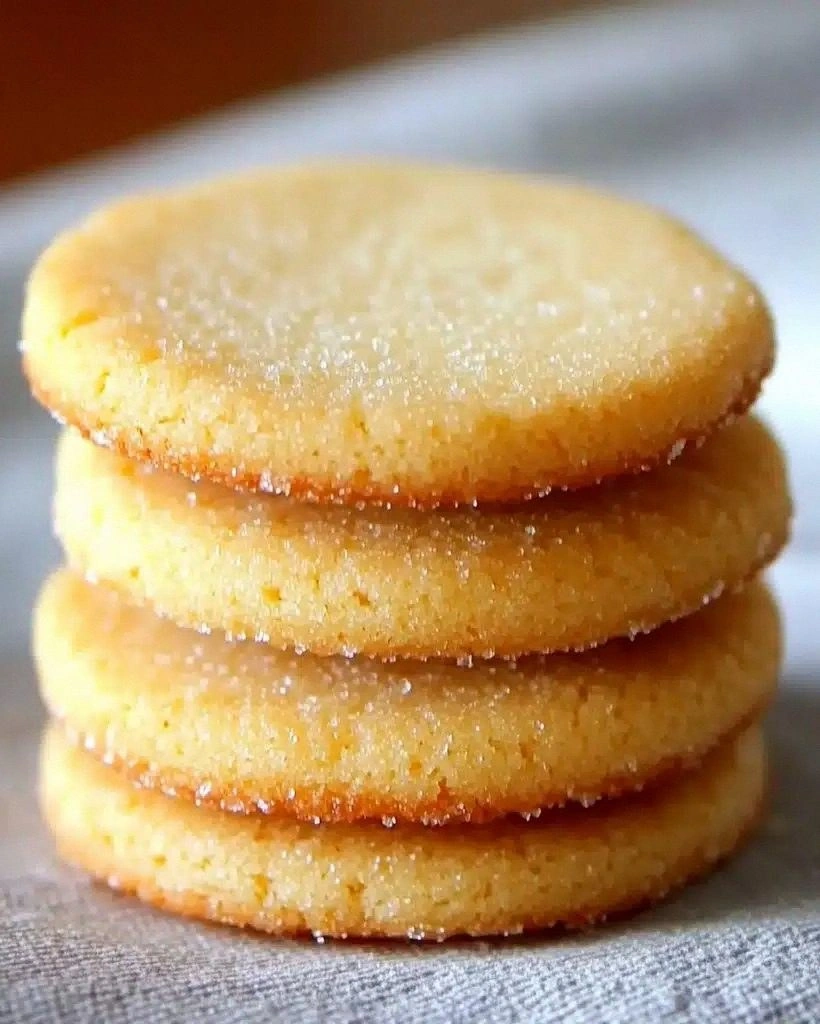
I still remember the first time I tasted a proper French butter cookie—one of those pale golden disks that shatter into a thousand buttery flakes the instant they touch your tongue. It was a rainy Tuesday in Paris, and I was ducking into a boulangerie to escape a sudden downpour. The scent hit me first: warm butter, toasted sugar, and a whisper of vanilla that curled around me like cashmere. I bought one cookie—just one, because my wallet was thin and my French was thinner—and bit into it right there on the sidewalk. The rain kept falling, but time stopped. I was convinced the baker had slipped in some kind of magic. Fast-forward a decade and a few dozen failed attempts, and I finally cracked the code in my own kitchen, armed with nothing fancier than a hand mixer and a mild obsession with the perfect crumb.
Most recipes you’ll find online treat these cookies like sugar-cookie cousins that simply contain more fat. That, my friend, is culinary heresy. The real French sablé—the one Parisians hoard in tin boxes and bring out only for guests they actually like—relies on a delicate balance of two sugars, precisely softened butter, and a chilling technique that feels like kitchen wizardry. I dare you to taste this version and not go back for seconds. Actually, I dare you to make it through the cooling stage without “testing” half the batch. I’ll be honest: I ate six before my roommate got home, and I’m not even sorry. The texture lands somewhere between shortbread and a cloud, with crispy edges that shatter like thin ice and centers that dissolve on contact.
Picture yourself pulling a tray out of the oven. The kitchen smells like a Breton dairy farm kissed by vanilla orchids. Your phone buzzes—friends asking what you’re up to tonight. You send back a single photo of these golden moons dusted with snowy sugar, and suddenly everyone’s free. That’s the power move here. Most recipes get this completely wrong by over-sweetening the dough or skipping the double-sugar step. Here’s what actually works: a yin-yang of granulated and powdered sugar that creates micro-layers of tenderness and crunch. Stay with me here—this is worth it.
Okay, ready for the game-changer? We’re going to cream the butter until it’s the color of primroses, fold in flour like we’re tucking in a baby, then chill the dough in a log so you can slice off perfect rounds whenever the craving strikes. No rolling pins, no cookie cutters, no drama. Let me walk you through every single step—by the end, you’ll wonder how you ever made it any other way.
What Makes This Version Stand Out
- Butter-Forward: Instead of hiding behind vanilla or almond extract, this recipe lets cultured butter sing solo. The result is a cookie that tastes like the best part of croissant filling—minus the labor.
- Two-Sugar Magic: Granulated sugar provides crunch; powdered sugar delivers melt. Together they create a texture that’s both sandy and velvety, like walking on warm beach powder.
- No-Fuss Shaping: Forget rolling and cutting. You’ll pat the dough into a log, chill, and slice. Even my butter-fingered neighbor (who once set pasta on fire) nailed it on the first try.
- Make-Ahead Hero: The dough keeps in the freezer for three months. Guests drop by unannounced? You’re ten minutes away from hot, bakery-level cookies.
- Flavor Chameleon: Swap in citrus zest, lavender, or a whisper of cardamom and the cookie transforms without losing its soul. I’ve tried them all; the base is bulletproof.
- Crowd Whisperer: Serve these at a party and watch grown adults revert to polite children, nibbling slowly to make the cookie last. I’ve seen it happen.
Alright, let’s break down exactly what goes into this masterpiece...
Inside the Ingredient List
The Flavor Base
Unsalted butter is the star, and quality matters more than pedigree. You don’t need to mortgage your house for the $30 block from Normandy, but skip the bargain-bin stuff that smells like movie-popcorn topping. Look for butter that’s pale yellow and smells fresh cream, not fridge. Softened means genuinely pliable—leave it on the counter for an hour, not ten minutes in a microwave death spiral. If you can press a fingertip in and leave a clean cave, you’re golden. Anything colder and the sugar can’t punch air pockets into it; anything warmer and you’ll grease the flour into a sad paste.
The Texture Crew
All-purpose flour provides the scaffolding, but the two sugars are the real architects. Granulated sugar crystals cut tiny air pockets into the butter, creating lift and those delicate crispy edges. Powdered sugar, with its cornstarch sidekick, fills those pockets with tenderness so the cookie dissolves instead of crunches like a dog biscuit. Skipping either sugar is like trying to waltz with one shoe—you’ll move, but it won’t be graceful. If you live in a humid climate, fluff your flour in the jar before spooning it into the cup; otherwise you’ll pack in up to 15% extra and end up with shortbread bricks.
The Unexpected Star
A quarter-teaspoon of salt sounds trivial, but it’s the difference between flat and symphonic. Use fine sea salt so it disperses evenly—those chunky kosher crystals can leave surprise saline landmines. Vanilla extract warms the butter’s grassy notes and makes your kitchen smell like you’ve been baking all day even if you started twenty minutes ago. If you’ve never tried a vanilla bean paste, splurge once; the flecks make the cookies look like expensive confetti.
The Final Flourish
Gluten-free friends, rejoice—swap in a cup-for-cup blend that contains rice flour and a touch of xanthan gum. Coconut sugar works in place of granulated if you want a deeper, almost toffee vibe, but keep the powdered sugar for structure. And if you’re dairy-free, I’ve tested vegan butter; pick a brand that’s at least 79% fat and chill the dough an extra thirty minutes to firm up the softer plant-based oils.
Everything’s prepped? Good. Let's get into the real action...

The Method — Step by Step
- Start by beating the softened butter on medium speed until it looks like thick whipped cream—pale, fluffy, and light enough to spread on a fragile cracker without tearing it. This takes about three minutes in a stand mixer or four with a hand mixer. Don’t rush; aeration is your insurance against dense cookies. Scrape the bowl once halfway so no chilly butter lumps lurk at the bottom. When it’s ready, the butter will have grown in volume and lost that waxy yellow stiffness.
- Add both sugars and continue beating another two minutes. The mixture will turn the color of fresh cream with tiny sugar sparkles catching the light. Stop and sniff: you should smell sweet butter and a hint of caramel. That’s the granulated sugar beginning to dissolve, creating microscopic syrup pockets that candy ever so slightly in the oven.
- Beat in the vanilla and salt just until combined—thirty seconds max. Over-mixing here can start toughening the butter, so show some restraint. If you’re adding citrus zest or lavender, now’s the moment; the fat will trap the volatile oils and keep them from evaporating in the heat.
- Switch to low speed and add the flour in three additions. Let each batch disappear before adding the next. The dough will look shaggy and unpromising at first—like buttery couscous—but keep mixing and it suddenly coheres into a soft, pliable mass that feels like Play-Doh made by angels.
- Dump the dough onto a sheet of parchment. Pat it into a rough rectangle, then roll it into a log about two inches in diameter. Twist the parchment ends like a giant candy wrapper, then slide the log onto a tray and refrigerate at least two hours or up to three days. If you’re impatient, twenty minutes in the freezer works, but the flavor deepens overnight as the vanilla and butter get acquainted.
- When you’re ready to bake, heat the oven to 325°F (160°C). Line two sheets with parchment. Unwrap the log and slice into quarter-inch rounds with a sharp chef’s knife. Rotate the log every few cuts to keep it round; if it flattens, gently roll it back into shape between your palms.
- Arrange the slices an inch apart on the trays. They spread only a whisper, but give them room for hot air to circulate. Slide into the middle rack and bake 18–22 minutes, rotating trays halfway. You’re looking for edges that blush a light caramel; centers should still look pale. They’ll feel soft—don’t panic. The cookies set as they cool.
- Cool on the tray for five minutes, then transfer to a rack. This is the hardest part: wait until they’re room temperature before sampling. The crumb needs time to finish setting, and the flavor blooms as steam escapes. If you bite in too early, you’ll think they’re under-baked and angry.
That's it—you did it. But hold on, I've got a few more tricks that'll take this to another level...
Insider Tricks for Flawless Results
The Temperature Rule Nobody Follows
Your fridge is probably set too cold. Most home fridges hover at 34°F, which can turn the log into a rock and cause slicing casualties. Aim for 38°F for the perfect firm-yet-yielding texture. If you can adjust a drawer to that zone, stash the dough there. A friend tried skipping this step once—let’s just say the cookies baked up like poker chips and she blamed the recipe for six months.
Why Your Nose Knows Best
When the cookies are almost done, you’ll smell a deep, nutty aroma that signals the milk solids in the butter are caramelizing. That’s your cue to start checking edges. If you wait for visual browning alone, you’ve overshot. Trust your olfactory bulb; it’s been keeping humans from burning food since cave times.
The 5-Minute Rest That Changes Everything
After sliding the tray from the oven, rap it once on the counter. The gentle jolt deflates any sneaky air pockets and sets the bottoms. Let the cookies sit undisturbed for five full minutes before transferring to a rack. They’ll finish baking from residual heat while staying tender inside. Skip this and you risk amputated limbs every time you lift with a spatula.
Slice-and-Bake Secret
Roll the log in demerara sugar before chilling for sparkly, caramel-crunch edges. The crystals stick to the butter and create a glass-like surface that crackles under teeth. It’s optional, but once you try it, plain edges feel like showing up to a party underdressed.
Creative Twists and Variations
This recipe is a playground. Here are some of my favorite ways to switch things up:
Lemon Verbena Spark
Swap vanilla for half a teaspoon of lemon verbena oil and add a teaspoon of finely grated lemon zest. The herbal citrus note makes the cookies taste like summer in Provence. Serve with iced mint tea and prepare for swoons.
Mocha-Dust Delight
Dissolve a teaspoon of espresso powder in the vanilla, then fold in mini chocolate chips after the flour. The coffee deepens the butter flavor without shouting “caffeine!”—perfect for brunch where you want subtle sophistication.
Salted Caramel Ripple
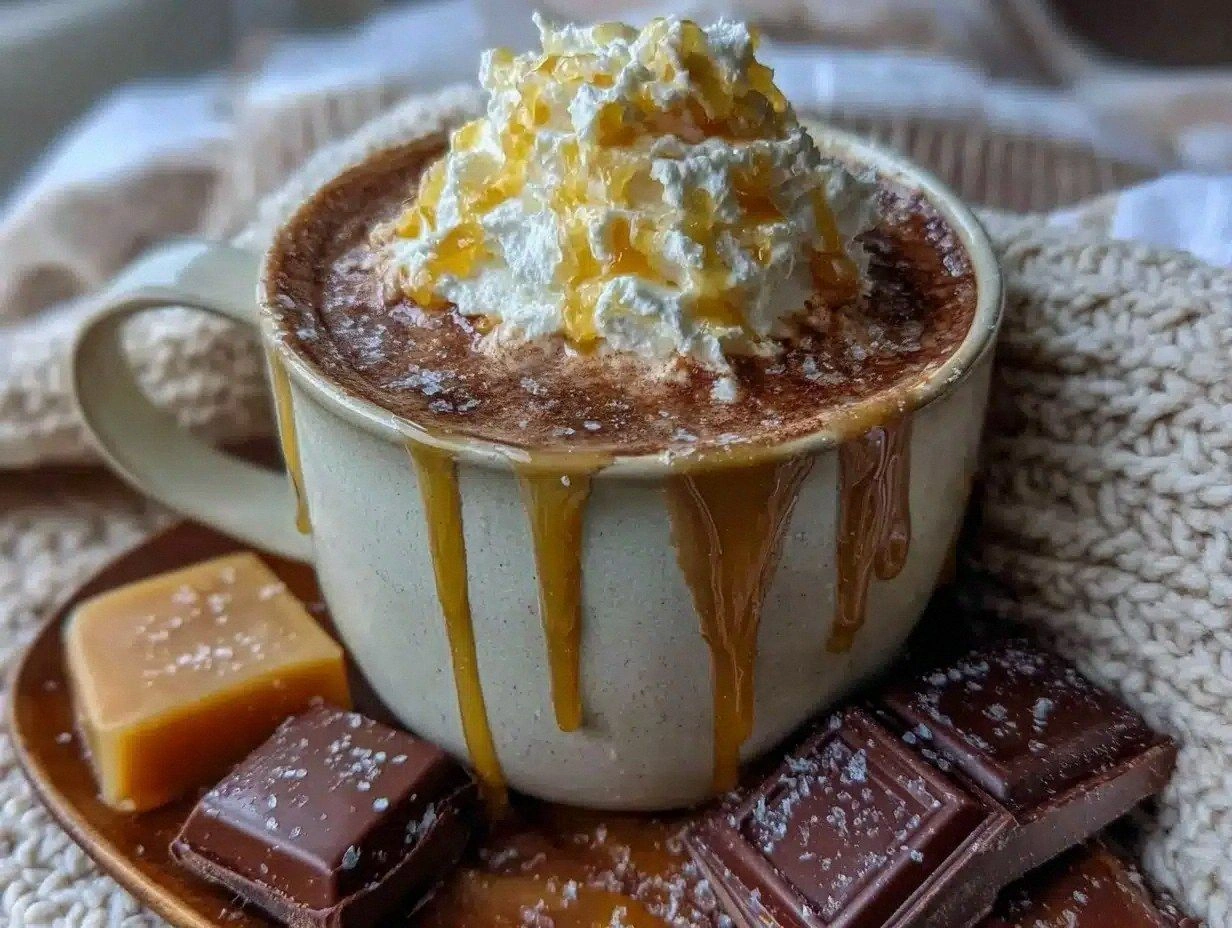
Drizzle cooled cookies with warm caramel and a snowflake of flaky salt. The sweet-salty contrast turns humble sablés into dinner-party currency. I’ve traded a dozen for a bottle of good wine; fair swap in my book.
Lavender Honey Dream
Replace two tablespoons of powdered sugar with lavender honey and add a pinch of culinary lavender buds. The honey adds chew, the lavender adds mystery. If you’ve ever wanted to eat a summer garden, this is your portal.
Double-Chocolate Smackdown
Replace a quarter-cup of flour with Dutch-process cocoa and add half a cup of finely chopped bittersweet chocolate. The cookies emerge looking like Oreo’s sophisticated French cousin—crisp edges, brownie-soft centers.
Orange-Cardamom Snow
Add a teaspoon of orange zest and a pinch of ground cardamom, then dust cooled cookies with powdered sugar snow. The spice whispers Scandinavian hygge while staying true to the French soul. Great with dark coffee on a snowy afternoon.
Storing and Bringing It Back to Life
Fridge Storage
Once completely cool, layer cookies in an airtight tin with parchment between. They’ll stay crisp for five days at room temperature or two weeks in the fridge. The butter fat can pick up fridge odors faster than gossip, so seal them well. Add a sugar cube to the tin; it acts like a mini humidifier and keeps edges from softening.
Freezer Friendly
Freeze the baked cookies on a tray until solid, then tumble into a zip bag. They keep for three months and thaw in ten minutes on the counter. For an instant dessert, sandwich two with a scoop of vanilla frozen yogurt and refreeze ten minutes—mini ice-cream sandwiches that impress without stress.
Best Reheating Method
Revive slightly stale cookies by spreading on a sheet and warming at 300°F for five minutes. The butter re-liquifies, edges crisp, and the kitchen smells like you just baked. Add a tiny splash of water to the tray before reheating—it steams back to perfection without drying.