I’ll be honest — I ate half the batch before anyone else got to try it, and that’s because this slow‑cooker potato masterpiece is nothing short of a flavor bomb that detonates the moment you lift the lid. It all started on a rainy Tuesday when my oven decided to take a nap, the kids were demanding something buttery and comforting, and I was staring at a sack of potatoes that looked like they’d been waiting for a rescue mission. I tossed a packet of Lipton onion soup mix into the mix, hit the “low” button, and what happened next was pure culinary alchemy: the potatoes emerged drenched in a buttery, onion‑kissed glaze that clung to each quarter like a second skin. If you’ve ever struggled with soggy, bland spuds that taste like cardboard, you’re not alone — I’ve been there, and I’ve finally found the fix that makes even the most skeptical eaters beg for seconds.
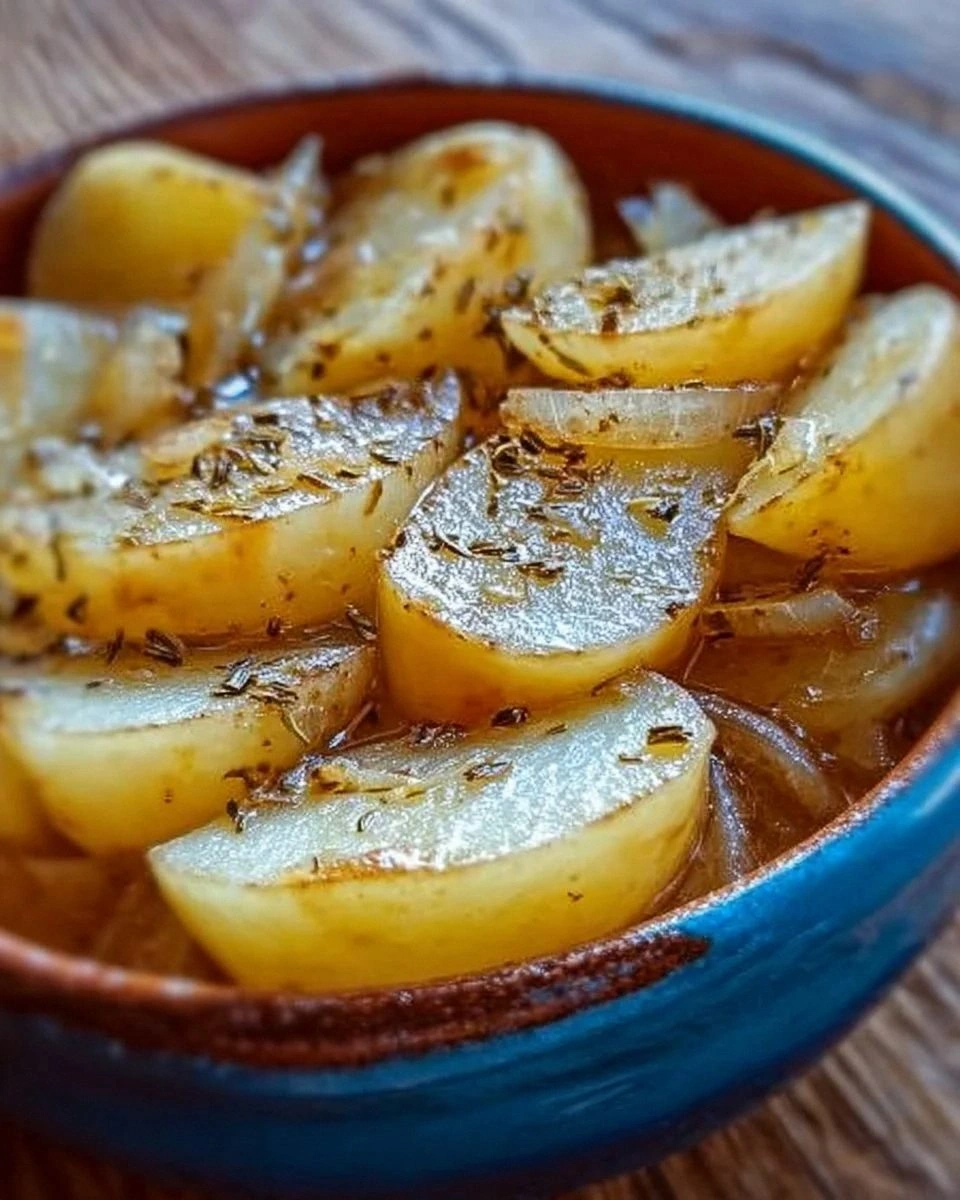
Picture yourself pulling the slow cooker out of the kitchen, the whole house smelling like a French bistro on a Sunday morning, the aroma of caramelized onions and melted butter wrapping around you like a warm hug. The potatoes are golden‑brown on the edges, soft and fluffy inside, and they practically melt in your mouth while the broth‑like sauce thickens into a glossy coating that shimmers under the kitchen light. I dare you to taste this and not go back for seconds; the combination of salty, buttery, and umami notes is so addictive that you’ll start planning your next dinner around it before the first bite even settles. Most recipes get this completely wrong by either over‑cooking the potatoes or drowning them in a watery sauce, but this version uses the slow cooker’s gentle heat to coax out the natural starches, allowing the butter and soup mix to create a velvety texture that no oven‑roasted batch can match.
What really sets this dish apart is the secret weapon hidden in the pantry: a single packet of Lipton onion soup mix. That little sachet is packed with dehydrated onions, herbs, and a pinch of MSG that amplifies the flavor without any extra effort, turning humble potatoes into a side dish worthy of a five‑star menu. And because we’re using a slow cooker, you can set it and forget it, freeing up your hands for a glass of wine, a quick salad, or that novel you’ve been meaning to finish. I’m about to walk you through every single step — by the end, you’ll wonder how you ever made it any other way, and you’ll have the confidence to brag about it at every potluck.
What Makes This Version Stand Out
- Flavor Explosion: The Lipton onion soup mix infuses every quarter with a deep, savory umami that’s amplified by the butter, creating a taste that’s richer than a steak‑house sauce.
- Texture Harmony: The slow‑cooker method yields a tender interior while the top layer caramelizes just enough to give you that satisfying, slightly crisp edge.
- Hands‑Free Simplicity: Set it, walk away, and return to a dish that’s fully cooked, no stirring, no babysitting, just pure, lazy‑day perfection.
- Ingredient Minimalism: Only six items go into the pot, yet the result feels like you’ve spent hours layering flavors.
- Crowd‑Pleaser Factor: Whether you’re feeding a family of four or a gathering of friends, the buttery, aromatic profile wins over even the pickiest eaters.
- Make‑Ahead Magic: This dish stores beautifully, meaning you can prep it the night before and have dinner ready with a single press of a button.
- Versatile Base: Use it as a side, a topping for steaks, or even mash the leftovers for a quick shepherd’s pie filling.
- Cost‑Effective Comfort: Potatoes are cheap, the soup mix is pantry‑stable, and the butter adds a luxurious touch without breaking the bank.
Inside the Ingredient List
The Flavor Base
The Lipton onion soup mix is the unsung hero here. It’s a blend of dehydrated onions, parsley flakes, and a secret mix of seasonings that act like a flavor amplifier, turning plain potatoes into a dish that sings. If you skip it, you’ll end up with bland, watery potatoes that lack that signature depth. Want a gluten‑free twist? Swap the packet for a homemade onion‑herb blend using garlic powder, thyme, and a pinch of smoked paprika.
The Texture Crew
Three pounds of russet or Yukon gold potatoes, peeled and quartered, provide the perfect canvas. Russets give you a fluffy interior, while Yukon golds add a buttery richness that pairs beautifully with the broth. Cutting them into quarters ensures they cook evenly and soak up the sauce without disintegrating. If you’re aiming for a firmer bite, try cutting the potatoes into larger chunks; just add a few extra minutes to the cooking time.
The Unexpected Star
One cup of water might seem like a filler, but it’s the steam engine that turns the onion mix into a luscious sauce. As the slow cooker heats, the water dissolves the soup packet, creating a broth that seeps into every crevice of the potatoes. Skipping the water results in a dry, uneven coating. For a richer mouthfeel, substitute half the water with low‑sodium chicken broth.
The Final Flourish
A quarter‑cup of unsalted butter (or a halal‑friendly substitute) is what makes the sauce glossy and indulgent. Butter not only adds flavor but also helps the sauce cling to the potatoes, giving that luxurious mouthfeel. If you’re dairy‑free, try a plant‑based butter that melts similarly. A pinch of salt and pepper to taste brings the whole dish into balance, while a sprinkle of fresh parsley adds a pop of color and a hint of herbal brightness.
Everything's prepped? Good. Let’s get into the real action, because the magic happens when heat meets butter and onion goodness.
The Method — Step by Step
First, gather your potatoes, peel them, and cut each into quarters. The key here is uniform size; this ensures every piece reaches that perfect tenderness at the same time. As you work, the kitchen fills with the faint scent of fresh earth — a comforting reminder that you’re about to create something hearty. Toss the quarters into the slow cooker, spreading them out in an even layer so the butter and broth can coat each piece without crowding.
Kitchen Hack: Pat the potatoes dry with a paper towel before adding them to the cooker; this prevents excess moisture from diluting the sauce.Next, melt the quarter‑cup of butter in a small saucepan over low heat. As the butter liquefies, you’ll hear a gentle sizzle that signals it’s ready to mingle with the onion mix. Add the entire packet of Lipton onion soup mix to the melted butter, stirring until the granules dissolve into a smooth, fragrant paste. This step is pure magic because the butter acts as a carrier for the seasonings, ensuring every potato gets a buttery, onion‑laden hug.
Now, pour the butter‑onion mixture over the potatoes in the slow cooker, spreading it with a spatula so each quarter gets a generous coating. The potatoes will start to glisten instantly, and you’ll notice a faint steam rising — that’s the beginning of the sauce formation. Add the cup of water (or broth if you chose the richer route) directly into the pot, letting it mingle with the butter blend. Give everything a gentle stir, but be careful not to break the potato chunks; you want them intact for that perfect bite.
Season with salt and pepper to taste, remembering that the soup mix already contains some salt. Sprinkle a modest amount, then taste the broth if you’re feeling brave — you’ll detect a subtle onion depth that’s already promising. If you’re a fan of herbaceous notes, now’s the moment to toss in a tablespoon of fresh thyme or rosemary; they’ll infuse the broth with an aromatic lift.
Cover the slow cooker and set it to “low” for 6‑7 hours, or “high” for 3‑4 hours if you’re short on time. The low setting is where the real transformation occurs: the potatoes absorb the buttery broth slowly, becoming melt‑in‑your‑mouth soft while the edges start to caramelize from the butter’s sugars. If you’re using the high setting, keep an eye on the texture; you’ll want the potatoes fork‑tender but not falling apart.
Watch Out: Avoid opening the lid too often; each lift releases heat and can add 15‑20 minutes to the cooking time.About 30 minutes before the end of the cooking cycle, give the potatoes a gentle stir to redistribute the sauce. This is the moment of truth: the sauce should have thickened to a glossy glaze that clings to each quarter like velvet. If it looks too watery, turn the cooker to “high” for the final 10 minutes; the extra heat will evaporate excess liquid, concentrating the flavors.
When the timer dings, turn off the slow cooker and let the dish sit, uncovered, for five minutes. This resting period allows the sauce to settle and the potatoes to firm up just enough for a clean serve. During this time, the kitchen will be filled with an intoxicating aroma that makes you want to lick the spoon — a sign that you’ve nailed the seasoning.
Finally, sprinkle chopped fresh parsley over the top for a burst of color and a hint of fresh herbaceous brightness. Serve the potatoes straight from the slow cooker or transfer them to a serving platter; either way, the buttery glaze will still be glistening. Pair them with a simple green salad, a grilled steak, or enjoy them as a stand‑alone comfort dish. And now the fun part: dig in and watch everyone ask for the recipe.
Kitchen Hack: For a crispier top, transfer the cooked potatoes to a baking sheet, drizzle a little extra melted butter, and broil for 3‑4 minutes just before serving.
That's it — you did it. But hold on, I've got a few more tricks that'll take this to another level, because a good dish never stops evolving.
Insider Tricks for Flawless Results
The Temperature Rule Nobody Follows
Most home cooks set their slow cooker on “low” and forget about the subtle temperature differences that affect starch gelatinization. Keeping the cooker at a steady 190°F (88°C) for the bulk of the cooking time ensures the potatoes absorb the butter‑onion broth evenly, resulting in that melt‑in‑your‑mouth texture. If you notice the potatoes are still a bit firm after the recommended time, crank the heat up by 10°F and let them finish; the extra heat will finish the starch conversion without over‑cooking the edges.
Why Your Nose Knows Best
Never underestimate the power of smell as a cooking gauge. Around the 5‑hour mark on low, you should detect a sweet, caramelized scent rising from the pot — that’s the butter’s sugars browning just enough to give the potatoes that golden edge. If the aroma is still raw or watery, give the dish another 15‑20 minutes; the nose is a more reliable indicator than a timer.
The 5‑Minute Rest That Changes Everything
After the cooker shuts off, resist the urge to dive right in. Letting the potatoes rest for five minutes lets the sauce thicken further and the flavors meld, similar to how a steak rests after grilling. This short pause can turn a good dish into a great one, because the butter re‑emulsifies with the broth, coating each quarter perfectly.
Butter‑Boosted Finish
A final swirl of fresh, melted butter just before serving adds a glossy sheen and an extra layer of richness that makes the dish feel restaurant‑grade. I’m a fan of using a garlic‑infused butter for an extra punch; melt a tablespoon of butter with a crushed garlic clove, strain, and drizzle over the potatoes right before the garnish.
Seasoning at the End
Because the soup mix already contains salt, it’s easy to over‑season early on. I recommend holding off on the final pinch of salt until after the resting period, then tasting the sauce. This way you can adjust the seasoning precisely, ensuring the balance between buttery, salty, and oniony hits just right.
Creative Twists and Variations
This recipe is a playground. Here are some of my favorite ways to switch things up:
Cheesy Garlic Delight
Stir in a cup of shredded cheddar or mozzarella during the last 15 minutes of cooking. The cheese melts into the buttery broth, creating a gooey, indulgent coating that kids adore. Pair with a crisp white wine for a balanced bite.
Spicy Chipotle Kick
Add a tablespoon of chipotle in adobo sauce to the butter‑onion mixture for a smoky heat that cuts through the richness. This variation is perfect for taco nights or when you want a side that stands up to bold flavors.
Herb‑Infused Mediterranean
Swap the parsley garnish for a mix of chopped oregano, basil, and a squeeze of lemon juice after cooking. The citrus brightens the buttery base, giving the dish a Mediterranean flair that pairs beautifully with grilled lamb.
Vegan Velvet
Replace the butter with a plant‑based alternative like Earth Balance, and ensure the soup mix is vegan (some versions contain dairy). The result is just as creamy, and the potatoes retain their comforting texture.
Crispy Potato Skins
After cooking, scoop out the interior of each quarter, leaving a thin shell, then brush with extra butter and broil until crisp. Fill the skins with the scooped potato mash, sprinkle with cheese, and serve as a hearty appetizer.
Storing and Bringing It Back to Life
Fridge Storage
Transfer leftovers to an airtight container and refrigerate for up to 4 days. The butter‑onion sauce will thicken as it cools, so when you reheat, add a splash of water or broth to loosen it back to a silky glaze.
Freezer Friendly
Cool the potatoes completely, then portion them into freezer‑safe bags, removing as much air as possible. They’ll keep for up to 3 months. To reheat, thaw overnight in the fridge, then warm in a skillet with a knob of butter, stirring until the sauce revives.
Best Reheating Method
For the ultimate reheated texture, use a skillet over medium heat. Add a tablespoon of water or broth, cover for two minutes to steam, then uncover and let the butter caramelize again for a minute. This method restores the glossy coating and prevents the potatoes from turning rubbery.