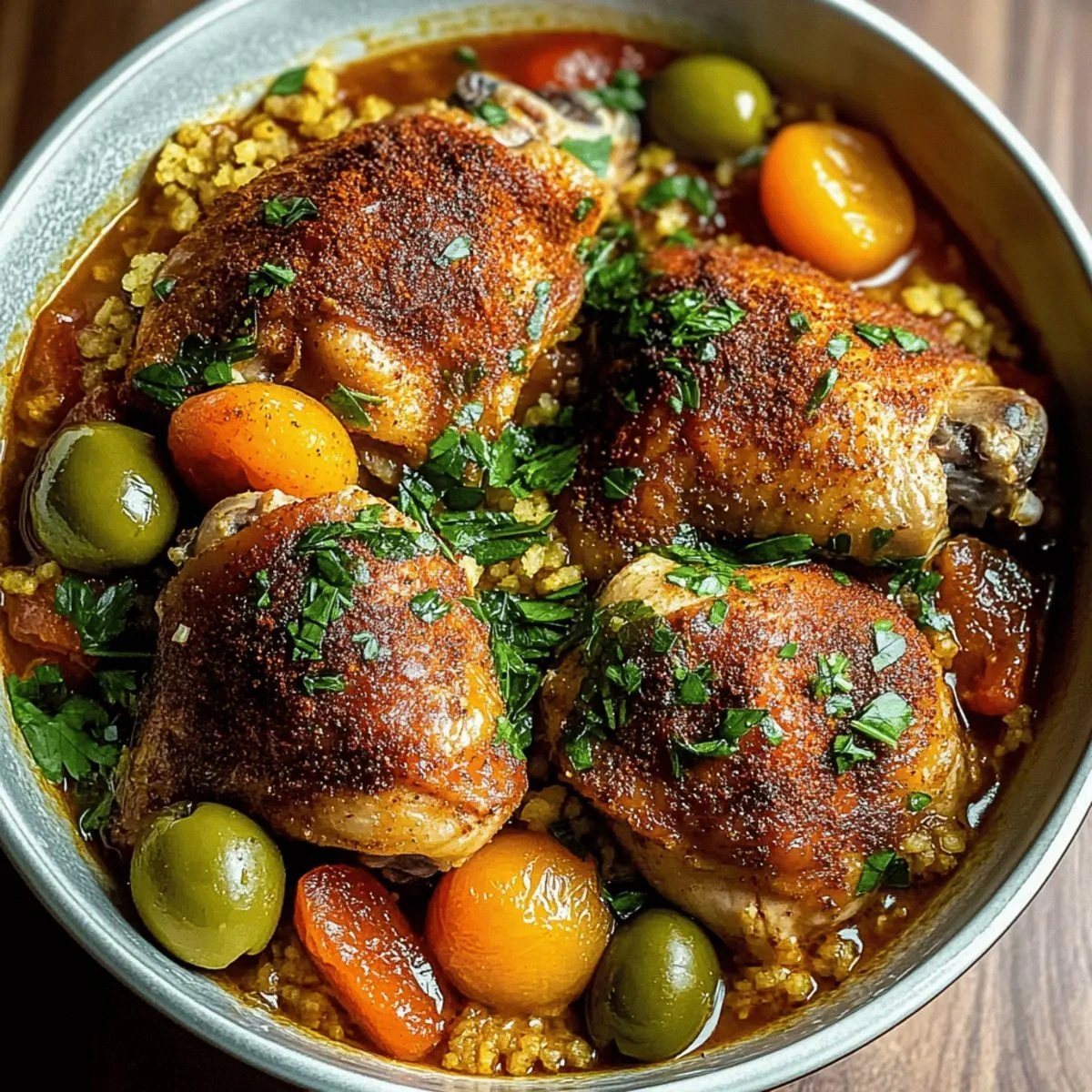
I still remember the day I nearly set my kitchen on fire trying to make a Moroccan chicken stew from some fancy cookbook that promised "authentic flavors in under an hour." Three hours later, my smoke alarm was serenading the neighborhood, my chicken resembled shoe leather, and the sauce tasted like someone had dissolved a potpourri sachet in dishwater. I sat on my kitchen floor, surrounded by a mountain of dirty dishes, wondering how something that sounded so exotic and comforting could go so catastrophically wrong.
Fast forward through three weeks of obsessive testing, four trips to different spice markets, and what my neighbors probably thought was a very specific form of culinary insanity, and I finally cracked the code. The moment I tasted this version, everything clicked into place — the warm spices dancing in perfect harmony, the chicken so tender it practically sighed as you cut into it, that sauce that coats every grain of couscous like liquid gold. I actually called my best friend at midnight just to tell her I'd found the holy grail of comfort food, and yes, she hung up on me, but that's beside the point.
This isn't just another chicken stew recipe; this is the one that'll make you cancel dinner reservations because nothing out there can compete with what's simmering on your stove. The secret lies in the layering of flavors — not just throwing everything in a pot and hoping for the best, but building a symphony of tastes that transport you straight to a bustling Moroccan souk. Picture yourself pulling this out of the oven, the whole kitchen smelling like warm spices and slow-cooked love, your family drifting in like cartoon characters following a pie on a windowsill.
What makes this version different? I discovered that most recipes get the spice timing completely wrong, turning what should be a complex, warming blend into a muddy, one-note disappointment. Plus, I'm sharing the game-changing technique that keeps the chicken impossibly moist while infusing every bite with those incredible North African flavors. Stay with me here — this is worth it. Let me walk you through every single step — by the end, you'll wonder how you ever made it any other way.
What Makes This Version Stand Out
Depth Overload: This stew achieves what most recipes only dream of — layers upon layers of flavor that hit different parts of your palate with each bite. The warm spices hit first, followed by the bright acidity of tomatoes, then the sweet pop of apricots, and finally that briny olive finish that makes you close your eyes and sigh.
Chicken That Actually Tastes Like Chicken: Instead of dry, stringy meat that tastes like whatever sauce it's swimming in, my method keeps the thighs juicy and lets them absorb the spices without turning to mush. The result? Chicken that tastes like chicken, but better — like chicken that's been on a life-changing vacation.
One-Pot Wonder Status: Despite tasting like you spent all day in the kitchen, this entire masterpiece comes together in a single Dutch oven. That means fewer dishes and more time to actually enjoy dinner with people who'll inevitably ask for the recipe.
Make-Ahead Champion: This stew tastes even better the next day, which makes it perfect for Sunday meal prep or impressing dinner guests without breaking a sweat. The flavors meld and deepen overnight, creating something even more magical than when you first made it.
Flexibility Factor: Can't find dried apricots? Use golden raisins. Don't like olives? Leave them out (though I'll be honest — you're missing out on something special). This recipe bends to accommodate what you have while still delivering incredible results.
Comfort Food Cred: There's something about the combination of warm spices, tender meat, and that rich sauce that wraps around you like your favorite sweater. It's comfort food that happens to be healthy enough for weekday dinners yet impressive enough for company.
Leftover Gold: The remaining sauce transforms plain rice, quinoa, or even toast into something extraordinary. I've been known to eat it straight from the container standing in front of the fridge at midnight — no judgment here.
Inside the Ingredient List
The Flavor Foundation
The olive oil here isn't just for cooking — it's the carrier for all those incredible spices we're about to bloom. I use a good quality extra virgin olive oil because it adds its own fruity, peppery notes to the party. Don't you dare reach for that old bottle that's been sitting next to your stove for two years; rancid oil will ruin everything faster than you can say "tagine." The onion forms the aromatic base that'll make your kitchen smell like you've been transported to a Moroccan grandmother's kitchen, and trust me, your neighbors will be jealous of whatever you're cooking.
Garlic is the flavor amplifier that makes everything else taste more like itself, and in this dish, we want that effect in spades. Three cloves might seem like a lot, but they'll mellow and sweeten as they cook, creating this gorgeous backdrop that makes the spices sing. If you've ever wondered why restaurant food tastes better than yours, nine times out of ten it's because they aren't afraid of seasoning properly — and that includes being generous with aromatics.
The Spice Symphony
Here's where most recipes go wrong — they treat these spices like an afterthought instead of the main event. Each one plays a crucial role: cumin brings that earthy, slightly smoky depth; coriander adds lemony, floral notes; ginger provides bright heat; cinnamon brings warmth and subtle sweetness; cayenne adds just enough kick to make things interesting without overwhelming the other flavors. The turmeric isn't just there for color (though it does create this gorgeous golden hue) — it adds an earthy bitterness that balances the sweet elements perfectly.
I dare you to taste this and not go back for seconds when you smell these spices blooming in the oil. That aroma is your kitchen's way of telling you something incredible is about to happen. Most recipes get this completely wrong by adding spices too late or not cooking them enough. We're going to toast them until they're fragrant but not burnt — it's a fine line, but once you get it right, you'll never forget that smell.
The Texture Crew
Those canned diced tomatoes are going to break down and create the silkiest sauce you've ever tasted, but here's the key — don't buy the cheap ones packed in water. Splurge on tomatoes packed in juice; they actually taste like tomatoes instead of red cardboard. The chicken broth amplifies the savory notes and creates the perfect consistency for coating every piece of chicken and vegetable.
Chickpeas are the unexpected heroes here, providing these creamy little pockets that soak up all the surrounding flavors while maintaining their shape. Don't even think about skipping them — they're what transforms this from a simple chicken dish into a complete, satisfying meal. The dried apricots are my secret weapon, adding little bursts of sweetness that play against the savory elements like a culinary symphony. And those green olives? They bring a briny pop that cuts through the richness and keeps you coming back for "just one more bite" until the pot is empty.
The Final Flourish
Fresh cilantro or parsley isn't just a pretty garnish — it adds a bright, herbaceous note that lifts the entire dish. The key is adding it right before serving so it stays vibrant and doesn't wilt into sad green specks. As for the salt and black pepper, I'll be honest — I ate half the batch before anyone else got to try it because I kept "adjusting the seasoning" until I realized I'd better stop or there wouldn't be dinner.
Serving this over couscous or rice isn't optional in my book — you need something to catch every last drop of that incredible sauce. The tiny grains of couscous are traditional and perfect for soaking up all those flavors, but a fluffy basmati rice works beautifully too. Picture yourself using a piece of bread to wipe the bowl clean because the sauce is that good — and yes, that's exactly what will happen.
Everything's prepped? Good. Let's get into the real action...
The Method — Step by Step
- Pat those chicken thighs dry with paper towels like your life depends on it. I'm serious — moisture is the enemy of beautiful browning, and we want gorgeous golden crust on every piece. Season them generously with salt and pepper on both sides, really work it in there. Heat your olive oil in a heavy Dutch oven over medium-high heat until it shimmers and moves like water, then carefully lay in the chicken skin-side down. That sizzle when it hits the pan? Absolute perfection. Don't crowd the pan; work in batches if you need to, because proper browning is what builds the flavor foundation that makes this stew legendary.
- Let the chicken cook undisturbed for about 4-5 minutes until the skin releases easily from the pan and looks like golden-brown perfection. Flip and cook another 3 minutes on the other side. Transfer to a plate and try not to eat it all right there — I know it's tempting, but trust the process. Those brown bits stuck to the bottom? That's pure flavor gold that we'll deglaze later. If you've ever struggled with this, you're not alone — and I've got the fix: make sure your pan is hot enough and don't move the chicken around like you're nervous it's going to run away.
- Now the fun part begins — add your chopped onion to the rendered chicken fat and let it work its magic. Cook for 5-6 minutes until it turns translucent and starts to take on some color around the edges. Add the garlic and cook for just 30 seconds more; you want it fragrant but not browned, because burnt garlic turns bitter faster than you can say "oops." The smell should be making your stomach growl by now; that's totally normal and means you're doing everything right.
- Okay, ready for the game-changer? Clear a little space in the center of the pan and add all your spices — cumin, coriander, ginger, cinnamon, cayenne, and turmeric. Let them toast in the oil for about 30-45 seconds, stirring constantly. This is where the magic happens; the heat releases all those volatile oils and creates a paste that'll coat everything in incredible flavor. Your kitchen should smell like a Moroccan spice market right now, and if it doesn't, your spices might be too old. Don't walk away from the stove here — spices go from perfectly toasted to burnt and bitter in seconds.
- Pour in the diced tomatoes with their juice and use your wooden spoon to scrape up every last bit of those beautiful brown bits from the bottom of the pan. Add the chicken broth and give everything a good stir, watching as the sauce transforms into this gorgeous amber color. Return the chicken to the pot, nestling it down into the liquid so it's mostly submerged. The sauce should come about halfway up the sides of the chicken — if it doesn't, add a splash more broth.
- Bring everything to a gentle simmer, then reduce the heat to low, cover with a tight-fitting lid, and let it bubble away for 25-30 minutes. This is when the chicken becomes fork-tender and absorbs all those incredible flavors. Resist the urge to peek too often — every time you lift that lid, you're letting precious steam and flavor escape. Set a timer and trust the process; good things come to those who wait, and this is absolutely worth waiting for.
- After 25 minutes, add the chickpeas, dried apricots, and green olives. These additions need less time to cook, and adding them now prevents the apricots from dissolving into mush and the olives from turning everything an unfortunate shade of green. Give it a gentle stir, cover again, and let it simmer for another 10-15 minutes. The apricots will plump up and become these little jewels of sweetness, while the olives infuse the sauce with their briny magic.
- Remove the lid for the final 5 minutes of cooking to let the sauce reduce slightly and concentrate all those incredible flavors. Taste and adjust the seasoning — it might need more salt, a crack of black pepper, or even a squeeze of lemon if you want to brighten things up. The sauce should coat the back of a spoon and have this gorgeous, glossy appearance that makes you want to dive in headfirst.
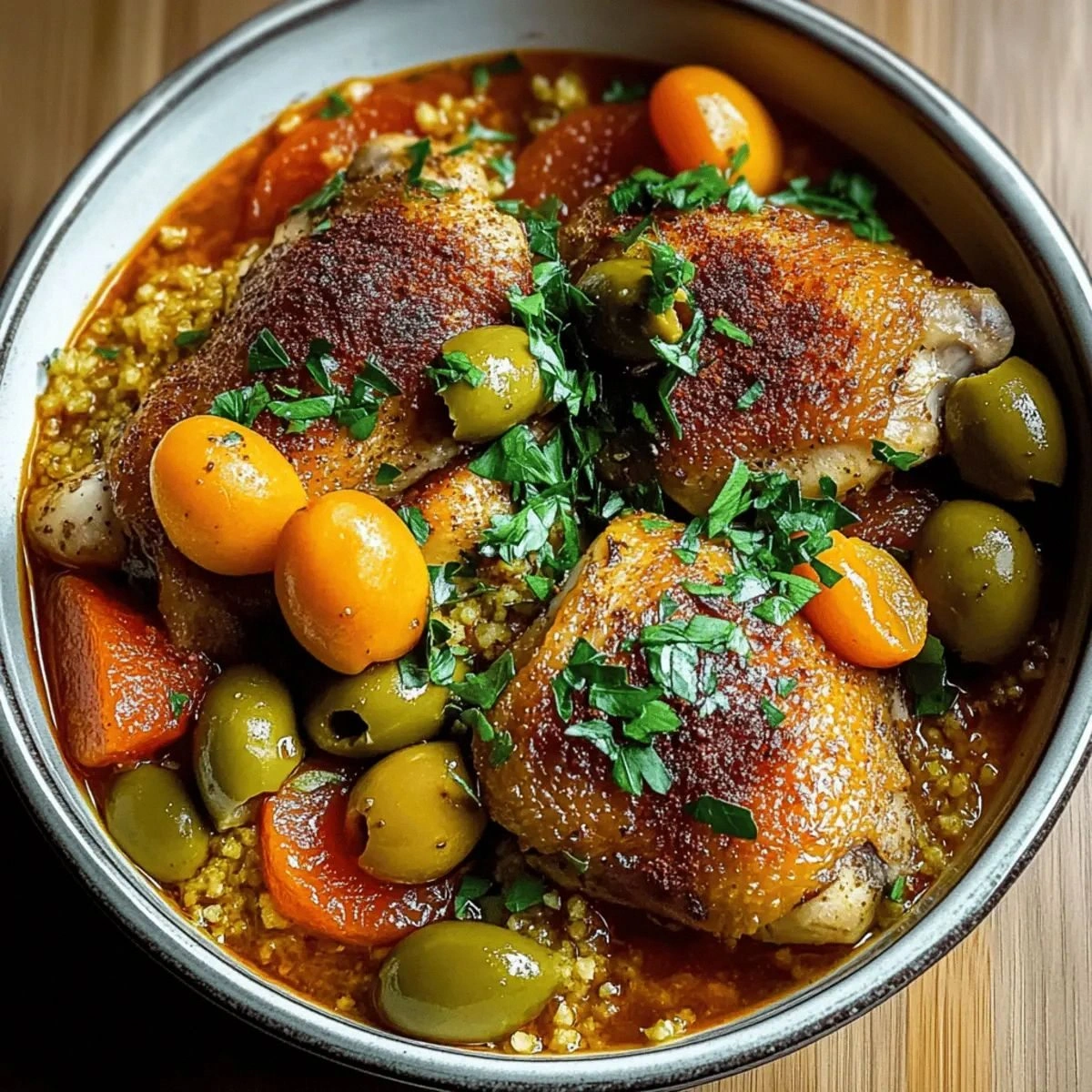
- Let it rest for 5 minutes off the heat — this allows the flavors to settle and the sauce to thicken slightly. Sprinkle with fresh cilantro or parsley right before serving, because that pop of green makes everything look (and taste) more vibrant. Serve over fluffy couscous or rice, making sure everyone gets a good mix of chicken, chickpeas, apricots, and olives in their bowl. And now the fun part: watch people's faces when they take their first bite. That moment when their eyes close involuntarily? That's when you know you've created something truly special.
That's it — you did it. But hold on, I've got a few more tricks that'll take this to another level...
Insider Tricks for Flawless Results
The Temperature Rule Nobody Follows
Here's the thing that separates good cooks from great ones: temperature control. When you're browning the chicken, if the oil isn't hot enough, the meat steams instead of sears, leaving you with sad, gray poultry that no amount of spices can save. But too hot, and the outside burns before the inside cooks through. The sweet spot is when a drop of water sizzles immediately but doesn't splatter everywhere. A friend tried skipping this step once — let's just say it didn't end well, and she ended up ordering pizza instead of serving her dinner guests the Moroccan feast she'd promised.
Why Your Nose Knows Best
Don't underestimate the power of your senses when cooking this dish. When the spices are perfectly toasted, your kitchen will fill with an aroma that's warm, complex, and slightly nutty. If it smells sharp or acrid, they're burning — pull the pan off the heat immediately. The same goes for the onions: when they're properly caramelized, they'll be golden and smell sweet, not sharp and sulfurous. Trust your nose; it's been honed by thousands of years of evolution to detect when food is perfectly cooked.
The 5-Minute Rest That Changes Everything
I know you're hungry, and I know that pot of aromatic goodness is calling your name, but patience is a virtue that pays massive dividends here. Letting the stew rest for five minutes after cooking allows the sauce to thicken naturally as it cools slightly, and it gives the flavors a chance to meld into something even more harmonious. This is when the magic really happens — those individual flavors that were doing their own thing suddenly decide to work together as a team, creating something greater than the sum of its parts.
The Salt Timing Secret
Here's what separates amateur cooks from the pros: when you add salt matters as much as how much you add. I season the chicken before browning, which helps build flavor layers from the very beginning. Then I wait to adjust the final seasoning until the very end, because as the sauce reduces, the flavors concentrate, and what tasted perfectly seasoned at the beginning might be under-seasoned at the end. Plus, those olives are bringing salt to the party, so you want to taste and adjust after they've had a chance to work their magic.
Creative Twists and Variations
This recipe is a playground. Here are some of my favorite ways to switch things up:
The Vegetarian Makeover
Replace the chicken with hearty chunks of butternut squash and cauliflower florets, and swap the chicken broth for vegetable broth. The vegetables will roast and caramelize in the spices, creating these gorgeous golden nuggets that are so satisfying you won't miss the meat one bit. Add a handful of toasted almonds at the end for crunch, and you've got a vegetarian main that even carnivores crave.
The Heat Seeker's Dream
If you like things spicy, double the cayenne and add a chopped preserved lemon for an extra punch of tang and heat. The preserved lemon adds this incredible depth — salty, tangy, and slightly fermented — that takes the whole dish to another level. Just warn your dinner guests before they dive in, or they might think you've tried to poison them with deliciousness.
The Sweet and Savory Remix
Add a handful of golden raisins along with the apricots, and replace half the olives with chopped dates for a sweeter, more complex flavor profile. This version is incredible served over cinnamon-scented rice, and it pairs beautifully with a crisp white wine. The sweet elements play against the savory spices in ways that'll make your taste buds stand up and sing.
The Protein Swap
Chicken thighs work best because they stay juicy, but you can absolutely use lamb shoulder cut into chunks for a richer, more luxurious version. The lamb will need an extra 15-20 minutes of simmering to become fork-tender, but the results are worth the wait. The lamb's natural richness pairs beautifully with the warm spices, creating a dish that tastes like it came from a high-end Moroccan restaurant.
The Coastal Cousin
Add a pound of large shrimp during the last 5 minutes of cooking for a surf-and-turf version that's perfect for special occasions. The shrimp will turn pink and curl slightly when perfectly cooked, and they absorb the flavors of the sauce like little flavor sponges. This is the version I make when I really want to impress dinner guests without looking like I'm trying too hard.
The Slow Cooker Adaptation
Brown the chicken and aromatics on the stovetop first (don't skip this step — it's crucial for flavor), then transfer everything to your slow cooker and cook on low for 6-7 hours. Add the apricots and olives during the last hour so they don't disappear into the sauce. This adaptation is perfect for busy weekdays when you want to come home to the incredible smell of Moroccan spices filling your house.
Storing and Bringing It Back to Life
Fridge Storage
This stew keeps beautifully in the refrigerator for up to 4 days, and honestly, day two might be even better than day one. Store it in an airtight container, and when you're ready to reheat, add a splash of water or broth to loosen the sauce. Heat it gently over medium-low heat, stirring occasionally, until it's piping hot throughout. The flavors will have melded and deepened overnight, creating something even more incredible than when you first made it.
Freezer Friendly
This recipe is a meal prepper's dream — it freezes beautifully for up to 3 months. Portion it into individual containers for easy grab-and-go lunches, or freeze it family-size for those nights when you need comfort food but don't want to cook. Thaw it overnight in the refrigerator, then reheat gently on the stovetop. The texture might change slightly, but the flavors will still be spectacular.
Best Reheating Method
The key to reheating this stew without turning it into a dry, sad mess is low and slow. Add a tiny splash of water before reheating — it steams back to perfection and keeps the chicken moist. Heat it in a covered pan over low heat, stirring occasionally, until it's heated through. If you're in a hurry, you can microwave it, but do it in 30-second bursts, stirring between each one, to prevent hot spots and rubbery chicken.