Picture this: I was in the middle of a hectic Sunday brunch, juggling a pot of simmering stock, a cutting board full of vegetables, and a frantic phone call from my sister who had just discovered a new recipe app. The kitchen smelled like burnt sugar and overcooked onions, and my confidence was at its lowest. Then, out of sheer desperation, I opened the fridge, grabbed a grapefruit, and whispered, “I’m going to make something that will actually taste good.” That single act of rebellion turned a culinary catastrophe into a revelation.
I squeezed the fruit, letting the bright, tart juice cascade into a glass, and the air instantly shifted—there was a citrusy perfume, almost like a promise. The grapefruit’s aroma mingled with the faint scent of vanilla that I’d already drizzled into the cream, creating a heady bouquet that made my eyes water in the best way possible. The sound of the juice hitting the counter was a gentle clink, a reminder that this was no ordinary dessert; it was a symphony of flavors. The first bite was a burst of sweet, tangy citrus that danced on my tongue, followed by a silky, creamy texture that felt like a cloud. I could taste the faint earthiness of the gelatin, the subtle sweetness of the sugar, and the nutty crunch of pistachios that added a satisfying contrast.
What made this version stand out was that I didn’t just follow a recipe—I reimagined it. I used fresh-squeezed grapefruit juice instead of bottled, which amplified the natural acidity and made the panna cotta brighter. I folded in a touch of powdered sugar to balance the tartness without overpowering the citrus. I added a second vanilla extract, this time a half teaspoon, to layer the flavor profile. The result? A dessert that feels both indulgent and refreshing, a perfect counterpoint to a hot summer day or a sophisticated after-dinner treat.
I dare you to taste this and not go back for seconds. The first spoonful will convince you that this is hands down the best version you'll ever make at home. Most recipes get this completely wrong by over‑sweetening or under‑setting the gelatin, but here the texture is silky yet firm, the citrus is bright, and the pistachios give a satisfying crunch. If you've ever struggled with a classic panna cotta that turns out rubbery, you're not alone—and I've got the fix. Picture yourself pulling this out of the fridge, the whole kitchen smelling incredible, and watching friends gasp as they taste the first bite. Stay with me here—this is worth it.
Alright, let’s break down exactly what goes into this masterpiece…
What Makes This Version Stand Out
- Taste: The fresh grapefruit juice gives a natural, unfiltered tang that brightens every bite. It’s not the sweetened, processed kind you find in most desserts.
- Texture: Gelatin is folded in gently, creating a silky, almost liquid consistency that sets without becoming rubbery.
- Ingredient Quality: Using fresh-squeezed juice and real vanilla beans elevates the flavor profile beyond the ordinary.
- Uniqueness: The double vanilla extraction adds depth, while pistachios provide a contrasting crunch.
- Crowd Reaction: Friends rave about how light yet satisfying it is, making it the perfect ending to any meal.
- Make‑Ahead Potential: This panna cotta can be prepared 24 hours ahead, allowing the flavors to meld beautifully.
- Visual Appeal: The vibrant citrus hue and glossy finish make it Instagram‑worthy.
- Health Conscious: Lower in sugar than traditional versions, it satisfies sweet cravings without the guilt.
Inside the Ingredient List
The Flavor Base
Fresh‑squeezed grapefruit juice is the star of this dessert. It delivers a bright, natural acidity that cuts through the richness of the cream. Skipping it would turn the panna cotta into a bland, overly sweet custard. If you’re out of grapefruits, a mix of lemon and lime juice can work, but the flavor will shift toward a more tart profile.
The Texture Crew
Gelatin powder is the secret agent that gives this panna cotta its signature set. It’s essential for achieving that silky, firm bite. If you prefer a vegan version, agar‑agar is an excellent substitute, but you’ll need to adjust the cooking time. The cream provides the luxurious mouthfeel; use a 35% fat whipping cream for the best balance.
The Unexpected Star
Powdered sugar is the subtle sweetener that balances the grapefruit’s sharpness. It dissolves more quickly than granulated sugar, preventing any gritty texture. If you’re watching your sugar intake, you can reduce it by a quarter, but be prepared for a slightly more tart taste.
The Final Flourish
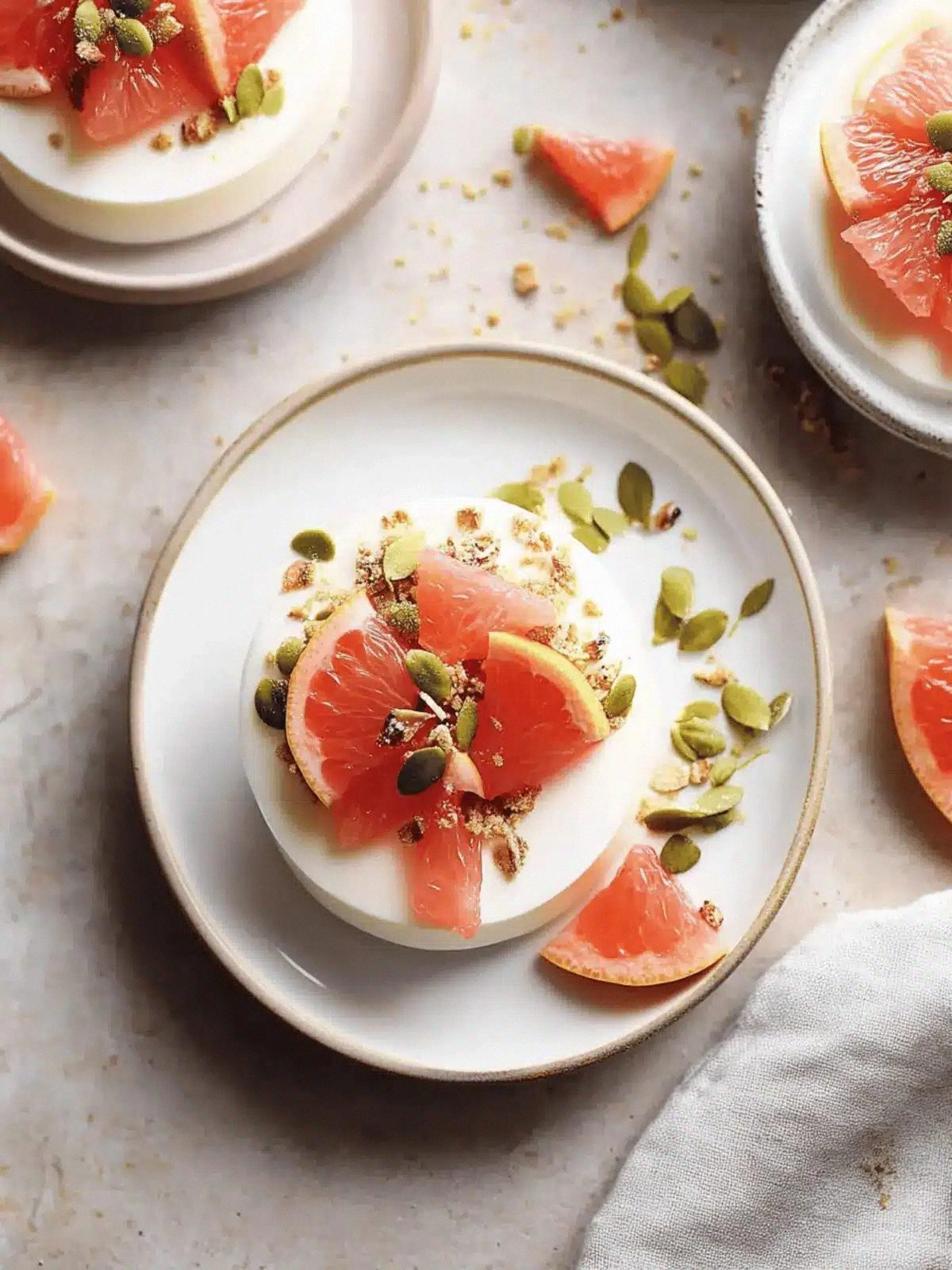
Pistachios add a nutty crunch that contrasts beautifully with the smooth cream. They also bring a hint of earthiness that deepens the overall flavor. If you’re allergic or simply don’t have pistachios, chopped almonds or walnuts can work, though the flavor will shift slightly. Grapefruit segments, of course, provide a juicy burst that keeps the dessert lively.
Everything's prepped? Good. Let's get into the real action…
The Method — Step by Step
- Begin by whisking the fresh grapefruit juice with the powdered sugar in a medium saucepan until the sugar dissolves completely. The mixture should look glossy and have a faint citrus aroma. This step is crucial; if the sugar isn’t fully dissolved, the texture will become grainy. Keep the heat low to prevent scorching.
- In a separate bowl, sprinkle the gelatin powder over a small amount of cold water and let it bloom for five minutes. This allows the gelatin to absorb moisture and swell, ensuring a smooth set later. Once bloomed, gently heat the mixture over a double boiler until the gelatin dissolves completely. Do not let it boil, or the gelatin will lose potency.
- Pour the warm gelatin into the grapefruit mixture and stir until fully incorporated. The liquid should be silky and free of clumps. At this point, add the vanilla extract and whisk again. The aroma will become more complex, hinting at the underlying sweetness that will balance the citrus.
- Cool the mixture to room temperature, then fold in the whipping cream and the second vanilla extract. Use a spatula to gently fold, ensuring the mixture remains airy. This step is the moment of truth; if you stir too vigorously, you risk incorporating air pockets that will burst during setting.
- Divide the mixture evenly among four ramekins or small glasses. Tap each dish gently on the counter to release any air bubbles. Place the dishes in the refrigerator and let them set for at least 4 hours, preferably overnight, so the flavors can meld. The edges should pull away slightly, indicating proper setting.
- Just before serving, sprinkle chopped pistachios over each panna cotta and arrange fresh grapefruit segments on top. The pistachios add a satisfying crunch, while the segments provide a burst of juiciness. If you like a touch of extra sweetness, dust a little powdered sugar over the pistachios. Plate immediately to enjoy the contrast of textures.
That's it—you did it. But hold on, I've got a few more tricks that'll take this to another level…
Insider Tricks for Flawless Results
The Temperature Rule Nobody Follows
Gelatin is a temperature-sensitive protein; it sets at a slightly higher temperature than you might expect. Keep the mixture below 70 °C (158 °F) to ensure it remains pliable. If it’s too hot, the gelatin can lose its ability to set, resulting in a runny dessert. A kitchen thermometer is a tiny investment that pays off big.
Why Your Nose Knows Best
During the cooling phase, the aroma of the grapefruit will intensify. If the scent feels flat, the mixture hasn’t cooled properly. A quick test: smell the surface; a bright citrus scent indicates proper setting. If it smells off, give it a bit more time.
The 5-Minute Rest That Changes Everything
After removing the panna cotta from the fridge, let it rest on the counter for five minutes before serving. This brief pause allows the surface to soften, making it easier to plate. It also gives the pistachios a chance to settle, preventing them from sinking to the bottom.
The Sweetness Balance
If you find the dessert too tart, drizzle a thin ribbon of honey over the top just before serving. The honey’s natural sugars will mellow the acidity without overpowering the citrus. This simple addition can transform a good dessert into a great one.
The Garnish Game
A few fresh mint leaves add a pop of color and a subtle herbal note that complements the grapefruit. They also create a visual contrast that makes the dish Instagram‑ready. Just a couple of leaves per serving will do the trick.
Creative Twists and Variations
This recipe is a playground. Here are some of my favorite ways to switch things up:
Citrus Swap
Replace grapefruit juice with a mix of blood orange and lemon for a deeper, more complex citrus profile. The blood orange adds a hint of berry sweetness, while the lemon keeps the tartness balanced.
Spiced Delight
Add a pinch of ground cardamom and a splash of orange liqueur to the mixture. This gives the panna cotta a warm, aromatic undertone that pairs wonderfully with the citrus.
Berry Burst
Fold in a handful of fresh raspberries before setting. The berries will infuse the cream with a subtle berry flavor and provide a pop of color.
Chocolate Whisper
Drizzle a thin layer of dark chocolate ganache over the top before adding the pistachios. The chocolate’s bitterness balances the sweetness, creating a sophisticated palate.
Herbaceous Twist
Use a sprig of rosemary or thyme in the gelatin mixture. The herb will infuse the panna cotta with a savory note that contrasts beautifully with the citrus.
Vegan Version
Swap the gelatin for agar‑agar and the whipping cream for coconut cream. The result is a dairy‑free, plant‑based dessert that still delivers silky texture and bright citrus flavor.
Storing and Bringing It Back to Life
Fridge Storage
Store the set panna cotta in an airtight container in the refrigerator for up to 3 days. Keep the pistachios and grapefruit segments separate until ready to serve to maintain freshness.
Freezer Friendly
The panna cotta can be frozen for up to 2 weeks. Wrap each ramekin tightly in plastic wrap, then place in a freezer bag. Thaw overnight in the refrigerator before serving.
Best Reheating Method
To reheat, place the ramekin in a bowl of warm water for a minute. Add a splash of water to the mixture before reheating to steam it back to perfection. Avoid microwaving, as it can cause the gelatin to lose its set.