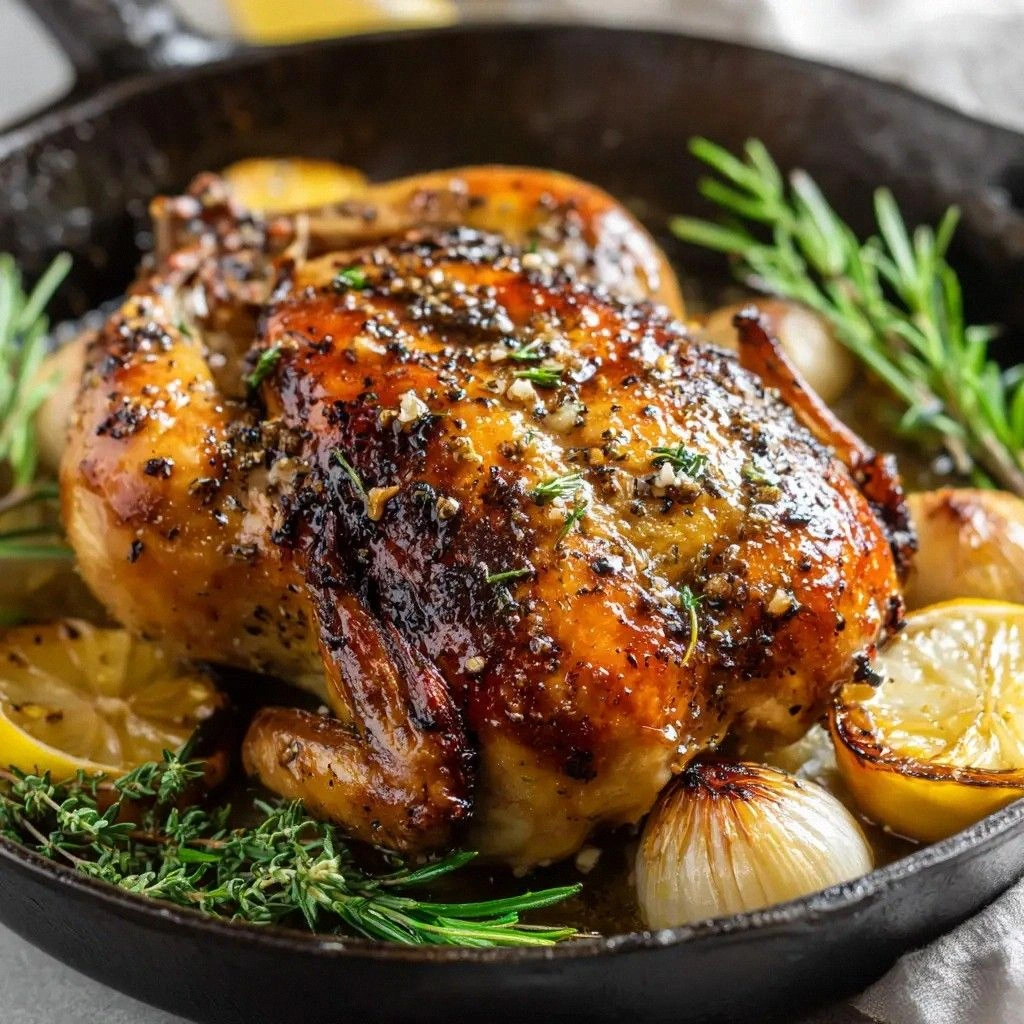
Picture this: a kitchen that smells like burnt popcorn, a countertop littered with half‑cooked chicken, and a friend’s skeptical glance that says, “Did you really just try to roast a whole hen in a skillet?” I was staring at the chaos, realizing my previous attempts had turned a simple dinner into a smoky mess. The disaster was a lesson in patience, seasoning, and the humble power of a good cast‑iron pan. I vowed to turn that failure into a triumph, and the next time I opened the fridge, I was ready to cook a whole Cornish hen that would make even the toughest critic swoon.
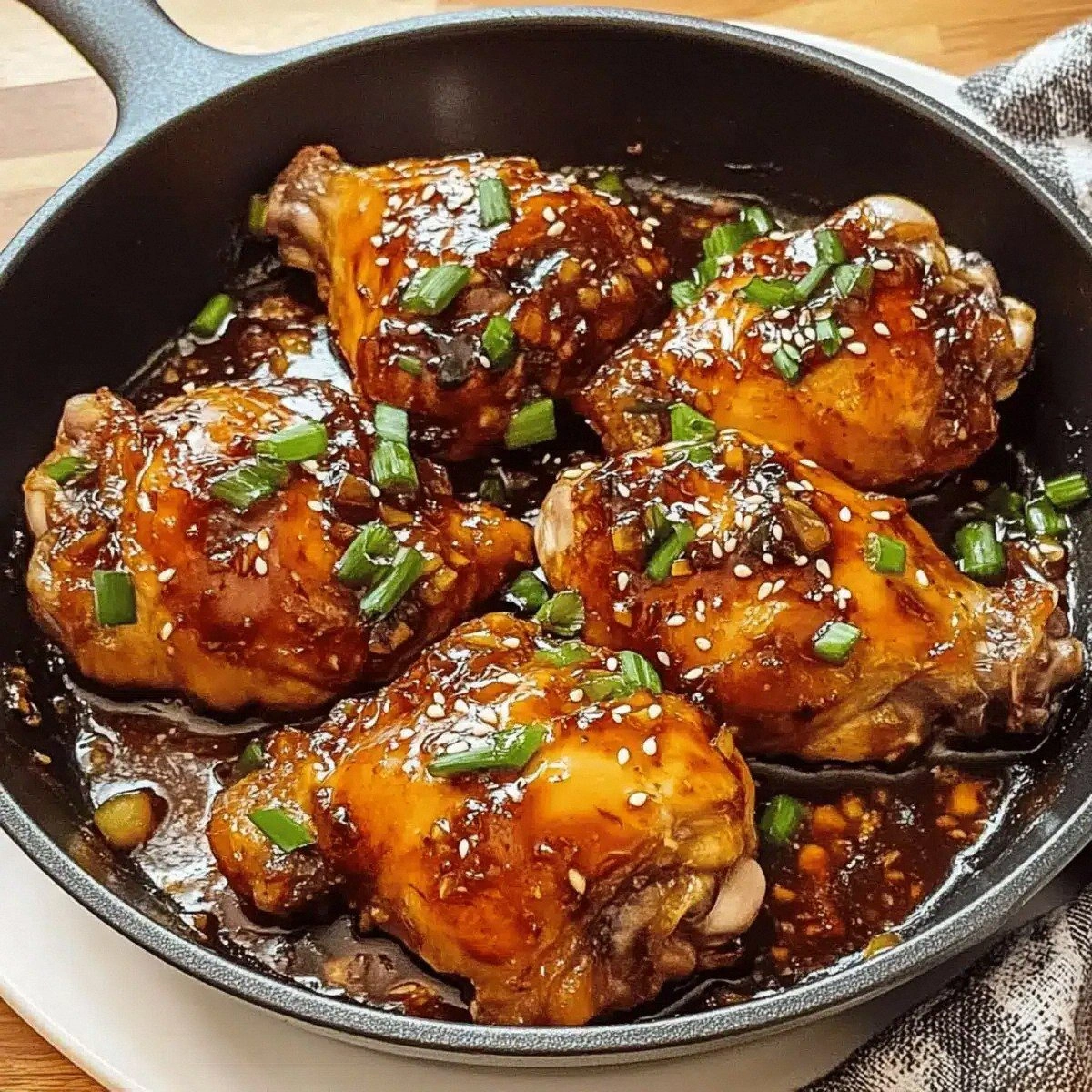
The first thing that hits you is the sizzle as the hen lands in the hot skillet—like a drumroll for the senses. The air fills with the aroma of garlic, rosemary, and a hint of citrus from the lemon, while the skin starts to crisp, turning a deep, amber gold. Your eyes catch the glossy sheen of olive oil coating the bird, and the sound of the sizzling edges is a promise of flavor to come. As the hen cooks, the kitchen fills with a savory perfume that makes your mouth water even before you taste a bite. The texture of the skin is a delightful contrast to the tender, juicy meat inside, a combination that feels like a symphony of crunch and melt.
What sets this version apart is the meticulous layering of flavors and the use of a cast‑iron skillet that retains heat like a secret weapon. The hen is not just roasted; it’s seared, basted, and finished with a broth reduction that locks in moisture. The result is a dish that delivers crisp edges that shatter like thin ice and a center that’s moist enough to fall apart. The technique is simple enough for beginners, yet refined enough to impress seasoned cooks. It’s a dish that turns an ordinary night into a memorable culinary experience.
I’m not just bragging—this is hands down the best version you’ll ever make at home. The secret? A subtle blend of dried herbs, a splash of chicken broth, and a carefully timed sear that locks in juices. The flavor profile is complex yet balanced, with savory, aromatic, and citrusy notes that dance on the palate. I dare you to taste this and not go back for seconds. If you’ve ever struggled with roasting a whole bird, you’re not alone—this recipe has the fix.
Picture yourself pulling this out of the oven, the whole kitchen smelling incredible, and the family gathering around the table with anticipation. The moment the lid lifts, the golden crust releases steam that carries the scent of rosemary and lemon, making everyone’s mouths water. This is the moment of truth, the point where all your preparation pays off. Let me walk you through every single step—by the end, you’ll wonder how you ever made it any other way.
Before we dive into the details, let’s talk about why this recipe is a game‑changer. The cast‑iron pan is the star of the show, providing even heat distribution that creates a perfect crust. The combination of fresh herbs and minced dried herbs gives depth, while the lemon adds brightness that cuts through the richness. The broth reduction turns a simple roast into a sauce that coats the meat like velvet. And the best part? It’s a one‑pan meal that minimizes cleanup, so you can focus on enjoying the food.
I’ve spent countless hours tweaking this recipe, and the result is a dish that feels both classic and modern. It’s the kind of meal that can be served for a casual dinner or a special occasion, thanks to its versatility and bold flavors. The hen is tender enough to fall off the bone, yet the skin remains crisp and flavorful. The aroma alone will have guests lining up for seconds. Let’s break it down and see how every component plays its part.
What Makes This Version Stand Out
- Flavor Depth: The blend of fresh rosemary, thyme, and dried herbs creates a layered taste that evolves with every bite. The lemon adds a subtle citrus lift that balances the richness of the chicken.
- Texture Contrast: The cast‑iron skillet’s heat retention produces a skin that’s crisp and golden, while the interior stays juicy and tender, offering a satisfying mouthfeel.
- Simple Technique: No complicated steps—just season, sear, and roast. The process is straightforward, making it approachable for cooks of all skill levels.
- One‑Pan Wonder: Everything cooks in the same skillet, so cleanup is minimal. This is a major win for busy nights or when you want to keep the kitchen tidy.
- Crowd‑Pleaser: The dish is guaranteed to impress. Family and friends will rave about the flavor and texture, making it a staple for gatherings.
- Make‑Ahead Potential: You can prepare the hen and let it rest overnight in the fridge, then finish it the next day. The flavors deepen, and the meat stays moist.
- Ingredient Quality: Using a whole Cornish hen and fresh herbs ensures that every bite is packed with natural flavor, without relying on artificial seasonings.
- Versatile Pairings: Serve it with roasted root vegetables, a crisp salad, or a simple risotto. The dish adapts to any side you prefer.
Inside the Ingredient List
The Flavor Base
The olive oil is the first layer of flavor, creating a silky coating that helps the herbs adhere and prevents sticking. Skipping it would result in a dry surface that doesn’t brown properly. If you’re looking for a slightly smokier profile, swap the olive oil for a tablespoon of clarified butter.
Kosher salt is essential for seasoning the meat evenly. It also helps draw out moisture, which is crucial for a crispy skin. A pinch of sea salt works as a substitute if you don’t have kosher salt on hand.
Coarse black pepper adds a subtle heat that complements the herbs. If you prefer a milder taste, use freshly ground white pepper or a dash of smoked paprika for a different twist.
The Texture Crew
The Cornish hen is the star, providing a tender yet flavorful meat that’s smaller than a whole chicken, making it perfect for a single serving or a small family. If you can’t find a Cornish hen, a small whole chicken or a half chicken works well.
Garlic cloves bring aromatic sweetness that caramelizes during roasting. Removing the skins can help reduce bitterness; if you’re short on time, use pre‑minced garlic.
Fresh rosemary and thyme sprigs infuse the meat with piney and floral notes. If you’re out of fresh herbs, dried ones can be used, but use half the quantity to avoid overpowering the dish.
The Unexpected Star
The lemon is not just for acidity; its zest and juice add brightness that cuts through the richness. If you’re looking for a sweeter note, add a teaspoon of honey to the broth reduction.
Chicken broth adds moisture and depth. A homemade broth gives the best flavor, but a low‑sodium store‑bought version is a quick alternative. Avoid high‑sodium broths, as they can make the dish too salty.
The Final Flourish
The dried herb blend is the final touch that rounds out the flavor profile. It’s a simple mix of thyme, oregano, and basil that adds complexity. If you don’t have dried herbs, use an equal amount of fresh herbs, but remember to adjust for moisture.
Everything's prepped? Good. Let's get into the real action.
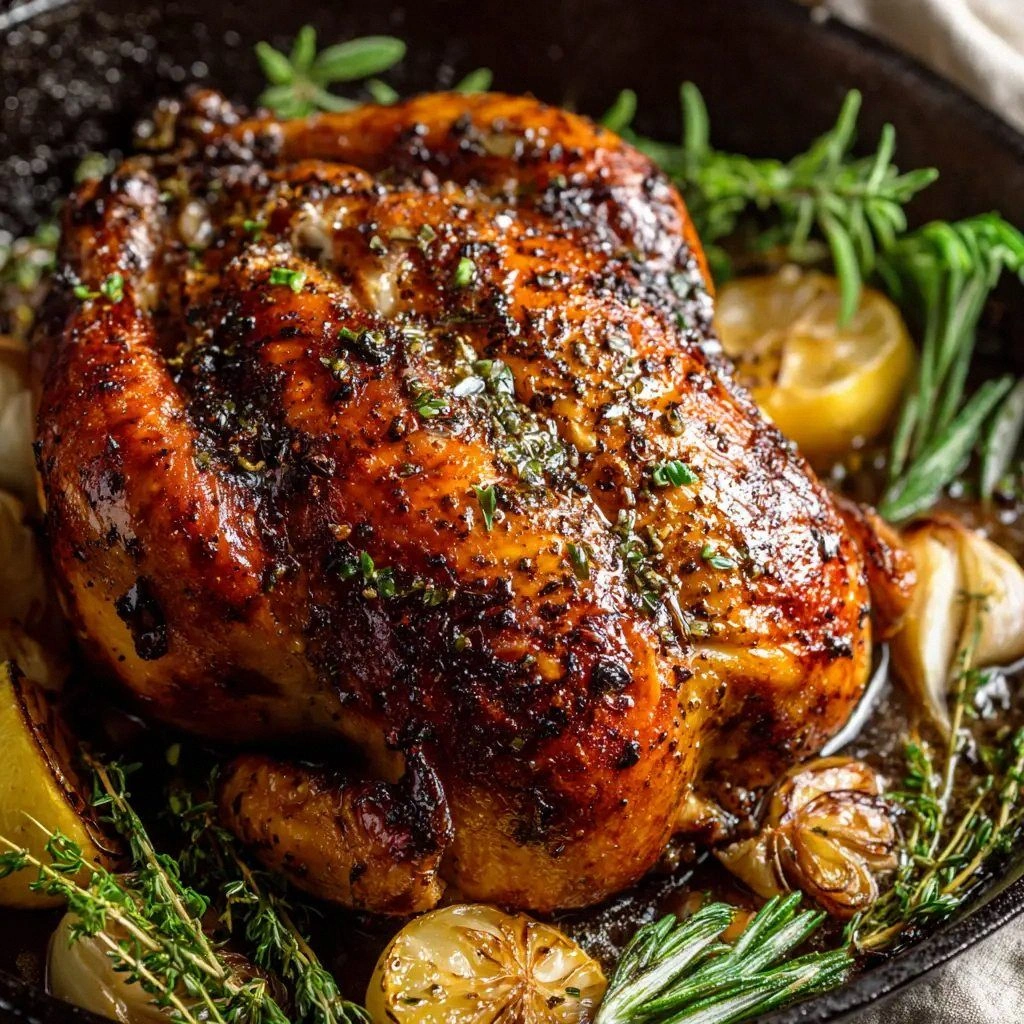
The Method — Step by Step
- Preheat your oven to 375°F (190°C). While the oven warms, pat the hen dry with paper towels; this ensures a crisp skin. Toss the hen with olive oil, salt, pepper, and minced dried herbs, making sure every surface is coated. Let the seasoned bird rest for 10 minutes—this allows the flavors to penetrate the meat.
- Heat a cast‑iron skillet over medium‑high heat. Once the pan is shimmering, place the hen breast‑side down. The sound should be a satisfying sizzle that tells you the pan is hot enough. Sear the hen for 5 minutes until the skin turns a deep golden brown and releases from the pan easily.
- Flip the hen and add the whole lemon, garlic cloves, rosemary, and thyme to the pan. The citrus will release its oils, creating a fragrant steam that infuses the meat. Add the chicken broth, just enough to cover the bottom of the pan, and bring to a gentle simmer.
- Transfer the skillet to the preheated oven. Roast the hen for 25 minutes, then remove and baste it with the pan juices. The juices should be thickened slightly, indicating that the broth has reduced and concentrated.
- Return the hen to the oven for another 10 minutes, or until the internal temperature reaches 165°F (74°C). The skin will become even crisper, and the meat will be juicy and tender.
- Remove the skillet from the oven and let the hen rest for 10 minutes. This allows the juices to redistribute throughout the meat, ensuring every bite is moist. While the hen rests, reduce the pan sauce over medium heat until it thickens into a glossy glaze.
- Carve the hen, spooning the reduced sauce over each portion. Serve immediately with your choice of sides, and enjoy the aroma and flavors that have been built over the cooking process. This is the moment you can taste the difference between a good roast and a great one.
That's it — you did it. But hold on, I've got a few more tricks that'll take this to another level.
Insider Tricks for Flawless Results
The Temperature Rule Nobody Follows
Many cooks over‑cook the hen, leading to dry meat. I found that preheating the cast‑iron pan to a precise temperature (around 400°F) before searing is key. This creates an instant crust that locks in juices. If you’re using a gas stove, test the heat by flicking a few drops of water; they should dance and evaporate quickly.
Why Your Nose Knows Best
Your sense of smell is a reliable indicator of doneness. As the hen roasts, the aroma shifts from fresh herbs to a caramelized, savory scent. When the smell is rich and slightly sweet, the meat is close to perfection. Trust your nose over the timer; it’s a skill you’ll develop with practice.
The 5-Minute Rest That Changes Everything
Letting the hen rest for exactly five minutes after roasting is a game‑changer. During this period, the juices redistribute, making the meat more succulent. If you skip this step, the first bite can be dry and the rest may feel uneven.
Basting with Pan Juices
Basting the hen with its own juices during roasting adds flavor and keeps the skin from drying out. Use a large, heat‑resistant spoon to spoon the liquid over the bird every 10 minutes. This simple act ensures the meat stays moist and flavorful.
Using a Splatter Guard
A splatter guard keeps the kitchen tidy and reduces the risk of hot oil splattering onto your skin. It also helps maintain a consistent cooking temperature by preventing steam from escaping too quickly. I’ve found that a splatter guard is essential when searing whole birds.
Creative Twists and Variations
This recipe is a playground. Here are some of my favorite ways to switch things up:
Spicy Citrus Kick
Add a teaspoon of crushed red pepper flakes to the herb blend and squeeze a tablespoon of fresh lime juice into the broth. The result is a bright, spicy flavor that pairs well with a cooling cucumber salad.
Herb‑Infused Butter Finish
Stir a tablespoon of softened butter into the reduced sauce at the end of cooking. The butter adds richness and a silky finish that elevates the overall dish.
Smoky BBQ Twist
Replace half of the olive oil with a smoky barbecue sauce before searing. The sauce caramelizes on the skin, giving the hen a sweet, smoky glaze that’s perfect for summer barbecues.
Mediterranean Flair
Swap the dried herbs for a blend of oregano, thyme, and basil, and add a handful of Kalamata olives to the pan. This Mediterranean twist gives the dish a salty, herby character that pairs beautifully with a Greek salad.
Roasted Root Vegetables Side
Roast carrots, parsnips, and sweet potatoes in the same skillet after removing the hen. The vegetables absorb the flavorful drippings, creating a cohesive meal that feels effortless.
Storing and Bringing It Back to Life
Fridge Storage
Cool the cooked hen completely, then wrap it tightly in plastic wrap and store in the refrigerator for up to 3 days. Keep the pan sauce in a separate container; it will keep the meat moist when reheated.
Freezer Friendly
For longer storage, portion the meat into meal-sized servings and place them in freezer bags. Freeze for up to 3 months. When ready to eat, thaw overnight in the fridge.
Best Reheating Method
Reheat in a preheated oven at 350°F (175°C) for 15 minutes, then finish with a quick broil for 2 minutes to revive the crisp skin. Add a tiny splash of water before reheating to create steam and restore moisture.