Picture this: I’m standing in my cramped kitchen, the clock ticking louder than my stomach, and a sudden craving for something that feels like a tropical vacation hits me out of nowhere. I’ve tried a dozen Thai‑inspired chicken dishes, each one promising “authentic flavor” but ending up as a soggy, bland disappointment. Then, in a moment of reckless inspiration (and a dash of desperation), I grabbed a jar of peanut butter, a can of coconut milk, and a handful of fresh cilantro, and I thought, “What if I just throw these together and see what happens?” The result? A dish so bold, so velvety, and so irresistibly savory that I swear the kitchen itself gave a standing ovation.
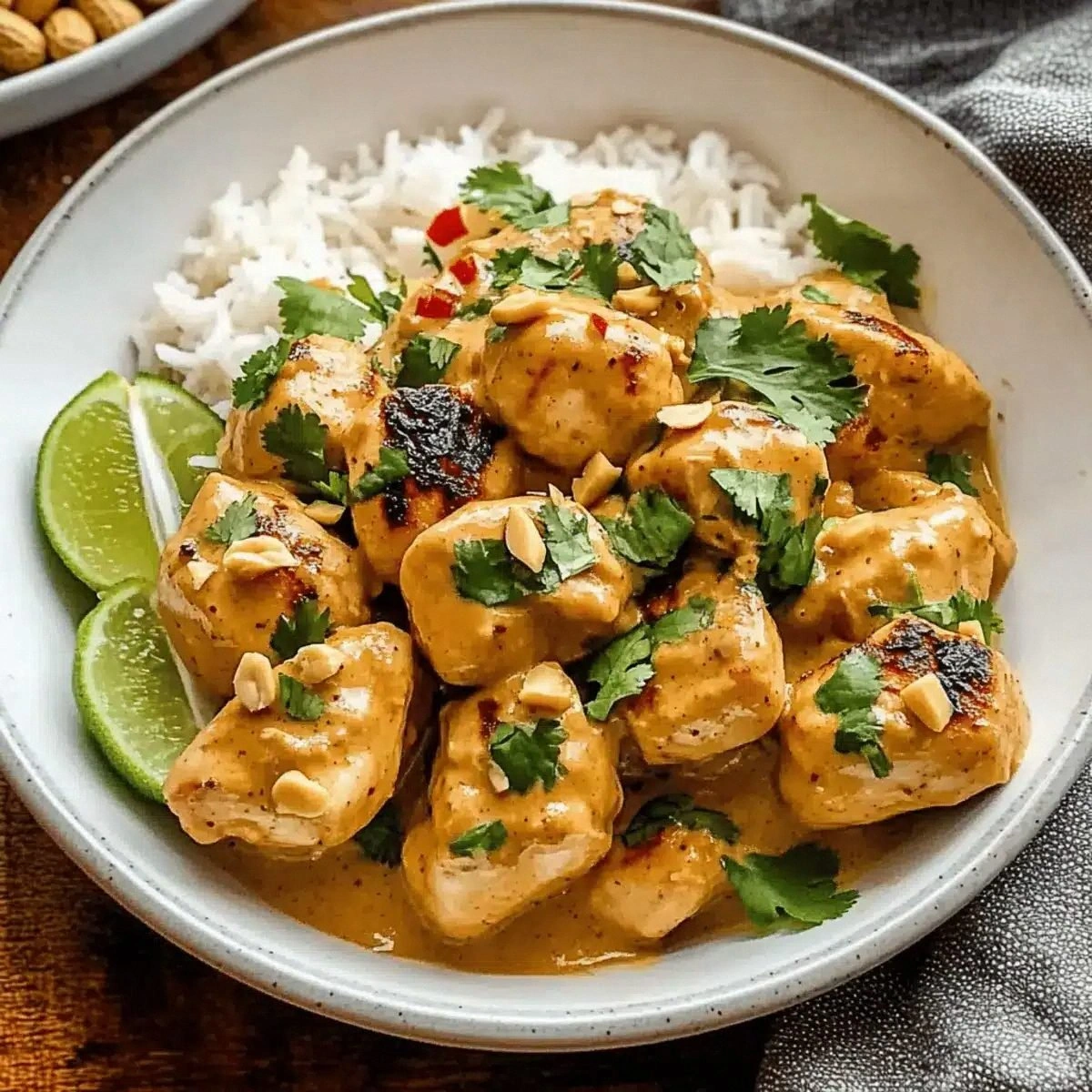
The first thing that hits you is the aroma – a heady mix of toasted garlic, sizzling oil, and that unmistakable nutty perfume of peanuts dancing with coconut. It’s the kind of smell that makes you pause mid‑step, stare at the pan, and wonder if you’re about to create a masterpiece or a culinary catastrophe. The sound of the chicken hitting the hot oil is a satisfying sizzle, like a tiny fireworks show in a skillet, while the sauce thickens into a glossy, amber river that clings to every morsel. When you finally take that first bite, your tongue is greeted by a perfect balance of salty soy, bright lime, and a creamy peanut undertow that feels like silk sliding across a hot summer night.
Most Thai peanut chicken recipes out there either drown the chicken in a watery sauce or over‑sweeten it with sugar, leaving you with a dish that tastes like a dessert gone wrong. This version, however, hits the sweet spot by using just the right amount of coconut milk to keep it luscious without drowning the flavors, and a measured splash of lime juice to cut through the richness. I’m daring you to taste this and not go back for seconds – because once you do, you’ll understand why this is hands down the best version you’ll ever make at home. The secret? A quick sear that locks in juices, followed by a quick simmer that lets the sauce coat every piece like velvet.
And there’s a technique you won’t find in any generic recipe blog: I’ll be using a high‑heat stir‑fry method that creates those coveted caramelized edges on the chicken, then deglazing the pan with soy sauce to capture every brown bit – the flavor gold. I’m also tossing in a pinch of toasted peanut oil for an extra layer of depth that most home cooks completely miss. Okay, ready for the game‑changer? Let me walk you through every single step – by the end, you’ll wonder how you ever made this any other way.
What Makes This Version Stand Out
- Flavor Explosion: The combination of creamy peanut butter, tangy lime, and salty soy creates a symphony that sings on the palate, leaving you craving more.
- Texture Harmony: Crispy seared chicken edges meet a silky, coat‑to‑the‑bone sauce, delivering a mouthfeel that’s both crunchy and smooth.
- Simplicity: All ingredients are pantry‑friendly, and the whole dish comes together in under 30 minutes, no fancy equipment required.
- Unique Twist: A splash of toasted peanut oil adds a nutty depth that most recipes overlook, turning a good dish into a great one.
- Crowd‑Pleaser: Whether you’re feeding a family or impressing friends, this dish consistently earns rave reviews and empty plates.
- Ingredient Quality: Using real, unsweetened peanut butter and full‑fat coconut milk ensures richness without artificial additives.
- Cooking Method: The high‑heat sear followed by a quick simmer locks in juices and maximizes flavor development.
- Make‑Ahead Potential: The sauce actually tastes better after a short rest, making leftovers a tasty encore.
Alright, let's break down exactly what goes into this masterpiece...
Inside the Ingredient List
The Flavor Base
Garlic (2 cloves, minced): Garlic is the aromatic backbone that awakens the palate and adds a sharp, savory bite. If you skip it, the sauce loses its depth and can feel flat. A quick tip: crush the cloves before mincing to release more oils. Swap: Shallots work too, offering a milder sweetness.
Soy Sauce (3 tablespoons): This is the salty, umami anchor that ties the peanut and coconut together. Too much and the dish becomes salty; too little and the sauce feels thin. Use low‑sodium soy sauce if you’re watching salt intake. Buying tip: Look for naturally brewed soy sauce for richer flavor.
Lime Juice (1 tablespoon): The bright acidity cuts through the richness of the coconut milk and peanut butter, preventing the dish from feeling heavy. If you over‑squeeze, the lime can dominate, so add gradually and taste. Swap: Rice vinegar can mimic the tang, but you’ll miss the citrus zing.
The Texture Crew
Boneless Chicken Breasts (1 pound): The star protein, providing a lean canvas for the sauce. If you overcook, it turns rubbery; if you undercook, it’s unsafe. I recommend pounding the breasts to an even thickness for uniform cooking. Buying tip: Look for chicken with a pink hue and firm flesh – it stays juicy.
Oil (2 tablespoons, vegetable or peanut): Essential for the initial sear, creating those coveted caramelized edges. Using too little oil can cause the chicken to stick, while too much makes the dish greasy. Swap: Coconut oil adds a subtle tropical note, but be mindful of its lower smoke point.
The Unexpected Star
Peanut Butter (1/2 cup): This is where the magic lives – it gives the sauce its creamy, nutty body. Use natural, unsweetened peanut butter; added sugars will throw off the balance. If you’re allergic, almond butter can stand in, though the flavor profile shifts. Fun Fact: Peanut butter originated as a protein‑rich food for the US army during World War II.
Coconut Milk (1 cup): It adds silkiness and a subtle tropical sweetness that pairs perfectly with peanuts. Full‑fat coconut milk yields a richer sauce; light versions can make it watery. Shake the can well before opening to blend the fat back in.
The Final Flourish
Chopped Peanuts (1/4 cup): Added at the end for crunch, they provide textural contrast and a burst of roasted flavor. Toast them lightly if you want extra depth. Swap: Cashews work for a milder crunch.
Fresh Cilantro (1/4 cup): This herb lifts the dish with its bright, citrusy notes. If you’re not a cilantro fan, parsley adds freshness without the polarizing flavor.
Salt & Pepper (to taste): Simple seasonings that enhance every other flavor. Don’t forget to season the chicken before searing; it builds a flavor foundation.
Everything's prepped? Good. Let's get into the real action...
The Method — Step by Step
-
Pat the chicken breasts dry with paper towels, then season both sides generously with salt and pepper. This step may sound simple, but it’s crucial – the seasoning creates a flavorful crust once it hits the pan. I like to let the seasoned chicken rest for five minutes while I heat the oil; this helps the salt penetrate the meat. When you’re ready, heat a large skillet over medium‑high heat until a drop of water sizzles and evaporates instantly.
Kitchen Hack: Slice the chicken into bite‑size strips before seasoning; thinner pieces sear faster and absorb the sauce more efficiently. -
Add the oil to the hot skillet, swirling to coat the surface. As soon as the oil shimmers, lay the chicken pieces in a single layer, making sure they’re not crowded – you want each piece to make contact with the pan. Let them cook undisturbed for about 3‑4 minutes; you’ll hear a steady sizzle that tells you a crust is forming. Flip the pieces once the edges turn golden brown and the meat releases easily from the pan.
-
While the chicken finishes cooking (another 3‑4 minutes), quickly sauté the minced garlic in the same pan, using the leftover bits from the chicken for extra flavor. Garlic should turn fragrant in about 30 seconds – watch closely, because a second too long and it turns bitter. This is the moment of truth: the aroma should be nutty and inviting, not burnt.
Watch Out: If the garlic starts to brown too quickly, lower the heat; burnt garlic will ruin the entire sauce. -
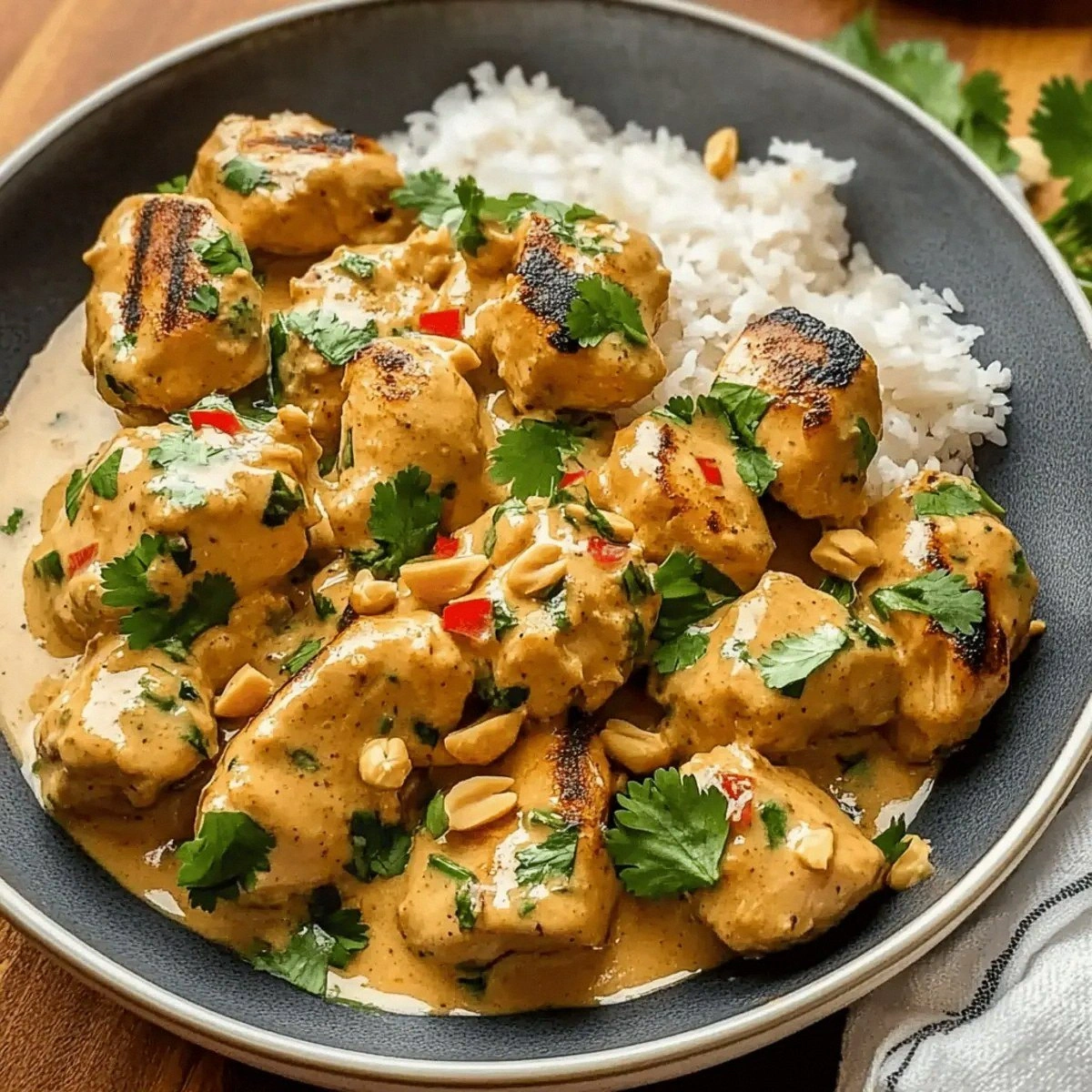
Stir in the soy sauce, letting it deglaze the pan and lift those caramelized bits – the “fond” – into the liquid. This process adds a deep, savory backbone that can’t be replicated with anything else. Let the mixture bubble for a minute, then add the peanut butter, coconut milk, and lime juice all at once. The sauce will thicken almost immediately, turning a luscious amber color.
-
Return the chicken to the pan, tossing it gently to coat each piece in the velvety sauce. Reduce the heat to low and let everything simmer together for 5‑7 minutes. You’ll notice the sauce clinging to the chicken, pulling away slightly at the edges – that’s the sign it’s thick enough. If it looks too thick, splash in a tablespoon of water; if too thin, let it reduce a bit longer.
-
Just before serving, sprinkle the chopped peanuts and fresh cilantro over the top. The peanuts add a crunchy contrast while the cilantro injects a burst of herbaceous freshness that cuts through the richness. Give the dish a final quick toss – you want the garnish to stay on top, not sink.
Kitchen Hack: Toast the peanuts in a dry skillet for 2 minutes before chopping; this intensifies their flavor and adds a smoky note. -
Serve the chicken hot, spooning extra sauce over rice, noodles, or a bed of cauliflower rice for a low‑carb option. The sauce is so good it practically begs to be drizzled over everything on the plate. Picture yourself pulling this out of the pan, the whole kitchen smelling incredible, and your guests reaching for seconds before you even finish plating. I dare you to taste this and not go back for more.
-
Finally, let the dish rest for a couple of minutes off the heat. This short rest allows the flavors to meld even further, making each bite more harmonious. And now the fun part – garnish with an extra sprinkle of cilantro if you like, snap a photo, and dive in. That sizzle when it hits the pan? Absolute perfection.
That's it — you did it. But hold on, I've got a few more tricks that'll take this to another level...
Insider Tricks for Flawless Results
The Temperature Rule Nobody Follows
Never start with a cold pan. Pre‑heat your skillet until it’s just shy of smoking; this ensures a quick sear that locks in juices. I once tried a “room‑temperature” start and ended up with soggy chicken that fell apart. The high heat creates that caramelized crust, which is the foundation of flavor. Trust me, this tiny adjustment makes a massive difference.
Why Your Nose Knows Best
Cooking is as much about smell as it is about sight. When the garlic turns aromatic, that’s your cue to add the soy sauce. If you wait too long, the garlic will burn; if you add the sauce too early, you’ll miss the deglazing step that captures the fond. Train your nose to recognize the “toasty” and “sweet‑spicy” cues – it’s a secret weapon that even the best cookbooks can’t teach.
The 5‑Minute Rest That Changes Everything
After the sauce has thickened and the chicken is fully cooked, remove the pan from heat and let it sit, covered, for five minutes. This brief pause lets the flavors marry, turning a good sauce into an unforgettable one. I’ve seen people rush straight to the plate and miss out on that depth. It’s like letting a wine breathe before sipping – the result is smoother, richer, and more balanced.
Peanut Butter Consistency Hack
Natural peanut butter can separate, leaving oil on top. Before adding it to the sauce, give it a quick stir or whisk it with a splash of warm water to create a smooth paste. This prevents clumps and ensures a uniform sauce that coats every bite. If you skip this step, you’ll end up with pockets of oil and uneven flavor.
Serving Size Savior
If you’re feeding a crowd, double the sauce but keep the chicken amount the same – the extra sauce can be tossed over rice or used as a dip. I’ve done this at potlucks, and the extra sauce never goes to waste; it becomes the star of the buffet table. Remember, the sauce thickens as it cools, so you can always re‑heat gently and thin it with a splash of coconut milk.
Creative Twists and Variations
This recipe is a playground. Here are some of my favorite ways to switch things up:
Spicy Heatwave
Add 1‑2 teaspoons of Thai red curry paste or a sliced fresh Thai chili when you sauté the garlic. The heat will contrast beautifully with the creamy peanut base, giving you a dish that tingles the tongue and warms the soul. Perfect for those who love a kick.
Veggie‑Packed Version
Stir in sliced bell peppers, snap peas, or shredded carrots during the simmer stage. The vegetables add crunch, color, and extra nutrients without overwhelming the sauce. I love using red bell pepper for a sweet counterpoint to the nutty flavor.
Cashew‑Coconut Fusion
Swap half the peanut butter for cashew butter and replace the coconut milk with coconut cream. This creates an even richer, buttery sauce with a slightly sweeter profile – ideal for a special dinner.
Gluten‑Free Noodles
Serve the chicken over rice noodles or zucchini noodles for a low‑carb, gluten‑free twist. The noodles soak up the sauce, turning each bite into a slurp‑worthy experience. Add a squeeze of extra lime for brightness.
Breakfast Remix
Use the sauce as a topping for a fluffy omelet or scrambled eggs. The peanut‑coconut sauce pairs surprisingly well with eggs, turning a simple breakfast into a gourmet treat. Sprinkle extra cilantro for a fresh finish.
Storing and Bringing It Back to Life
Fridge Storage
Allow the chicken and sauce to cool to room temperature, then transfer to an airtight container. It will keep for up to 4 days in the refrigerator. When reheating, add a splash of water or coconut milk and gently warm on the stovetop, stirring frequently to restore its silky texture.
Freezer Friendly
Portion the cooked chicken and sauce into freezer‑safe bags or containers, leaving a little headspace for expansion. Freeze for up to 2 months. Thaw overnight in the fridge, then reheat as above, adding a bit more coconut milk if needed to loosen the sauce.
Best Reheating Method
The stovetop is king: place the chicken and sauce in a skillet over low heat, add a teaspoon of water per cup of sauce, and stir until glossy. Microwaving works in a pinch, but it can make the sauce separate. Remember, a tiny splash of water before reheating is the secret to steaming it back to perfection.