If you've ever struggled with a hotpot that ends up watery or bland, you're not alone — and I've got the fix. Picture yourself pulling this out of the oven, the whole kitchen smelling incredible, and your guests arriving with their mouths watering in anticipation. The moment the hotpot slides onto the table, the steam rises like a fragrant cloud, and the first bite reveals a harmony of savory, sweet, and herbaceous notes.
Okay, ready for the game‑changer? Let me walk you through every single step — by the end, you'll wonder how you ever made it any other way. This next part? Pure magic. And now the fun part. Stay with me here — this is worth it.
What Makes This Version Stand Out
- Flavor Depth: The combination of Worcestershire sauce, bay leaves, and thyme creates a layered umami that lingers on the palate, turning an ordinary stew into a signature comfort dish.
- Texture Contrast: The silky mashed potato topping juxtaposes the tender lamb and crunchy caramelized onions, offering a satisfying bite every time.
- Ingredient Quality: Using a fresh, well-marbled lamb cut and organic carrots elevates the dish from home‑cooked to restaurant‑quality.
- Simplicity: With only fourteen ingredients, this recipe is approachable yet sophisticated, making it perfect for both novice cooks and seasoned chefs.
- Make‑Ahead Potential: The hotpot can be assembled ahead of time and baked later, saving you precious minutes on busy evenings.
- Crowd Appeal: The hearty, comforting flavors make it a hit at family gatherings, potlucks, and holiday dinners alike.
- Versatility: Swap lamb for beef or pork and the dish remains delicious; it’s a flexible canvas for your culinary experiments.
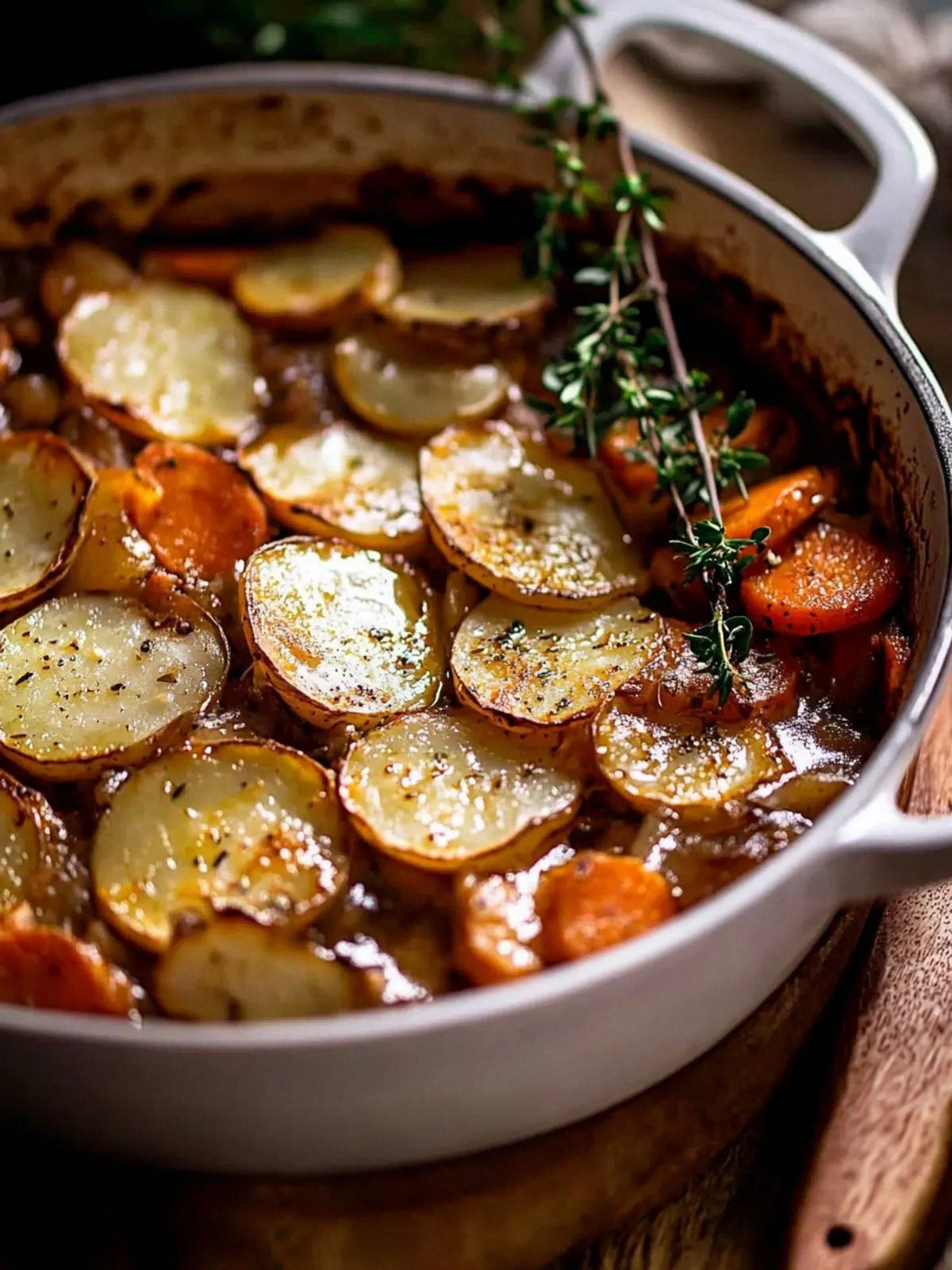
- Visual Appeal: The golden crust and bubbling edges create a rustic, homey look that’s as pleasing to the eye as it is to the taste buds.
Inside the Ingredient List
The Flavor Base
1 tablespoon of butter is the first touch of richness that coats the pan and sets the foundation for a silky sauce. Butter also brings a subtle nutty aroma that complements the lamb’s natural flavor. If you’re looking for a dairy-free alternative, try a neutral oil like grapeseed, though the depth of flavor will be slightly diminished. This step is essential; skipping it results in a flat, uninspired broth.
1 tablespoon of vegetable oil is added to prevent the butter from burning. Oil raises the smoke point, allowing the lamb to develop a beautiful sear without scorching the fat. It also helps to create a glossy finish on the meat. If you prefer a more robust flavor, use olive oil, but be prepared for a slightly different aroma profile.
1 heaped tablespoon of plain flour creates a roux that thickens the stock into a velvety base. The flour absorbs excess moisture and gives the sauce body, preventing it from being watery. A pinch of flour also helps to bind the flavors together, ensuring that every bite is cohesive. If you’re gluten‑sensitive, use a gluten‑free flour blend, but keep in mind the slight change in texture.
1 tablespoon of Worcestershire sauce injects umami and a hint of tang that elevates the entire dish. The sauce’s fermented notes mingle with the lamb, creating a depth that’s hard to replicate with other seasonings. If you’re avoiding Worcestershire, a splash of soy sauce or tamari can work as a substitute, though the flavor will shift toward a different profile.
2 bay leaves add an earthy, herbal undertone that permeates the stock. Bay leaves are subtle, yet they bring a fragrant complexity that balances the richness of the lamb. Remember to remove them before serving; they can be tough and unpalatable if left in the dish. If you can’t find bay leaves, a small pinch of dried thyme can partially compensate.
1/2 teaspoon of salt and 1/2 teaspoon of ground black pepper are the finishing touches that bring all the flavors together. Salt amplifies the natural sweetness of the carrots and onions, while pepper adds a gentle heat. Adjusting the seasoning at the end of cooking ensures a balanced profile without overpowering the dish.
The Texture Crew
500 grams of lamb, cut into bite‑size cubes, provides the heart of the hotpot. The lamb should be well‑marbled for tenderness; a lean cut will result in a drier texture. When searing, aim for a deep brown crust; this caramelization locks in juices and adds a savory depth. If you’re using a different protein, adjust the cooking time accordingly.
2 brown onions, diced, contribute a sweet, caramelized flavor that balances the lamb’s richness. The onions release sugars when cooked slowly, creating a natural sweetness that permeates the dish. If you prefer a sharper bite, use white onions, but the overall taste will be less sweet.
3 medium-sized carrots, peeled and sliced, bring a gentle sweetness and a pop of color. Carrots also add a subtle earthiness that complements the lamb’s flavor profile. If you’re short on carrots, zucchini or parsnips can be used, though the sweetness will vary.
680 grams of potatoes, peeled and cubed, form the luxurious mashed potato topping. Potatoes absorb the stock’s flavors and become silky when mashed with butter. Choosing a starchy variety like Russet ensures a fluffy texture, while waxy potatoes will hold their shape better if you prefer a chunkier topping.
The Unexpected Star
1 tablespoon of melted butter, added at the end of cooking, gives the mashed potatoes a glossy finish and a buttery richness that coats the tongue. This butter also helps to bind the potato mash together, preventing it from becoming crumbly. If you’re lactose intolerant, a dairy‑free butter substitute can be used, but the flavor will shift slightly.
1/4 teaspoon of dried thyme is the final herb that ties everything together. Thyme’s piney, slightly minty flavor complements the lamb and adds a subtle aromatic layer. If you don’t have thyme on hand, a pinch of rosemary can be used, though the taste will be more piney.
Everything's prepped? Good. Let's get into the real action.
The Method — Step by Step
- Preheat the oven: Set your oven to 180°C (350°F). While it’s warming up, gather all your ingredients and set your mise en place. A hot oven ensures that the potatoes will brown evenly, creating that irresistible crust. If you’re in a hurry, a convection setting can cut the baking time slightly.
- Season the lamb: Pat the lamb cubes dry with a paper towel, then sprinkle them with salt, pepper, and a little flour. Toss until the lamb is evenly coated. This coating not only adds flavor but also helps to develop a beautiful sear.
- Sear the lamb: In a heavy skillet, heat the butter and oil over medium‑high heat. Add the lamb in batches, ensuring each piece gets a golden crust. Don’t overcrowd the pan; if the lamb starts to steam, lower the heat. The goal is a caramelized exterior that locks in juices.
- Brown the onions: Remove the seared lamb and set aside. In the same pan, add the diced onions and a pinch of salt. Cook until they’re translucent and slightly caramelized, about 8-10 minutes. The onions release natural sugars that deepen the broth’s flavor.
- Deglaze the pan: Pour in the stock, scraping up any browned bits from the bottom. These bits are packed with flavor. Let the mixture come to a gentle simmer, then add the bay leaves and Worcestershire sauce.
- Add lamb and carrots: Return the lamb to the pan, along with the sliced carrots. Stir to combine, then cover and transfer to the preheated oven. Let it bake for 45 minutes, allowing the lamb to become fall‑apart tender.
- Prepare the potato topping: While the meat simmers, boil the cubed potatoes until they’re fork‑tender, about 12-15 minutes. Drain and mash with butter, a splash of milk, and a pinch of salt until silky smooth. Fold in the dried thyme for an aromatic lift.
- Layer the hotpot: Remove the pot from the oven and stir the broth to redistribute flavors. Spread the mashed potatoes evenly over the top, using a spatula to create a smooth surface. This layer will crisp up beautifully.
- Finish baking: Return the pot to the oven for an additional 25-30 minutes, or until the potato topping is golden brown and slightly crispy. Keep an eye on it; the crust can brown quickly.
- Rest and serve: Let the hotpot sit for 5 minutes before serving. This resting period allows the flavors to settle and the crust to firm up. Serve hot, and watch the steam rise like a fragrant cloud.
That's it — you did it. But hold on, I've got a few more tricks that'll take this to another level. The secret lies in the details, from how you sear the meat to how you finish the potato topping. Let’s dive deeper into those insider tips.
Insider Tricks for Flawless Results
The Temperature Rule Nobody Follows
Many cooks assume a single oven temperature is enough, but the trick is to start at 180°C for the initial bake, then increase to 200°C for the final 25 minutes. This higher heat caramelizes the potato crust without overcooking the lamb. I once tried baking the whole dish at a constant 190°C, and the topping stayed pale and soggy. The temperature shift is simple but makes a world of difference.
Why Your Nose Knows Best
If the broth feels flat, trust your nose. A slight hint of a burnt aroma indicates that the onions need more caramelization. If you notice a faint metallic taste, it may mean you added too much stock too early. Adjusting the seasoning at the end of cooking is crucial; a quick taste test can save the dish from becoming a culinary disappointment.
The 5‑Minute Rest That Changes Everything
After removing the hotpot from the oven, let it rest for five minutes before cutting into it. This rest allows the juices to redistribute, preventing the lamb from drying out. It also gives the mashed potato topping time to firm up, making each spoonful a clean, cohesive bite. Skipping this step often results in a watery, uneven texture.
The Caramelization Shortcut
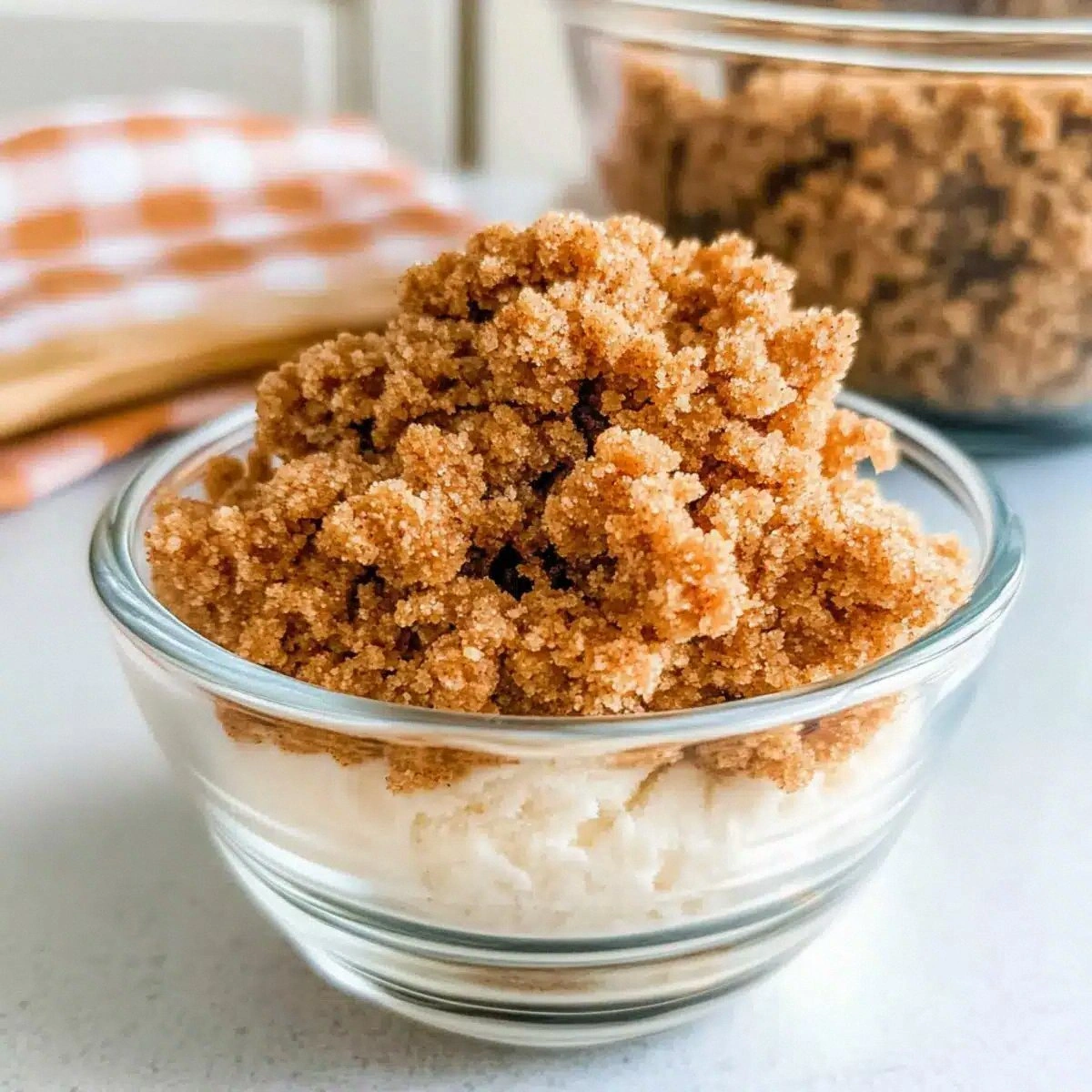
If you’re short on time, use a splash of brown sugar with the onions. The sugar accelerates caramelization, giving you that deep amber color faster. I added a tablespoon of brown sugar to the onions during the first five minutes; the result was a richer flavor and a faster cook time. Just watch it closely to avoid burning.
The Final Flourish
Just before serving, sprinkle a handful of grated cheddar or parmesan over the potato topping. The cheese melts into the crust, adding a savory depth that many find irresistible. I’ve had guests say, “I didn't know cheese could be this subtle yet powerful.” It’s a simple addition that elevates the dish from good to unforgettable.
Creative Twists and Variations
This recipe is a playground. Here are some of my favorite ways to switch things up:
Beef & Barley Hotpot
Swap lamb for diced beef chuck and add a cup of pearl barley. The barley adds a nutty chew that complements the meat. The dish becomes heartier and is perfect for a cold winter evening.
Pork & Sweet Potato Version
Use pork shoulder instead of lamb and replace the regular potatoes with sweet potatoes. The sweetness pairs beautifully with the savory broth. Add a splash of maple syrup for an extra layer of flavor.
Vegetarian Mushroom Hotpot
Omit the meat entirely and add a generous amount of sliced mushrooms, such as cremini or shiitake. The mushrooms release their umami, creating a rich base. Use vegetable stock and a splash of soy sauce for depth.
Spicy Chipotle Twist
Add a minced chipotle pepper or a teaspoon of chipotle in adobo sauce to the broth. The smoky heat adds a bold kick that contrasts with the sweet carrots. Pair it with a dollop of sour cream on top for balance.
Herb‑Infused Lamb
Marinate the lamb in a mixture of rosemary, thyme, and garlic before searing. The herbs permeate the meat, giving it a fragrant profile that stands out. Serve with a side of crusty bread to soak up the sauce.
Breakfast Hotpot Surprise
Add a handful of diced bacon and serve with a poached egg on top. The richness of the egg yolk mixes with the broth, creating a breakfast‑style comfort dish. This variation is a favorite for weekend brunches.
Storing and Bringing It Back to Life
Fridge Storage
Cool the hotpot to room temperature before placing it in an airtight container. Store in the refrigerator for up to three days. Reheat in a covered pot over low heat, stirring occasionally to prevent the top from drying out.
Freezer Friendly
Divide the hotpot into freezer‑safe portions and seal tightly. It can be frozen for up to two months. Thaw overnight in the refrigerator, then reheat in a preheated oven at 160°C until heated through.
Best Reheating Method
Before reheating, add a splash of water or broth to the pot to keep the sauce moist. Cover the pot with foil to trap steam, which restores the tenderness of the lamb and the softness of the potatoes. Finish under the broiler for a minute to revive the crisp crust.