Picture this: you’re standing in a cramped kitchen, the clock is ticking, and the only thing that can save the night is a dish that screams “I’m a culinary wizard.” I once tried a quick red‑pepper pasta that turned out as soggy as a wet newspaper, and that disaster sparked a fire under me to create the ultimate version. I dared a friend to taste my first attempt and she ran for the water—so I went back to the drawing board, armed with a handful of cashews and a stubborn belief that sauces should hug pasta like a long‑lost lover.
The moment I tossed the first roasted red pepper into the pan, the air filled with a smoky sweetness that made my nostrils do a happy dance. The sizzle was like a tiny applause, and the faint crackle of garlic hitting hot oil felt like a secret handshake between flavor and fire. I could already feel the velvety cashew cream forming, thick enough to coat every curve of the penne without turning it into a gummy mess. The aroma was so intoxicating that even the cat paused its nap to stare, ears perked.
Why does this version stand out from the sea of red‑pepper pastas you’ll find online? Most recipes either drown the peppers in cream or rely on a cheap store‑bought sauce that tastes like cardboard. I threw out the dairy, embraced the natural creaminess of soaked cashews, and added a splash of lemon juice that cuts through the richness with razor‑sharp brightness. The result is a sauce that clings to each noodle like velvet, with a subtle nutty undertone that makes you wonder why you ever trusted a jar of alfredo.
And here’s the kicker: I’m throwing in a secret ingredient that most chefs keep under lock and key—smoked paprika. It brings a whisper of char that makes the dish feel like it was cooked over an open fire, even if you’re in a studio apartment. I dare you to taste this and not go back for seconds. Let me walk you through every single step — by the end, you’ll wonder how you ever made it any other way.
What Makes This Version Stand Out
- Taste: The sweet heat of roasted red peppers meets the buttery depth of cashew cream, creating a flavor combo that’s both comforting and exciting.
- Texture: Silky sauce, al‑dente pasta, and a crunchy bite from toasted cashews give you a mouthfeel that’s nothing short of luxurious.
- Simplicity: Five pantry staples and a handful of fresh veggies are all you need—no fancy gadgets or obscure spices.
- Uniqueness: Smoked paprika adds a subtle smoky edge that most red‑pepper pastas completely miss, turning a simple dish into a show‑stopper.
- Crowd Reaction: Serve this at a dinner party and watch guests scramble for the second serving; it’s the kind of dish that earns you a standing ovation.
- Ingredient Quality: Using raw cashews you soak yourself guarantees a smoother, richer sauce than any pre‑made nut butter.
- Cooking Method: The roasting step caramelizes the peppers, unlocking sugars that you can’t achieve by simply sautéing.
- Make‑Ahead Potential: The sauce stores beautifully in the fridge, so you can prep it a day ahead and just reheat when you’re ready to eat.
Inside the Ingredient List
The Flavor Base
First up, the red bell peppers. I use two large, deep‑red beauties that I char over a gas flame until the skin looks like a battle‑scarred warrior. This not only adds a smoky depth but also brings out a natural sweetness that you simply can’t replicate with a jarred sauce. If you skip roasting, you’ll end up with a raw pepper bite that feels out of place in a creamy dish.
Next, the garlic and onion. Three cloves of garlic, minced to a fine paste, and one medium onion, diced tiny, form the aromatic foundation. Their fragrance when they hit the hot oil is like a backstage pass to flavor town. Should you be allergic to garlic, a teaspoon of asafoetida can mimic its pungency without the risk.
The Texture Crew
Raw cashews are the unsung heroes. One cup, soaked for at least four hours (or boiled for 10 minutes if you’re short on time), transforms into a silky puree that replaces dairy without compromising richness. The cashew cream is the glue that binds the sauce to the pasta, and it also adds a subtle nutty undertone that balances the pepper’s sweetness. If you’re nut‑allergic, try silken tofu – it won’t have the same depth, but it will keep the sauce creamy.
Olive oil, two generous tablespoons, is the medium that carries the flavors. It’s the silent partner that ensures the garlic and onion don’t scorch, while also giving the sauce a glossy finish. A drizzle of high‑quality extra‑virgin olive oil at the end adds a fragrant lift that’s impossible to achieve with butter.
The Unexpected Star
Smoked paprika, just a teaspoon, is the secret weapon. Its smoky, slightly sweet profile adds a layer of complexity that makes the dish feel rustic and refined at the same time. Many cooks overlook this spice, assuming the roasted peppers provide enough smokiness. Trust me, the paprika is the quiet magician that turns “good” into “jaw‑dropping.”
The Final Flourish
Lemon juice, a single tablespoon, is the bright kicker that cuts through the richness and lifts the entire dish. It’s the culinary equivalent of a perfect punchline – you notice it the moment it lands, and it makes everything else shine. If you’re out of lemons, a splash of white wine vinegar works in a pinch, though the citrusy zing will be slightly muted.
Fresh basil, a quarter cup chopped, is added at the very end to preserve its aromatic oils. The herb adds a fragrant green note that rounds out the dish, making it feel like a spring garden on a plate. If basil isn’t your jam, try flat‑leaf parsley for a cleaner, peppery finish.
Everything's prepped? Good. Let's get into the real action...
The Method — Step by Step
Start by preheating your broiler and placing the red peppers directly under the flame. Turn them every few seconds until the skins are blistered all over. Once charred, transfer to a bowl, cover with plastic wrap, and let them steam for 10 minutes. This step is the foundation of that smoky aroma you’ll be bragging about later. Pro tip: the skins will slip off like a second skin—if they don’t, a gentle rub with a paper towel does the trick.
While the peppers are cooling, bring a large pot of salted water to a rolling boil. Add 12 oz of penne pasta and cook until al‑dente, about 9‑11 minutes. Reserve one cup of the pasta water before draining; this starchy liquid will later help the sauce cling to the noodles like a love‑letter.
In a high‑walled skillet, heat two tablespoons of olive oil over medium heat. Toss in the diced onion and sauté until translucent, about 3 minutes. Add the minced garlic and let it sizzle for 30 seconds – that sizzle when it hits the pan? Absolute perfection. Then sprinkle in one teaspoon of smoked paprika, stirring quickly to toast the spice without burning it.
Peel the roasted peppers, discard the skins, and roughly chop them. Add the chopped peppers to the skillet, letting them mingle with the aromatics for 2 minutes. The pan should smell like a Mediterranean market at sunset.
Now it’s time for the cashew cream. Drain the soaked cashews and blend them with one cup of vegetable broth, two tablespoons of nutritional yeast, and a pinch of salt. Blend until the mixture is completely smooth; it should look like a thick, off‑white sauce that could double as a dip.
Pour the cashew cream into the skillet with the peppers, stirring constantly. Reduce the heat to low and let the sauce simmer gently for 5 minutes. It should thicken slightly and coat the back of a spoon. If it looks too thick, whisk in a splash of the reserved pasta water.
Add the cooked pasta directly into the sauce, tossing to ensure every tube is enveloped. Sprinkle the fresh lemon juice and chopped basil, then give it one final toss. The lemon will brighten the dish, while the basil adds that final aromatic flourish.
Plate the pasta, drizzle a little extra‑virgin olive oil on top, and garnish with a handful of toasted cashews for crunch. Serve immediately, and watch your guests’ eyes widen as the steam rises. That moment when they take the first bite? Pure, unadulterated joy.
That's it — you did it. But hold on, I've got a few more tricks that'll take this to another level...
Insider Tricks for Flawless Results
The Temperature Rule Nobody Follows
Most home cooks crank the heat up to “cook fast,” but the secret to a glossy sauce is low, steady heat. Once the cashew cream is in the pan, drop the flame to a low simmer and let it thicken gently. This prevents the nuts from curdling and keeps the sauce silky. I once tried a high‑heat finish and ended up with a grainy mess—lesson learned.
Why Your Nose Knows Best
Never trust a timer alone; let your sense of smell guide you. When the onions turn translucent and the garlic releases its perfume, you know the flavor base is ready. Likewise, the moment the smoked paprika hits the oil and releases a faint woody scent is your cue to add the peppers. If you miss these cues, the sauce can taste flat.
The 5‑Minute Rest That Changes Everything
After you toss the pasta with the sauce, remove the pan from heat and let it sit for five minutes. This rest lets the pasta absorb the sauce, turning each bite into a cohesive, flavor‑infused experience. Skipping this step is like reading a book without letting the plot sink in—you miss the depth.
Toast Those Cashews
Before you blend the cashews, give them a quick toast in a dry skillet for 3‑4 minutes. The heat brings out a caramel note that adds a subtle crunch when you sprinkle them on top. If you skip this, the nuts taste bland and the texture contrast disappears.
Use the Right Pasta Shape
Penne is my go‑to because its ridges trap the sauce beautifully. But if you’re feeling adventurous, try orecchiette or fusilli—any shape with grooves will do the trick. The key is to avoid super‑smooth pasta like spaghetti, which lets the sauce slide right off.
Creative Twists and Variations
This recipe is a playground. Here are some of my favorite ways to switch things up:
Spicy Sriracha Kick
Add a tablespoon of sriracha to the sauce for a tongue‑tingling heat that pairs perfectly with the sweet peppers. The heat brightens the nutty base, making the dish feel bold and adventurous.
Smoky Chipotle Version
Swap smoked paprika for chipotle powder and toss in a smoked chipotle pepper in adobo sauce. This variation adds a deeper, earthy smokiness that’s perfect for cooler evenings.
Vegan Parmesan Boost
Stir in an extra tablespoon of nutritional yeast or a sprinkle of store‑bought vegan parmesan right before serving. It adds a cheesy umami punch without dairy.
Roasted Cauliflower Companion
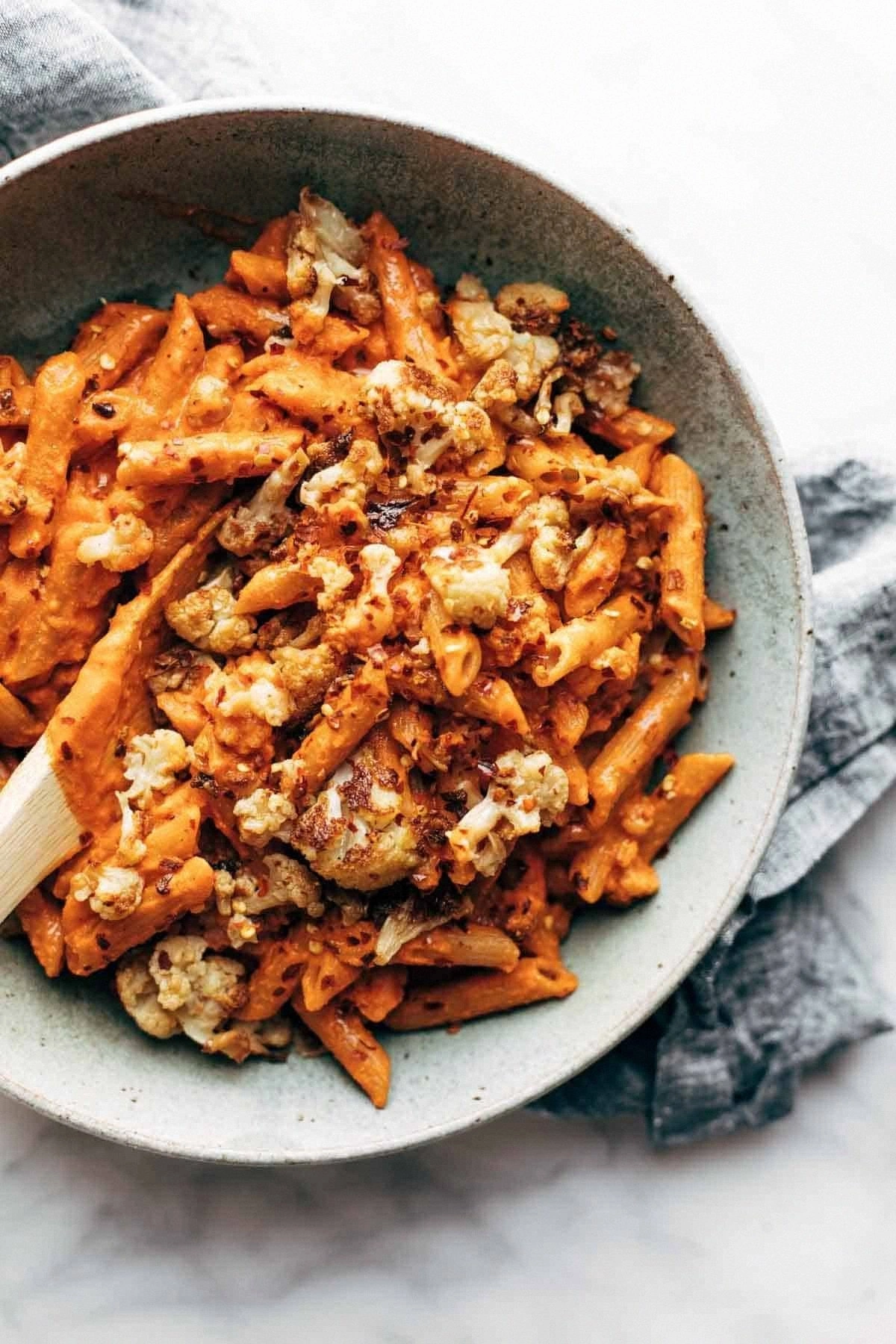
Serve the pasta alongside roasted cauliflower florets tossed in olive oil and thyme. The cauliflower’s caramelized edges add texture and a subtle nuttiness that mirrors the cashew sauce.
Herb‑Infused Olive Oil Drizzle
Blend olive oil with fresh rosemary and thyme, then drizzle over the plated pasta. The herb‑infused oil adds an aromatic finish that elevates the dish to restaurant quality.
Storing and Bringing It Back to Life
Fridge Storage
Transfer any leftovers to an airtight container and refrigerate for up to three days. The sauce may thicken as it cools; simply stir in a splash of vegetable broth or water before reheating to restore its silky texture.
Freezer Friendly
The pasta and sauce freeze beautifully. Portion into freezer‑safe bags, remove as much air as possible, and store for up to two months. When you’re ready to eat, thaw overnight in the fridge, then reheat gently on the stovetop.
Best Reheating Method
Place the frozen or refrigerated pasta in a skillet over low heat, add a tablespoon of broth, and stir constantly. The added liquid creates steam that revives the sauce, preventing it from drying out. Remember: a tiny splash of water before reheating is the secret to bringing it back to perfection.