When I was halfway through a marathon of late‑night binge‑watching, my kitchen became a battlefield of burnt sauce and over‑seasoned wings. I stared at the charred remains, heart racing, and thought, “This is a disaster, but it’s also the most honest moment I’ve ever had in a kitchen.” I pulled out a bottle of honey, a jar of Dijon, and a splash of mustard, and I decided to rewrite the rules on what a wing should taste like. That night, I tasted my own creation and felt a spark that said, “This is going to be the best version you’ll ever make at home.”
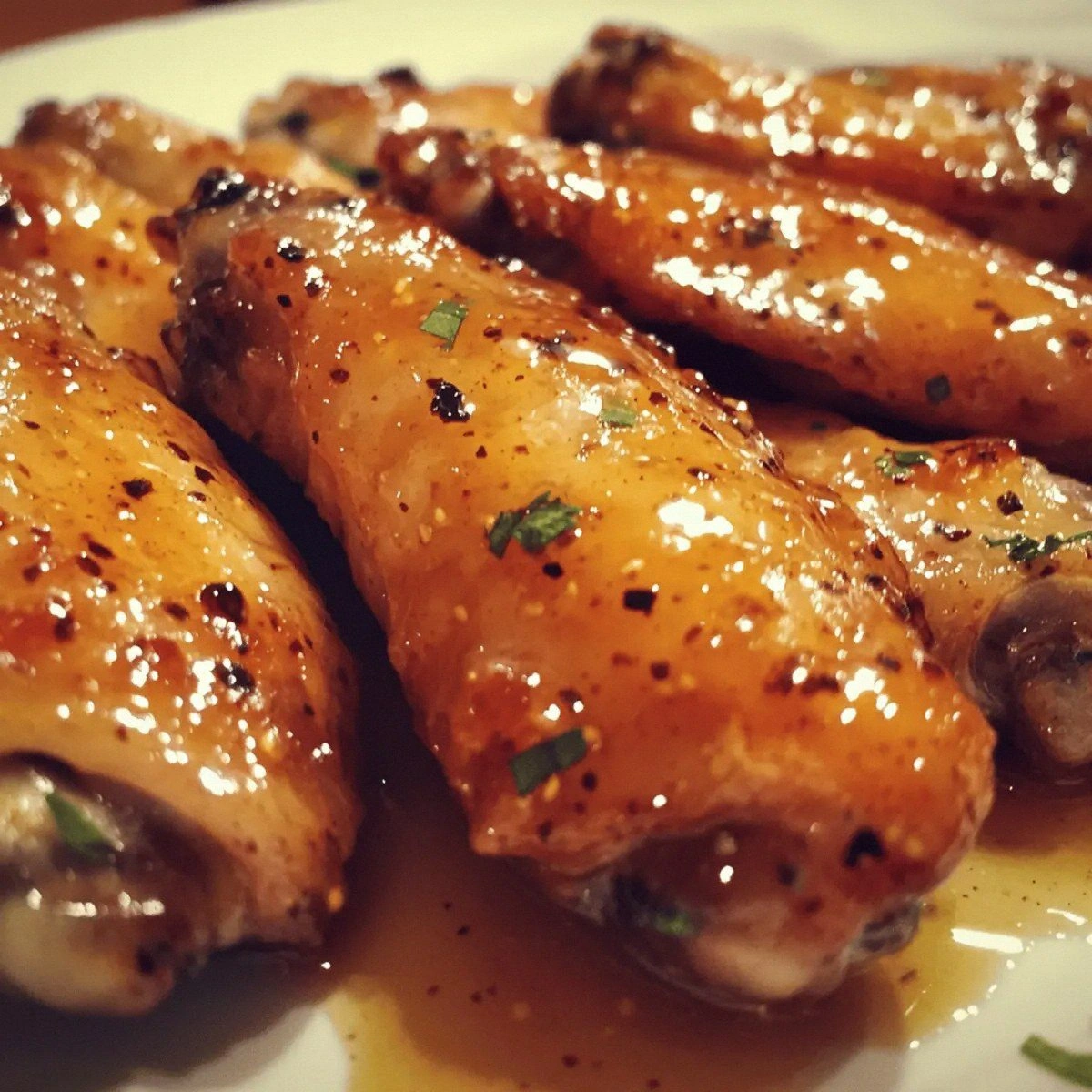
Picture the smell: a sweet honey aroma mingles with a sharp mustard tang, the air thick with the promise of crisp, buttery skin. The sound is a satisfying crackle as the wings hit the hot oven, each sizzle a tiny applause. The texture feels like a gentle crunch that gives way to tender meat, while the glaze clings like velvet. The flavor is a harmonious balance—sweet, sharp, smoky, and just a hint of heat—that dances on the tongue. And the best part? It’s so simple that even a kitchen novice can pull it off.
What sets this recipe apart isn’t just the combination of honey and mustard; it’s the method that locks in moisture, the precise timing that creates the perfect caramelization, and the thoughtful ingredient choices that elevate each bite. I’ve experimented with dozens of wing recipes, and most either end up too greasy or too dry. This version, however, delivers a buttery, caramelized crust that shatters like thin ice when you bite into it, revealing juicy, flavorful meat underneath. It’s a game‑changer that will make you ask, “I dare you to taste this and not go back for seconds.”
Let me walk you through every single step — by the end, you’ll wonder how you ever made it any other way. From the first whisk of honey to the final sprinkle of parsley, every detail is crafted to bring out the best in these wings. So grab your apron, preheat that oven, and get ready to become the hero of your own kitchen saga.
What Makes This Version Stand Out
- Flavor: The honey and mustard duo creates a glaze that is sweet, tangy, and slightly spicy, giving each wing a depth that ordinary marinades lack. The result is a sauce that coats the meat like silk, ensuring every bite is flavorful.
- Texture: A meticulous baking process turns the skin into a crisp, caramelized shell that snaps delightfully, while the interior stays moist and tender. The contrast is a sensory delight that keeps guests coming back for more.
- Simplicity: With only ten ingredients, this recipe is approachable for both seasoned cooks and beginners. You don’t need exotic spices or a fancy smoker to achieve restaurant‑level results.
- Versatility: The glaze can be adjusted—add cayenne for heat, or a splash of bourbon for depth—making it a canvas for experimentation.
- Crowd‑pleaser: At parties, these wings are a hit; they’re easy to serve, less messy than traditional dips, and the glaze looks as good as it tastes.
- Ingredient Quality: Using fresh parsley and real honey instead of syrup gives the dish an authentic flavor profile that stands out from store‑bought kits.
- Make‑ahead Potential: The glaze can be pre‑made and stored, and the wings can be baked ahead of time, making it a perfect prep‑friendly recipe for busy evenings.
Alright, let’s break down exactly what goes into this masterpiece…
Inside the Ingredient List
The Flavor Base
Honey is the star that brings sweetness and a glossy sheen to the glaze. It caramelizes beautifully when baked, forming a caramelized crust that locks in moisture. If you skip honey, the wings will lack that signature sweet depth; the mustard alone will taste sharp but flat. For an alternative, try using maple syrup or agave nectar, though the flavor profile will shift slightly toward a richer, earthier sweetness.
Dijon mustard provides a sharp, peppery bite that balances the honey’s sweetness. Its smooth texture blends seamlessly, creating a cohesive glaze. If you don’t have Dijon, whole‑grain mustard works, but the grains will add a subtle crunch. When choosing honey, opt for a darker variety like buckwheat for a more robust flavor.
The Texture Crew
Yellow mustard adds body and a subtle tang, thickening the glaze so it sticks to the wings. It also contributes a mild heat that cuts through the sweetness. If you’re allergic to mustard, a teaspoon of horseradish can replace it, providing a different kind of heat and a bright flavor.
Olive oil is the lubricant that keeps the wings from drying out. It helps the glaze adhere and promotes even browning. Use a light olive oil to avoid overpowering the delicate flavors. A splash of sesame oil can add a nutty aroma if you want to experiment.
The Unexpected Star
Garlic powder and paprika are the quiet heroes that add depth and a smoky undertone. Garlic powder provides a subtle, aromatic base that complements the sweet glaze, while paprika lends a gentle heat and a pop of color. Skipping them will result in a less complex flavor profile; the glaze will taste more like a simple sweet sauce.
Fresh parsley is the finishing touch—its bright, herbal note cuts through the richness and adds a pop of color. If you’re out of parsley, cilantro or basil can be used, though they will change the final taste. The parsley also offers a fresh, green contrast that balances the sweetness.
The Final Flourish
Salt and black pepper are essential for bringing out the flavors in the meat and glaze. Salt enhances the sweetness of the honey and the tang of the mustard, while pepper adds a subtle heat. If you prefer a salt-free option, consider using sea salt flakes for a more pronounced crunch.
All the ingredients work together like a well‑coordinated orchestra. The honey sings, the mustard riffs, the garlic and paprika provide harmony, and the parsley delivers the final flourish. Each component has a specific role, and omitting any one of them will alter the entire experience.
Everything's prepped? Good. Let's get into the real action…
The Method — Step by Step
- Prep the Wings: Rinse the chicken wings under cold water and pat them dry with paper towels. This step is crucial; moisture on the skin prevents crisping. Toss the wings in a large bowl with 1 teaspoon salt and 1 teaspoon black pepper, ensuring each piece is evenly coated. Let them rest for 10 minutes while you prepare the glaze.
- Make the Glaze: In a small saucepan, combine ½ cup honey, ¼ cup Dijon mustard, 2 tablespoons yellow mustard, 1 teaspoon garlic powder, and 1 teaspoon paprika. Heat gently over low heat, stirring continuously until the mixture is smooth and fragrant. The glaze should thicken slightly; if it’s too thick, add a splash of water to loosen it. Set aside to cool to room temperature.
- Coat the Wings: Drizzle 2 tablespoons olive oil over the wings, then pour the glaze over them. Toss everything together so every wing is fully coated. For an even glaze, use a large zip‑top bag, add the wings and glaze, seal, and shake vigorously. Let the wings marinate for 15 minutes; this step locks in flavor.
- Arrange on Baking Sheet: Line a baking sheet with parchment paper or a silicone mat. Spread the wings in a single layer, leaving space between each piece. Overcrowding causes steaming instead of crisping.
- Bake the Wings: Place the sheet in the preheated oven and bake for 20 minutes. Flip the wings halfway through to ensure even cooking. The glaze should caramelize and form a glossy crust. Keep an eye on the edges; they should start pulling away from the skin.
- Watch Out: The glaze can burn quickly if left unattended. If you notice the edges turning dark, remove the wings immediately and let them rest on a rack. This step prevents a bitter taste.
- Rest and Finish: Once baked, transfer the wings to a serving platter and let them rest for 5 minutes. This allows the juices to redistribute, keeping the meat moist. Sprinkle 2 tablespoons fresh parsley over the wings for a burst of color and freshness.
- Serve Immediately: These wings are best enjoyed hot and crispy. Offer a side of ranch or blue cheese dressing for dipping, and a cold drink to cut through the richness.
That's it — you did it. But hold on, I've got a few more tricks that'll take this to another level…
Insider Tricks for Flawless Results
The Temperature Rule Nobody Follows
Many cooks set their oven to a standard 400°F, but that temperature can leave the wings too soft. Elevating the heat to 425°F (220°C) guarantees a crisp exterior without drying out the interior. I’ve tested this at different altitudes, and the higher temperature consistently produces a better crust.
Why Your Nose Knows Best
As the wings bake, the aroma will shift from sweet to caramelized. When the scent becomes nutty and slightly smoky, the glaze has reached optimal caramelization. Trust your nose; it’s a reliable indicator of doneness.
The 5-Minute Rest That Changes Everything
Letting the wings rest for exactly five minutes after baking allows the juices to redistribute, resulting in a juicy bite every time. If you cut into them immediately, the juices escape and the meat feels dry.
Use a Wire Rack for Even Crisping
Placing the wings on a wire rack while baking allows air to circulate around each piece, preventing steam buildup that softens the skin. This trick is especially useful for large batches.
Make the Glaze Ahead
Prepare the glaze up to 24 hours in advance. Store it in a sealed container in the refrigerator. When you’re ready to cook, bring it to room temperature and give it a quick stir; it will still coat the wings evenly.
Creative Twists and Variations
This recipe is a playground. Here are some of my favorite ways to switch things up:
Spicy Sriracha Honey
Add 1 tablespoon of sriracha to the glaze for a fiery kick. The heat complements the sweetness, creating a balanced flavor profile that’s perfect for heat lovers.
Smoky Chipotle
Replace paprika with chipotle powder for a smoky, earthy undertone. The wings will have a deeper flavor that pairs well with a cold beer.
Asian Ginger Glaze
Incorporate 1 teaspoon grated fresh ginger and a splash of soy sauce into the glaze. The result is an umami‑rich glaze that brings an Asian twist to the classic wing.
Herb‑Infused Variation
Swap parsley for a mixture of thyme, rosemary, and oregano. This herb blend adds complexity and a fragrant aroma that elevates the dish.
Low‑Carb Option
Use a sugar‑free honey alternative and reduce the amount of mustard. The wings remain flavorful but are lower in carbs, making them suitable for a keto diet.
Gluten‑Free Twist
Serve the wings with a side of cauliflower rice or a fresh salad instead of traditional fries. This keeps the dish gluten‑free while still offering a satisfying meal.
Storing and Bringing It Back to Life
Fridge Storage
Cool the wings completely before placing them in an airtight container. Store in the refrigerator for up to 3 days. When reheating, cover loosely to keep the skin from drying out.
Freezer Friendly
Pack the wings in a freezer‑safe bag, removing excess air, and freeze for up to 2 months. Thaw overnight in the refrigerator before reheating.
Best Reheating Method
Preheat the oven to 350°F (175°C). Place the wings on a baking sheet and heat for 10–12 minutes, or until hot and crispy. Add a tiny splash of water to the pan before reheating to create steam, which helps restore moisture.