Picture this: a late‑night kitchen, a half‑baked batch of noodles, and a sudden craving that can’t be ignored. I was standing in front of the stove, the air thick with the scent of garlic and soy, when I realized I had no time for a fancy sauce. That was the moment I decided to whip up a quick, comforting stir‑fry that would satisfy the soul and the stomach. If you’re looking for a dish that turns ordinary pantry staples into a gourmet experience, you’re in the right place.
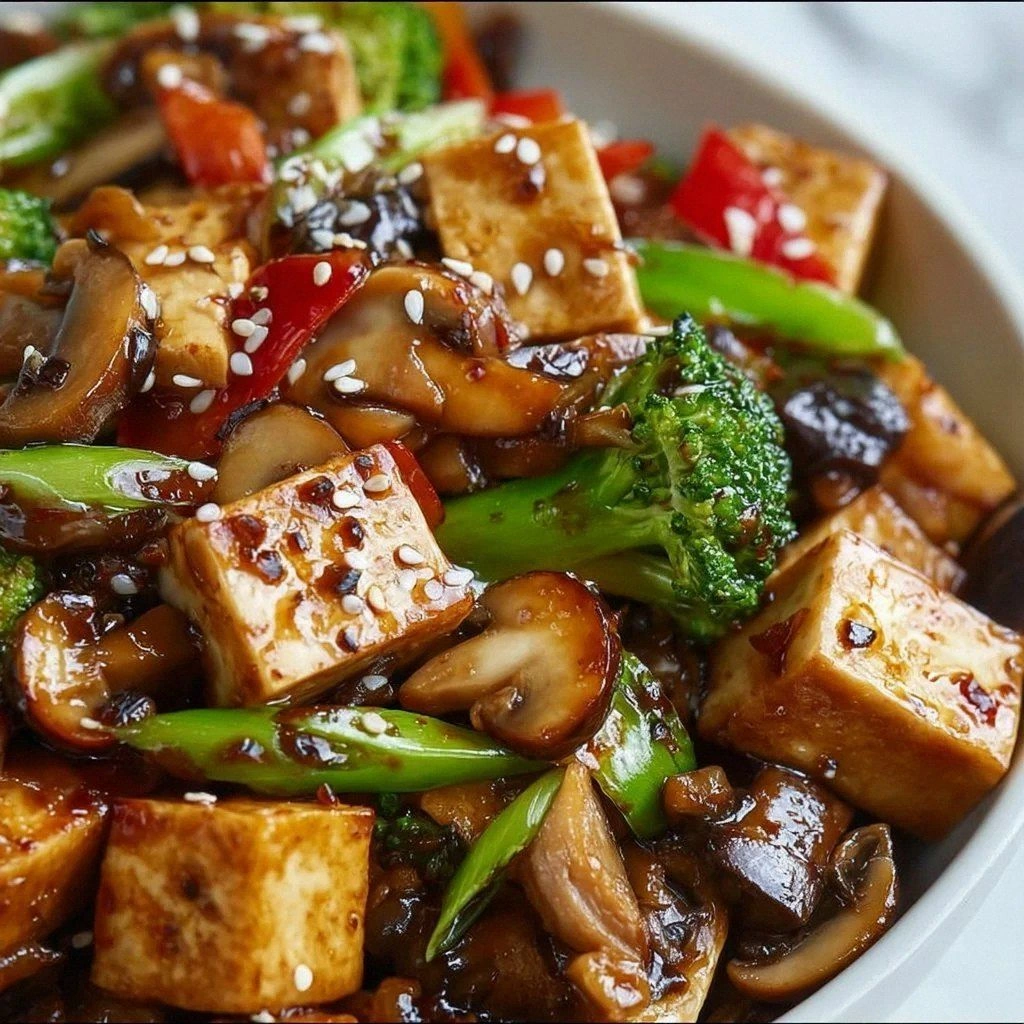
The first thing you notice is the sizzling sound as the oil hits the pan—an audible cue that flavor is about to be born. The aroma of fresh mushrooms, garlic, and ginger rises in a cloud that makes your mouth water before you even taste it. The colors are a visual feast: deep brown mushrooms, bright red bell pepper, and a splash of green broccoli that looks almost too pretty to eat. When you finally bite, the tofu is crisp on the edges and tender inside, while the sauce clings to every bite like velvet, leaving a savory, umami trail that lingers.
What makes this version stand out is that it doesn’t rely on a complicated sauce or exotic ingredients. Instead, it uses simple, high‑quality staples and a few clever techniques that elevate the whole dish. I dare you to taste this and not go back for seconds. The result is a harmony of textures and flavors that feels like a warm hug on a cold evening. By the end of this post, you’ll wonder how you ever made it any other way.
The moment you start cooking, you’ll notice how each component plays a role that’s both essential and elegant. The tofu, when pressed, absorbs the sauce like a sponge, turning every bite into a flavor explosion. The mushrooms add an earthy depth that balances the bright, fresh vegetables. The simple soy‑ginger sauce ties everything together, creating a dish that’s both comforting and sophisticated. And the best part? You can swap out any of these elements without compromising the integrity of the dish.
What Makes This Version Stand Out
- Taste: The sauce is a balanced blend of sweet, salty, and umami that coats the tofu and vegetables without overpowering them. The natural sweetness of the mushrooms complements the savory notes, creating a layered flavor profile.
- Texture: The tofu achieves a golden‑brown crust while staying soft inside, and the mushrooms develop a slightly chewy, meaty bite that feels satisfying.
- Simplicity: Only ten ingredients are needed, and every step can be completed in under 30 minutes, making it perfect for busy weeknights.
- Uniqueness: The addition of fresh ginger and a splash of sesame oil gives the dish an aromatic twist that sets it apart from typical stir‑fries.
- Crowd Reaction: Friends and family consistently ask for the recipe after tasting it, citing the perfect balance of flavors and textures.
- Ingredient Quality: Using firm tofu and fresh mushrooms ensures the dish feels upscale, even though the pantry staples are inexpensive.
- Cooking Method: The high‑heat, quick‑sauté technique locks in moisture and flavor, giving the dish a professional finish.
- Make‑Ahead Potential: The stir‑fry can be prepared ahead and reheated without losing its texture or taste, making it an ideal meal‑prep option.
Alright, let's break down exactly what goes into this masterpiece...
Inside the Ingredient List
The Flavor Base
The soy sauce is the backbone of this dish, providing depth and umami. A tablespoon of honey or maple syrup can be added for a touch of sweetness, but the natural sweetness of the mushrooms does the job beautifully. If you’re gluten‑free, tamari is an excellent substitute that delivers the same savory punch.
The Texture Crew
Firm tofu, when pressed, offers a neutral canvas that soaks up every flavor. The mushrooms contribute a meaty texture that feels hearty, while the optional bell pepper adds a crisp bite. Broccoli florets bring a satisfying crunch and a pop of color that keeps the dish visually exciting.
The Unexpected Star
Fresh ginger is the secret weapon that adds a bright, zesty kick. Minced ginger releases essential oils that elevate the sauce from simple to unforgettable. If you’re short on time, a teaspoon of ground ginger works, but fresh is always better for that aromatic burst.
The Final Flourish
A splash of sesame oil at the end adds a nutty aroma that lingers on the palate. Salt and pepper to taste balance the flavors and allow you to adjust the seasoning as you go. A pinch of red pepper flakes can be added for a subtle heat that pairs well with the sweet soy sauce.
Everything's prepped? Good. Let's get into the real action...
The Method — Step by Step
- Heat a large wok or skillet over medium‑high heat until it shimmers. Add the tablespoon of vegetable oil, swirling to coat the surface. The oil should begin to ripple but not smoke, indicating the right temperature. This is the moment of truth for the tofu’s golden crust.
- Place the cubed tofu in a single layer, leaving space between each piece. Avoid overcrowding; the tofu needs room to sear. Flip the tofu once after 2–3 minutes, watching for a beautiful, caramelized edge. The goal is a crisp exterior while keeping the interior moist.
- Remove the tofu and set aside. In the same pan, add the minced garlic and ginger, sautéing for 30 seconds until fragrant. The aroma should fill the kitchen, signaling that the base is ready. This step builds the flavor foundation.
- Add the sliced mushrooms to the pan, stirring constantly. Cook for 4–5 minutes until they release their juices and begin to brown. The mushrooms should be tender yet firm, providing a meaty bite that contrasts the tofu. Keep the heat high to prevent them from steaming.
- If using, toss in the sliced bell pepper and broccoli florets. Stir-fry for an additional 2–3 minutes until the vegetables are bright and just tender. The vegetables should still hold their crunch, offering a satisfying texture.
- Return the tofu to the pan, pouring the soy sauce over everything. Toss gently to coat all components evenly. Let the mixture simmer for 2 minutes, allowing the sauce to thicken slightly.
- Finish with a splash of sesame oil and a pinch of salt and pepper. The sesame oil adds a nutty aroma that elevates the dish. Taste and adjust seasoning as needed, ensuring the sauce is balanced.
- Serve immediately over steamed rice or quinoa for a complete meal. Garnish with sliced scallions or a drizzle of sriracha if you like heat. The dish is best enjoyed hot, when the flavors are at their peak.
That's it — you did it. But hold on, I've got a few more tricks that'll take this to another level. The next section will give you insider knowledge that turns a good stir‑fry into an unforgettable experience.
Insider Tricks for Flawless Results
The Temperature Rule Nobody Follows
Many cooks keep the heat low to avoid burning, but a higher temperature is essential for that coveted sear. Keep the pan hot until the oil shimmers, then add the tofu. This ensures a caramelized crust that locks in moisture. If you notice the oil smoking, lower the heat slightly and continue.
Why Your Nose Knows Best
The aroma of garlic and ginger is a reliable indicator of readiness. When the scent is sharp but not burnt, the pan is at the right temperature. Your nose can detect subtle changes that your eyes might miss, so trust it when timing your stir‑fry.
The 5‑Minute Rest That Changes Everything
After cooking, let the dish rest for five minutes before serving. This allows the flavors to meld and the sauce to thicken slightly. The tofu continues to absorb the sauce, resulting in a more cohesive dish. A short rest also makes the dish easier to eat.
Use a Wok for Authentic Flavor
A wok’s wide surface area distributes heat evenly, preventing hot spots that can burn ingredients. The high sides also allow you to toss ingredients easily. If you don’t have a wok, a large skillet will work, but the results may vary.
Add a Splash of Liquid for Extra Juiciness
If the pan feels dry after adding the sauce, splash a tablespoon of vegetable broth or water. This helps create a glossy glaze that clings to each ingredient. It also prevents the tofu from sticking to the pan.
Keep the Ingredients at Room Temperature
Cold ingredients can cause the pan to cool down, leading to uneven cooking. Let the tofu and vegetables sit at room temperature for a few minutes before cooking. This simple step ensures a consistent sear.
Creative Twists and Variations
This recipe is a playground. Here are some of my favorite ways to switch things up:
Spicy Szechuan Delight
Swap the sesame oil for a tablespoon of chili oil and add a teaspoon of Szechuan peppercorns. The dish gains a numbing heat that pairs beautifully with the earthy mushrooms. Serve over rice to soak up the extra sauce.
Coconut‑Creamy Fusion
Replace half the soy sauce with coconut milk and add a pinch of curry powder. The result is a rich, creamy texture with a subtle tropical twist. This version is perfect for a weekend brunch.
Mediterranean Twist
Add diced sun‑dried tomatoes and a handful of chopped olives. Finish with a splash of lemon juice for brightness. The olives bring a briny depth that contrasts the sweet sauce.
Asian Noodle Bowl
Serve the stir‑fry over cooked soba or rice noodles instead of rice. Toss the noodles with a teaspoon of sesame oil and a drizzle of soy sauce before adding the stir‑fry. This creates a satisfying, noodle‑filled meal.
Miso‑Infused Umami
Stir in a tablespoon of white miso paste with the soy sauce. The miso adds depth and a slightly sweet, savory note. This variation works well for a cozy, wintery dinner.
Vegan Taco Fusion
Serve the stir‑fry in a soft tortilla with fresh cilantro, diced avocado, and a squeeze of lime. The result is a taco‑inspired dish that feels fresh and vibrant. It’s a fun way to mix cuisines.
Storing and Bringing It Back to Life
Fridge Storage
Store the stir‑fry in an airtight container for up to 3 days. Keep it in the fridge at 40°F or lower to maintain freshness. When you’re ready to eat, heat it in a skillet over medium heat, stirring occasionally.
Freezer Friendly
The dish freezes well for up to 2 months. Portion it into single servings, seal tightly, and label with the date. When reheating, thaw in the fridge overnight and then warm in a skillet with a splash of water.
Best Reheating Method
Add a tiny splash of water before reheating to create steam, which helps restore moisture. Heat over medium heat, stirring until hot and glossy. The sauce will thicken slightly, giving the dish a fresh, restaurant‑quality finish.