I remember the night I nearly burned the kitchen to the ground while trying to impress my friends with a quick dinner. The oven was preheated, the skillet was hot, and I had a bag of chicken drumsticks that had been sitting in the fridge for a week. I tossed them in a bland mix of soy sauce and honey, hoping the sweetness would mask the lack of seasoning. The result? A greasy, over‑cooked mess that tasted like a forgotten grocery aisle. That disaster sparked a quest for the ultimate sticky soy‑garlic chicken, and after countless experiments I finally nailed the perfect glaze and texture.
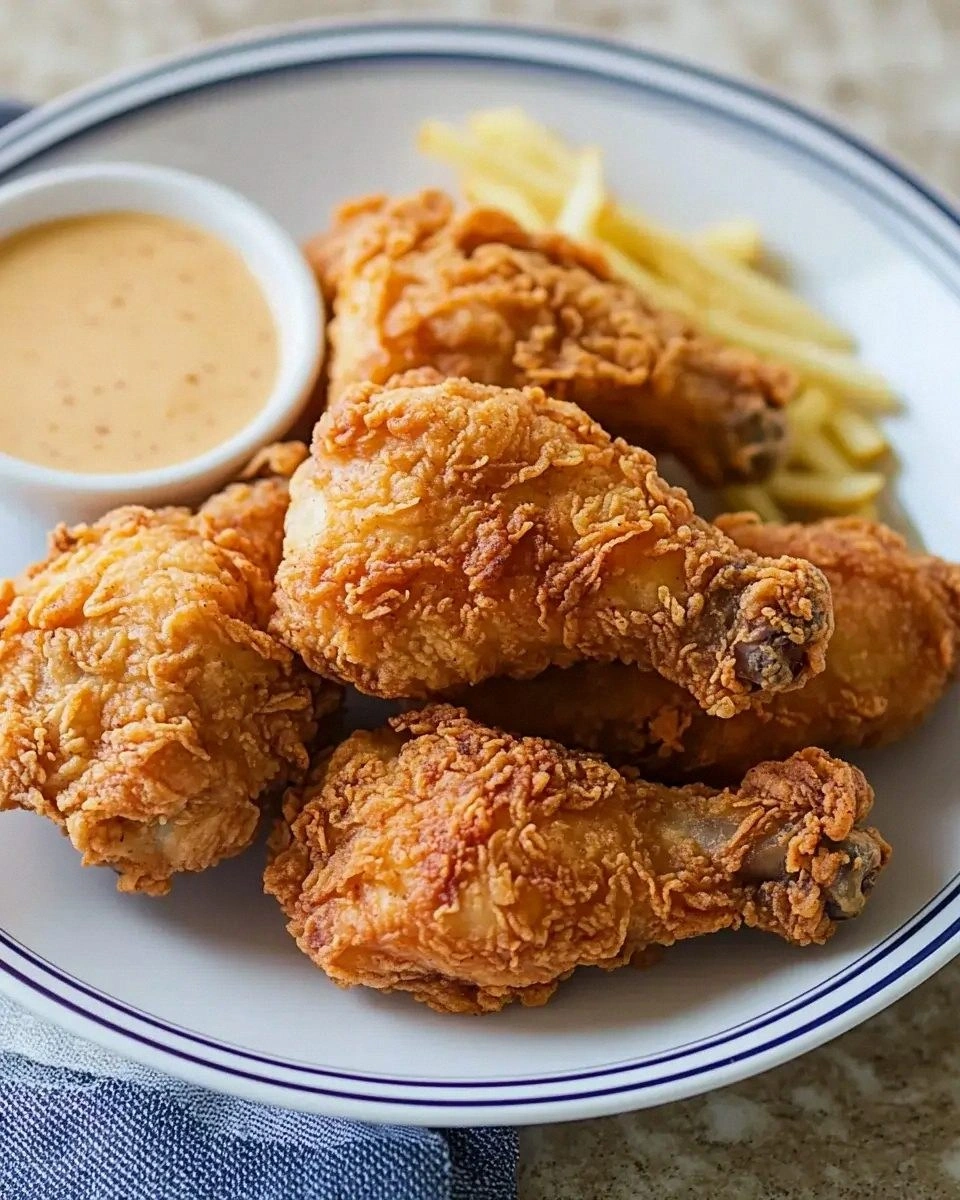
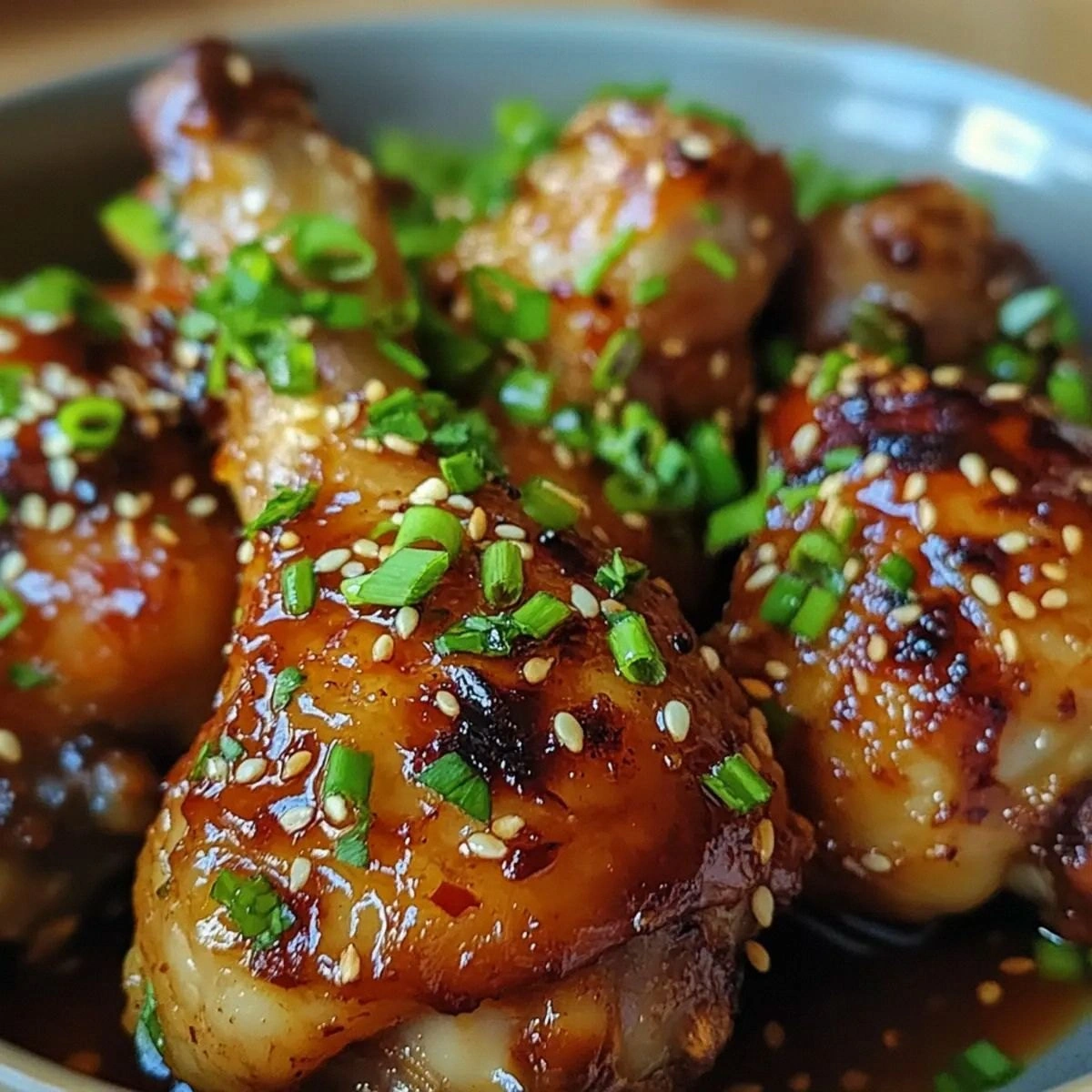
Picture this: the aroma of sizzling garlic and ginger fills the air, the sound of a bubbling sauce crackles against the pan, and the sight of a glossy sheen coating each drumstick like a second skin. The first bite releases a burst of umami, followed by a sweet, honeyed finish that lingers on the palate. The chicken’s skin crisps to a golden brown, while the meat inside stays tender and juicy, practically melting in your mouth. The sesame seeds add a subtle crunch, and the green onions give a fresh, peppery counterpoint that cuts through the richness.
What makes this version stand out is that it balances flavors and textures in a way that most recipes miss. I dared you to taste this and not go back for seconds, and I’ll be honest — I ate half the batch before anyone else got a chance. The sauce is thick enough to cling to the meat without dripping, and the cooking method ensures the chicken stays moist while developing a caramelized crust. It’s a dish that feels like a culinary triumph, not a simple week‑night meal, and it’s hands down the best version you’ll ever make at home.
Now, if you’re ready for a game‑changer that will have your friends begging for the recipe, let me walk you through every single step. By the end, you’ll wonder how you ever made it any other way. Trust me, this is going to be a kitchen adventure you’ll want to revisit time and time again.
What Makes This Version Stand Out
- Flavor: The sweet‑savory balance of honey and soy sauce creates a glaze that caramelizes beautifully without burning, giving each drumstick a glossy finish that looks as good as it tastes.
- Texture: The searing technique locks in juices, producing a crisp exterior that shatters like thin ice while the interior remains melt‑in‑your‑mouth tender.
- Simplicity: With only nine ingredients, this dish is a breeze to assemble, yet it delivers a complex flavor profile that feels like a gourmet experience.
- Uniqueness: The addition of rice vinegar brightens the sauce, cutting through the sweetness and preventing a cloying finish that often plagues sticky chicken recipes.
- Crowd‑Pleaser: Whether you’re feeding a family of four or hosting a dinner party, the sticky glaze and aromatic hints of garlic and ginger keep everyone coming back for more.
- Ingredient Quality: Using fresh, high‑quality soy sauce and honey makes the difference between a bland glaze and one that sings with depth.
- Cooking Method: The two‑stage process—first searing, then braising—ensures the chicken is evenly cooked and infused with flavor.
- Make‑Ahead Potential: The sauce can be pre‑made and stored, making this dish a perfect option for busy week‑nights or last‑minute gatherings.
Alright, let's break down exactly what goes into this masterpiece...
Inside the Ingredient List
The Flavor Base
Soy sauce and honey form the core of this dish’s flavor. The soy sauce provides umami depth while the honey adds a natural sweetness that caramelizes under heat. If you skip honey, the glaze will taste too salty and lack that glossy finish. For a slightly different twist, try using maple syrup or agave nectar, but be aware the flavor profile will shift toward a more pronounced sweetness.
The Texture Crew
The vegetable oil and sesame seeds work together to create a crisp exterior. The oil raises the pan’s temperature for a perfect sear, while the sesame seeds add a subtle crunch and nutty aroma. If you’re watching calories, you can reduce the oil by half and still achieve a nice crust by increasing the searing time slightly.
The Unexpected Star
Rice vinegar may seem out of place in a sticky glaze, but it’s essential for brightening the sauce and preventing the honey from burning. Its acidic bite balances the sweetness and gives the glaze a silky sheen. If you can’t find rice vinegar, a splash of white wine or apple cider vinegar works as a decent substitute.
The Final Flourish
Green onions and ginger add fresh, zesty notes that cut through the richness. The green onions contribute a mild peppery bite, while the ginger introduces a warm, slightly spicy undertone. If you’re allergic to ginger, a pinch of ground ginger or a dash of garlic powder can fill the gap, though the flavor will be less vibrant.
Everything's prepped? Good. Let's get into the real action...
The Method — Step by Step
- Pat the chicken drumsticks dry with paper towels; this step is crucial for a crisp skin. Season the pieces lightly with salt and pepper, then set them aside. If you’re short on time, you can skip the seasoning, but a pinch of salt will elevate the flavors.
- Heat a large, heavy‑bottomed skillet over medium‑high heat and add the vegetable oil. Once the oil shimmers, place the drumsticks in a single layer, skin side down. Let them sear undisturbed for 4–5 minutes until the skin turns a deep amber and releases from the pan.
- Flip the drumsticks and add the minced garlic and ginger to the pan. Sauté for 30 seconds, letting the aromatics bloom. The scent should be intoxicating—if it’s not, you’re not cooking at the right temperature.
- Pour in the soy sauce, honey, rice vinegar, and a splash of water to create a sauce that coats the chicken but doesn’t pool. Stir to combine, then bring the mixture to a gentle simmer. The sauce should thicken slightly within 2 minutes.
- Reduce the heat to low, cover the skillet, and let the drumsticks braise for 20 minutes, turning them halfway through. The liquid should reduce to a glossy glaze that clings to the meat. Keep an eye on it—if the sauce starts to scorch, lower the heat and add a teaspoon of water.
- Remove the lid and increase the heat to medium. Let the sauce reduce further, stirring occasionally, until it thickens to a syrupy consistency that coats the back of a spoon. This step is the moment of truth; the glaze should be glossy, not sticky.
- Sprinkle the sesame seeds and chopped green onions over the drumsticks. Toss gently to coat, then serve immediately with steamed rice or a crisp salad. The contrast between the sticky glaze and the fresh vegetables will leave your taste buds dancing.
- If you’re plating for a crowd, arrange the drumsticks on a platter and drizzle any remaining sauce over the top. Garnish with extra green onions and a sprinkle of toasted sesame seeds for an extra pop of flavor.
That's it — you did it. But hold on, I've got a few more tricks that'll take this to another level.
Insider Tricks for Flawless Results
The Temperature Rule Nobody Follows
Many cooks try to cook the chicken at the highest heat to get a quick sear, but this often leaves the meat dry. The trick is to start high enough to brown the skin, then lower the heat to medium‑low for braising. This ensures the juices stay inside the meat and the glaze doesn’t burn.
Why Your Nose Knows Best
When the sauce is about to thicken, the aroma changes from sweet to caramelized. Trust that scent; it means the glaze is ready. If the aroma lingers too much, the sauce may still be too watery.
The 5‑Minute Rest That Changes Everything
Let the cooked drumsticks rest for 5 minutes after you remove them from the pan. This allows the juices to redistribute, keeping the meat moist. Skipping this step can result in a slightly dry center.
The Secret of Even Glazing
After the sauce has thickened, use a spoon to baste the drumsticks repeatedly. This not only coats each piece evenly but also adds a glossy shine that makes the dish look restaurant‑quality.
The Final Touch of Freshness
A squeeze of fresh lime juice right before serving adds a bright, citrusy counterpoint to the sweetness. If you prefer a more subtle hint, a dash of fish sauce can deepen the umami without overpowering.
Creative Twists and Variations
This recipe is a playground. Here are some of my favorite ways to switch things up:
Spicy Sriracha Twist
Add a tablespoon of sriracha to the sauce for a fiery kick. The heat balances the sweetness, and the dish becomes a crowd‑pleaser for spice lovers.
Citrus Burst
Replace half the honey with orange juice and zest the orange into the glaze. The citrus adds brightness and a subtle floral note that pairs beautifully with the soy.
Thai Coconut Variation
Swirl in a half cup of coconut milk during the braising stage. The creaminess softens the glaze and gives the dish an exotic, tropical twist.
Herb‑Infused Finale
Finish the dish with a handful of chopped cilantro and a drizzle of lime‑y vinaigrette. The herbs add freshness and a pop of color that makes the plate visually stunning.
Gluten‑Free Option
Use tamari instead of regular soy sauce and ensure your honey is gluten‑free. The dish remains flavorful while catering to dietary restrictions.
Storing and Bringing It Back to Life
Fridge Storage
Store leftovers in an airtight container in the refrigerator for up to 4 days. The glaze may thicken, so reheat gently over low heat, adding a splash of water if needed to restore its sheen.
Freezer Friendly
Freeze the cooked drumsticks in a single layer on a baking sheet before transferring to a freezer bag. They stay good for up to 3 months. Reheat in the oven at 350°F (175°C) for 15 minutes, then finish in a skillet to crisp the skin.
Best Reheating Method
The ideal method is to reheat in a skillet over medium heat, turning occasionally, until the glaze is hot and slightly caramelized. Add a tiny splash of water or broth to keep the meat moist and the glaze from drying out.