I still remember the first time I attempted Jamaican curry chicken. It was a sweltering August afternoon, my kitchen windows were fogged with spice-laden steam, and I was convinced I could wing it without a recipe. Big mistake. The chicken emerged tough, the sauce was grainy, and the heat level reminded me of a dare I should have declined. I stood there, fanning my mouth and pride, promising myself I would crack the code to the velvet-rich, island-bright curry I'd tasted at a tiny Kingston roadside shop years earlier. Fast-forward through three months, countless scotch bonnets, and one heroic grocery clerk who learned my name, and I finally nailed a version that makes friends cancel dinner plans just to hover over my stove.
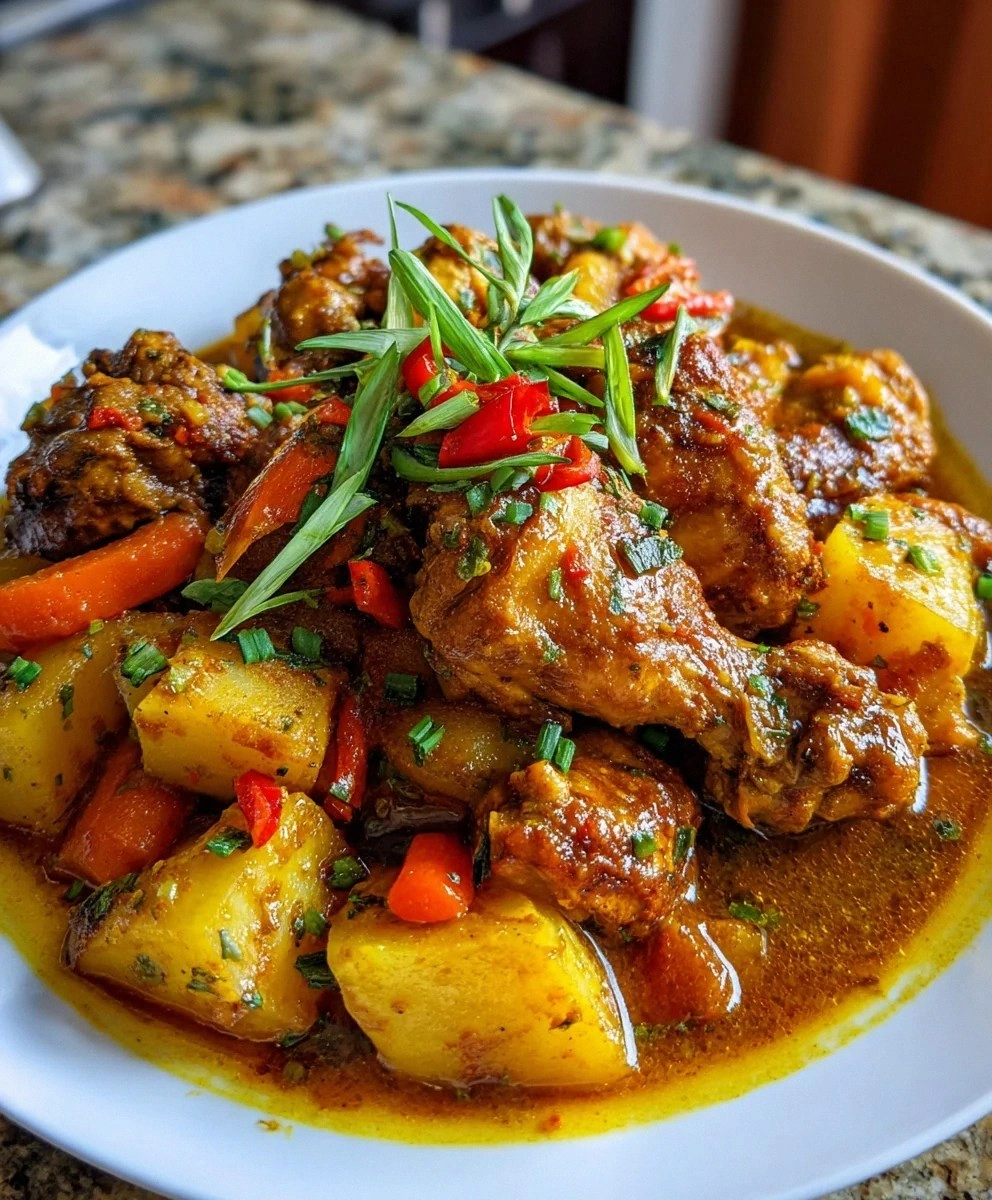
Picture this: mahogany chicken pieces lounging in a sunset-orange sauce that smells like warm allspice, coconut, and something you can't quite name but desperately want to scoop with rice. The edges of the pot hold tiny caramelized flecks that tell you the curry was toasted just right, the potatoes have slumped into buttery cubes, and a lone thyme leaf clings to the lip like it's posing for a postcard. That first bite hits you with layered heat—bright, floral, slow-building—then the coconut milk swoops in to soothe, leaving behind a smoky, earthy whisper of turmeric and fenugreek. If you've never cooked Caribbean food before, this is your gateway drug; if you have, prepare to retire every other curry recipe in your collection.
What makes this version special isn't some impossible-to-source ingredient or a twelve-hour ritual. It's the sequence of small, intentional moves: blooming the curry powder until it smells like you've teleported to a spice market, slipping in a whisper of brown sugar to round the edges, and treating the chicken to a quick sear that locks in juices before the simmer. The result is fork-tender meat, a glossy gravy that clings like velvet, and a flavor that tastes like someone bottled Jamaican sunshine. I dare you to taste this and not go back for seconds; I double-dare you to leave leftovers for tomorrow.
Let me walk you through every single step—by the end, you'll wonder how you ever made it any other way.
What Makes This Version Stand Out
- Turbo-Charged Marinade: A quick thirty-minute bath in green seasoning and curry powder does what most recipes need overnight to accomplish. The acidity tenderizes while the spices dig deep, so every fiber carries flavor, not just the surface.
- Bloom, Don't Burn: Most home cooks toss curry powder straight into liquid and wonder why dinner tastes flat. We toast it in oil until it goes two shades darker and smells like toasted nuts—this unlocks volatile oils and creates a base so aromatic your neighbors will ask what you're cooking.
- Scotch Bonnet Control: Instead of dropping a whole pepper into the pot like a spicy hand-grenade, we slice just one side, letting the steam decide the heat level. You can pull it out early for gentle warmth or leave it to split after fifteen minutes for serious fire.
- Potato Insurance: Russets go in first so they can sponge up the sauce; carrots follow later to keep a little snap. This staggered timing means every bite offers contrast—some creamy, some with bite—so you never face a bowl of mush.
- Coconut Milk Finish: We add only half at the start for silkiness, then swirl in the rest at the end to keep that fresh, sweet perfume that gets cooked out in long simmers.
- Browning-Sauce Magic: A teaspoon of this molasses-black elixir deepens color without tasting burnt. Think of it as Photoshop for stew—depth, contrast, drama.
- Make-Ahead Friendly: Flavors meld and intensify overnight, turning leftovers into the holy grail of meal prep. It also freezes like a dream, so you can stockpile island comfort for rainy Tuesdays.
Alright, let's break down exactly what goes into this masterpiece...
Inside the Ingredient List
The Flavor Base
Organic chicken thighs and drumsticks are non-negotiable for me. Sure, breast meat looks tidy, but it dries out faster than a conversation on a bad first date. Thighs forgive your timing sins and come pre-equipped with silky pockets of fat that self-baste as they cook. Leave the skin on if you crave crackle; remove it if you want the spices to cling directly to the meat. Either way, trim excess fat so the sauce stays sleek, not greasy.
Jamaican curry powder is the sun around which this dish orbits. British-style curry blends tend to be mellow and turmeric-heavy; Jamaican versions crank up the fenugreek, cumin, and anise-forward spices, giving a more peppery, slightly bitter backbone that plays beautifully with coconut milk. If all you can find is generic curry powder, doctor it with an extra half-teaspoon each of ground cumin and coriander and a pinch of allspice to fake that island vibe.
Green seasoning is the island answer to mirepoix: cilantro, thyme, scallion, garlic, and onion blitzed into a grassy paste. Store-bought jars work in a pinch, but whipping up a quick batch (blend a handful of each herb with a splash of lime) keeps for two weeks and transforms chicken, fish, even scrambled eggs into something you'll crave at 2 a.m.
The Texture Crew
Russet potatoes are the quiet heroes here. Their high starch content means they drink up sauce like little sponges, turning into nuggets of seasoned goodness. Cut them into one-inch chunks; any smaller and they'll dissolve into cloudy gravy. Leave the skin on for rustic charm or peel if you want cloud-soft bites. Pro tip: soak the cut pieces in cold salted water for ten minutes to draw out surface starch so they don't glue together.
Carrots bring color, sweetness, and a beta-carotene boost. I slice them on the bias so they look fancy, but half-moons work too. Add them halfway through cooking so they stay vibrant and offer a gentle crunch against the yielding potatoes. Bell peppers join the party last for a pop of juicy freshness—use a mix of red and yellow for confetti vibes.
The Heat & Sweet Balance
Scotch bonnet is the Caribbean's answer to habanero—fruity, floral, and deceptively scorching. One pepper split lengthwise perfumes the whole pot without detonating your taste buds. If you can't find bonnets, habaneros substitute nicely; just remove the white ribs if you're heat-shy. Brown sugar isn't about turning dinner into dessert; it's the diplomatic negotiator that rounds sharp edges and helps spices caramelize. Start conservative—you can always stir in more at the end.
Coconut milk is the silk scarf that tames the fire. Use full-fat canned, not the watery carton stuff marketed as a beverage. Shake the can vigorously before opening so the thick cream and thin liquid recombine. If your coconut milk is ice-cold from the pantry, it will curdle slightly when it hits the hot pot—no worries, just keep stirring and it will smooth out.
The Final Flourish
Fresh thyme is mandatory; dried tastes like dusty library books in comparison. Toss in whole sprigs so the leaves can fall off naturally during the simmer. Green onions added right at the end stay perky and give a grassy lift. A final squeeze of lime wakes everything up, like flicking on overhead lights after a romantic dinner. If you want restaurant-level gloss, whisk a tablespoon of cold butter into the sauce just before serving—it will catch the light and make you look like a pro.
Everything's prepped? Good. Let's get into the real action...
The Method — Step by Step
- Pat the chicken dry with paper towels—moisture is the enemy of browning—and place it in a large bowl. Season generously with sea salt, black pepper, smoked paprika, and all-purpose seasoning. Add two tablespoons of Jamaican curry powder, a tablespoon of green seasoning, and a teaspoon of browning sauce. Massage the spices into every crevice like you're giving the chicken a spa treatment. Let it marinate while you prep vegetables; even fifteen minutes makes a difference, but if you can spare an hour, the flavor payoff is massive.
- Heat a heavy-bottomed pot or Dutch oven over medium-high and add enough olive oil to film the bottom. When the oil shimmers and a speck of curry powder sizzles on contact, you're ready. Brown the chicken in batches, skin-side down first, about three minutes per side. Don't crowd the pan or you'll steam instead of sear. The goal is mottled amber spots, not full coverage—those browned bits (fond) will dissolve later and turbo-charge the sauce. Transfer chicken to a plate; don't you dare wipe out that gorgeous fond.
- Lower heat to medium and toss in a finely chopped onion. Scrape the bottom with a wooden spoon to loosen all that flavor gold. Cook until the edges turn translucent and the kitchen smells like Sunday at your grandmother's. Stir in three tablespoons of curry powder and let it toast for a minute; the moment it smells like warm earth and toasted nuts, add minced garlic and ginger. Garlic burns fast, so keep things moving. When the mixture resembles wet sand and the color has deepened two shades, you're ready for liquids.
- Pour in half the coconut milk and the chicken stock, stirring to create a glossy emulsion. Add a bay leaf, a whole scotch bonnet, and a teaspoon of brown sugar. Return the chicken and any accumulated juices to the pot, nestling pieces so they're mostly submerged. Bring to a gentle simmer, cover, and cook fifteen minutes. This is the flavor-building phase; the low bubble coaxes spices into the meat while keeping it tender. Resist cranking the heat—boiling will tighten the proteins and give you rubbery regret.
- Scatter in the potatoes, cover again, and simmer fifteen more minutes. Test doneness with a fork; the potato should offer slight resistance but not crunch. If the sauce looks thick enough to coat the back of a spoon, you're on track. If it's soupy, remove the lid and let it reduce for five minutes, stirring gently so potatoes don't break. Add carrots and bell pepper, cover, and cook five minutes. You want the carrots softened but still vivid; bell peppers should keep their snap.
- Stir in remaining coconut milk and fresh thyme sprigs. Simmer uncovered for five minutes so the flavors marry but the milk stays fresh. Taste the sauce: it should be bold, slightly sweet, and layered with heat that blooms after you swallow. Adjust with salt, a pinch more sugar if it's harsh, or a squeeze of lime if it needs brightness. If you want more fire, gently press the scotch bonnet against the side of the pot with your spoon; one little pop releases serious capsaicin.
- Turn off the heat and let the curry rest five minutes. This brief pause allows the meat to reabsorb juices and the sauce to settle, so you don't burn your tongue on over-eager bites. Sprinkle with thinly sliced green onions and maybe a whisper of fresh cracked pepper. Serve over steaming white rice, buttered dumplings, or even coconut rice for a double-down on island vibes. Ladle extra sauce generously; half the joy is letting that curry river seep into every grain.
That's it—you did it. But hold on, I've got a few more tricks that'll take this to another level...
Insider Tricks for Flawless Results
The Temperature Rule Nobody Follows
Keep the liquid at a lazy bubble, not a rolling boil. Think of it as a spa day for chicken: gentle heat relaxes the fibers, letting spices slip inside. Anything more aggressive squeezes moisture out, leaving you with stringy meat and a grainy sauce. If you peek under the lid and see frantic bubbles, lower the heat immediately. Your patience will be rewarded with fork-tender chicken that slips off the bone.
Why Your Nose Knows Best
Trust aroma checkpoints more than the clock. When the curry powder toasts, you should smell nutty warmth before it turns bitter. When the sauce simmers, it should invite, not sting. If your eyes water, the scotch bonnet has gone rogue—pull it out and add a splash more coconut milk. A well-balanced curry perfumes the house with sweet, earthy notes that make family members wander in asking, "Is it ready yet?"
The 5-Minute Rest That Changes Everything
After cooking, let the pot sit uncovered for five minutes before serving. This brief pause lets the furious simmer settle, redistributes juices, and prevents that volcanic burn when you dig in too quickly. It's also the perfect window to adjust final flavors: a squeeze of lime for brightness, a pinch of salt to sharpen, or a drizzle of browning sauce for deeper color. Those five minutes feel eternal when you're hungry, but they separate good curry from legendary curry.
Color Counts—Fake It 'Til You Make It
If your curry looks pale, whisk a teaspoon of turmeric with a splash of water and stir it in during the last minute of cooking. For mahogany richness, add another dab of browning sauce. Remember, we eat first with our eyes; a vibrant pot invites hungry forks faster than any dinner bell.
Creative Twists and Variations
This recipe is a playground. Here are some of my favorite ways to switch things up:
Goat Instead of Chicken
Swap in bone-in goat stew meat and increase simmer time to ninety minutes until fork-tender. Goat lends a gamey richness that stands up to bold spices. Add a cinnamon stick and a couple cloves to echo traditional Jamaican goat curry. The result is luxurious, slightly funky, and tastes like Saturday night in Kingston.
Vegetarian Island Feast
Replace chicken with chickpeas and add chunks of pumpkin or sweet potato for heft. Use vegetable stock and double the carrots and bell peppers. A handful of baby spinach stirred in at the end wilts instantly and adds color. Even carnivores inhale this version when they taste the creamy, spice-laden sauce.
Coconut-Lime Shrimp Curry
Use large shrimp, peeled but tails on for drama. Sauté them for just two minutes, remove, then build the sauce as written. Return shrimp for the final three minutes so they stay plump. Finish with a shower of lime zest and a splash of white rum for vacation vibes.
Smoky Pineapple Punch
Add one cup of fresh pineapple chunks during the last ten minutes. The fruit's acidity balances the richness while little charred edges create pockets of caramel sweetness. A whisper of liquid smoke intensifies the grill vibe. Serve over coconut rice and prepare for tropical daydreams.
One-Pot Rice Integration
Turn this into a Caribbean pilaf by stirring in two cups of long-grain rice and an extra cup of stock once the chicken is cooked. Cover and simmer eighteen minutes until rice drinks up the sauce. Fold in peas at the end for color. It's weeknight friendly and yields fewer dishes—my favorite kind of magic.
Extra-Creamy Vegan Route
Sub chicken with tofu puffs or seitan, use full-fat coconut milk, and finish with a spoon of cashew butter whisked in off heat. Add chickpeas for protein and smoked paprika for depth. The cashew butter adds body that mimics meaty richness without any animal products.
Storing and Bringing It Back to Life
Fridge Storage
Cool curry to room temperature, then spoon into airtight glass containers. It keeps up to four days, though flavors peak around day two when spices meld completely. Store rice separately so it doesn't absorb all the sauce and become mush. Reheat gently on the stove with a splash of water or stock; microwaves can toughen chicken and separate coconut milk.
Freezer Friendly
Portion into freezer bags, press out excess air, and freeze flat for easy stacking. It stays stellar for three months. Thaw overnight in the fridge, then warm slowly. Potatoes may gain a slightly grainy edge after freezing; if that bothers you, freeze the curry without them and add freshly simmered spuds when reheating.
Best Reheating Method
Use a covered saucepan over low heat with a splash of chicken stock or coconut milk to loosen the sauce. Stir occasionally and don't rush—high heat will turn chicken stringy. Once steaming, taste and brighten with fresh lime. If the curry thickened too much, thin with more stock; if too thin, simmer uncovered for five minutes or mash a few potatoes for natural thickness.