I was standing in my kitchen, staring at a half‑baked bagel that had turned into a soggy, flavorless lump, when my roommate burst in, eyes wide, holding a bag of bacon that had just come out of the oven. “You’ve gotta try this,” she whispered, “I’m about to make something that will change your breakfast forever.” I laughed, but the truth was that I was about to discover a bagel that would become the center of every Sunday brunch, the secret weapon in any brunch‑menu, and the one thing that would make my friends beg for the recipe before they even tasted it. That moment, the aroma of sizzling bacon and the crackle of butter, was the spark that turned a simple idea into a culinary obsession.
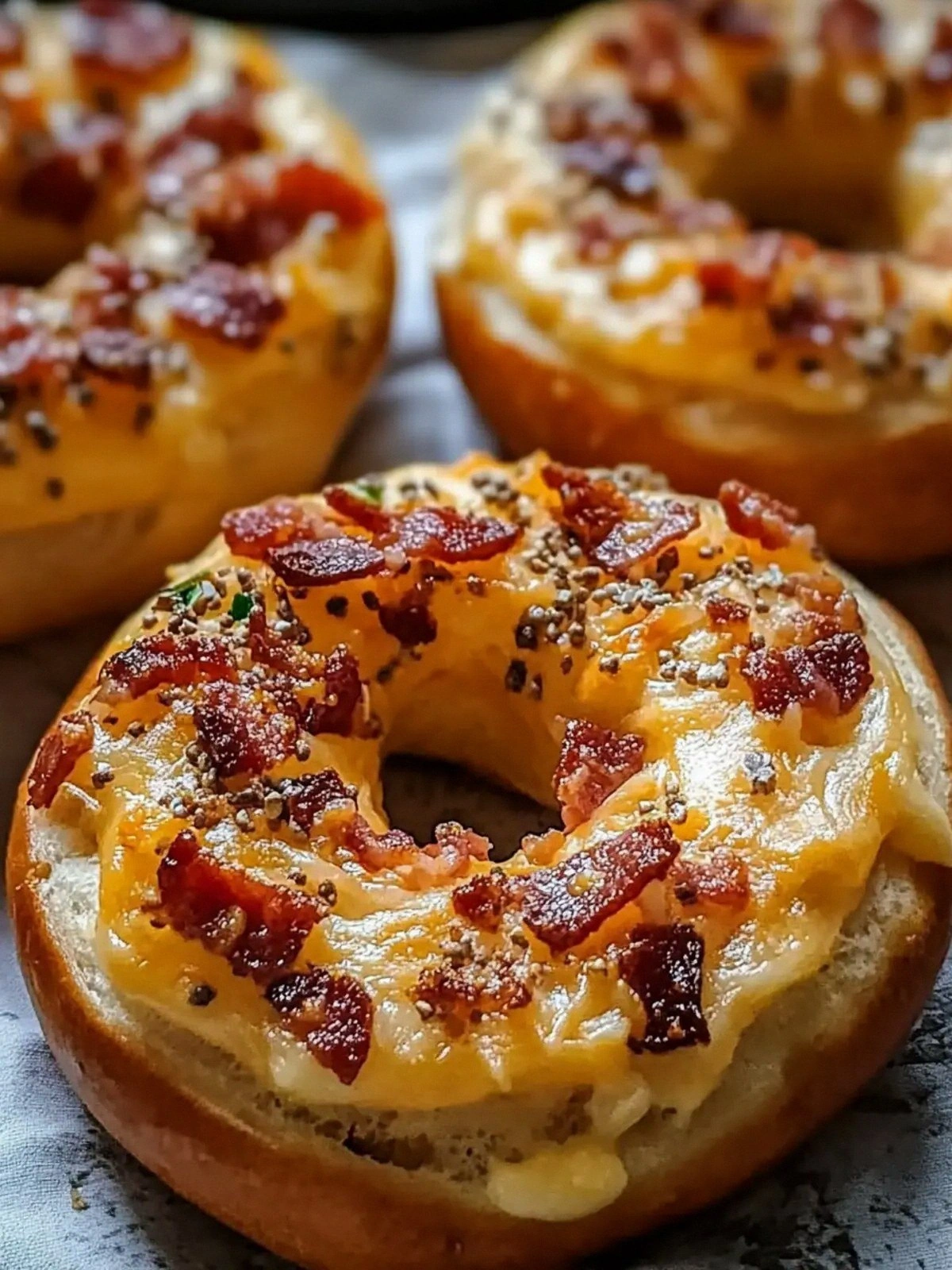
Picture the scene: a golden bagel, its crust crisp and crackling like a freshly laid sheet of parchment, the savory scent of bacon mingling with sharp cheddar, the steam rising like a cloud of buttery promise. The first bite is a symphony—cheese melting into the dough, bacon crisping to a satisfying snap, the dough’s chewy center offering a counterpoint to the crunch. The texture is a dance between the soft, pillowy interior and the crunchy exterior, while the flavors mingle in a way that feels like a warm hug wrapped in savory goodness. It’s a sensory experience that makes you feel like a kid again, yet sophisticated enough to impress a gourmet crowd.
What makes this version of bacon cheddar bagels a standout is not just the bold combination of bacon and cheddar, but the meticulous attention to detail that turns a standard recipe into a culinary revelation. I dared to add a touch of olive oil for a subtle sheen, used instant yeast for a quick rise, and folded the cheese and bacon into the dough at the perfect time to lock in moisture. The result? Bagels that are fluffy inside, with a buttery crust that shatters like thin ice under your teeth, and a cheesy, meaty flavor that lingers long after the last bite. This is hands down the best version you'll ever make at home, and I’m not exaggerating—if you’ve ever struggled to get a bagel that tastes like it’s been pulled straight from a bakery, you’re not alone, and I’ve got the fix.
I’ll be honest—after I pulled the first batch out of the oven, I ate half the bagels before anyone else even got a chance to try them. The moment I tasted that first bite, the kitchen filled with a buttery, cheesy aroma that made my mouth water. Picture yourself pulling this out of the oven, the whole kitchen smelling incredible, the bagels still warm and golden, the bacon still crisp, and the cheese still bubbling at the edges. That’s the moment I want to share with you, step by step, so you can replicate the same magic in your own kitchen.
What Makes This Version Stand Out
- Flavor Fusion: The combination of smoky bacon and sharp cheddar creates a flavor profile that’s richer than any standard bagel. The bacon’s saltiness cuts through the dough’s sweetness, while the cheddar adds a creamy, tangy depth that keeps the taste exciting from the first bite to the last.
- Texture Balance: The dough’s elasticity, achieved by kneading just enough to develop gluten, gives a chewy interior. The olive oil adds a silky mouthfeel, and the cheese and bacon create pockets of melt that add contrast.
- Simple Ingredients: All you need is flour, sugar, salt, yeast, warm water, bacon, cheddar, egg, and a splash of olive oil. No fancy additives or exotic spices—just quality basics that deliver maximum flavor.
- Make‑Ahead Friendly: After the first rise, the dough can be divided, shaped, and refrigerated for up to 24 hours. When you’re ready, just let it rise again, bake, and enjoy—a perfect solution for busy mornings.
- Crowd‑Pleaser: Whether you’re hosting a brunch or feeding a family, these bagels are guaranteed to be a hit. The bacon and cheddar combination is universally loved, and the soft, warm dough makes them irresistible.
- Ingredient Quality: Using a sharp cheddar with a higher fat content ensures a richer melt, while bacon that’s cooked to a crisp finish adds a satisfying crunch. The instant yeast allows for a quick rise without sacrificing flavor.
Alright, let's break down exactly what goes into this masterpiece...
Inside the Ingredient List
The Flavor Base
At the heart of these bagels is the dough itself—four cups of all‑purpose flour that provides the structure, two tablespoons of granulated sugar that gives a subtle sweetness, and two teaspoons of salt that balances the flavors. The sugar also helps activate the yeast, giving the dough a gentle lift. If you skip the sugar, the dough will rise more slowly and the flavor will be a bit flat. For a slightly healthier version, you could use a mix of whole wheat and all‑purpose flour, but be prepared for a denser crumb.
The Texture Crew
Instant yeast is the secret to a quick rise, allowing you to bake these bagels in under an hour. The 1.5 cups of warm water (about 110°F) hydrates the flour and activates the yeast. Adding one tablespoon of olive oil at the beginning of the dough gives the bagels a tender crumb and a subtle sheen. If you’re watching your calorie intake, you can replace the olive oil with a neutral oil like canola or even skip it entirely, but the texture will be slightly less moist.
The Unexpected Star
Six slices of cooked bacon are the star of this dish. The bacon should be crisp, not chewy, because the crunch adds a delightful contrast to the soft dough. If you’re looking for a smoky twist, use a smoked bacon variety. For a vegetarian version, substitute with tempeh bacon or a plant‑based bacon alternative, though the flavor profile will shift. The bacon’s fat renders into the dough, keeping the bagels moist and adding a savory depth that is hard to replicate.
The Final Flourish
One cup of shredded sharp cheddar cheese melts into the dough, creating pockets of gooey, cheesy goodness. The cheese’s high fat content ensures a buttery melt that coats the dough like velvet. One whole egg, beaten, is folded into the mixture at the end to add richness, structure, and a golden crust. A pinch of sesame or poppy seeds adds a subtle crunch and visual appeal, but you can skip them if you’re not a fan.
Everything's prepped? Good. Let's get into the real action...
The Method — Step by Step
- Begin by whisking together the flour, sugar, salt, and instant yeast in a large mixing bowl. The dry ingredients should be evenly distributed to avoid clumps. This step ensures that the yeast is evenly dispersed, giving the dough a consistent rise. I dare you to taste this and not go back for seconds—this is the foundation of everything that follows.
- Pour the warm water and olive oil into the dry mixture and stir with a wooden spoon until a shaggy dough forms. The dough should feel tacky but not overly sticky. If it’s too dry, add a tablespoon of water at a time. The olive oil will give the dough a silky mouthfeel, while the water activates the yeast.
- Transfer the dough to a floured surface and knead for about 8 minutes, until it becomes smooth and elastic. Kneading develops the gluten network, giving the bagels their chewy texture. If the dough is too sticky, dust it lightly with flour. At this point, you can fold in the shredded cheddar and cooked bacon, ensuring they’re evenly distributed.
- Place the dough in a lightly oiled bowl, cover with plastic wrap or a damp towel, and let it rise in a warm spot for 45 minutes, or until it has doubled in size. The dough should expand and feel airy. If you’re in a hurry, you can use a slow cooker set to low to speed up the rise.
- Punch down the dough gently to release excess air, then divide it into eight equal pieces. Shape each piece into a round ball, then press your thumb into the center to create the classic bagel hole. The hole should be about 2 inches in diameter.
- Bring a large pot of salted water to a gentle boil. Carefully drop the bagel rounds into the boiling water, a few at a time, and boil for 1 minute on each side. Boiling gives the bagels their chewy exterior and shiny crust. Watch out: if you boil them too long, they’ll become gummy.
- Remove the bagels with a slotted spoon and place them on a parchment‑lined baking sheet. Brush the tops with the beaten egg, then sprinkle sesame or poppy seeds if desired. The egg wash gives a golden finish, while the seeds add crunch.
- Bake in a preheated oven at 425°F (220°C) for 18-20 minutes, or until the bagels are a deep golden brown and sound hollow when tapped on the bottom. The aroma should fill the kitchen, and the bagels should feel firm to the touch.
- Let the bagels cool on a wire rack for at least 10 minutes before slicing. This resting period allows the steam to escape, preventing a soggy interior. The result? A bagel that’s crisp on the outside, chewy inside, with pockets of melted cheddar and bacon.
That's it — you did it. But hold on, I've got a few more tricks that'll take this to another level...
Insider Tricks for Flawless Results
The Temperature Rule Nobody Follows
The temperature of your water is critical. If it’s too hot, it kills the yeast; too cold, and the dough will never rise properly. Aim for 110°F (43°C) and use a kitchen thermometer for accuracy. A quick tip: let the water sit for a minute after heating to reach the perfect temperature, then stir in the yeast.
Why Your Nose Knows Best
During the first rise, pay attention to the aroma. A faint, yeasty scent indicates that the yeast is active. If the dough smells sour or off, it’s time to start over. I’ve learned to trust my nose more than the clock, and it’s saved me from a lot of dough disasters.
The 5-Minute Rest That Changes Everything
After boiling the bagels, let them sit for 5 minutes before baking. This short rest allows the bagel skins to set, preventing them from cracking during the bake. It also lets the steam inside the bagel redistribute, ensuring a uniform crumb.
Use a Baking Stone
If you have a baking stone, preheat it in the oven. Placing the bagels on the stone provides even heat distribution, leading to a crispier crust. The stone also absorbs moisture, preventing soggy bottoms.
Keep the Egg Wash Fresh
If you’re making multiple batches, keep the beaten egg in a sealed container in the fridge. Fresh egg wash ensures a bright, golden finish. If you forget, a quick splash of milk can substitute, though the finish will be slightly lighter.
Creative Twists and Variations
This recipe is a playground. Here are some of my favorite ways to switch things up:
Blue Cheese & Bacon Bagels
Swap the sharp cheddar for crumbled blue cheese. The tangy sharpness pairs beautifully with the smoky bacon, creating a sophisticated flavor that’s perfect for a brunch with friends.
Caramelized Onion & Cheddar Bagels
Add sautéed caramelized onions to the dough for a sweet, savory twist. The onions melt into the dough, adding depth and a subtle sweetness that balances the saltiness of the bacon.
Spinach & Feta Bagels
Incorporate chopped spinach and crumbled feta instead of bacon and cheddar. This version is lighter, yet still offers a burst of flavor with the feta’s briny tang and spinach’s earthy note.
Apple Cinnamon Bagels
For a breakfast treat, fold in diced apples and a pinch of cinnamon. The apples add juiciness, while the cinnamon provides warmth, making these bagels a delightful sweet‑savory combo.
Mediterranean Bagels
Replace bacon with sun‑dried tomatoes and olives, and use feta cheese. The Mediterranean herbs give a bright, aromatic flavor that transports you to the coast.
Vegan Bacon Bagels
Use plant‑based bacon and a vegan cheddar alternative. The texture remains chewy, and the flavor profile stays bold, making it a great option for those avoiding animal products.
Storing and Bringing It Back to Life
Fridge Storage
Store cooked bagels in an airtight container or zip‑top bag for up to 3 days. To keep them from drying out, place a paper towel over the bagels before sealing. When ready to eat, toast them lightly in a skillet or toaster.
Freezer Friendly
Wrap each bagel tightly in plastic wrap, then place them in a freezer bag. They stay fresh for up to 2 months. When you want one, thaw at room temperature for 30 minutes, then toast to restore crispness.
Best Reheating Method
For the best texture, reheat bagels in a preheated oven at 350°F (175°C) for 5-7 minutes. Add a splash of water to the bottom of the pan to create steam, which helps keep the bagel moist and chewy.