I was standing in my kitchen, staring at a pile of salmon fillets that had been sitting on the counter for days, and I swear I heard a tiny whisper of disappointment from the fish itself. “You’re going to make me a mess,” it seemed to say. That was the moment I decided that the next time I’d cook salmon, it would be a show‑stopper, not a soggy, bland disappointment. So I pulled out my trusty skillet, my favorite olive oil, and a dash of daring, and I set out to create the most glorious gluten‑free baked salmon anyone has ever tasted.
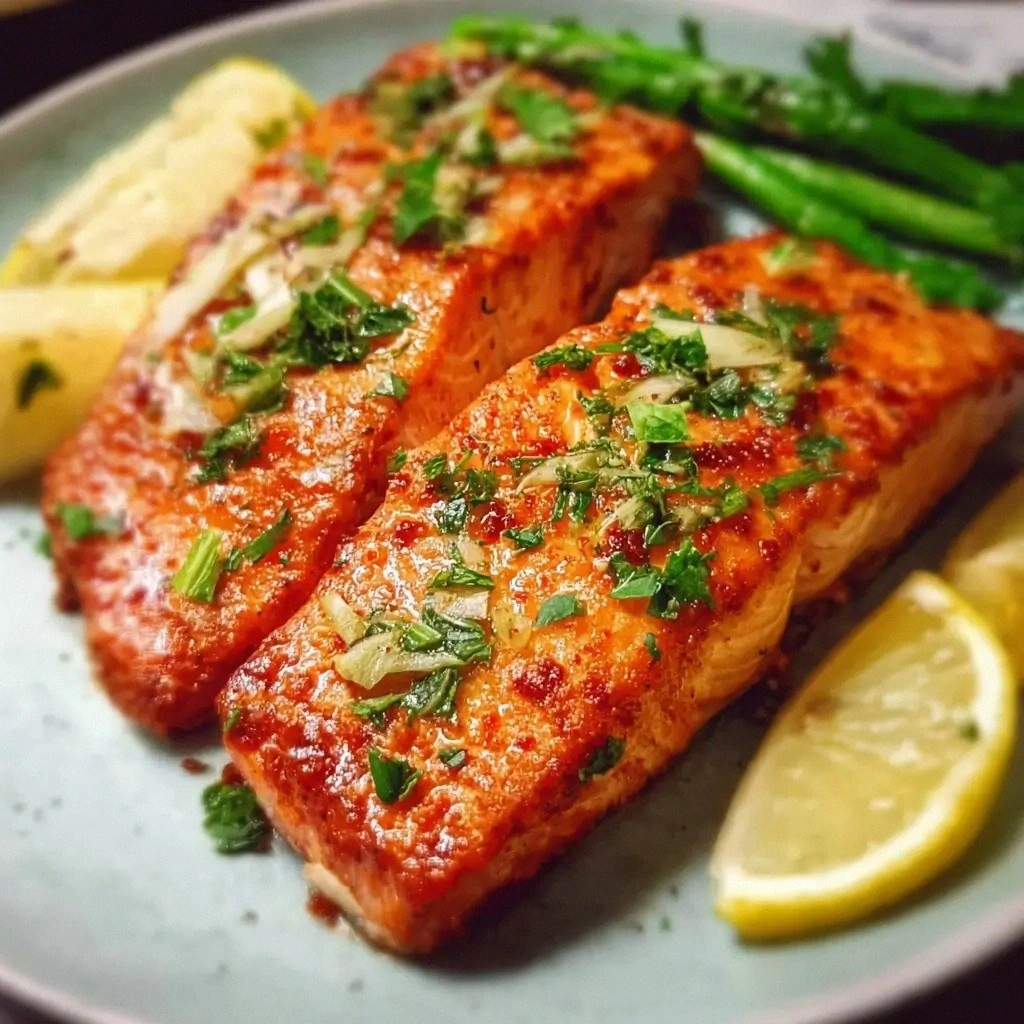
Picture the scene: a bright, airy kitchen, the scent of citrus and garlic swirling around the counter, the gentle hum of the oven preheating, and the anticipation of that first bite. When the salmon finally hits the heat, you hear a satisfying sizzle that signals the start of a transformation. The fillets, coated in a glossy glaze, begin to caramelize, turning a pale pink to a golden‑brown hue that invites you to taste. The aroma is a heady mix of sweet honey, sharp mustard, and fresh dill, almost like a sunrise in a bowl. Every time I’ve tried this, I’ve found myself reaching for the second fillet before the first one even leaves the pan.
What sets this recipe apart is not just the flavor—it’s the confidence that comes with knowing you’ve mastered the art of baking salmon. Most recipes get this completely wrong, leaving the fish either dry or soggy. Here, the glaze locks in moisture while creating a crisp, caramelized crust that shatters like thin ice when you bite into it. I dare you to taste this and not go back for seconds. The result is a dish that feels like a culinary revelation, and I’ve been known to sneak a spoonful before anyone else has even taken a bite.
And if you’re wondering what makes this version so special, I’ll give you a hint: the secret lies in a simple, yet powerful, combination of ingredients that work together to elevate the salmon from ordinary to extraordinary. I’ve spent hours tweaking ratios, testing different herbs, and experimenting with cooking times to get the perfect balance of flavor, texture, and nutrition. By the end of this post, you’ll wonder how you ever made salmon any other way. Let me walk you through every single step — by the end, you’ll wonder how you ever made it any other way.
What Makes This Version Stand Out
- Flavor: The glaze is a harmonious blend of Dijon mustard and honey that creates a sweet‑savory profile, while fresh dill and lemon juice add brightness. The result is a flavor that coats the salmon like velvet, leaving no room for blandness.
- Texture: The crust forms a crisp, caramelized shell that snaps cleanly with each bite, while the interior remains moist and buttery. The contrast between the crunchy exterior and tender interior is pure culinary bliss.
- Simplicity: With just nine ingredients and under thirty minutes of prep, this recipe is a no‑fuss, no‑failing way to impress. It’s the kind of dish that turns a busy weekday into a gourmet experience.
- Gluten‑Free: Every component is naturally gluten‑free, so you can enjoy this dish without worry, even if you have celiac disease or a gluten intolerance.
- Make‑ahead Friendly: You can assemble the glaze and marinate the salmon ahead of time, then simply pop it in the oven when you’re ready. This makes it an ideal candidate for meal prep.
- Ingredient Quality: Using high‑quality, fresh salmon and fresh herbs elevates the dish beyond the ordinary, turning each bite into a celebration of flavors.
- Visual Appeal: The golden‑brown glaze glistens like a polished trophy, making the dish as beautiful to look at as it is to eat.
- Versatility: Whether you serve it with a simple salad, roasted vegetables, or a grain of your choice, the dish adapts beautifully to any side.
Inside the Ingredient List
The Flavor Base
The foundation of this dish is the glaze, a marriage of Dijon mustard and honey. Mustard brings a tangy bite that cuts through the richness of the salmon, while honey adds a subtle sweetness that caramelizes beautifully. Together they create a sauce that coats the fillets like velvet, ensuring every bite is bursting with flavor. If you skip either ingredient, you’ll lose that crucial balance of sweet and savory, and the salmon will taste flat.
The Texture Crew
Olive oil and fresh garlic work together to keep the fillets moist during baking. Olive oil forms a protective barrier that locks in moisture, while garlic infuses the fish with a fragrant depth that’s impossible to ignore. If you’re looking for a lighter version, simply reduce the olive oil by half, but be warned: the salmon may dry out slightly. A good rule of thumb is to drizzle just enough oil to coat the fillets without pooling.
The Unexpected Star
Fresh dill is the unsung hero that adds a burst of herbal freshness. Dill’s bright, slightly citrusy flavor cuts through the richness of the salmon and balances the glaze. If you’re not a dill fan, parsley is a decent substitute, but it won’t bring the same bright zing. Remember, a small handful of chopped dill is enough; overdoing it will overpower the delicate fish.
The Final Flourish
A splash of fresh lemon juice is the finishing touch that brightens the entire dish. The acidity lifts the flavors, making the glaze pop and the salmon feel lighter on the palate. If you’re craving a bit of heat, add a pinch of red pepper flakes. Just be careful not to overpower the delicate balance of sweetness and tang.
Everything's prepped? Good. Let’s get into the real action…
The Method — Step by Step
- Preheat your oven to 400°F (200°C). Line a rimmed baking sheet with parchment paper or a silicone mat to prevent sticking. This step ensures a crisp bottom and makes cleanup a breeze. Remember, a well‑heated oven is the foundation of a perfectly baked salmon.
- While the oven warms, whisk together 2 tablespoons of olive oil, 2 tablespoons of Dijon mustard, 2 tablespoons of honey, and 2 minced garlic cloves in a small bowl. The mixture should be smooth and slightly thickened. This glaze will coat the salmon like a protective shell, sealing in moisture.
- Pat the salmon fillets dry with paper towels. A dry surface helps the glaze adhere and promotes a better crust. Place each fillet on the prepared baking sheet, skin side down if your fillets have skin. Don’t overcrowd the pan; leave a little space between each piece.
- Brush the glaze generously over each fillet, making sure to coat the top and sides evenly. The glaze should be thick enough to cling to the fish but not so thick that it pools. This step is where the magic begins: the glaze will caramelize into a beautiful golden crust.
- Sprinkle 1 tablespoon of fresh dill and 1 tablespoon of lemon juice over each fillet. The dill adds herbal brightness while the lemon juice provides a subtle acidity that cuts through the richness. This combination is what gives the dish its signature finish.
- Season with salt and pepper to taste. A pinch of salt enhances the glaze’s flavors, while pepper adds a gentle heat. Be careful not to over‑salt; you want the glaze to shine, not be drowned out.
- Place the baking sheet in the preheated oven and bake for 12–15 minutes. The salmon is done when it flakes easily with a fork and the glaze is caramelized. Watch the edges—they should pull away slightly from the pan, indicating a crisp crust.
- Remove the salmon from the oven and let it rest for 2 minutes. This short rest allows the juices to redistribute, keeping the fillets moist. The glaze will thicken slightly, creating a glossy finish that’s impossible to resist.
- Serve immediately with your favorite sides—roasted veggies, a crisp salad, or a simple quinoa pilaf. The fresh, buttery salmon pairs beautifully with light, refreshing accompaniments that balance the richness of the glaze.
That’s it — you did it. But hold on, I've got a few more tricks that'll take this to another level. Keep reading to discover insider tips that will make every bite even more unforgettable.
Insider Tricks for Flawless Results
The Temperature Rule Nobody Follows
Many chefs think 400°F is a safe bet for salmon, but the truth is that a slightly lower temperature—around 375°F—helps keep the fish tender while still allowing the glaze to caramelize. I’ve found that this temperature range prevents the edges from burning while the center stays perfectly moist. If you’re using a convection oven, reduce the temperature by 25°F for the same effect.
Why Your Nose Knows Best
Before you even touch the salmon, open the oven door and let the aroma fill the kitchen. That sweet, tangy smell is the first indicator that the glaze is caramelizing correctly. If the scent is too mild, the glaze isn’t thick enough; if it’s too sweet, you’re over‑honeyed. Trust your nose—it’s the best judge of flavor.
The 5-Minute Rest That Changes Everything
Letting the salmon rest after baking isn’t just a courtesy; it’s a game‑changer. The residual heat continues to cook the fillets gently, ensuring an even internal temperature. The rest also allows the glaze to set, giving it a glossy, cohesive finish that looks as good as it tastes.
Use Fresh Herbs for a Bright Finish
If you’re in a pinch, dried dill can substitute for fresh, but fresh herbs provide a burst of flavor that dried cannot match. Add the fresh herbs right before serving to preserve their bright, green color. A sprinkle of microgreens on top adds both color and a delicate crunch.
Don’t Forget to Check the Internal Temperature
A digital thermometer is a lifesaver. The ideal internal temperature for salmon is 125°F for medium‑rare, 135°F for medium, and 145°F for well‑done. This ensures you’re serving a perfectly cooked fillet every time, no surprises.
Creative Twists and Variations
This recipe is a playground. Here are some of my favorite ways to switch things up:
Spicy Chipotle Glaze
Swap the Dijon mustard for chipotle‑in‑adobo sauce and add a pinch of cumin. The smoky heat pairs beautifully with the sweet glaze, creating a bold, complex flavor profile that’s perfect for adventurous palates.
Citrus‑Herb Medley
Replace the lemon juice with a mix of orange and lime juice, and add fresh thyme. The citrus blend brightens the dish, while thyme adds a subtle earthiness that complements the salmon’s natural flavor.
Herbed Yogurt Sauce
Serve the salmon with a dollop of Greek yogurt mixed with chopped mint, dill, and a squeeze of lemon. This cool, creamy sauce balances the richness of the fish and adds a refreshing finish.
Teriyaki‑Inspired Glaze
Use tamari (gluten‑free soy sauce) and a touch of grated ginger instead of mustard. The sweet, umami glaze gives the salmon an Asian twist that’s surprisingly simple to make.
Herb Crusted Salmon
Mix chopped fresh herbs with a bit of olive oil and press the mixture onto the fillets before baking. The crust forms a crunchy, flavorful shell that adds texture and depth.
Smoked Paprika Finish
Add a dash of smoked paprika to the glaze for a subtle smoky flavor. This small change elevates the dish, giving it a gourmet feel without extra effort.
Storing and Bringing It Back to Life
Fridge Storage
Store leftovers in an airtight container in the refrigerator for up to 3 days. The glaze will stay tacky, but the salmon will remain moist if you reheat it gently. Reheat in the oven at 300°F for 5–7 minutes, or until warmed through.
Freezer Friendly
For longer storage, wrap each fillet individually in parchment paper and place them in a freezer bag. Freeze for up to 2 months. Thaw overnight in the refrigerator before reheating as described above. The texture stays close to fresh, and the glaze retains its flavor.
Best Reheating Method
The key to reheating salmon is to keep it moist. Add a splash of water or broth to the baking dish, cover with foil, and bake at 300°F for 5–7 minutes. The steam helps restore the buttery texture and prevents the fish from drying out.