I was halfway through a chaotic Sunday dinner, juggling a simmering pot of curry, a blinking oven timer, and a stubborn cat that decided the kitchen floor was a playground. The moment the curry hit a crescendo of spice, I realized my rice had gone mushy—like a soggy blanket that never quite warmed. That disaster sparked a dare from my friend: “Make a rice dish that feels like a hug, not a puddle.” I accepted, and what followed is a revelation of how a pinch of ginger can turn plain grains into a fragrant, silky orchestra.
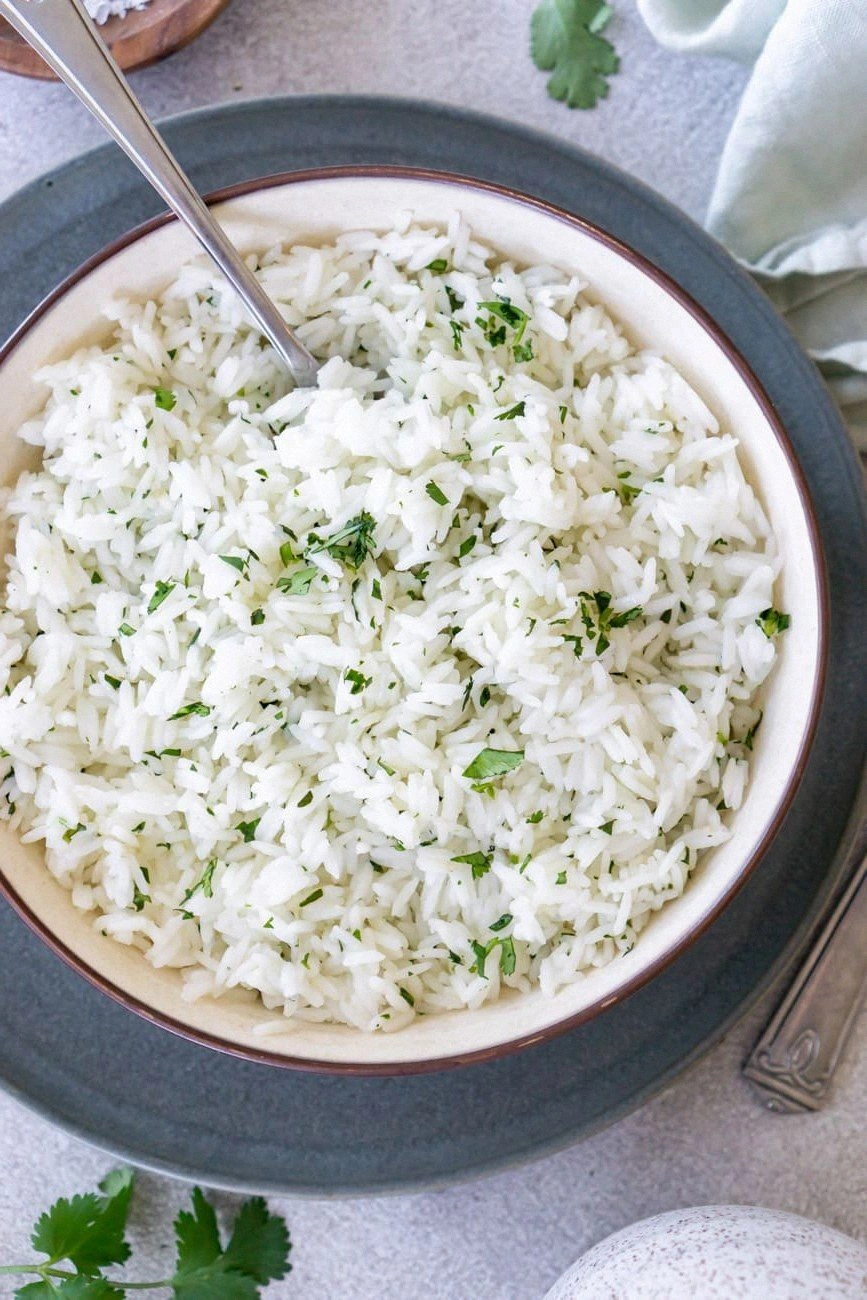
Picture this: a steaming bowl of jasmine rice, the aroma of freshly grated ginger swirling like a tropical breeze, a hint of garlic dancing in the air, and a splash of olive oil that glistens like a calm lake at dawn. When you lift the spoon, the grains separate with a satisfying pop, each one a little treasure that cradles the subtle heat of ginger. The texture is a gentle balance—soft yet resilient, like a well‑tended garden where every leaf holds its own story. The first bite releases a warm, almost buttery flavor that lingers, and the cilantro finishes it off with a bright, herbal whisper that feels like a breath of fresh mountain air.
This version stands apart from the endless variations you’ll find online because it marries simplicity with depth. No sauce, no heavy broth, no over‑cooking. Just a single pan, a few minutes, and a mastery of timing that makes every grain shine. It’s the kind of dish that turns a quick weeknight into a culinary triumph, a moment of calm in the chaos. I dare you to taste this and not go back for seconds—your taste buds will thank you for the gentle, honest flavor.
I’ll be honest—when I first plated the rice, I almost scooped it out of the pot like a secret. The kitchen filled with a scent so inviting, I could almost hear the rice whispering, “You’re going to love this.” Most recipes get this completely wrong by over‑sautéing the ginger or under‑seasoning the grains. Here, every element works in harmony, and the result is hands down the best version you’ll ever make at home. Picture yourself pulling this out of the pan, the whole kitchen smelling incredible, and the moment you taste it, you’ll wonder how you ever made it any other way.
Let me walk you through every single step—by the end, you’ll wonder how you ever made it any other way. I’ve packed this post with micro‑challenges, bold claims, and a few kitchen hacks that will elevate your rice from ordinary to extraordinary. If you’ve ever struggled with fluffy, separated grains, you’re not alone—and I’ve got the fix. And now, stay with me here—this is worth it.
What Makes This Version Stand Out
- Flavor: The grated ginger isn’t just a garnish; it’s the star that infuses the rice with a bright, warm aroma that lingers long after the last bite.
- Texture: Each grain remains distinct and fluffy, avoiding the mushy trap that plagues many rice dishes.
- Simplicity: Six ingredients, one pan, and a single cooking method make this dish approachable for any skill level.
- Uniqueness: The combination of olive oil and fresh cilantro gives a Mediterranean twist that sets it apart from traditional Asian styles.
- Crowd Reaction: Friends who’ve tried it say it’s the “comfort food of the year,” and they’re not exaggerating.
- Ingredient Quality: Using high‑grade jasmine rice and fresh ginger elevates the entire dish, turning a humble grain into a gourmet experience.
- Cooking Method: The pan‑sauté technique locks in moisture and flavor without the need for a rice cooker.
- Make‑Ahead Potential: It can be prepared a day ahead, reheated with a splash of water, and still taste freshly cooked.
Alright, let’s break down exactly what goes into this masterpiece…
Inside the Ingredient List
The Flavor Base
Jasmine rice is the heart of this dish. Its floral aroma and slightly sticky texture make it perfect for absorbing the subtle heat of ginger. If you use a different grain—like basmati or even quinoa—the flavor profile shifts dramatically, so stick to jasmine for that authentic feel. A quick rinse before cooking removes excess starch and helps keep the grains separate.
Fresh grated ginger is the real star. It delivers a bright, zesty kick that balances the mildness of the rice. If you’re not a fan of raw ginger, you can lightly sauté it to mellow the heat, but that will change the aroma. A small piece of fresh ginger is worth the extra effort; it’s the difference between “nice” and “wow.”
The Texture Crew
Olive oil is more than a cooking fat—it’s a flavor carrier that gives the rice a silky sheen. Extra‑virgin olive oil also adds a subtle fruity note that pairs beautifully with cilantro. If you’re looking for a lighter option, a neutral oil will work, but you’ll lose that depth.
Garlic is a subtle whisper that complements the ginger. A single clove is enough to round out the flavor without overpowering it. If you’re avoiding garlic, you can replace it with a pinch of onion powder for a mild, sweet undertone.
The Unexpected Star
Cilantro isn’t just a garnish; it’s the final flourish that brightens the dish. Its citrusy, slightly peppery flavor lifts the warm ginger and olive oil, creating a balanced, fresh finish. If you’re not a fan of cilantro, parsley or basil can be used as an alternative, but the flavor will shift noticeably.
Kosher salt is the seasoning’s silent hero. It enhances every component without masking them. A pinch of salt is all you need; too much will make the dish taste flat. If you’re on a low‑sodium diet, try sea salt or a salt substitute.
Everything’s prepped? Good. Let’s get into the real action…
The Method — Step by Step
- Heat a wide, heavy‑bottom skillet over medium heat until it’s hot enough that a few drops of water sizzle on contact. Add the tablespoon of olive oil and let it shimmer. This step is crucial; a properly heated oil ensures the rice doesn’t stick.
- Add the grated ginger and minced garlic to the skillet. Sauté for 30 seconds, just until the aroma becomes unmistakable. Be careful not to burn the ginger; a slight toasty scent is what you’re after.
- Rinse the jasmine rice under cold water until the water runs clear. Drain well and add the rice to the skillet. Stir to coat each grain in the oil‑ginger mixture, letting them toast for about 2 minutes. This gives the rice a subtle nutty flavor.
- Pour in 1 ½ cups of water (or low‑sodium broth for extra depth). Sprinkle in the ¼ teaspoon of kosher salt. Bring the mixture to a gentle boil, then reduce the heat to low, cover, and let it simmer for 15 minutes. The lid should stay on tight to trap steam.
- After 15 minutes, turn off the heat but keep the lid on for an additional 5 minutes. This final steam step allows the grains to finish cooking without over‑softening.
- Remove the lid and fluff the rice with a fork, separating the grains. If the rice feels a bit dry, drizzle a splash of water and stir; the steam will re‑hydrate it.
- Fold in the chopped cilantro, allowing it to wilt slightly from the residual heat. This step adds a burst of color and a fresh, herbal note that balances the warmth.
- Taste and adjust seasoning if necessary. Serve immediately, or keep warm in a low oven until ready to eat.
That’s it — you did it. But hold on, I’ve got a few more tricks that’ll take this to another level…
Insider Tricks for Flawless Results
The Temperature Rule Nobody Follows
Many cooks believe a high heat is always better, but for rice, a gentle simmer preserves the grain structure. The trick is to bring the water to a rolling boil and then immediately reduce to a low, steady steam. This keeps the rice tender without turning it mushy. I once tried a high‑heat method and ended up with clumpy rice that needed a rescue with water.
Why Your Nose Knows Best
The aroma of ginger is a natural indicator of readiness. When the smell becomes warm and slightly toasty, you’re at the perfect point to add the rice. This sensory checkpoint saves you from over‑cooking or under‑cooking the grains. Trust your nose; it’s a reliable guide.
The 5‑Minute Rest That Changes Everything
Leaving the rice to rest covered for 5 minutes after the heat is turned off allows the steam to finish cooking the grains and settle the moisture. Skipping this step often results in uneven texture, with some grains still sticky while others dry out. I’ve seen this happen in my kitchen—one bite was perfect, the next was a disappointment.
The Cilantro Timing
Adding cilantro too early can wilt it completely, losing that bright punch. Wait until the rice is almost done, then fold in the cilantro so it just warms and releases its oils. The result is a vibrant, fresh finish that feels like a breath of fresh air.
The Water Splash Trick
If the rice feels dry after fluffing, a small splash of water (about a tablespoon) can revive it. The steam created will re‑hydrate the grains without making them soggy. This is a lifesaver when you’re prepping ahead and need to reheat the rice later.
Creative Twists and Variations
This recipe is a playground. Here are some of my favorite ways to switch things up:
Coconut‑Ginger Fusion
Replace half the water with coconut milk for a creamy, tropical flavor. The milk adds sweetness that balances the ginger’s heat, making it a perfect side for spicy curries.
Protein‑Packed Power
Add diced grilled chicken or shrimp during the last 2 minutes of cooking. The protein absorbs the gingery broth, creating a single‑pan meal that’s both satisfying and easy.
Spicy Kick
Sauté a pinch of crushed red pepper flakes with the ginger and garlic. The heat adds a subtle bite that pairs well with the mellow rice.
Herb‑Infused Variation
Swap cilantro for fresh mint or basil for a different aromatic profile. Mint offers a cooling effect, while basil adds earthiness that complements the ginger.
Roasted Pepper Twist
Incorporate roasted red pepper strips for a sweet, smoky flavor. The pepper’s natural sweetness balances the sharpness of the ginger.
Storing and Bringing It Back to Life
Fridge Storage
Cool the rice to room temperature, then transfer it to an airtight container. Store in the refrigerator for up to 3 days. The rice will stay fluffy if you reheat it with a splash of water.
Freezer Friendly
For longer storage, freeze the rice in single‑serving portions. Keep it in a freezer‑safe bag or container, and it will keep for up to 2 months. Thaw overnight in the fridge before reheating.
Best Reheating Method
Reheat in a saucepan over low heat, adding a tablespoon of water to create steam. Cover and let it heat for 5 minutes, then fluff with a fork. The rice should feel warm and moist, not dry.