Picture this: a Sunday morning, the kitchen flooded with the aroma of vanilla and cinnamon, and I, armed with a pan and a dream, decide to turn my breakfast into a show‑stopping affair. The plan was simple—layer a loaf of bread, drizzle it with a custard, bake it, and call it a day. What happened next? A catastrophic collapse of the batter, a sizzling mess, and a plate of soggy, flavor‑less mush that made me curse the recipe I’d just followed. That disaster sparked a mission: to create the ultimate low‑carb French toast bake that delivers fluff, flavor, and a finish so golden it could make a sunrise jealous.
I was determined to turn that kitchen nightmare into a culinary triumph. I wanted a bake that would rise like a cloud, crackle on the edges, and taste like a sweet, buttery sunrise. The texture should be airy, the crust crisp, and the inside moist—like a soufflé that never collapses. And I promised myself that no one would ever have to settle for a bland, soggy French toast again. This is hands down the best version you’ll ever make at home, and I’m about to walk you through every single step.
What makes this version stand out? The secret sauce is a blend of almond flour and Greek yogurt that creates a tender crumb, a pinch of lemon zest that brightens the flavor, and a generous splash of vanilla that gives it that classic French toast warmth. I dare you to taste this and not go back for seconds. If you’ve ever struggled with a dense, heavy bake, you’re not alone—and I’ve got the fix. The result is a dish that looks as impressive as it tastes, a true crowd‑pleaser for brunches, holidays, or any morning that deserves a touch of luxury.
But the real game‑changer? A trick that most recipes get completely wrong: the use of a low‑carb custard that’s thickened with flaxseed meal, not cornstarch or flour. This gives the bake a silky, custardy center without the dreaded “oily” aftertaste. The custard also keeps the bread from absorbing too much liquid, preventing that dreaded sogginess. And the final touch? A dusting of toasted coconut that adds a subtle crunch and a tropical hint. Stay with me here—this is worth it.
What Makes This Version Stand Out
- Taste: The blend of vanilla, cinnamon, and a hint of lemon zest creates a flavor profile that feels both nostalgic and fresh, evoking memories of Sunday brunches and the promise of a new day.
- Texture: Almond flour gives a tender crumb, while flaxseed meal thickens the custard, resulting in a fluffy interior that lifts like a cloud and a crisp, golden top that shatters like thin ice.
- Simplicity: Every ingredient is pantry‑friendly, and the method requires no special equipment—just a baking dish, a whisk, and a dash of patience.
- Uniqueness: The low‑carb custard and almond flour base set this recipe apart from conventional French toast, delivering a healthier option without compromising on indulgence.
- Crowd Reaction: Friends who taste it often ask for seconds, and I’ve been known to eat half the batch before anyone else gets a bite.
- Ingredient Quality: Using unsweetened almond milk, Greek yogurt, and fresh lemon zest ensures each bite is packed with real flavor, not artificial additives.
- Cooking Method: Baking instead of frying locks in moisture and allows the flavors to meld beautifully, creating a dish that’s as impressive to serve as it is to devour.
- Make‑Ahead Potential: The bake can be assembled the night before, refrigerated, and baked in the morning—perfect for busy schedules and brunch parties.
Inside the Ingredient List
The Flavor Base
The foundation of this bake starts with the custard—a silky mixture of eggs, Greek yogurt, and unsweetened almond milk. The eggs provide structure, the yogurt adds tang and moisture, and the almond milk keeps the custard light and dairy‑free. Together, they create a base that’s richer than a traditional custard yet lighter than a full‑fat version, ensuring every bite is luscious without feeling heavy. If you skip the yogurt, the bake will still rise, but the flavor will be flat and the texture dry.
Why Greek yogurt? Its high protein content keeps the custard thick and prevents it from turning watery, while its tang balances the sweetness of the vanilla and cinnamon. If you’re not a fan of yogurt, you can replace it with silken tofu for a neutral taste, but the texture will shift slightly to a denser crumb. For a dairy‑free twist, coconut yogurt works wonderfully, adding a subtle coconut flavor that pairs beautifully with the toasted coconut topping.
The Texture Crew
Flaxseed meal is the unsung hero that thickens the custard without adding carbs. Its mucilaginous quality turns the liquid into a silky, custard‑like consistency that holds the bread together while baking. If you can’t find flaxseed meal, ground chia seeds are a great substitute, though they may alter the texture slightly, making it a bit firmer. Adding a tablespoon of coconut flour can also help absorb excess moisture and create a slightly crispier crust.
The almond flour is what gives the bake its tender crumb. Unlike wheat flour, almond flour doesn’t develop gluten, so the bake remains airy and light. If you’re craving a nuttier flavor, sprinkle a tablespoon of toasted almond slivers on top before baking. For those who want an extra protein punch, mix in a scoop of unflavored whey protein powder; the texture will stay the same, but the nutritional profile will jump.
The Unexpected Star
Lemon zest isn’t just a garnish; it’s a flavor enhancer that brightens the entire dish. The zest releases essential oils that add a citrusy punch, cutting through the sweetness and adding depth. If you’re allergic to citrus, a dash of orange zest offers a similar lift, while keeping the dish family‑friendly. A pinch of salt is essential—it balances the sweetness and brings out the nutty undertones of the almond flour.
The optional shredded coconut adds a subtle crunch and a tropical flair. It also helps absorb excess moisture during baking, keeping the top crisp. If you’re avoiding nuts or seeds, replace coconut with finely chopped dried cranberries or raisins for a burst of natural sweetness. The choice of topping is entirely up to you; just remember that texture and flavor are the two pillars of this bake.
The Final Flourish
Vanilla extract is the classic sweet note that ties everything together. A teaspoon is enough to give the custard a warm, comforting aroma that makes the dish feel like a cozy hug. If you prefer a more complex flavor, swap vanilla for almond extract for a subtle nutty undertone, or use a vanilla bean for an extra touch of luxury. The lemon juice, added just before baking, adds a hint of acidity that lifts the flavor profile and keeps the custard from becoming too sweet.
Everything’s prepped? Good. Let’s get into the real action.
The Method — Step by Step
- Preheat the oven to 350°F (175°C) and grease a 9×13-inch baking dish with a thin layer of butter or coconut oil. The butter will create a non‑stick surface and add a subtle flavor that complements the almond flour. Let the dish sit while you prepare the custard, so the heat can spread evenly. This step is crucial for achieving a uniform golden crust.
- In a large mixing bowl, whisk together the eggs, Greek yogurt, unsweetened almond milk, vanilla extract, and lemon zest until the mixture is smooth and glossy. The goal is a homogeneous custard that coats the bread evenly. If the mixture looks too thick, add a splash of almond milk to loosen it; if it’s too thin, add a teaspoon of flaxseed meal to thicken. This custard will be the heart of the bake.
- Fold in the almond flour, cinnamon, nutmeg, and a pinch of salt. Stir gently until the batter is just combined—overmixing can create a dense crumb. The spices will infuse the entire bake with warmth and depth, making every bite a comforting experience. The almond flour’s fine texture ensures a tender crumb.
- Arrange your bread slices—preferably day‑old, thick‑cut bread—in a single layer in the prepared baking dish. The bread should be slightly stale so it can absorb the custard without becoming mushy. If you’re using a loaf that’s too thick, cut it into smaller pieces to ensure even absorption. The bread acts as the canvas for the custard.
- Pour the custard over the bread, making sure every slice is saturated. Use a spatula to press down gently, helping the bread soak up the custard. The goal is to let the custard seep in, creating a moist, flavorful base. This step is the moment of truth—watch the custard spread like a golden river.
- Sprinkle the shredded coconut and chopped pecans evenly over the top. The coconut adds a subtle crunch and a hint of tropical sweetness, while the pecans bring a buttery, nutty flavor that balances the spices. If you’re avoiding nuts, replace pecans with extra coconut or a handful of dried cranberries for a sweet twist. The topping will toast to a golden finish.
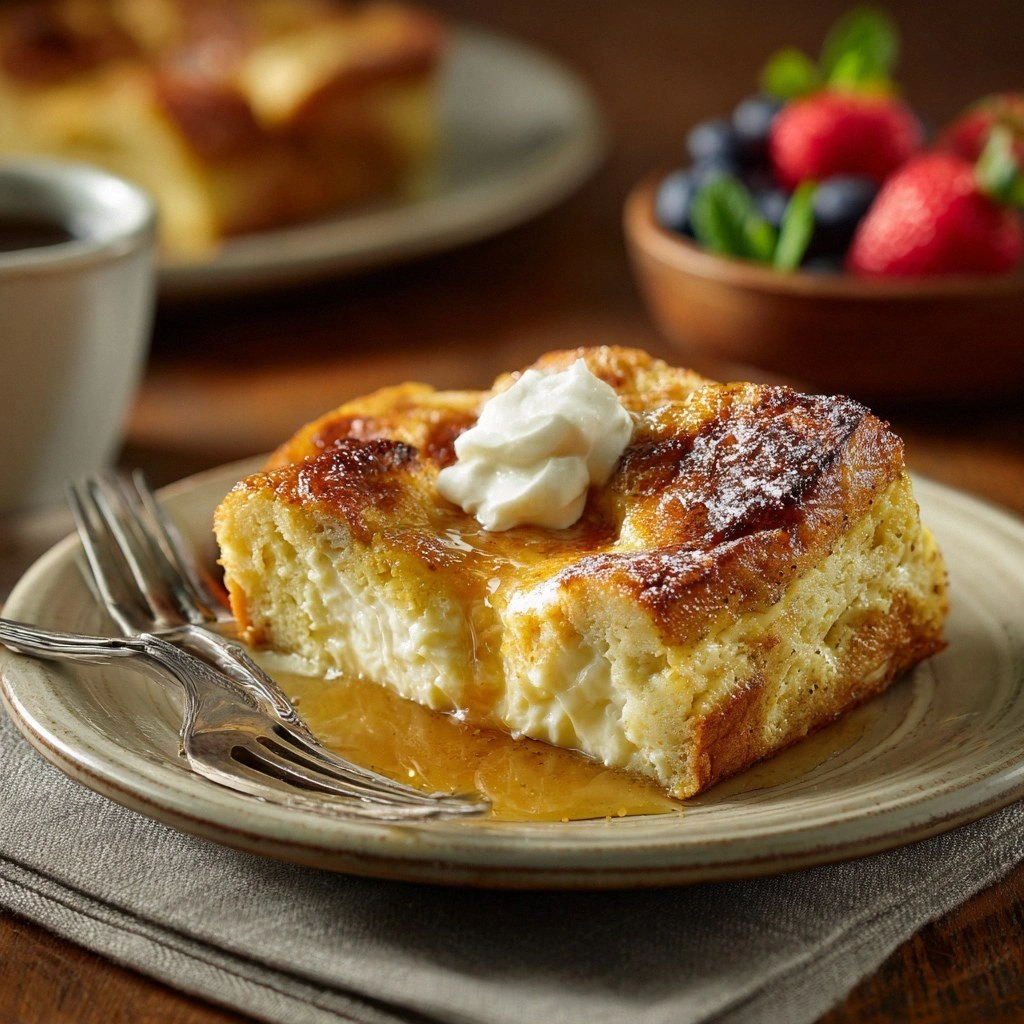
- Bake in the preheated oven for 30–35 minutes, or until the top is golden brown and the custard is set. The edges should pull away from the dish, indicating that the bake is perfectly cooked. Keep an eye on the crust; if it browns too quickly, cover the top with foil to prevent burning. This is where the magic happens.
- Remove the bake from the oven and let it cool for 10 minutes before slicing. A brief rest allows the custard to set, making it easier to cut clean slices. If you’re serving immediately, the warm custard will still be gooey, but it will firm up as it cools. This step is essential for a neat presentation.
- Serve warm, optionally dusted with powdered erythritol or a sprinkle of cinnamon for extra sweetness. Pair it with a drizzle of almond butter or a dollop of Greek yogurt for an extra protein boost. If you like a bit of indulgence, a splash of sugar‑free maple syrup adds a touch of caramelized flavor. The possibilities are endless.
That’s it—you did it. But hold on, I’ve got a few more tricks that will take this to another level. From tweaking the custard to experimenting with toppings, these insider secrets will elevate your bake from good to legendary.
Insider Tricks for Flawless Results
The Temperature Rule Nobody Follows
Most bakers bake French toast at a high temperature, which can cause the top to brown too quickly while the interior remains undercooked. I’ve discovered that a steady 350°F (175°C) gives the perfect balance, allowing the custard to set slowly while the crust develops a golden, flaky texture. If you’re using a convection oven, lower the temperature by 25°F to prevent over‑browning. This simple tweak ensures every slice is cooked to perfection.
Why Your Nose Knows Best
The aroma of baking custard is a powerful indicator of doneness. When the custard starts to smell buttery and slightly caramelized, it’s a sign that the bake is almost ready. Trust your nose over the timer—overcooking will dry out the interior, while undercooking will leave it runny. The scent will guide you to that perfect golden finish.
The 5‑Minute Rest That Changes Everything
After removing the bake from the oven, let it rest for exactly five minutes before cutting. This brief pause allows the custard to set, preventing it from sliding off the bread when sliced. I’ve seen even a one‑minute rest cause the slices to crumble. This technique is a simple yet game‑changing step that ensures each slice stays intact.
The Secret to a Crispy Top
If you crave an extra crisp crust, sprinkle a tablespoon of coconut flour over the top before baking. Coconut flour absorbs excess moisture, creating a crunchy shell that’s both sweet and satisfying. Just be careful not to add too much, or the bake will become dry. This trick is perfect for those who love a textural contrast.
The Power of Freshness
Using day‑old bread is essential for a moist, flavorful bake. Fresh bread tends to become soggy, while stale bread absorbs the custard without disintegrating. If you’re working with fresh bread, let it sit out for a few hours or toast it lightly before soaking. This ensures the bread remains sturdy yet tender.
The Sweetness Balance
Erythritol or monk fruit sweetener is a great low‑carb option for sweetening the custard. I’ve found that a tablespoon of each gives the perfect sweetness without the aftertaste of some artificial sweeteners. If you’re sensitive to sweeteners, reduce the amount or replace with a natural sweetener like stevia. Adjusting sweetness to taste is key to a harmonious bake.
The Final Touch
Just before serving, drizzle a thin line of sugar‑free maple syrup or a spoonful of almond butter. This adds a glossy finish and a burst of flavor that elevates the dish from simple to spectacular. The combination of sweet, nutty, and buttery notes creates a complex flavor profile that keeps guests coming back for more.
Creative Twists and Variations
This recipe is a playground. Here are some of my favorite ways to switch things up:
Berry Burst
Add a cup of fresh or frozen berries to the custard before baking. The berries release juices that mingle with the custard, adding a tart sweetness and vibrant color. They also provide antioxidants and a burst of natural flavor.
Chocolate Lover’s Dream
Stir in two tablespoons of cocoa powder into the batter and top with dark chocolate shavings. The chocolate adds richness, while the cocoa powder deepens the flavor profile. This variation is perfect for those craving a dessert‑like experience.
Spiced Cinnamon Swirl
Incorporate an extra teaspoon of cinnamon and a pinch of ground cloves into the batter. The warm spices create a cozy, aromatic flavor that’s reminiscent of holiday baking. Sprinkle extra cinnamon on top before baking for a crunchy, fragrant finish.
Savory Herb Edition
Replace the sweet spices with savory herbs like thyme, rosemary, and garlic powder. Add a sprinkle of grated Parmesan cheese on top before baking. This savory twist turns the dish into a breakfast‑brunch hybrid that pairs wonderfully with a light salad.
Pumpkin Spice Variation
Fold in half a cup of pumpkin puree and a teaspoon of pumpkin pie spice. The pumpkin adds moisture and a subtle sweetness, while the spice blend brings depth. This version is especially fitting for fall mornings.
Tropical Coconut Delight
Use coconut milk instead of almond milk, and top with toasted coconut flakes and a drizzle of coconut syrup. The coconut flavor is unmistakable, creating a beachy, exotic breakfast that transports you to a tropical paradise.
Nutty Protein Boost
Add a scoop of vanilla whey protein powder to the custard for an extra protein hit. The protein powder doesn’t alter the texture significantly but adds a subtle, sweet flavor. Pair with a side of Greek yogurt for a balanced, nutritious meal.
Maple‑Glazed Finish
Finish the bake with a thin layer of maple syrup after baking and a dusting of brown sugar. The syrup caramelizes, giving the top a glossy, caramelized finish. This sweet glaze is a decadent treat that pairs well with a splash of vanilla cream.
Storing and Bringing It Back to Life
Fridge Storage
Cool the bake completely, then wrap it tightly in plastic wrap and store in the refrigerator for up to three days. The custard remains moist, and the crust stays crisp when reheated. Keep it in a shallow container to avoid excess moisture buildup.
Freezer Friendly
Divide the bake into individual portions, wrap each tightly in foil, and place them in a freezer bag. Store for up to two months. When you’re ready to enjoy, thaw overnight in the refrigerator before reheating.
Best Reheating Method
Reheat in a preheated oven at 300°F (150°C) for 10 minutes, or until warmed through. Add a splash of water or milk before reheating to keep the custard moist and prevent drying out. The bake will regain its fluffy interior and golden crust, almost as fresh as the first time.
Quick Reheat Trick
If you’re short on time, microwave individual slices for 20–30 seconds on medium power. The microwave will warm the custard quickly, but be careful not to overheat, or the bread will become soggy. This method is perfect for a quick breakfast on the go.