The moment I dropped the shrimp into the pan and heard that unmistakable sizzle was the first sign that the kitchen had officially gone from ordinary to extraordinary. I was halfway through a week‑night dinner, the fridge was a mess of leftovers, and the clock was ticking. I needed something quick, something that would make the whole house smell like a five‑star restaurant without the five‑star price tag. That’s when I decided to throw together a garlic butter shrimp stir‑fry that would turn a simple dinner into a culinary triumph.
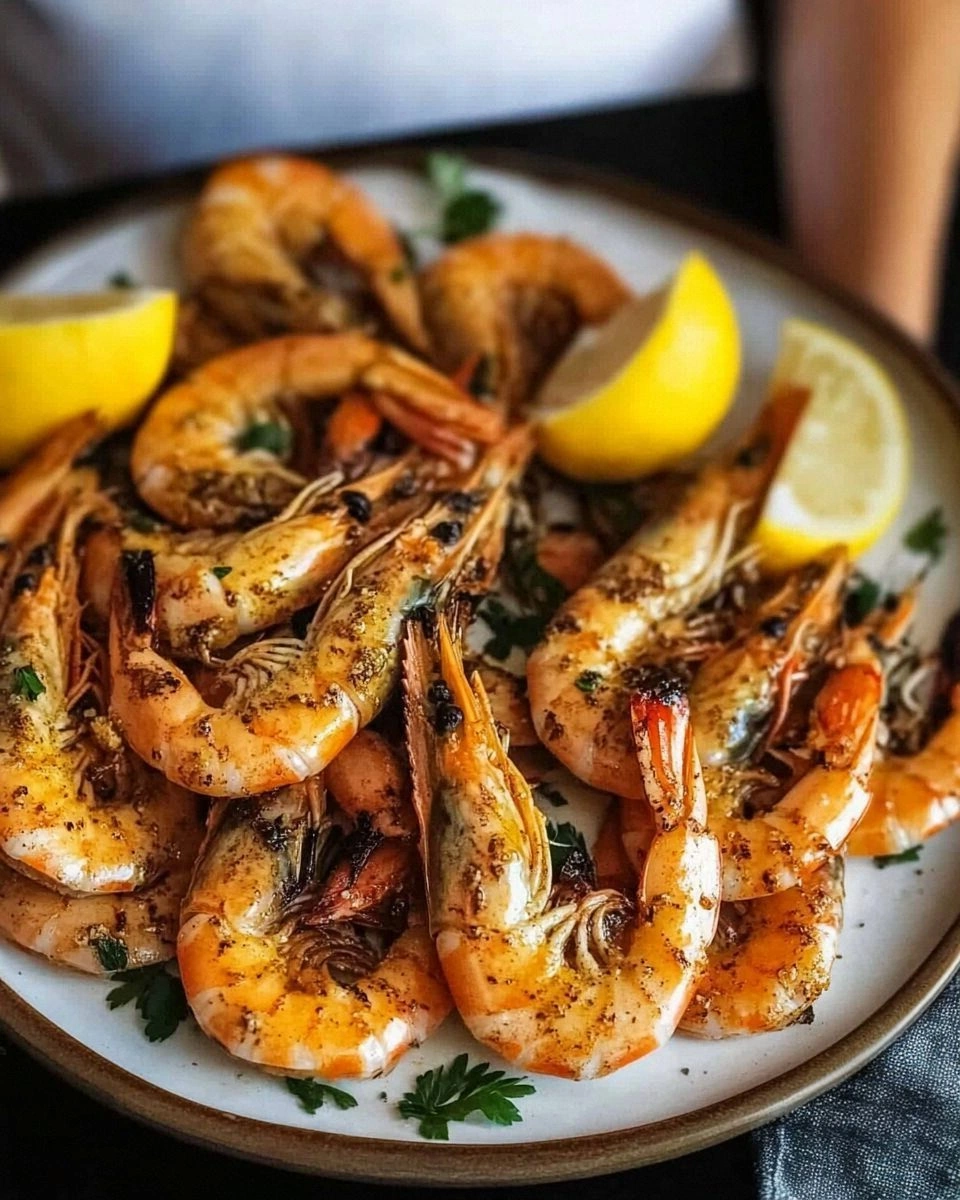
Picture this: a pan that’s hot enough to caramelize the garlic, the butter turning a golden amber, and shrimp that flip in a single breath of steam, their shells popping like tiny fireworks. The air fills with a buttery, garlicky aroma that makes even the most skeptical foodie pause in awe. I’ve tasted countless shrimp dishes, but none have managed to combine velvety butter, bright citrus, and crisp veggies in the same bite without feeling cloying. The result? A dish that’s a symphony of textures—crisp vegetables, tender shrimp, and a silky sauce that coats everything like velvet.
What makes this version stand out is that it’s not just a remix of a classic; it’s a re‑imagining that balances flavor, speed, and visual appeal. I dare you to taste this and not go back for seconds. I’ve spent months tweaking the ratios, experimenting with different cuts of shrimp, and learning how the timing of each ingredient can elevate the whole dish. If you’ve ever struggled to get shrimp just right—too rubbery, too dry, or just plain bland—this is the fix you’ve been waiting for. By the end of this post, you’ll wonder how you ever made it any other way.
Now, let’s dive into the magic. This isn’t just another recipe; it’s a kitchen revelation that turns a frantic rush into a moment of pure culinary joy. I’ll walk you through every single step, from selecting the freshest shrimp to the final flourish of fresh herbs. Trust me, the technique that I’ll reveal will make this dish feel like a gourmet secret shared only with your favorite people. So grab your skillet, and let’s get cooking.
What Makes This Version Stand Out
- Flavor: The buttery garlic base creates a rich canvas that lets the shrimp shine while the lemon juice adds a bright counterpoint that cuts through the richness.
- Texture: The shrimp are seared to a perfect pink center, the bell peppers stay crisp, and the snap peas snap like fresh green crystal.
- Speed: Every component is prepped in under five minutes, so you can go from prep to plate in a total of fifteen minutes.
- Versatility: Swap shrimp for scallops, chicken, or tofu, and you still get the same glorious flavor profile.
- Visual Appeal: The vibrant colors of red peppers, green zucchini, and bright snap peas create a dish that looks as good as it tastes.
- Health Balance: It’s low in carbs, high in protein, and the butter is used sparingly to keep the dish indulgent yet mindful.
- Make‑Ahead Potential: Cook the shrimp separately and re‑heat in the sauce; the flavors deepen and the texture remains intact.
Inside the Ingredient List
The Flavor Base
Unsalted butter is the backbone of this dish. It melts into a glossy sauce that clings to every morsel, creating a mouth‑watering coating that feels like a buttery hug. If you’re watching calories, swap the butter for a tablespoon of olive oil and a splash of coconut milk to keep the richness without the saturated fat. The garlic, minced finely, releases its oils into the butter, giving the sauce a deep, aromatic foundation that sings with every bite.
The Texture Crew
Shrimp are the star of the show. Choose medium‑sized shrimp, about 1/2 to 3/4 inch thick, so they cook evenly and stay tender. If you prefer a firmer bite, opt for larger shrimp, but remember that they’ll need a slightly longer cooking time. The bell peppers and zucchini add crunch and color, while snap peas provide a satisfying snap that breaks the monotony of soft textures. Green onions give a mild sharpness that brightens the overall flavor profile.
The Unexpected Star
Red pepper flakes are the secret weapon that adds just a whisper of heat without overpowering the dish. They mingle with the garlic butter to create a subtle depth that lingers on the palate. If you’re heat‑averse, simply omit them or use a pinch of smoked paprika for a smoky twist. Fresh parsley or cilantro at the finish adds a burst of herbaceous freshness that lifts the dish from savory to sublime.
The Final Flourish
Lemon juice is the final touch that brightens the sauce, cutting through the buttery richness and adding a citrusy zing that keeps the dish from feeling heavy. It also helps to keep the shrimp from overcooking by adding a slight acidity that counterbalances the heat. Salt and pepper are the unsung heroes that bring all the flavors together, so don’t be shy—season to taste. The combination of all these elements creates a dish that feels balanced, vibrant, and utterly irresistible.
Everything’s prepped? Good. Let’s get into the real action.
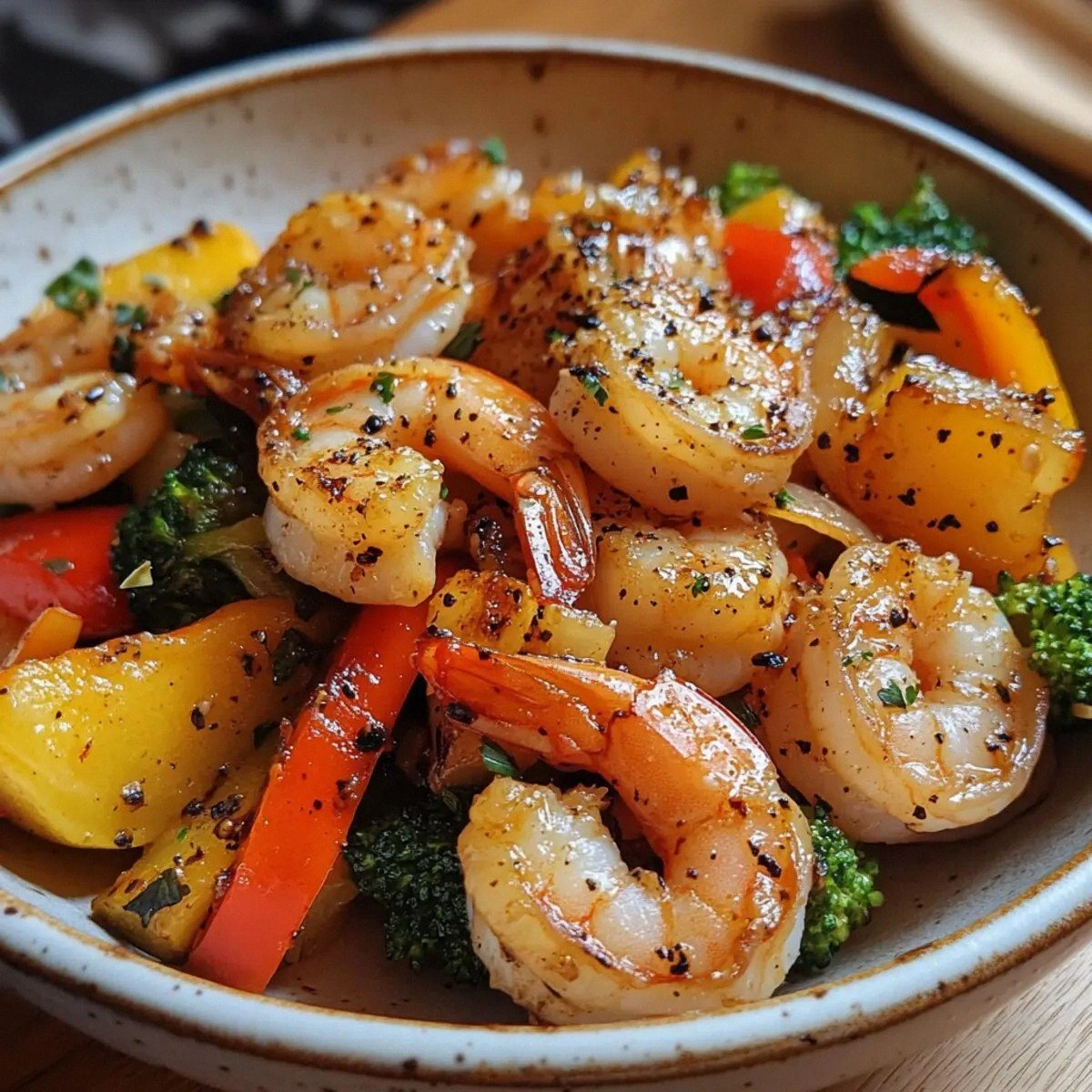
The Method — Step by Step
- Heat a large skillet over medium‑high heat until it’s shimmering but not smoking. Add the unsalted butter, letting it melt into a golden bubble that coats the pan. This is the moment of truth—if the butter starts smoking, lower the heat or add a splash of oil. When the butter turns a light amber, you’re ready to introduce the garlic.
- Add the minced garlic to the pan, stirring constantly. The aroma should be fragrant, not burnt. Cook for 30 seconds until the garlic releases its oils, then toss in the shrimp. The shrimp should sizzle loudly, a sign that the pan is hot enough to sear them without overcooking.
- Season the shrimp with a pinch of salt and black pepper. Sauté for 2 minutes on each side, or until they turn pink and opaque. Watch for that subtle change—shrimp are done when they’re firm but still juicy. Flip them gently with a spatula to avoid breaking the shells.
- Remove the shrimp from the skillet and set them aside on a plate. The pan still holds the buttery garlic base; keep it warm. This step ensures you don’t overcrowd the pan when you add the veggies, which would steam them instead of sear.
- In the same skillet, add the sliced bell peppers, zucchini, and snap peas. Stir-fry for 3 minutes, letting the vegetables crisp up while still retaining a slight bite. The color should pop, signaling that they’re cooked but not mushy.
- Return the shrimp to the pan, and add the lemon juice, green onions, and a pinch of red pepper flakes. Stir everything together so that the shrimp are coated in the buttery sauce. The lemon juice should sizzle slightly, indicating that it’s mixing well with the butter.
- Taste the sauce and adjust seasoning as needed. If you like a bit more heat, sprinkle in extra red pepper flakes; if you prefer a milder dish, add a little more lemon juice. This is the point where your personal preference shines through.
- Finish with a handful of fresh parsley or cilantro, tossing everything together for a final flourish. The herbs add a fresh, bright contrast that lifts the dish from savory to sublime. Serve immediately over rice, quinoa, or a bed of fresh greens.
That’s it—you did it. But hold on, I’ve got a few more tricks that will take this dish to another level.
Insider Tricks for Flawless Results
The Temperature Rule Nobody Follows
Cooking shrimp at the right temperature is the secret sauce. Too low, and they’ll steam; too high, and they’ll char. Aim for a medium‑high heat that produces a gentle hiss when you add the shrimp. If you’re using a cast‑iron skillet, pre‑heat it for a couple of minutes before adding the butter. This ensures that the butter doesn’t burn and that the shrimp sear evenly.
Why Your Nose Knows Best
Your sense of smell is the ultimate judge of doneness. When the garlic and butter are sizzling, the aroma should be buttery and garlicky, not burnt. Similarly, when you add the shrimp, a pleasant, slightly sweet smell indicates they’re cooking properly. Trust your nose; it’ll tell you when the shrimp are just right.
The 5-Minute Rest That Changes Everything
After cooking, let the shrimp rest for five minutes before serving. This short pause allows the juices to redistribute, keeping the shrimp moist and tender. The rest also lets the flavors meld, making the sauce more cohesive. If you’re serving immediately, give them a quick toss to re‑warm and coat them in the buttery sauce.
The Perfect Butter Ratio
Using too much butter can overpower the shrimp and veggies. Two tablespoons of butter are enough to create a silky sauce without drowning the ingredients. If you’re watching your fat intake, reduce the butter to one tablespoon and supplement with a splash of low‑fat milk or coconut milk to maintain the sauce’s creaminess.
The Secret to Crunchy Veggies
To keep your bell peppers and snap peas crunchy, add them after the shrimp have cooked for a couple of minutes. This staggered addition ensures they don’t overcook. If you prefer softer veggies, add them earlier and cook for an extra minute or two. The key is to keep the veggies in the pan long enough to develop flavor but short enough to preserve texture.
Creative Twists and Variations
This recipe is a playground. Here are some of my favorite ways to switch things up:
Asian Fusion
Swap the lemon juice for rice vinegar, add a splash of sesame oil, and top with toasted sesame seeds. The dish takes on a bright, slightly sweet profile that pairs wonderfully with jasmine rice.
Mediterranean Flair
Replace the butter with olive oil, add a handful of kalamata olives, and sprinkle with oregano. This variation gives the dish a briny, herbaceous twist that feels like a summer picnic.
Spicy Cajun Kick
Add Cajun seasoning to the shrimp before cooking, and finish with a drizzle of sriracha. The heat is balanced by the buttery sauce, creating a bold, flavorful experience.
Creamy Coconut Version
Replace half the butter with coconut milk and stir until it’s silky. The coconut adds a tropical sweetness that pairs beautifully with the shrimp and vegetables.
Low‑Carb Twist
Serve the shrimp and veggies over cauliflower rice or spiralized zucchini noodles. This keeps the dish low in carbs while maintaining the same delicious flavor profile.
Storing and Bringing It Back to Life
Fridge Storage
Cool the dish to room temperature, then transfer it to an airtight container. Store in the refrigerator for up to three days. The butter can solidify, so give it a quick stir before serving to re‑integrate the sauce.
Freezer Friendly
For longer storage, freeze the dish in a freezer‑safe container for up to two weeks. When ready to eat, thaw overnight in the fridge. Re‑warm gently on the stove, adding a splash of water or broth to keep the sauce from drying out.
Best Reheating Method
Reheat over low heat, stirring frequently. Add a tiny splash of water or broth to steam the shrimp and veggies back to life. This technique preserves the delicate texture and prevents the sauce from becoming too thick.