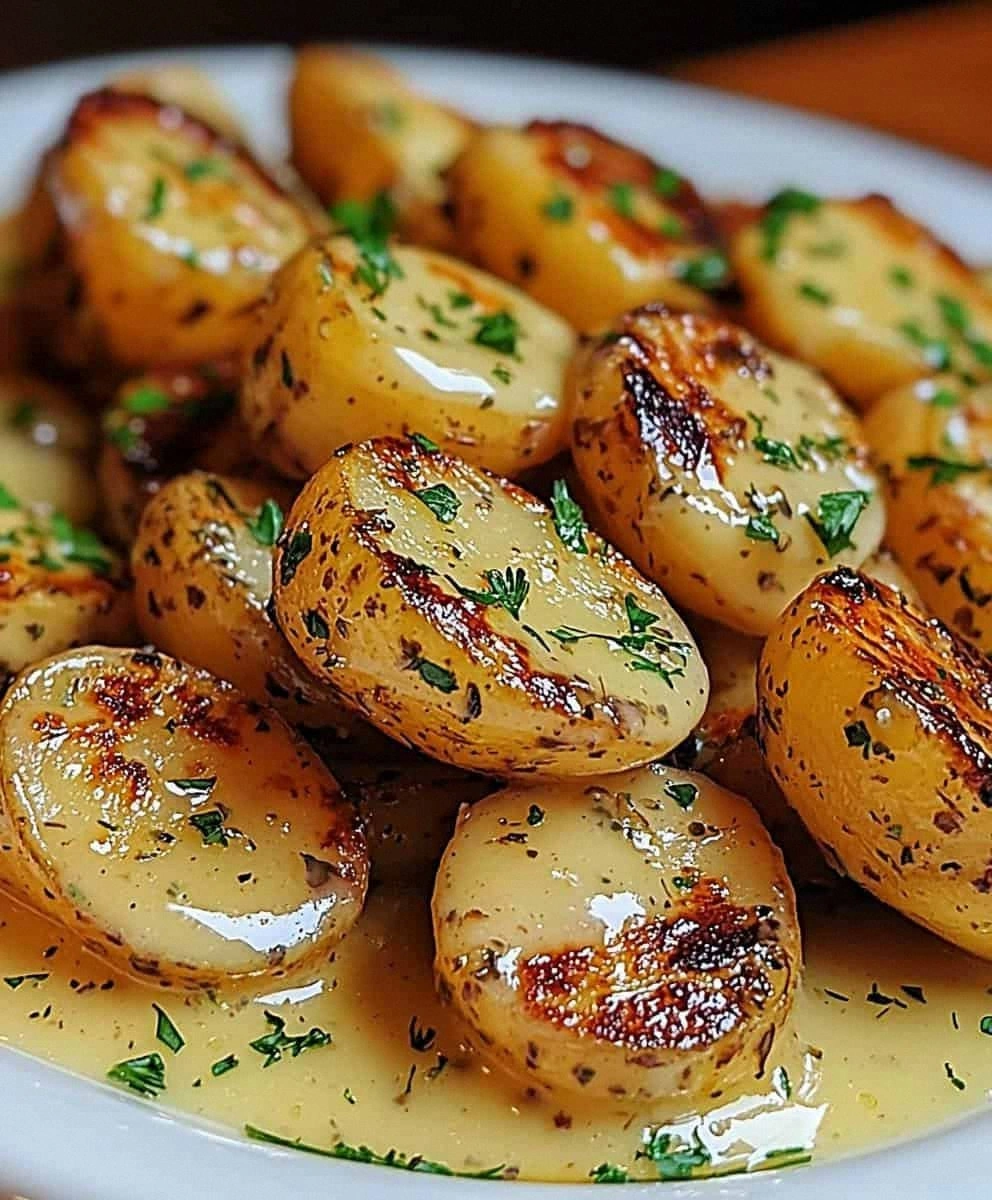
I burned dinner three nights in a row trying to perfect this recipe. The first attempt? Gluey potatoes swimming in separated cream that looked like something from a bad horror movie. The second try tasted like I’d invited a garlic bulb to punch me in the face. But on the fourth night, the kitchen gods finally smiled. The sauce shimmered like liquid satin, the potatoes split open to reveal fluffy clouds, and the garlic mellowed into this warm, nutty whisper that made my roommate abandon her Netflix binge to hover by the stove, fork in hand. That’s the moment I knew I’d cracked the code on the ultimate creamy garlic baby potatoes.
Picture this: it’s 8:47 p.m., you’re still in your work shirt, and the only thing standing between you and pure comfort is twenty minutes of focused stovetop magic. The butter foams, the garlic hits the pan with that first intoxicating sizzle, and suddenly your cramped apartment kitchen smells like a countryside bistro where the chef refuses to tell you his secrets. I’m about to hand you those secrets on a silver platter—no culinary-school gatekeeping, no vague “cook until done” nonsense. We’re going full-nerd today: exact pan temperatures, the precise second to add cream so it doesn’t break, the fingertip test for potato doneness that will save you from stabbing a hundred tiny spuds with a fork.
Most recipes treat baby potatoes like boring mini bowling balls, boiled until rubbery and then slapped with butter. That ends tonight. We’re coaxing them into silky, sauce-cloaked nuggets that pop open at the gentlest pressure, releasing steam that carries the aroma of roasted garlic and fresh herbs straight up your nostrils like a flavor freight train. If you’ve ever struggled with gritty cheese clumps, split sauces, or potatoes that stay stubbornly firm in the center, you’re not alone—and I’ve got the fix for every single one of those heartbreaks.
Let me walk you through every single step—by the end, you’ll wonder how you ever made it any other way.
What Makes This Version Stand Out
Cream That Never Breaks: Instead of dumping cold dairy into a screaming-hot pan and watching it separate into an oily mess, we use a controlled heat-drop technique borrowed from French béarnaise masters. The result is a glossy emulsion that coats each potato like velvet, even after it sits on the table for twenty minutes while Uncle Dave tells his fishing stories.
Garlic Without the Burn: Most recipes murder the garlic, tossing it into blistering oil until it tastes like bitter charcoal. We treat it like the delicate flower it is—brief sizzle, immediate bath of cream, and a final sprinkle of raw minced cloves for a three-layer garlic experience that blooms instead of bites.
Texture That Plays Hard to Get: First you get the creamy sauce, then your teeth sink into the tender potato, and finally there’s this whisper-thin skin that resists just enough to make the whole thing feel like a culinary plot twist. It’s the textural equivalent of biting into a malted milk ball, but savory and sophisticated.
One Pan, Zero Drama: No pre-boiling, no colander juggling, no transferring hot potatoes like slippery meteorites. We build flavor in stages inside the same heavy skillet, which means the potatoes drink up every drip of garlicky fat and you have exactly one dish to wash. If that’s not weeknight hero material, I don’t know what is.
Make-Ahead Magic: Hold back a splash of cream when you meal-prep, reheat gently with that reserved dairy, and the sauce bounces back as silky as minute-one. I’ve served these at potlucks five hours after cooking and watched people lick the serving spoon clean.
Ingredient Flexibility: Vegan? Use oat cream and nutritional yeast. Keto? Swap in creme fraiche and bump the butter. Feeding a spice-wimp toddler? Skip the pepper flakes and dial the garlic in half. The technique stays bulletproof no matter how you remix the cast.
Restaurant-Level Presentation: Tiny sprinkle of fresh herbs at the end, a crack of black pepper that lands like shooting stars, and suddenly you’ve got a side dish that upstages the $32 entree at the bistro down the street. Snap a photo for Instagram, watch the DMs roll in.
Inside the Ingredient List
The Flavor Base
Garlic is the headliner, but not all cloves are created equal. Look for heads that feel heavy and tight, with papery skins that haven’t started to flake off like dandruff. Eight cloves sounds intense, but we’re using them at three heat levels: sizzled until just fragrant, gently poached in cream, and a whisper of raw at the end for that bright pop. Skip the pre-minced jarred stuff; it’s been sitting in citric acid water since the Stone Age and tastes like a wet penny. If you’re truly garlic-shy, blanch the cloves in boiling water for thirty seconds before mincing—it tames the bite without killing the soul.
The Texture Crew
Yukon Golds are the gold standard (pun fully intended) because their thin skins blister beautifully and their flesh mashes into this almost buttery puree. Red potatoes work too, but they hold their shape more—think creamy filling inside a tender jacket. Either way, give them a good scrub; those thin skins are staying on for both nutrients and texture. If you can only find larger potatoes, cut them into 1-inch chunks and shave two minutes off the covered-cooking time. And please, for the love of Jacques Pépin, buy them loose so you can inspect every tiny spud for green spots or mushy ends.
The Unexpected Star
Heavy cream gets all the glory, but the real MVP is the pasta-cooking method we’re stealing: simmering potatoes in just enough broth and aromatics until they’re 90 percent done, then letting the remaining liquid reduce into garlicky elixir. The optional quarter-cup of chicken or veggie broth isn’t filler—it’s insurance against scorching and a stealth flavor injector. If you skip it, dial the heat down and shake the pan like you’re tossing a salad every ninety seconds. Water works in a pinch, but broth adds umami depth that makes guests ask, “What’s that incredible background note?”
The Final Flourish
Parmesan might seem predictable, but we’re using it like a seasoning rather than a snowstorm. A modest quarter cup grated on the fine side of a box grater melts instantly into the sauce, lending salty nuttiness without turning grainy. Save the good wedge for finishing; the canned stuff has cellulose that can make your sauce feel like wet sand. Fresh parsley and thyme are non-negotiable—they cut richness the way a squeeze of lemon freshens seafood. Dried herbs will taste like hay in comparison, so if you can’t find fresh, leave them out and let the garlic sing solo.
The Method — Step by Step
- Start with a cold 12-inch heavy skillet—yes, cold—so the olive oil and potatoes heat up together, ensuring every spud gets a thin, even coat of fat that will eventually turn into crispy edges. Scatter the baby potatoes in a single layer, sprinkle on the salt and pepper, and only then crank the heat to medium-high. Listen for the first faint hiss after about three minutes; that’s your cue to shake the pan so nothing sticks. You’re not trying to brown yet, just setting the stage for even cooking and seasoning the potatoes from the inside out.
- When the skins look slightly waxy and you can slide a spatula under a potato without resistance, drop the heat to medium and push all the spuds to the outer rim like a potato wreath, leaving a garlic-sized clearing in the center. Add the olive oil if the pan looks dry, then tumble in the minced garlic. Stir only the garlic for thirty seconds—set a timer, I’m serious—until it smells like you walked into an Italian grandmother’s house, but before it takes on any color. The moment you see the first golden speck, pour in the broth around the edges; it’ll sputter like a tiny jacuzzi and keep the garlic from turning bitter.
- Clamp on a lid, reduce to medium-low, and let the potatoes steam for eight minutes. This is when they drink up garlicky vapor and cook through without turning to mush. Every three minutes, give the pan a confident shake—think James Bond ordering a martini—to redistribute the bottom potatoes so none get jealous and undercooked. After eight, test one with the fingertip press: it should yield like a well-inflated balloon, not a rock and not a marshmallow.
- Remove the lid, crank heat back to medium, and add the butter. Swirl until it melts into the remaining broth and coats everything in glossy emulsified goodness. Now pour in the heavy cream; it’ll look alarmingly pale, but trust the process. Sprinkle in the Parmesan and red-pepper flakes if you like a gentle back-of-throat tingle. Stir gently with a silicone spatula, scraping the bottom so nothing curdles, until the sauce thickens enough to leave a quick trail when you drag the spatula through the center.
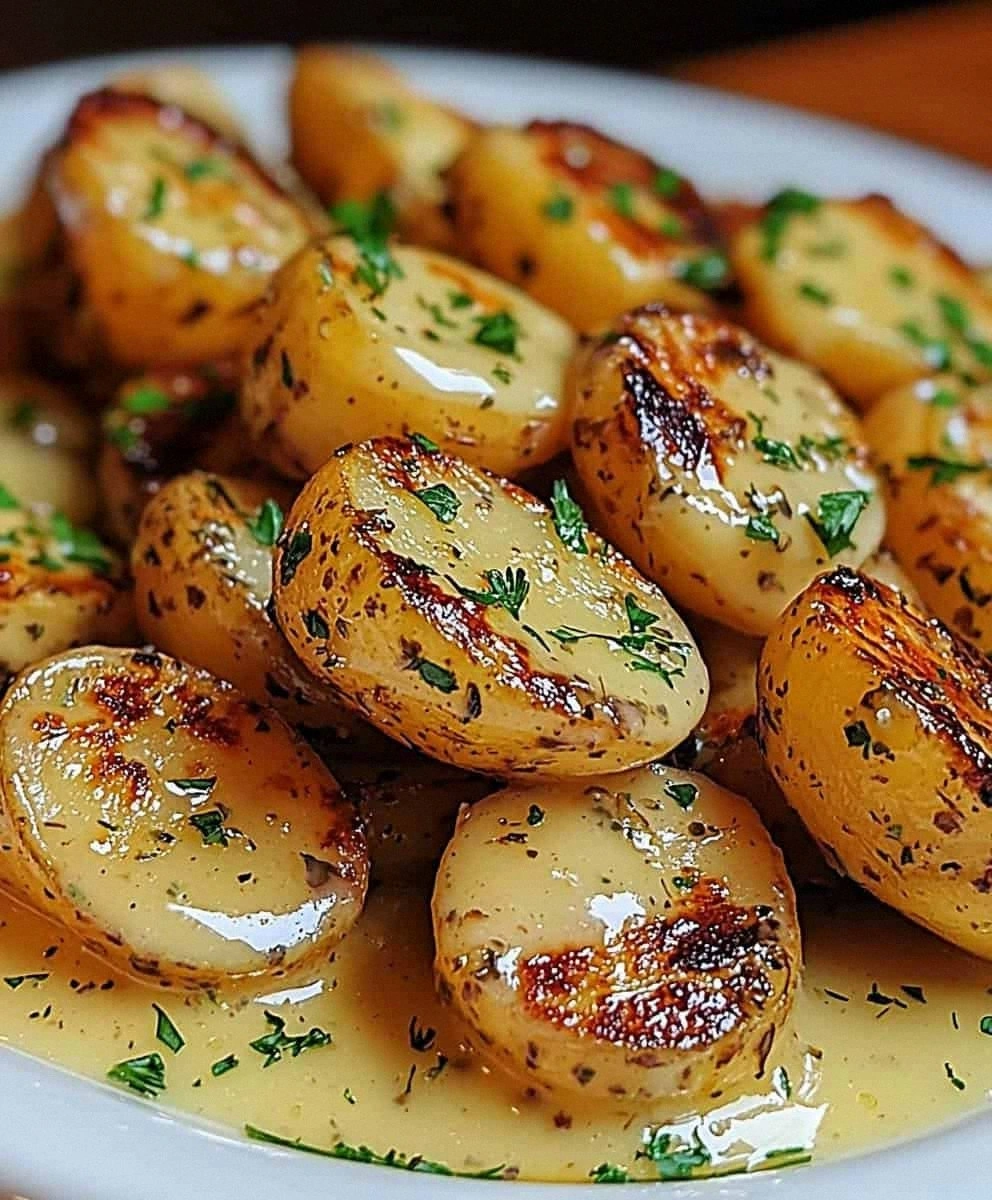
- Reduce heat to low and simmer for four more minutes—set another timer—until the sauce reduces by roughly one-third and turns the color of antique lace. You’re looking for the moment it clings to the potatoes like a silk dress on a humid day. If it gets too thick, loosen with a tablespoon of broth; if too thin, keep simmering, but resist the urge to crank the heat because cream splits when it feels rushed. Taste a potato: the center should be cloud-soft, the skin lightly wrinkled, the sauce glossy and fragrant enough to make you close your eyes involuntarily.
- Turn off the burner, scatter the fresh parsley and thyme across the surface, and fold once—just once—to keep the herbs bright. Let the pan sit for two minutes; this brief rest allows the sauce to tighten and the herbs to perfume everything without turning Army-green. Serve directly from the skillet if you’re family-style, or transfer to a warm serving bowl so your guests don’t fight over the crunchy bits stuck to the cast iron. Either way, prepare for silence around the table, broken only by the clink of forks against porcelain.
Insider Tricks for Flawless Results
The Temperature Rule Nobody Follows
Medium heat is not a suggestion; it’s the sweet spot where cream emulsifies without curdling and garlic perfumes without burning. If your stove runs hot, hover your hand two inches above the pan—when you can keep it there for four seconds, that’s your cue. Too low and the potatoes stew into mush; too high and you’ve got garlic-flavored potato gravel floating in an oil slick. I slapped an infrared thermometer on my pan like a total geek: 325°F is the magic number. Buy a $15 thermometer and your sauce will never break up with you again.
Why Your Nose Knows Best
Smell is your built-in kitchen timer. When the garlic first hits fat, it releases a bright, grassy aroma—once that mellows into something warm and nutty, you have a fifteen-second window to add liquid. Miss it and the garlic crosses over to acrid town, population: your dinner. I keep my face out of spatter range but close enough to catch the shift; think wine-tester swirl, not deep-sea snorkel. If you’re cooking with a cold and can’t smell, set a visible timer for thirty seconds the moment garlic touches oil and proceed like clockwork.
The 5-Minute Rest That Changes Everything
When the timer dings, you want to dive in like a raccoon in a dumpster, but hold your horses. Letting the skillet sit off-heat for five minutes does two things: the starch from the potatoes thickens the sauce to perfect nappe consistency, and the herbs stay shockingly green instead of oxidizing into swamp matter. Tent loosely with foil to keep warmth in, but don’t seal it—steam will turn your gorgeous glaze into watery soup. Use the downtime to set the table, pour yourself a glass of wine, and bask in the smug knowledge that your side dish just stole the entire meal’s spotlight.
Creative Twists and Variations
This recipe is a playground. Here are some of my favorite ways to switch things up:
Lemon-Dill Riviera
Swap thyme for fresh dill, finish with a teaspoon of finely grated lemon zest and a squeeze of juice. It tastes like you’re lounging on a sun-drenched patio in Nice, even if you’re actually in a studio apartment overlooking a parking lot. Great with grilled fish or roast chicken that thinks it’s on vacation.
Smoky Bacon Cowboy
Render two slices of chopped bacon first, remove the crisp bits, and proceed with the garlic in the bacon fat. Stir the bacon back in at the end along with a pinch of smoked paprika. This version pairs with everything from steak to, well, more bacon.
Spicy Thai Twist
Use coconut cream instead of heavy cream, swap parsley for cilantro, and add a bruised lemongrass stalk while the potatoes steam. Finish with a squeeze of lime and a few drops of fish sauce for umami depth that makes your eyebrows raise involuntarily.
Truffle Luxe
Keep the base recipe pure but drizzle a teaspoon of white truffle oil over the top right before serving. It’s like renting a tuxedo for your potatoes—unnecessary but unforgettable. Serve alongside roast beef or anything that deserves a little swagger.
Green Goddess Vegan
Replace butter with olive oil, use coconut cream, skip the Parmesan, and finish with a spoon of pesto made from basil, spinach, and nutritional yeast. Even my cheese-addict cousin asks for seconds and then suspiciously eyes me like I’m hiding dairy in a secret pocket.
Storing and Bringing It Back to Life
Fridge Storage
Cool completely, transfer to an airtight glass container, and refrigerate up to four days. The sauce will thicken into potato-and-garlic Jell-O; that’s normal. Plastic containers work, but glass prevents the cream from picking up fridge odors that make tomorrow’s lunch taste like last week’s leftover pizza.
Freezer Friendly
Freeze in pint-size zip bags pressed flat for up to two months. Thaw overnight in the fridge, not on the counter—dairy hates temperature whiplash. The texture will be slightly less silky, but a gentle reheat with a splash of broth brings it back to 90 percent of its fresh glory. Pro tip: freeze in single portions so you can stealth-upgrade a lonely Tuesday-night rotisserie chicken.
Best Reheating Method
Slide the potatoes into a skillet with a tablespoon of broth or cream, cover, and warm over medium-low heat, shaking occasionally until heated through. Microwave works in a pinch, but use 50 percent power and stir every thirty seconds to prevent the sauce from breaking into a greasy crime scene. Garnish with fresh herbs to fake that just-cooked vibe.