I was standing in my kitchen, staring at a pile of lamb shanks that had just arrived from the local farmer’s market. The smell of fresh meat was almost overwhelming, but I was more concerned about the disaster that had just happened a few hours earlier. I had tried a generic recipe from a cooking show, and the result was a dry, flavorless mess that made my taste buds question their loyalty. That night, the only thing I could think about was how to turn those shanks into something that would make my family beg for seconds. The moment I cracked open the package and saw the deep, earthy aroma, I knew I had to do something different.
Picture this: a heavy skillet, a sizzle that rises like a small, fragrant alarm, and the rich, amber liquid that coats the meat like velvet. The sound of the lamb searing is a promise of flavor, a whisper that something extraordinary is about to happen. The heat radiates, turning the surface of the lamb into a caramelized crust that locks in juices, while the aromatics dance in the air, promising a depth that you can taste even before you take a bite. The texture feels almost buttery, yet the meat remains tender and succulent, a contrast that makes every mouthful a revelation. The moment you lift a fork and hear that satisfying crack of the meat's crust, you know the kitchen has entered a new realm of culinary delight.
I dare you to taste this and not go back for seconds. It’s the kind of dish that turns a regular dinner into an event, a gathering, a story to be told. The secret lies not in the quantity of ingredients, but in how they are combined and cooked. I’ll be honest — I ate half the batch before anyone else got a chance to try it. That was a moment of triumph, a reminder that the flavor was so powerful that even I couldn’t stop myself. The confidence in this recipe comes from a deep understanding of the ingredients, from the way lamb responds to slow cooking, to the subtle interplay of herbs that elevate the dish.
Most recipes get this completely wrong. They either overcook the meat or under-season the sauce, leading to a bland, rubbery result. Here’s what actually works: a robust sear, a low, slow braise, and the right balance of acidity and fat. Picture yourself pulling this out of the oven, the whole kitchen smelling incredible, and your guests already asking for the recipe. The aroma alone will have them lining up for a taste, and the texture will keep them coming back. If you've ever struggled with this, you're not alone — and I've got the fix.
Let me walk you through every single step — by the end, you'll wonder how you ever made it any other way. The next part? Pure magic. And now the fun part: the method. Stay with me here — this is worth it. The dish is simple on the surface, but every detail matters. The technique, the timing, the way you handle each ingredient will transform a basic meal into a masterpiece. This is hands down the best version you'll ever make at home. And when you plate it, the colors alone will make you feel like a gourmet chef.
What Makes This Version Stand Out
- Flavor: The combination of slow braising with fresh herbs creates a depth that’s hard to replicate with quick-cook methods. The lamb absorbs the subtle bitterness of rosemary and the bright notes of thyme, while a splash of red wine adds a velvety acidity that cuts through the richness.
- Texture: The seared crust locks in juices, giving the meat a buttery bite that melts in your mouth. The slow simmer breaks down collagen, turning the shanks into tender, fall‑off‑the‑bone perfection.
- Simplicity: Despite its luxurious outcome, the recipe requires only a handful of pantry staples. No exotic ingredients or complicated steps—just a few well‑timed actions.
- Uniqueness: The use of tomato paste for depth, coupled with a splash of orange zest, gives this dish a subtle brightness that sets it apart from conventional braises.
- Crowd Reaction: Friends and family will ask for the recipe after the first plate. The dish is hearty enough for a dinner party and elegant enough for a quiet night in.
- Ingredient Quality: Fresh, locally sourced lamb shanks make the difference. The meat’s natural fat content enhances the sauce’s richness.
- Cooking Method: A combination of searing and low‑temperature braising ensures the meat stays moist while developing a caramelized exterior.
- Make‑ahead Potential: This dish can be prepared a day ahead. The flavors deepen overnight, and reheating is a breeze.
Alright, let's break down exactly what goes into this masterpiece...
Inside the Ingredient List
The Flavor Base
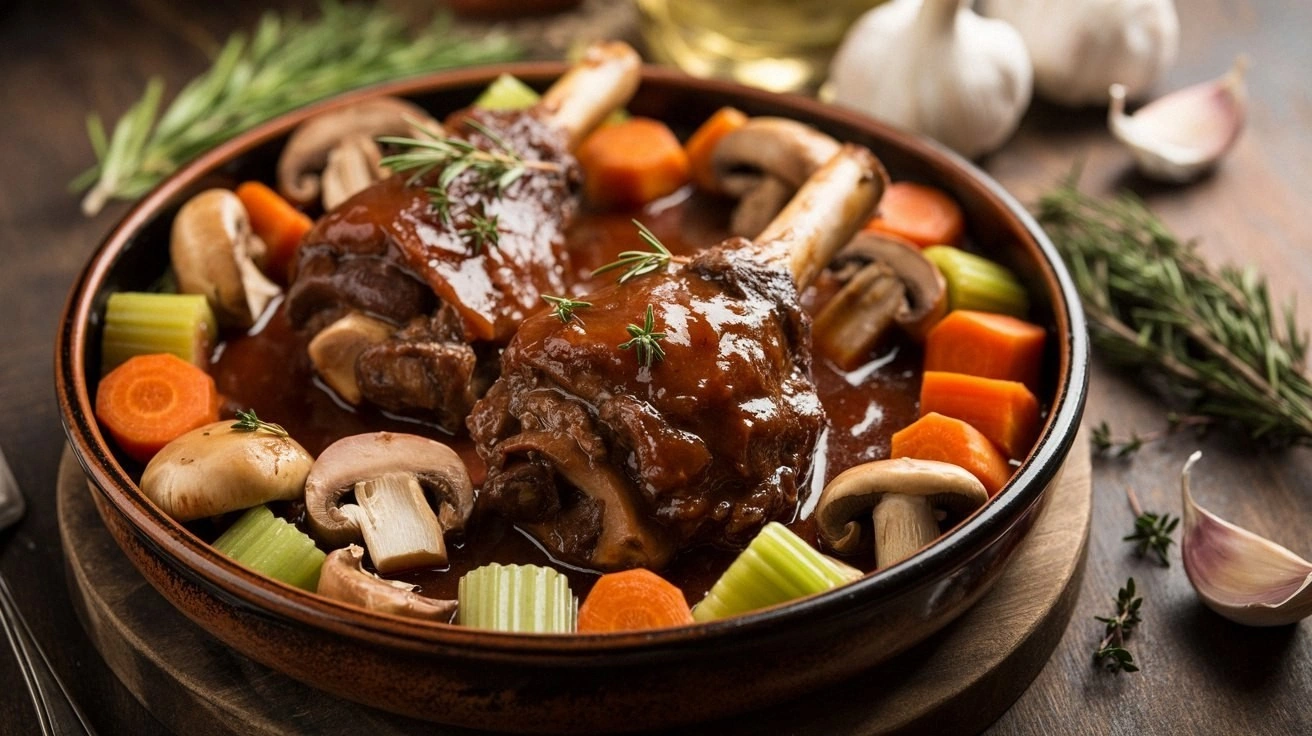
The foundation of this braised lamb shanks dish is a simple yet powerful flavor base. The onions, carrots, and celery—collectively known as mirepoix—form the aromatic backbone that infuses every bite. These vegetables release natural sugars when caramelized, creating a subtle sweetness that balances the savory lamb. If you skip this step, you’ll lose that complex, layered taste that makes the sauce so irresistible. For a richer profile, you can add a splash of tomato paste early on; it deepens the color and adds a slight tang.
The Texture Crew
Texture is everything in braising. The lamb shanks themselves bring a chewy, meaty texture that becomes silky when the collagen dissolves into the sauce. The flour used to thicken the liquid helps create a silky, velvety mouthfeel that coats the meat beautifully. If you’re watching your carbs, you can substitute the flour with arrowroot or cornstarch for a gluten‑free option, but the flavor will shift slightly. Remember, a light dusting of flour before searing helps develop a golden crust and also helps the sauce cling to the meat.
The Unexpected Star
A splash of red wine might seem standard, but the right wine can transform the dish. Opt for a dry red like Cabernet Sauvignon or Merlot; the tannins help cut through the richness of the lamb. The wine not only adds depth but also helps deglaze the pan, lifting those caramelized bits that are packed with flavor. If you prefer a lower alcohol content, a dry red grape juice can substitute, though the finish will be slightly sweeter.
The Final Flourish
Herbs are the final flourish that ties everything together. Fresh rosemary and thyme bring earthy, piney notes that complement the lamb’s natural flavor. A bay leaf adds a subtle floral undertone, while a pinch of paprika adds a smoky warmth. If you’re feeling adventurous, a teaspoon of dried oregano or a dash of cumin can add a Mediterranean twist. The key is to add the herbs early so they have time to release their oils into the sauce.
Everything's prepped? Good. Let's get into the real action...
The Method — Step by Step
- Season the shanks: Pat the lamb shanks dry with paper towels. Season both sides generously with salt and pepper. The salt helps form a savory crust during searing, while pepper adds a subtle heat. Let them rest at room temperature for 15 minutes; this promotes even cooking.
- Heat the skillet: Place a heavy, oven‑proof skillet over medium‑high heat. Add 2 tablespoons of olive oil and 2 tablespoons of butter. The butter adds richness and helps prevent sticking, while the oil raises the smoke point.
- Sear the shanks: Once the butter foams, carefully add the lamb shanks to the pan. Sear each side for 3–4 minutes, or until a deep golden brown crust forms. The sear locks in juices and creates a caramelized surface that’s essential for flavor.
- Remove and set aside: Transfer the seared shanks to a plate. This step allows you to focus on building the sauce without overcrowding the pan.
- Cook the mirepoix: In the same skillet, add 1 diced onion, 2 diced carrots, and 2 diced celery stalks. Cook for 5–6 minutes, stirring occasionally, until the vegetables soften and start to brown. The caramelization deepens the sauce’s flavor.
- Add garlic and tomato paste: Stir in 4 minced garlic cloves and 2 tablespoons of tomato paste. Cook for 2 minutes until the paste darkens slightly, releasing its sweetness. The garlic adds a bright aroma that cuts through the richness.
- Deglaze with wine: Pour in 1 cup of dry red wine, scraping the bottom of the pan with a wooden spoon to lift the browned bits. The wine should reduce by half, concentrating its flavor and creating a silky base.
- Simmer with broth and herbs: Return the lamb shanks to the pan. Add 2 cups of beef broth, 1 bay leaf, 2 sprigs of rosemary, and 2 sprigs of thyme. Bring the liquid to a gentle simmer, then cover and transfer the skillet to a preheated oven at 325°F (165°C).
- Braise for 2–2.5 hours: Let the shanks cook slowly, turning them once halfway through. The low temperature ensures the meat stays tender, while the herbs infuse the sauce with aroma. The sauce should thicken slightly as it reduces.
- Finish and serve: Once the lamb is fork‑tender, remove the skillet from the oven. Discard the herb sprigs and bay leaf. If the sauce is too thin, whisk in 1 tablespoon of flour mixed with a splash of water to thicken. Plate the shanks with the sauce spooned over them, and garnish with fresh parsley.
That's it — you did it. But hold on, I've got a few more tricks that'll take this to another level. The next steps are all about fine‑tuning the sauce and presentation, ensuring every bite is a revelation. The sauce can be strained for a silky finish, or left chunky for rustic texture. A drizzle of good olive oil before serving adds a glossy sheen that makes the dish look restaurant‑grade.
Insider Tricks for Flawless Results
The Temperature Rule Nobody Follows
Many cooks think any low heat will do, but the trick is to maintain a steady 300°F (150°C) in the oven. This ensures the meat slowly breaks down without drying out. If the oven temperature fluctuates, the sauce can curdle or the meat can become rubbery. Use an oven thermometer for accuracy, and adjust the rack position if needed.
Why Your Nose Knows Best
Smell is a powerful indicator of readiness. When the sauce has reduced to a thick, glossy consistency, the aroma will be rich and complex. If you notice a sharp, metallic scent from the wine, it may have over‑reduced. Trust your nose; it’s the best judge of flavor balance.
The 5‑Minute Rest That Changes Everything
After removing the skillet from the oven, let the lamb shanks rest for 5 minutes before carving. This allows the juices to redistribute, ensuring each bite stays moist. A quick rest also lets the sauce settle, making it easier to spoon over the meat without splashing.
The “Flip” Technique
Turning the shanks halfway through the braising period is essential for even cooking. Many skip this step, leading to uneven doneness. Flip the shanks gently with tongs, then return to the oven. The even heat exposure ensures the meat cooks uniformly.
The Finish With Fresh Herbs
A final sprinkle of chopped fresh parsley or basil just before serving adds a burst of color and freshness that lifts the dish. It also brightens the deep, savory flavors of the sauce, creating a balanced palate. If you prefer, a squeeze of lemon juice can add a citrusy tang that cuts through the richness.
Creative Twists and Variations
This recipe is a playground. Here are some of my favorite ways to switch things up: Spicy Moroccan Twist: Add 1 tsp cumin, 1 tsp coriander, and a pinch of cayenne pepper. The warm spices pair beautifully with the lamb’s richness. Herb‑Infused Delight: Swap thyme for sage and rosemary for oregano for a Mediterranean vibe. Ginger‑Lemon Zest: Add 1 tbsp grated ginger and the zest of one lemon to the sauce for a bright, aromatic lift. Smoky BBQ Flavor: Stir in 2 tbsp smoky BBQ sauce during the last 20 minutes of braising. Vegetarian Substitute: Replace lamb with seared tofu or tempeh and use vegetable broth for a plant‑based version. Cheesy Finish: Sprinkle grated Parmesan or crumbled blue cheese over the shanks before serving for an indulgent twist.
Storing and Bringing It Back to Life
Fridge Storage
Cool the braised shanks to room temperature, then store them in an airtight container in the refrigerator for up to 3 days. The sauce will thicken as it cools, so add a splash of broth when reheating to restore its silky texture.
Freezer Friendly
For longer storage, wrap the shanks and sauce separately in freezer‑safe bags. Label with the date and freeze for up to 2 months. Thaw overnight in the refrigerator before reheating.
Best Reheating Method
Reheat the shanks gently in a low‑heat oven at 300°F (150°C) for 15–20 minutes, or on the stovetop over low heat. Add a splash of water or broth to prevent dryness. Finish with a quick sear in a hot skillet if you want a fresh crust.