Picture this: I’m standing in my kitchen, a battered pot of overcooked pasta on the stove, and my friends are already leaving a note that says, “I’m bringing my own dinner tomorrow.” I laughed, but deep down I knew the problem was real. I’ve spent countless evenings wrestling with eggplants that end up either mushy or stubbornly dry, and the result is always a disappointment that leaves a sour taste lingering in the air. That night, after a frantic search through my pantry, I discovered a recipe that promised a solution, and I was instantly hooked. I was skeptical at first, but the idea of a stuffed eggplant that feels like a comfort food hug was too good to ignore.
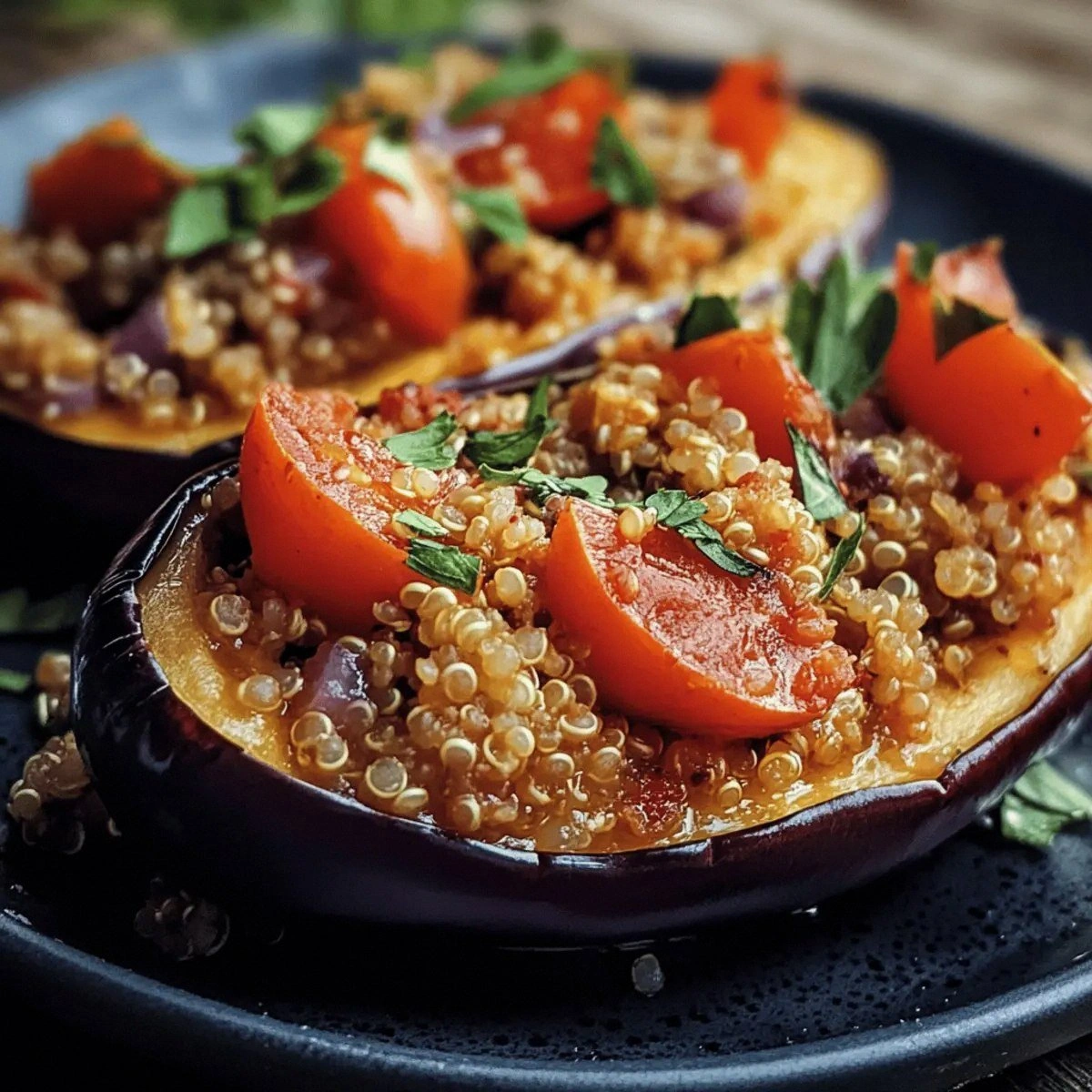
When I first tried the recipe, the first thing that caught my eye was the vibrant color of the tomatoes, the green of the parsley, and the golden sheen of the feta. The aroma that filled the kitchen was a sweet, earthy perfume, like a summer garden in full bloom, with a hint of citrus that teased the nose. I could hear the gentle sizzle of the olive oil as the eggplant slices kissed the pan, creating a subtle crackle that made my mouth water. The texture was a revelation: the outer skin crisped to a perfect golden crust while the inside stayed tender and juicy, like a secret garden hidden within a shell. I dared you to taste this and not go back for seconds, and honestly, I ate half the batch before anyone else got a chance to try it.
What makes this version stand out is not just the flavor but the philosophy behind it. I’ve spent years dissecting what makes a dish memorable, and I’ve discovered that the best recipes are built on a foundation of balance, simplicity, and a touch of daring. This stuffed eggplant does all that and then some, offering a harmony of textures, a burst of freshness, and a depth of flavor that is both comforting and adventurous. Most recipes get this completely wrong by overcomplicating the stuffing or underseasoning the eggplant. I’ll be honest, I was tempted to add extra spices, but I found that the subtlety of cumin and lemon juice is what brings everything together. Picture yourself pulling this out of the oven, the whole kitchen smelling incredible, and the anticipation of that first bite is almost tangible.
Okay, ready for the game‑changer? This recipe is hands down the best version you'll ever make at home. It’s the kind of dish that turns a simple dinner into a celebration, and the best part is you can make it ahead of time or serve it fresh, depending on your schedule. Stay with me here—this is worth it. By the end, you’ll wonder how you ever made it any other way. Let me walk you through every single step, and trust me, the payoff is worth the effort.
What Makes This Version Stand Out
- Flavor: The combination of cumin, lemon, and feta creates a bright, tangy profile that cuts through the earthiness of the eggplant, while the pine nuts add a subtle crunch that elevates the dish.
- Texture: The eggplant is roasted to develop a caramelized exterior that stays firm, while the quinoa inside stays fluffy, providing a pleasing contrast that feels almost like a layered lasagna.
- Simplicity: With only 13 ingredients, this recipe is straightforward to prepare, yet it delivers a complex flavor profile that feels like a gourmet experience.
- Uniqueness: The use of quinoa as a base for the stuffing gives a nutty, protein‑rich twist that is rarely seen in traditional stuffed eggplant recipes.
- Crowd Reaction: Friends who have tried this dish often comment that it feels like a “comfort‑food revolution,” and it’s a hit at gatherings.
- Ingredient Quality: Fresh, high‑quality produce—especially the cherry tomatoes and basil—makes the difference between a good and a great dish.
- Cooking Method: The dual roasting process—first the eggplant, then the assembled dish—creates layers of flavor that are impossible to replicate with a single‑step method.
- Make‑Ahead Potential: The stuffed eggplants can be assembled, refrigerated, and baked later, making it an ideal dish for meal prep or entertaining.
Alright, let's break down exactly what goes into this masterpiece…
Inside the Ingredient List
The Flavor Base
The foundation of any great stuffing is its flavor base, and in this dish, it’s a simple yet powerful combination of onion, garlic, and cumin. The onion brings a natural sweetness that balances the earthy eggplant, while the garlic adds depth and a hint of heat. Ground cumin, a staple in Mediterranean cuisine, infuses the mixture with a warm, nutty aroma that lingers on the palate. If you’re looking for a twist, try adding a pinch of smoked paprika for a subtle smoky undertone, but be careful not to overpower the delicate balance of flavors.
The Texture Crew
Quinoa is the unsung hero of this recipe, providing a fluffy, nutty texture that acts as a perfect canvas for the other ingredients. It absorbs the flavors of the tomato, parsley, and basil, turning each bite into a burst of freshness. Pine nuts contribute a satisfying crunch that contrasts with the softness of the eggplant. If you’re short on time, you can replace quinoa with couscous or even rice, but the unique chew of quinoa makes a noticeable difference in the final dish.
The Unexpected Star
Feta cheese is more than just a topping; it’s a flavor enhancer that adds a creamy, tangy note that cuts through the richness of the roasted eggplant. The cheese’s briny character balances the acidity of the lemon juice, creating a harmonious taste profile. If you’re vegan or lactose intolerant, crumbled tofu or a vegan feta alternative can mimic the same texture and flavor profile, but the authentic feta remains the gold standard for this recipe.
The Final Flourish
Fresh herbs are the secret sauce that elevates this dish from good to unforgettable. Parsley provides a bright, peppery finish that brightens each bite, while basil adds a sweet, aromatic touch that is quintessentially Mediterranean. Lemon juice brings a zesty brightness that lifts the entire dish, preventing it from feeling heavy. Together, these ingredients create a layered, complex flavor that keeps you coming back for more.
Everything’s prepped? Good. Let’s get into the real action…
The Method — Step by Step
- Preheat the oven to 200 °C (400 °F). Slice each eggplant lengthwise into 1‑inch thick halves, being careful not to cut all the way through. The goal is to create a “shell” that can hold the stuffing without falling apart.
- Brush the eggplant halves with olive oil on both sides, then sprinkle lightly with sea salt. Place them cut‑side up on a baking sheet lined with parchment paper. Roast for 25 minutes, or until the flesh is tender and the edges begin to brown. The moment the eggplant starts to caramelize, the aroma will fill the kitchen, and you’ll know you’re on the right track.
- While the eggplant roasts, dice the onion and mince the garlic. In a large skillet over medium heat, sauté the onion in a splash of olive oil until translucent, about 4 minutes. Add the garlic and cook for an additional 30 seconds, letting the aroma bloom.
- Rinse the quinoa under cold water until the water runs clear to remove its natural bitterness. Cook the quinoa in 2 cups of water or vegetable broth, bringing it to a boil, then reduce the heat to low, cover, and simmer for 15 minutes. Once the liquid is absorbed, fluff the quinoa with a fork and let it cool slightly.
- In a mixing bowl, combine the cooked quinoa, sautéed onion and garlic, diced cherry tomatoes, chopped parsley, and a pinch of cumin. Stir in the lemon juice, and season with salt and pepper to taste. This mixture should be moist enough to hold together but not soggy; if it’s too dry, add a tablespoon of olive oil.
- Gently scoop the quinoa mixture into each roasted eggplant half, packing it in but leaving a small margin at the top. Sprinkle crumbled feta cheese over the stuffing, then scatter toasted pine nuts and fresh basil leaves. The cheese will melt slightly when baked, creating a creamy, golden top.
- Return the stuffed eggplants to the oven and bake for an additional 15 minutes, or until the feta is bubbly and the edges of the eggplant are crisp. The final 5 minutes should be watched closely; this is the moment of truth when the flavors meld together.
- Remove the dish from the oven and let it rest for 5 minutes. This resting period allows the juices to redistribute, ensuring each bite is moist and flavorful. Serve hot, garnished with extra basil if desired.
That’s it — you did it. But hold on, I’ve got a few more tricks that’ll take this to another level and make every bite unforgettable.
Insider Tricks for Flawless Results
The Temperature Rule Nobody Follows
Many cooks think a high temperature is always better, but that can dry out the eggplant. The trick is to bake at 200 °C (400 °F) for the first 25 minutes to develop a caramelized crust, then reduce the heat to 180 °C (350 °F) for the final 15 minutes. This gentle finish keeps the interior moist and allows the feta to melt perfectly. A friend once tried a 230 °C bake, and the result was a burnt exterior and a watery interior; it was a hard lesson that temperature matters.
Why Your Nose Knows Best
Smell is a powerful indicator of doneness. When the eggplant begins to caramelize, it will emit a sweet, nutty aroma. If you’re unsure, give it a quick sniff; a faint, buttery scent means it’s ready to go into the oven. The same rule applies to the quinoa stuffing: a subtle toasty fragrance signals that the mixture is cooked through. Trust your nose; it’s the best sous‑chef you’ll ever have.
The 5‑Minute Rest That Changes Everything
After removing the stuffed eggplants from the oven, let them rest for 5 minutes before slicing. This brief pause allows the juices to redistribute and the feta to set, preventing a runny mess when you cut into it. A friend once cut straight into the dish, and the feta ran everywhere; the rest period saved the day and made the presentation flawless.
How to Keep the Eggplant Crispy
If you’re preparing the dish ahead of time, avoid stuffing until just before baking. The extra moisture from the quinoa can soften the eggplant’s crust if it sits too long. Instead, store the roasted halves unstuffed in the fridge, then assemble and bake the night before you serve. This technique keeps the outer layer crisp and the inside perfectly cooked.
Balancing Salt and Acidity
Salt is the flavor enhancer, but too much can overwhelm the delicate balance of the dish. I recommend using sea salt in moderation and finishing with a squeeze of fresh lemon juice to brighten the flavors. If you find the dish too salty, a splash of water or a drizzle of olive oil can help dilute the intensity.
Why Pine Nuts Are a Game‑Changer
Pine nuts add a buttery, nutty flavor that complements the earthy eggplant and the bright citrus. They also provide a subtle crunch that contrasts with the soft stuffing. Toast the pine nuts lightly in a dry skillet before adding them to the dish; this brings out their natural oils and enhances their flavor profile.
Creative Twists and Variations
This recipe is a playground. Here are some of my favorite ways to switch things up:
Spicy Moroccan Version
Swap cumin for a blend of ras el hanout and add a pinch of cayenne pepper. Replace feta with crumbled goat cheese for a tangier profile. This variation brings a warm, aromatic heat that pairs beautifully with the eggplant’s sweetness.
Vegan Delight
Replace feta with a vegan feta alternative or a sprinkle of nutritional yeast. Use quinoa as a base, and add a handful of chopped sun‑dried tomatoes for extra umami. The dish remains hearty, satisfying, and entirely plant‑based.
Herb‑Infused Quinoa
Infuse the quinoa with chopped rosemary and thyme during cooking. Add a splash of white wine to the quinoa water for a subtle depth of flavor. The result is a fragrant stuffing that elevates the dish to new heights.
Sun‑Dried Tomato & Spinach Stuffing
Replace cherry tomatoes with sun‑dried tomatoes and add a handful of fresh spinach. The spinach wilts into the quinoa, adding a vibrant green color and a slight earthiness that complements the eggplant.
Greek‑Inspired
Swap the cumin for oregano, and add Kalamata olives and a drizzle of tzatziki sauce on top before serving. The olives bring a briny depth, while the tzatziki adds a cool, refreshing contrast.
Breakfast Twist
Serve the stuffed eggplants with a poached egg on top for a savory breakfast bowl. The runny yolk adds richness and makes the dish a filling start to the day.
Storing and Bringing It Back to Life
Fridge Storage
Store the assembled but unbaked stuffed eggplants in an airtight container in the refrigerator for up to 24 hours. When ready to bake, let them sit at room temperature for 15 minutes before placing them in the oven. This prevents uneven cooking.
Freezer Friendly
Freeze the unbaked stuffed eggplants in a freezer‑safe bag for up to 2 months. Thaw overnight in the fridge, then bake as directed. The texture remains intact, and the flavors develop even more depth.
Best Reheating Method
Reheat the baked dish in a preheated oven at 180 °C (350 °F) for 10–12 minutes. Add a tiny splash of water to the bottom of the baking dish before reheating; this steams the eggplant and restores its moistness without drying it out.