I was standing in my kitchen, staring at a pan that looked like a battlefield after a midnight pizza party gone wrong, when a friend dared me to combine two of my biggest culinary obsessions: a perfect steak and a luxurious seafood sauce. The thought of filet mignon flirting with lobster and shrimp was enough to make my mouth water, but the real challenge was making it not sound like a pretentious restaurant gimmick. I grabbed my trusty skillet, a bottle of white wine, and a handful of confidence, and set out to prove that this combo could actually work without turning my kitchen into a smoke‑filled disaster zone.
The first thing that hits you is the sizzle – that deep, resonant crackle that tells you the pan is hot enough to sear a steak to a caramelized crust. As the meat hits the surface, the aroma of butter and thyme swirls together, creating a perfume that would make even a seasoned chef pause and inhale deeply. Meanwhile, the shrimp and lobster tails are simmering in a sauce that smells like the sea meets a buttery dream, with a hint of smoked paprika that teases the nose like a whisper of campfire smoke on a breezy night. You can practically feel the anticipation building in the room, like waiting for the curtain to rise on a Broadway show.
What makes this version a cut above the rest is the balance of flavors and textures. The steak stays juicy and tender, thanks to a quick sear and a brief rest, while the sauce clings to it like a velvety blanket, enriched by heavy cream and a splash of clam juice that adds an umami depth you won’t find in any ordinary butter sauce. Most recipes either drown the meat in a watery broth or overcook the seafood, but here the shrimp stays plump and the lobster remains sweet, each bite delivering a contrast that’s both comforting and exciting.
I’m about to reveal a trick that most home cooks overlook: a quick deglaze with dry white wine right after searing the steaks, which not only lifts the fond (those caramelized bits) but also infuses the sauce with acidity that cuts through the richness. This is the secret weapon that turns a good dish into a knockout. I dare you to taste this and not go back for seconds – the combination is that addictive.
Let me walk you through every single step — by the end, you’ll wonder how you ever made it any other way. Okay, ready for the game‑changer?
What Makes This Version Stand Out
- Taste Harmony: The buttery steak meets a briny, creamy sauce, creating a flavor duet that sings with each bite.
- Texture Contrast: Crispy, caramelized edges on the steak juxtapose with the silk‑smooth sauce and the tender snap of shrimp.
- Simplicity Meets Luxury: Only a handful of pantry staples plus lobster and shrimp make this feel like a five‑star dish without the fuss.
- Unique Ingredient Pairing: Combining red meat with shellfish is rare, and it delivers a surf‑and‑turf experience that’s truly unforgettable.
- Crowd Reaction: Guests often claim they’ve never tasted anything like it, and the “wow” factor is off the charts.
- Ingredient Quality: Using filet mignon ensures melt‑in‑your‑mouth tenderness, while fresh lobster adds a sweet oceanic note.
- Cooking Method: The quick sear‑then‑deglaze technique locks in juices and builds flavor layers in minutes.
- Make‑Ahead Potential: The sauce can be pre‑made and reheated, letting you focus on the perfect steak finish.
Inside the Ingredient List
The Flavor Base
The foundation of any great sauce starts with aromatics and fats. Olive oil is the silent hero that gets the pan hot without burning, while unsalted butter adds a luxurious mouthfeel and helps the sauce emulsify. Garlic cloves, minced just before they hit the pan, release a pungent, earthy scent that instantly awakens the palate. If you ever skip the butter, expect a thin, watery sauce that lacks that silky finish.
The Texture Crew
Filet mignon steaks are the star, chosen for their tenderness and subtle flavor that won’t compete with the seafood. Shrimp and lobster tails bring a firm yet delicate bite; the shrimp’s sweet snap complements the lobster’s buttery richness. Heavy cream is the bodybuilder of the sauce, turning it from a simple reduction into a velvety blanket that clings to every morsel. Skipping the cream means you lose that luxurious mouth‑coating sensation.
The Unexpected Star
Clam juice might sound like a background player, but it injects a deep umami that amplifies the seafood notes without overpowering the steak. A splash of dry white wine adds acidity, brightening the sauce and cutting through the richness of butter and cream. Smoked paprika provides a whisper of smoky warmth that ties the whole dish together, giving it a depth that plain paprika could never achieve.
The Final Flourish
Seasonings are the finishing brushstrokes. Garlic powder and onion powder give a quick, even flavor boost without the labor of fresh chopping, while a pinch of salt and cracked black pepper elevate every ingredient. Thyme sprigs add a fresh, herbaceous aroma that lifts the dish from “just good” to “restaurant‑ready.” All‑purpose seasoning, a blend of paprika, garlic, onion, salt, and pepper, ensures the shrimp are perfectly seasoned before they join the party.
Everything's prepped? Good. Let's get into the real action...
The Method — Step by Step
Pat the filet mignon steaks dry with paper towels, then season both sides generously with garlic powder, onion powder, salt, and pepper. The dry surface ensures a beautiful crust. Let them sit at room temperature for ten minutes; this helps the meat cook evenly. While they rest, preheat a heavy skillet over medium‑high heat until it’s almost smoking – you’ll know it’s ready when a drop of water sizzles and evaporates instantly.
Add a splash of olive oil to the hot pan, swirling to coat the surface. As soon as the oil shimmers, lay the steaks in the pan without crowding them. You should hear a confident sizzle that sounds like a promise. Cook for about 3‑4 minutes on the first side, resisting the urge to move them; the edges will start pulling away from the pan when they’re ready to flip.
Kitchen Hack: Press a small piece of parchment paper over the steak while it sears to prevent splatter and keep the kitchen cleaner.Flip the steaks and add two tablespoons of butter, a few sprigs of thyme, and the minced garlic cloves to the pan. As the butter melts, tilt the pan and spoon the foamy butter over the steaks continuously – this is called basting and it builds a glossy, flavor‑rich crust. Cook for another 3‑4 minutes for medium‑rare, adjusting time if you prefer a different doneness. Remember, the internal temperature should read about 130°F (54°C) for perfect medium‑rare.
Remove the steaks and set them on a warm plate, loosely covered with foil. Let them rest for at least five minutes; this rest period redistributes the juices, ensuring every bite is juicy. While the steaks rest, keep the pan on low heat – the fond (those caramelized bits) is pure gold for the sauce.
Deglaze the pan with a quarter cup of dry white wine, scraping the bottom with a wooden spoon to dissolve the fond. The wine will hiss and reduce quickly, leaving a fragrant base that smells like a seaside bistro. Let it simmer for about a minute until the alcohol evaporates, then add half a cup of clam juice. This combination creates a briny depth that mimics the ocean’s own broth.
Stir in the all‑purpose seasoning, smoked paprika, and the remaining two tablespoons of butter. The butter will melt into the liquid, turning it glossy and rich. At this point, the sauce is still a bit thin; that’s intentional because we’ll finish it with cream later.
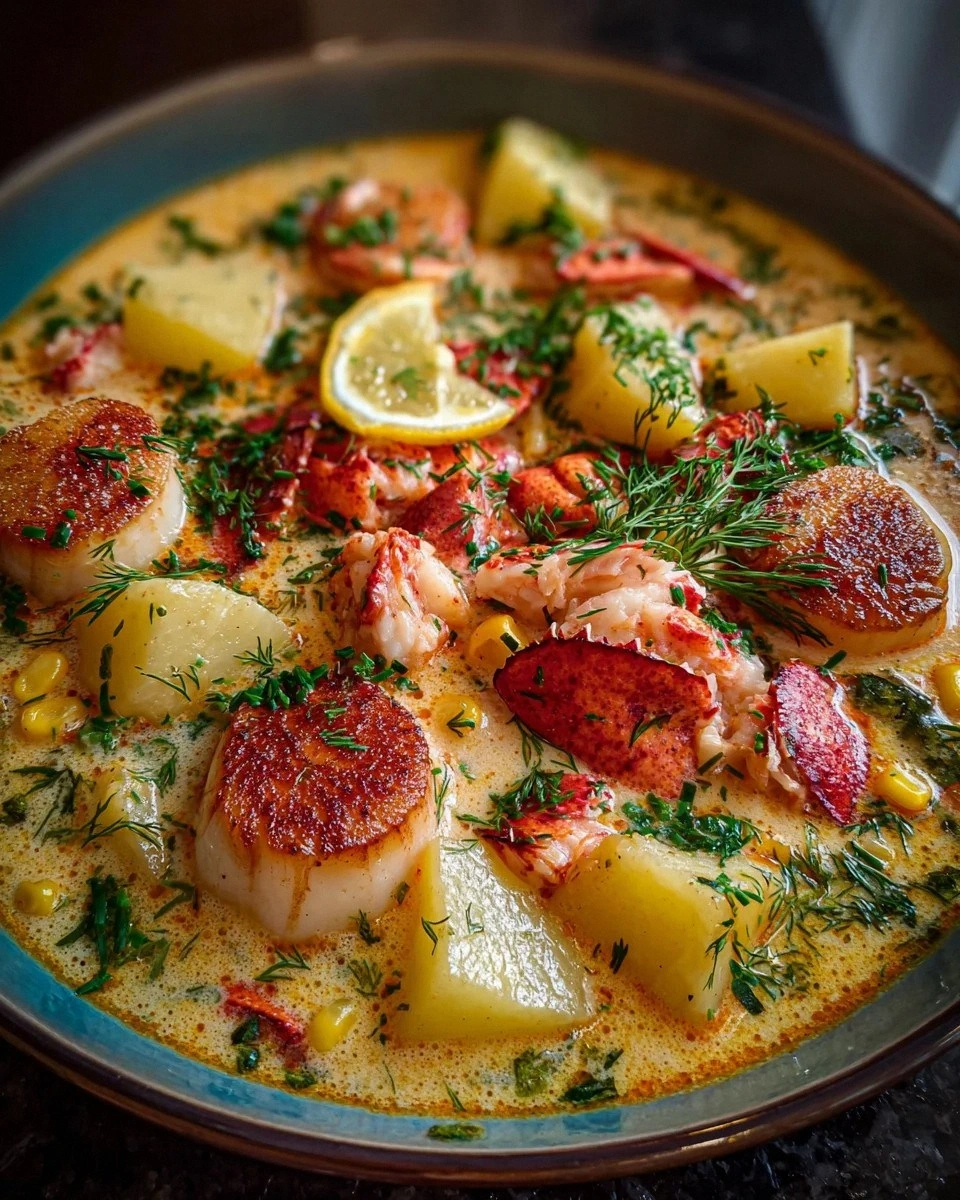
Watch Out: If you add the cream too early, it can curdle. Keep the heat low and add it at the very end.Add the shrimp and lobster meat to the pan, tossing gently to coat them in the sauce. Cook for 2‑3 minutes, just until the shrimp turn pink and the lobster meat is heated through. Overcooking will make the shrimp rubbery, so keep a close eye – the moment they curl, they’re done.
Now pour in one cup of heavy cream, stirring constantly. The sauce will thicken instantly, becoming a luscious, velvety river that clings to the seafood and steak alike. Let it simmer for another minute, then taste and adjust salt and pepper if needed. If the sauce feels too thick, add a splash of water or extra clam juice to reach your desired consistency.
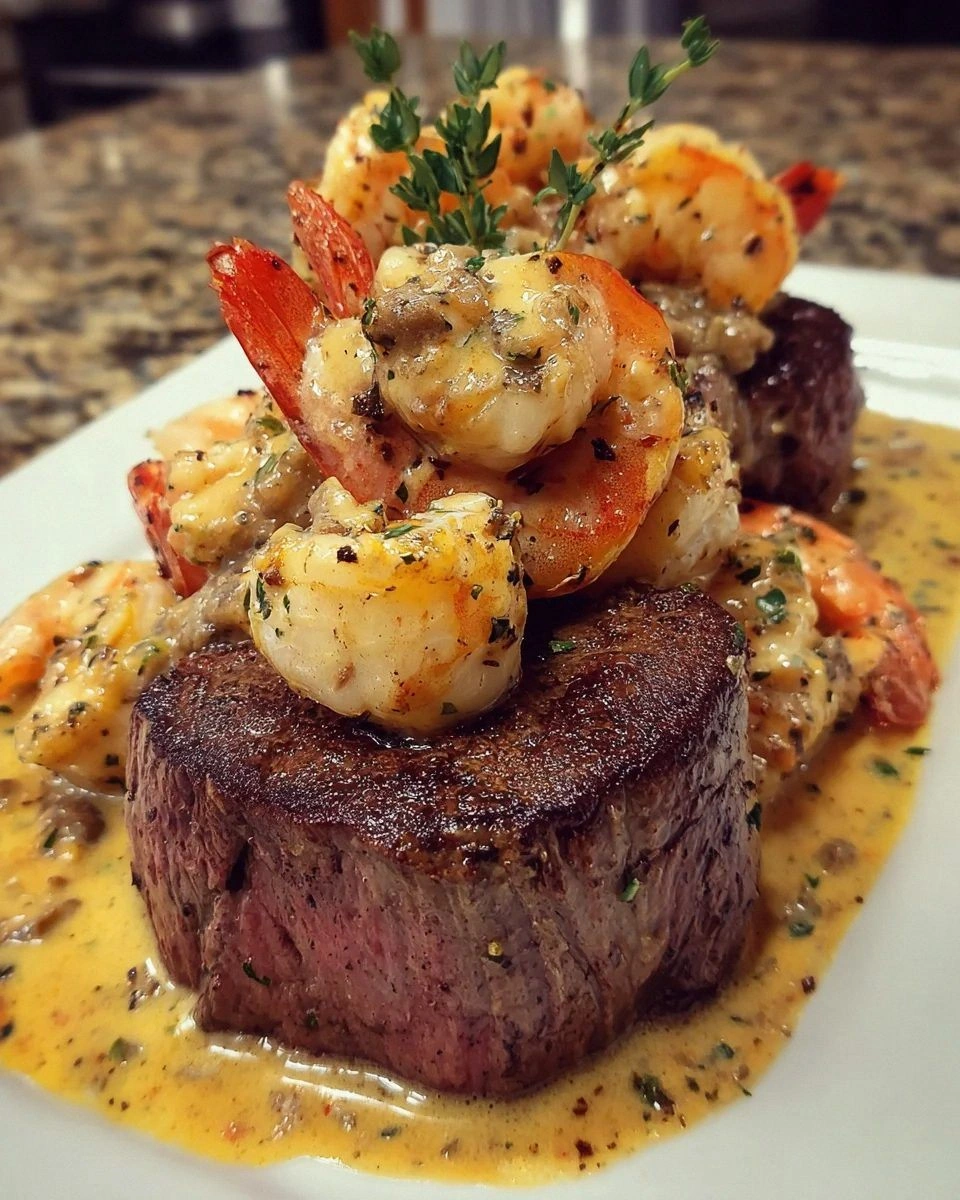
Slice the rested filet mignon against the grain into thick, elegant strips. Arrange the slices on a serving platter, then spoon the shrimp‑lobster sauce over the top, making sure each piece gets a generous coating. Garnish with a few fresh thyme leaves for color and a subtle herbal aroma.
Serve immediately with your favorite side – think creamy mashed potatoes, roasted asparagus, or a simple arugula salad dressed with lemon. The combination of buttery steak, briny seafood, and creamy sauce will have everyone reaching for seconds. And now the fun part – watch your guests' faces light up as they dig in.
Insider Tricks for Flawless Results
The Temperature Rule Nobody Follows
Always let your steak come to room temperature before cooking. This prevents the interior from staying cold while the exterior burns, guaranteeing an even pink center. I once tried to throw a cold steak straight from the fridge onto a hot pan – the result was a charred crust with a raw middle, a culinary nightmare. A ten‑minute sit on the counter does the trick, and the difference is night and day.
Why Your Nose Knows Best
Your sense of smell is the most reliable indicator of doneness for the sauce. When the wine reduction smells like a subtle vineyard breeze and the clam juice adds a briny whisper, you’re ready to add the cream. If the aroma turns flat or overly acidic, let it reduce a bit longer. Trusting your nose prevents a sauce that’s either too sharp or too bland.
The 5‑Minute Rest That Changes Everything
Resting the steak isn’t optional; it’s essential. During the rest, the muscle fibers relax and re‑absorb juices that would otherwise spill onto the plate. Skipping this step results in a dry bite, and you’ll hear the collective sigh of disappointment from your diners. A five‑minute rest under foil is all it takes to keep the meat buttery.
Butter Basting Mastery
When you add butter and thyme after flipping the steak, continuously spoon the foamy butter over the meat. This technique, called “arroser,” infuses the steak with flavor while keeping it moist. I once tried to skip the basting because I was in a hurry; the steak turned out flat and missed that luxurious mouthfeel. Take the extra few seconds – it’s worth it.
Sauce Consistency Control
If your sauce thickens too quickly, lower the heat and add a splash of water, broth, or more clam juice. Conversely, if it’s too thin, let it simmer uncovered for a minute or two. The key is to keep the sauce moving; a stagnant sauce can separate. This little adjustment keeps the sauce glossy and clingy, coating every bite like velvet.
Seafood Timing Precision
Shrimp and lobster cook in a flash. Overcooking them turns the shrimp rubbery and the lobster tough. Add them just before the cream, and you’ll get that perfect snap. I once left the shrimp in the pan for an extra minute, and the whole dish suffered – the shrimp turned into chewy chew‑chew. Timing is everything.
Creative Twists and Variations
This recipe is a playground. Here are some of my favorite ways to switch things up:
Spicy Cajun Kick
Swap the smoked paprika for a Cajun seasoning blend and add a pinch of cayenne. The heat will contrast beautifully with the buttery sauce, giving the dish a Southern flair that’s perfect for those who love a little fire.
Herb‑Infused Elegance
Replace thyme with fresh tarragon and add a splash of lemon zest to the sauce. The bright citrus note lifts the richness, making the dish feel lighter and more spring‑like.
Mushroom Medley
Add a cup of sliced cremini or shiitake mushrooms when you deglaze with wine. The mushrooms absorb the wine’s depth and contribute an earthy umami that pairs wonderfully with both steak and seafood.
Asian Fusion
Swap the clam juice for a splash of soy sauce and a drizzle of sesame oil, and finish the sauce with a teaspoon of grated ginger. This gives the dish an umami‑rich, slightly sweet profile that’s surprisingly harmonious.
Cheesy Finish
Stir in a quarter cup of grated Parmesan or Pecorino just before serving. The cheese adds a nutty depth and a subtle salty tang that makes the sauce even more indulgent.
Storing and Bringing It Back to Life
Fridge Storage
Allow the steak and sauce to cool to room temperature, then store them in separate airtight containers. The sauce can be kept for up to three days. When reheating, gently warm the sauce over low heat, stirring occasionally, and add a splash of water or extra cream to revive its silkiness.
Freezer Friendly
Both the sauce and the cooked steak freeze well. Portion the sauce into freezer‑safe bags, flatten them for even thawing, and freeze the steaks wrapped tightly in parchment and foil. They’ll keep for up to two months. Thaw overnight in the fridge, then reheat the sauce on the stovetop and sear the steak quickly to restore the crust.
Best Reheating Method
For the ultimate reheated experience, use a skillet. Warm a teaspoon of butter, add the sauce, and let it come to a gentle simmer, adding a tiny splash of water to steam it back to perfection. Meanwhile, re‑sear the steak for 1‑2 minutes per side just to revive the crust. This method preserves texture and flavor better than a microwave.