I remember the night my kitchen turned into a smoky battlefield. I was chasing the elusive crunch of Sichuan fried pork, but the result was a soggy, bland mess that tasted like a forgotten grocery aisle. My friends stared at the greasy pan, and one of them dared me to make it again—this time, with a twist. I took the dare seriously, and after countless experiments, I finally cracked the code that turns ordinary pork into a crispy, flavor-packed masterpiece.
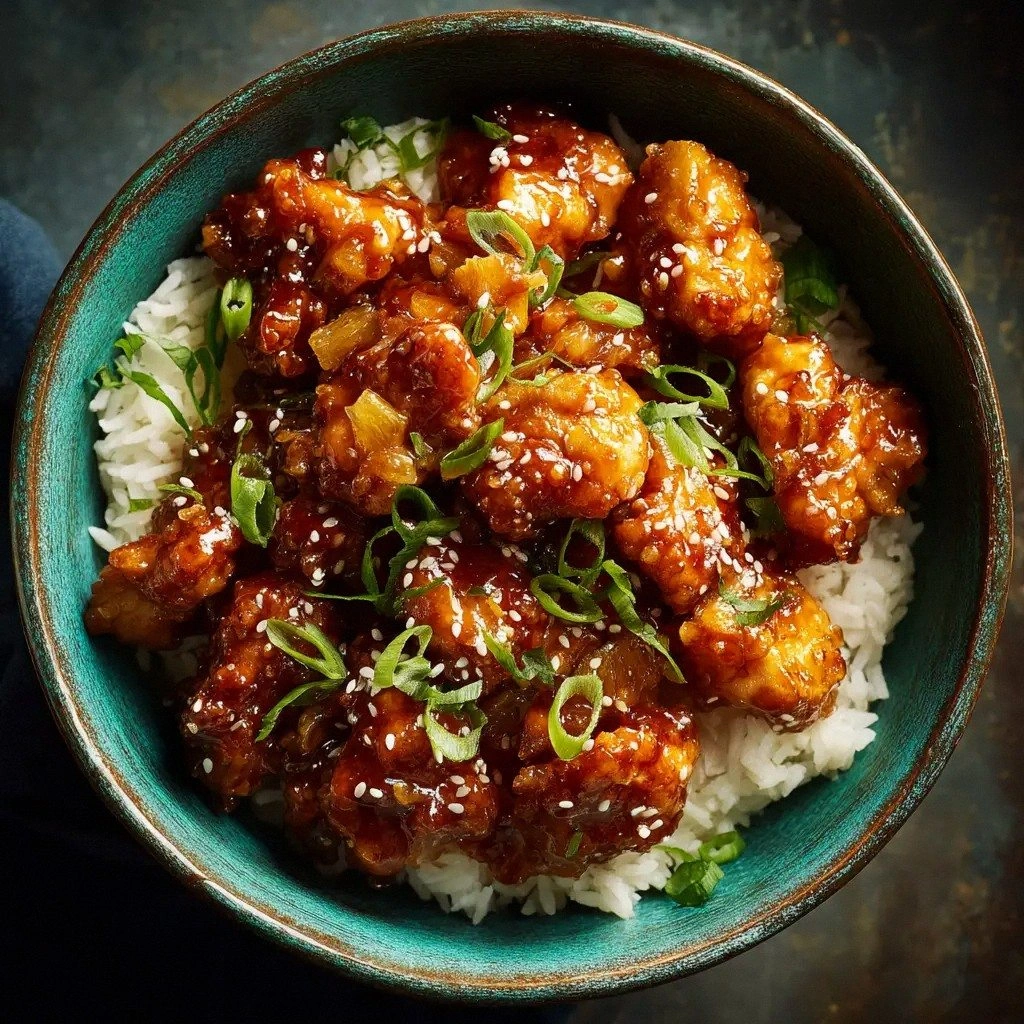
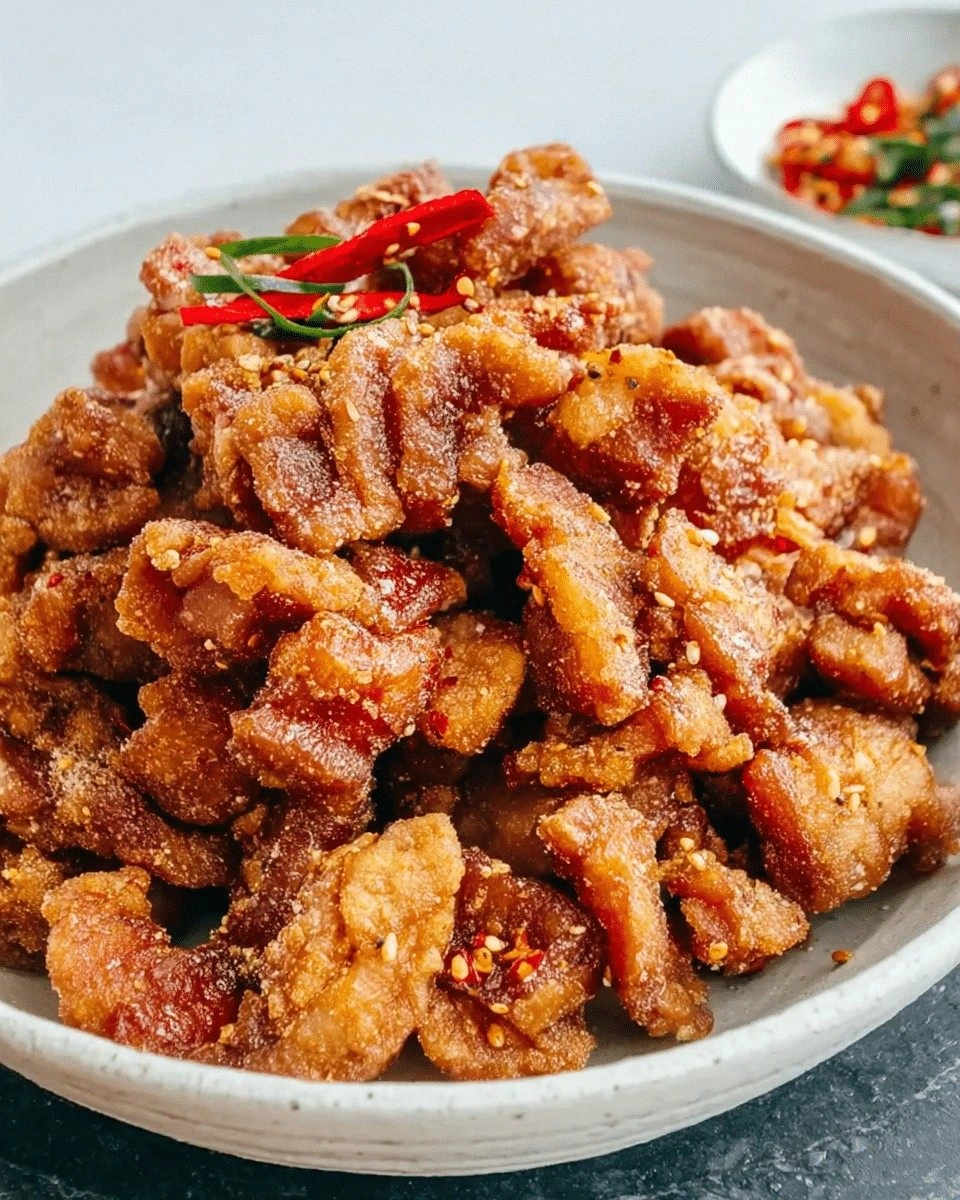
Picture this: you slice the pork into bite‑sized cubes, the air fills with the sharp aroma of Sichuan peppercorns and garlic, and then—boom!—a thunderous sizzle as the pieces hit the hot oil, sealing in juices and creating a golden crust that crackles like dry leaves in autumn. The moment the first bite lands on your tongue, the peppercorn’s numbing heat dances with the sweet umami of soy and the fiery kick of doubanjiang, while the crunchy exterior gives way to a tender, melt‑in‑your‑mouth interior. That sensory explosion is what makes this dish a culinary revelation.
What sets this version apart is that it’s not just about crispy texture; it’s a symphony of flavors that each bite delivers. The secret lies in a delicate balance between the savory, the spicy, the aromatic, and the subtle sweetness of the pork itself. I’ve refined the technique to ensure the crust is light, airy, and not greasy, and the sauce clings to the pork like a velvet coat. If you’ve ever tried the standard recipe and found it too heavy or lacking depth, you’ll feel a rush of excitement when you taste the final result. I dare you to taste this and not go back for seconds.
This isn’t just another fried pork recipe. It’s a hand‑crafted experience that turns a simple dinner into a moment of culinary triumph. The combination of crispy edges that shatter like thin ice, the numbing Sichuan pepper, and the smoky depth of fermented bean paste creates a dish that’s both comforting and adventurous. By the end of this guide, you’ll wonder how you ever cooked pork at all. Let me walk you through every single step — by the end, you’ll wonder how you ever made it any other way.
What Makes This Version Stand Out
- Texture: The pork achieves a light, airy crust that crackles with each bite, unlike the dense, greasy shells of many fried pork dishes. This is achieved through a precise batter ratio and double‑frying technique.
- Flavor Depth: Doubanjiang, Sichuan peppercorns, and Shaoxing wine combine to create a complex umami profile that feels both familiar and boldly exotic.
- Heat Management: The peppercorn’s numbing effect balances the heat from the chili paste, preventing the dish from becoming overwhelming.
- Time Efficiency: Although the method sounds elaborate, the entire process takes less than an hour, making it perfect for busy weeknights.
- Make‑Ahead Friendly: The pork can be marinated and fried in advance; reheating restores crispness without sacrificing flavor.
- Versatility: The dish can be served as an appetizer, a main course, or a side, adapting to any menu you’re curating.
- Ingredient Quality: Using fresh Sichuan peppercorns and high‑quality bean paste elevates the dish far beyond its pantry‑based counterparts.
- Audience Impact: Guests are often stunned by the contrast of textures and the subtle heat, making this a crowd‑pleaser at parties and family dinners alike.
Alright, let’s break down exactly what goes into this masterpiece…
Inside the Ingredient List
The Flavor Base
At the heart of this dish lies a simple yet powerful sauce that marries soy sauce, Shaoxing wine, and a splash of water. Soy sauce provides the salty backbone, while Shaoxing wine adds a mellow, caramelized sweetness that balances the heat. A thin layer of water keeps the sauce from thickening too quickly, allowing it to coat the pork without making the batter soggy. If you skip the wine, the dish loses a layer of depth; the pork will taste flat and the sauce will be too sharp.
The Texture Crew
Cornstarch and all‑purpose flour form the duo responsible for the signature crunch. Cornstarch absorbs moisture and creates a light, airy shell, whereas flour adds structure and stability. Together, they produce a batter that’s thin enough to fry quickly yet thick enough to hold the pork’s shape. If you omit cornstarch, the crust becomes dense and heavy; if you omit flour, the batter will fall apart during frying.
The Unexpected Star
Sichuan peppercorns are the unsung hero that gives this dish its signature numbing heat. Ground peppercorns release a citrusy, floral aroma and a tingling sensation that lingers on the palate. They are essential for achieving the authentic Sichuan flavor profile; without them, the dish feels like a generic spicy fried pork. If you can’t find peppercorns, try a pinch of white pepper for a milder effect, but you’ll miss the unique numbing sensation.
The Final Flourish
A dash of sesame oil at the end of cooking adds a subtle nutty aroma that rounds out the dish. The oil also helps the sauce adhere to the pork, creating a glossy finish. Some variations call for a touch of honey or brown sugar, but in this version we keep the flavor profile clean and focused. If you prefer a sweeter note, add a teaspoon of honey to the sauce before frying.
Everything's prepped? Good. Let's get into the real action…
The Method — Step by Step
- Marinate the Pork: In a bowl, combine the pork cubes with soy sauce, Shaoxing wine, minced garlic, minced ginger, and a pinch of salt. Toss until each piece is evenly coated. Cover and refrigerate for at least 30 minutes—ideally 2 hours—to allow the flavors to penetrate the meat. This step ensures the pork stays juicy during frying. If you’re short on time, a quick 15‑minute marination still delivers great results, but the depth of flavor will be slightly less pronounced.
- Prepare the Batter: In a separate bowl, whisk together the cornstarch, all‑purpose flour, a pinch of salt, and a splash of water until the mixture is smooth and free of lumps. The batter should be thin enough to coat the pork lightly but thick enough to hold the pieces together. A well‑mixed batter is the foundation for a crisp, uniform crust. If the batter is too thick, the pork will be heavy; if too thin, it will fall apart.
- Heat the Oil: Pour enough vegetable oil into a deep skillet to cover the pork pieces by at least 1.5 inches. Heat the oil over medium‑high heat until a small drop of batter sizzles upon contact—around 180°C (350°F). Test the temperature by dropping a pinch of batter; it should bubble rapidly and rise to the surface within seconds. Proper oil temperature is critical; too low, and the pork will absorb oil and become soggy; too high, and the batter will burn before the pork cooks through.
- Batter the Pork: Remove the marinated pork from the bowl, letting excess liquid drip off, then coat each piece in the batter. Shake off any excess, ensuring a thin, even layer. This step is where the magic begins—the batter will form a crisp shell when it hits the hot oil. Be careful not to overload the pan; fry in batches if necessary to maintain the oil temperature.
- First Fry: Carefully lower the battered pork into the hot oil. Fry for 3–4 minutes or until the surface turns golden and the edges start to pull away. Flip once to ensure even browning. This initial fry cooks the pork through while setting the outer crust. Do not rush; let the pork develop a deep color—it’s a sign of proper caramelization.
- Drain and Cool: Transfer the fried pork to a wire rack set over a baking sheet to drain excess oil. Let it rest for 2 minutes; this step allows steam to escape, preventing the crust from becoming soggy. While the pork rests, bring a small saucepan to a gentle simmer to prepare the sauce.
- Second Fry (Optional for Extra Crispness): Return the pork to the oil for a quick second fry of 30 seconds. This double‑fry technique creates an ultra‑crisp exterior while preserving the pork’s juiciness. If you’re short on time, you can skip this step, but the texture will be noticeably softer.
- Finish with Sauce: In the saucepan, combine doubanjiang, Sichuan peppercorns, a splash of water, and a drizzle of sesame oil. Simmer for 2 minutes, stirring constantly, until the sauce thickens slightly and the peppercorns release their aroma. Toss the fried pork in the sauce until fully coated, then transfer to a serving dish. The sauce should cling to the pork like velvet, adding a burst of flavor with every bite.
- Garnish and Serve: Sprinkle sliced scallions over the finished dish for a bright, fresh contrast. Serve immediately while the pork is still warm and crispy. Pair with steamed jasmine rice or a simple cucumber salad to balance the heat. If you’re hosting a dinner party, present the pork in a shallow bowl with the sauce drizzled on top for an elegant touch.
That's it — you did it. But hold on, I've got a few more tricks that'll take this to another level…
Insider Tricks for Flawless Results
The Temperature Rule Nobody Follows
Oil temperature is the secret weapon of every crispy fried dish. Use a deep‑fry thermometer to keep the oil between 175°C and 185°C. If the oil is too hot, the batter will burn before the pork cooks; too cool, and the pork will absorb excess oil. A quick test is to drop a small spoonful of batter into the oil—if it sizzles and rises to the surface within 2–3 seconds, you’re in the sweet spot.
Why Your Nose Knows Best
Before you start frying, inhale the aroma of the Sichuan peppercorns and doubanjiang. The smell is a reliable indicator of freshness; if it’s flat or metallic, you’re likely using old spices that will underperform. Fresh spices deliver a brighter, more complex flavor that elevates the entire dish.
The 5‑Minute Rest That Changes Everything
After the first fry, let the pork rest for exactly 5 minutes. This pause allows steam to escape and the crust to set, preventing a soggy center. I once rushed this step and ended up with a greasy mess that tasted like a fried donut. The 5‑minute rest is small, but it makes the difference between a good dish and a great one.
The Quick‑Dry Technique
Pat the pork dry with paper towels before battering. Excess moisture causes the batter to bubble and splatter, and it also reduces crispness. I swear by this simple step; it saves you from a kitchen disaster and keeps the oil temperature steady.
The Double‑Fry Secret
If you have the time, give the pork a second quick fry. This second pass crisps the exterior to a golden perfection while keeping the interior tender. I’ve seen people skip this step and lose a layer of crunch—don’t be that person.
The Final Toss
After tossing the pork in the sauce, let it sit for 30 seconds before serving. This brief rest allows the sauce to thicken slightly and coat the pork evenly. The result is a glossy, flavorful finish that looks as good as it tastes.
Creative Twists and Variations
This recipe is a playground. Here are some of my favorite ways to switch things up:
The Sweet Heat Edition
Add a tablespoon of honey to the sauce for a subtle caramel sweetness that balances the Sichuan pepper’s numbing bite. This variation is perfect for those who enjoy a touch of dessert‑like warmth. The honey also helps the sauce thicken, giving the pork a glossy glaze.
The Veggie Boost
Stir in thinly sliced bell peppers and bamboo shoots during the final toss. The crunch of the vegetables adds a new texture layer, and their mild flavor complements the spicy pork without competing. This version works great as a family‑friendly dish.
The Smoky Twist
Swap the doubanjiang for a smoky chili paste or add a pinch of smoked paprika to the batter. The result is a deeper, richer flavor profile that pairs wonderfully with grilled meats or roasted vegetables.
The Keto Friendly
Replace all‑purpose flour with almond flour and use coconut oil instead of vegetable oil for frying. This keeps the dish low‑carb while preserving the crispness and flavor. Keto diners will love the buttery, nutty undertone from the almond flour.
The Asian Fusion
Serve the pork over ramen noodles, drizzle with a soy‑based sauce, and top with a soft‑boiled egg. This fusion twist turns the dish into a hearty, comforting bowl that’s perfect for a chilly evening. The noodles soak up the sauce, creating a satisfying bite.
The Lemon Zest Surprise
Sprinkle fresh lemon zest over the finished pork for a bright, citrusy contrast that cuts through the richness. The zest also adds a subtle aromatic layer that elevates the dish to a gourmet level. This variation is ideal for summer gatherings.
Storing and Bringing It Back to Life
Fridge Storage
Store the cooked pork in an airtight container in the refrigerator for up to 3 days. The crispy exterior may soften slightly, but the flavor remains robust. To preserve the crunch, keep the pork on a wire rack before sealing the container.
Freezer Friendly
Freeze the pork in a single layer on a parchment‑lined tray before transferring to a freezer bag. This prevents the pieces from sticking together. The dish stays fresh for up to 2 months. When ready to serve, thaw overnight in the refrigerator.
Best Reheating Method
Reheat in a hot skillet over medium heat, adding a splash of water to create steam. This technique restores the pork’s crispness while keeping the interior moist. Alternatively, use a convection oven at 200°C (400°F) for 5–7 minutes, which also brings back the crunch.