I was standing in my kitchen, staring at a half‑baked focaccia that looked more like a sad, flat pancake than the golden, airy masterpiece I’d promised my friends. The timer had gone off, the smoke alarm was humming, and I could swear the dough was plotting a rebellion. In that chaotic moment I thought, “What if I could mash the comforting, sauce‑soaked heart of shakshouka right into the dough itself?” The idea was half‑mad, half‑genius, and totally irresistible. I grabbed a skillet, tossed in some tomatoes, peppers, and a splash of olive oil, and before I knew it I was creating a hybrid that would forever change my brunch game.
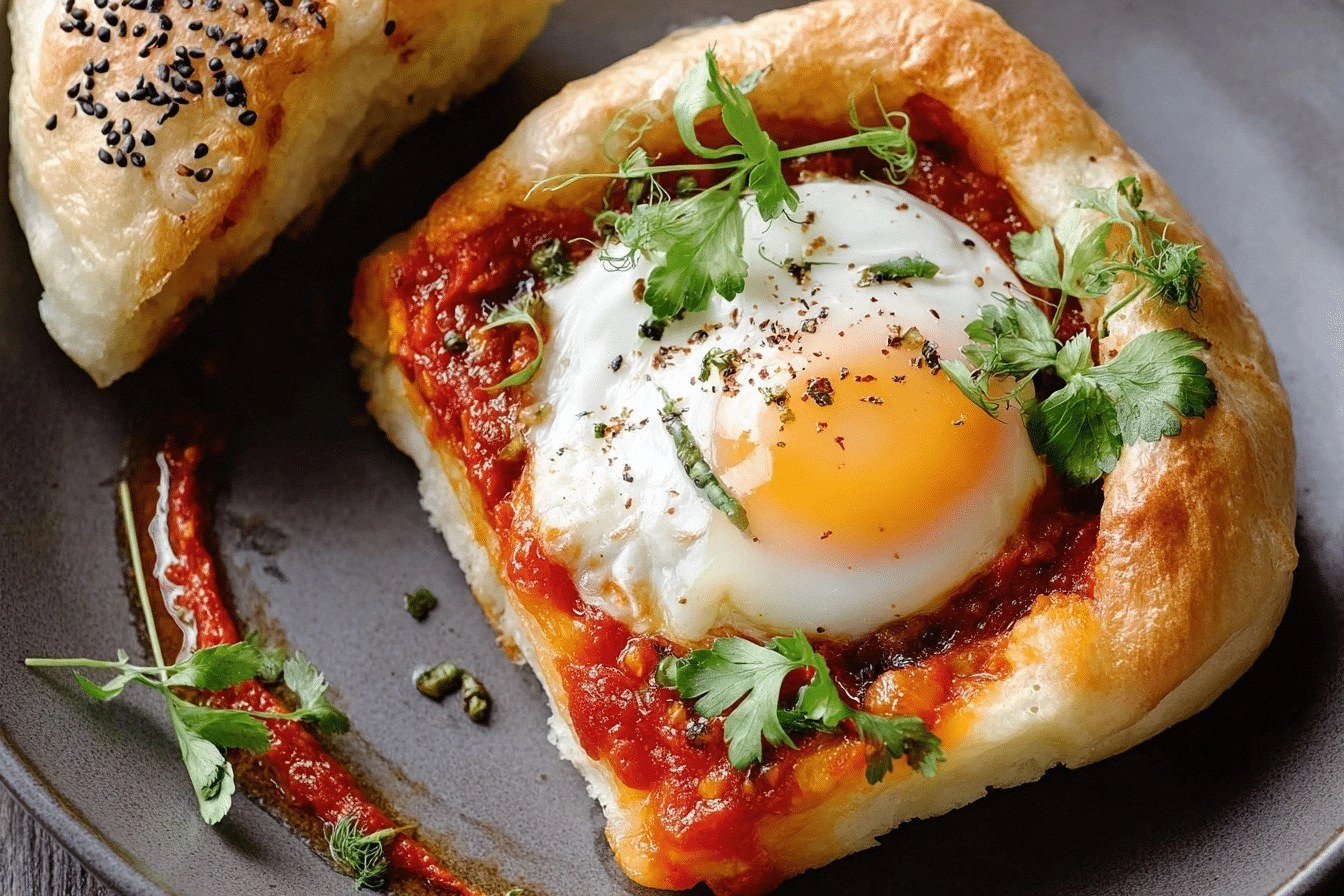
Picture this: the kitchen filled with the scent of cumin and paprika, the sizzling sound of garlic hitting hot oil like a tiny fireworks show, and the soft, yeasty breath of dough rising in the oven. The first bite is a symphony—crisp, olive‑oil‑kissed edges that shatter like thin ice, a fluffy interior that feels like a cloud, and a molten, tomato‑pepper sauce that coats every crumb like velvet. The eggs sit on top, their yolks breaking open to create a silky river that runs through the bread, turning each forkful into a glossy, savory masterpiece.
Most shakshouka recipes treat the sauce as a separate dish, and most focaccia recipes keep the dough plain. I’ve seen countless attempts that either drown the bread in sauce or leave it dry and bland. This version, however, marries the two in a way that feels like culinary alchemy. The secret? A thin layer of pre‑baked dough that acts like a canvas, then a generous slather of shakshouka that seeps into every pocket, followed by a final bake that locks in moisture while giving the crust a caramelized crunch.
I’m about to spill the beans on a technique most home cooks overlook: a quick “oven‑steam” blast that turns the focaccia’s interior into a pillow‑soft, almost brioche‑like texture while preserving the sauce’s bright acidity. I dare you to taste this and not go back for seconds—seriously, it’s that good. Let me walk you through every single step — by the end, you’ll wonder how you ever made it any other way.
What Makes This Version Stand Out
- Flavor Fusion: The marriage of tangy tomato‑pepper sauce with the buttery, yeasty dough creates a taste profile that’s simultaneously bright and comforting, like sunshine in a loaf.
- Texture Contrast: You get crisp, caramelized edges that crack under your fork, while the center stays pillowy and moist, a true textural duet.
- Simplicity Meets Sophistication: Despite the bold flavors, the ingredient list is straightforward, and the technique only adds a couple of extra minutes.
- Unique Presentation: Serving it straight from the pan looks rustic yet refined, making it perfect for brunch tables or casual dinner parties.
- Crowd Reaction: Expect the “what is this?!” gasp followed by an immediate request for the recipe—yes, it’s that impressive.
- Ingredient Quality: Using ripe, sun‑kissed tomatoes and fresh herbs elevates the dish from good to unforgettable.
- One‑Pan Cooking: No extra baking sheets or pans—everything happens in the same vessel, cutting down on cleanup.
- Make‑Ahead Potential: The dough can be prepared a day ahead, and the sauce freezes beautifully, giving you a ready‑to‑bake meal on a lazy weekend.
Inside the Ingredient List
The Flavor Base
Tomatoes are the heart of shakshouka, bringing acidity and natural sweetness that balances the richness of olive oil and eggs. Use plum or Roma tomatoes for less water content, which keeps the sauce thick and clinging to the dough. If you skip them, you’ll lose that bright, sun‑kissed flavor that makes the dish sing. A quick tip: roast the tomatoes for 10 minutes before dicing—they’ll develop a caramelized depth that’s pure magic.
Bell peppers add a subtle sweetness and a pop of color that makes the dish visually appealing. Red peppers are sweeter, while green peppers bring a slight bitterness that cuts through the richness. If you’re allergic or just not a fan, substitute with diced zucchini, but expect a milder flavor profile.
The Texture Crew
All‑Purpose Flour is the structural backbone of the focaccia. It provides the gluten network that traps the steam, giving the bread its lofty rise. Opt for a high‑protein flour (around 12% protein) if you want an even more airy crumb. Skipping the flour or using cake flour will result in a dense, cake‑like texture that defeats the purpose.
Olive Oil is the secret sauce of any good focaccia. It enriches the dough, adds flavor, and helps achieve that golden crust. Use extra‑virgin for the best aroma, but if you’re on a budget, a mild olive oil works just as well. A drizzle on top before baking creates those signature blistered pockets.
The Unexpected Star
Eggs sit on top of the sauce just before the final bake, turning the whole thing into a savory “egg‑in‑bread” experience. The yolk runs like molten gold, binding the sauce to the crumb. If you prefer a firmer texture, bake the eggs a minute longer; for a runnier center, pull the focaccia out right when the whites set.
Fresh Herbs—cilantro or parsley—are the final garnish that adds a burst of freshness. Parsley offers a clean, grassy note, while cilantro adds citrusy brightness. If you’re not a fan of either, a sprinkle of fresh mint can add an unexpected twist.
The Final Flourish
Spices—cumin, paprika, and chili powder—create the signature smoky, slightly spicy backbone of shakshouka. Cumin adds earthiness, paprika contributes a sweet, smoky depth, and chili powder brings a gentle heat that awakens the palate. If you love heat, crank up the chili; if you prefer mild, halve it and add a pinch of smoked salt for complexity.
Salt is the unsung hero that amplifies every flavor. A pinch too much can drown the dish, while too little leaves it flat. I always taste the sauce before adding the final dash, adjusting to my personal preference. Remember, the dough also contains salt, so be mindful of the total amount.
Everything's prepped? Good. Let’s get into the real action…
The Method — Step by Step
Start by activating the yeast: combine 3/4 cup warm water (110°F/43°C) with 1 tsp active dry yeast in a small bowl. Let it sit for 5‑7 minutes until it becomes frothy, like a tiny cloud of bubbles. This is the moment of truth—if it doesn’t foam, your yeast is dead and you’ll need fresh packets. Once bubbly, give it a gentle stir and set aside.
In a large mixing bowl, whisk together 2 cups all‑purpose flour, 1 tsp salt, and the frothy yeast mixture. Drizzle in 2 tbsp olive oil and start mixing with a wooden spoon until a shaggy dough forms. The dough should feel slightly sticky but manageable; if it’s too dry, add a splash of water, if too wet, sprinkle a tablespoon of flour.
Transfer the dough to a lightly floured surface and knead for about 8 minutes, or until it becomes smooth and elastic. This is where the gluten develops, giving the focaccia its airy lift. If you have a stand mixer, use the dough hook on medium speed for 5 minutes—your hands will thank you later.
Shape the dough into a ball, lightly coat it with a teaspoon of olive oil, and place it in a clean bowl. Cover with plastic wrap and let it rise in a warm spot for 1 hour, or until it doubles in size. The kitchen should smell faintly yeasty, like fresh bread at a bakery. Power transition: While the dough rises, we’ll tackle the shakshouka sauce.
Heat 2 tbsp olive oil in a large skillet over medium heat. Add 1 finely chopped onion and sauté until translucent, about 3 minutes. Toss in 3 minced garlic cloves and let them sizzle for 30 seconds—watch out, they can burn fast.
Stir in 1 cup diced bell peppers and cook for another 4 minutes, letting them soften and release their juices. Sprinkle in 1 tsp each of cumin, paprika, and chili powder, stirring constantly to toast the spices. The kitchen will fill with an intoxicating aroma that’s both earthy and smoky.
Add 2 cups diced tomatoes (preferably roasted beforehand) and season with 1 tsp salt. Reduce the heat to low and let the mixture simmer for 10‑12 minutes, stirring occasionally. The sauce should thicken to a jam‑like consistency, coating the back of a spoon. That sizzle when it hits the pan? Absolute perfection.
Preheat your oven to 425°F (220°C) with a cast‑iron skillet or baking sheet inside, allowing it to get scorching hot. This high heat will give the focaccia that dramatic rise and blistered crust.
Once the dough has doubled, gently deflate it and press it onto a parchment‑lined baking sheet (or directly onto the hot skillet if you’re feeling daring). Drizzle a little olive oil over the surface and use your fingertips to create dimples across the top—these pockets will hold the sauce beautifully.
Spread the prepared shakshouka sauce evenly over the dough, leaving a thin border around the edges. Crack 4 large eggs on top, spacing them out evenly. The yolks should sit in the sauce, ready to burst when you cut into them.
Slide the pan into the oven and bake for 15‑18 minutes, or until the crust is deep golden and the egg whites are set while the yolks remain runny. The edges will start pulling away from the pan, a visual cue that the focaccia is ready to be lifted.
Remove from the oven and immediately scatter 1/4 cup chopped fresh herbs over the hot surface. The residual heat will wilt the herbs just enough to release their aroma without losing their bright color.
Let the focaccia rest for 5 minutes before slicing. This short pause allows the sauce to settle, preventing it from spilling everywhere when you cut. Serve warm, and watch as the yolk runs like liquid sunshine across the bread.
That's it — you did it. But hold on, I've got a few more tricks that'll take this to another level. Trust me, the next section is pure magic.
Insider Tricks for Flawless Results
The Temperature Rule Nobody Follows
Never bake focaccia at a lukewarm temperature. The high heat (425°F) creates rapid steam, inflating the dough like a balloon. If you lower the temp to 350°F, the dough expands slowly, resulting in a denser crumb. I once tried a “gentle bake” because I was in a rush; the result was a soggy disappointment. Keep that oven screaming hot, and you’ll get those glorious blistered pockets every time.
Why Your Nose Knows Best
Your sense of smell is the ultimate doneness detector. When the sauce simmers, you’ll notice a sweet, caramelized aroma that tells you the tomatoes have reduced properly. Similarly, the moment the focaccia hits the oven, the kitchen fills with a toasty, nutty scent—if you smell it, the crust is on its way to perfection. Trust that nose; it’s more reliable than a timer.
The 5‑Minute Rest That Changes Everything
After the focaccia comes out of the oven, let it rest for exactly five minutes before slicing. This pause lets the steam redistribute, preventing the sauce from sloshing out and keeping the crumb tender. I once sliced immediately and ended up with a soggy mess—lesson learned. Set a timer, grab a coffee, and enjoy the anticipation.
The Olive Oil Drizzle Secret
A light drizzle of high‑quality extra‑virgin olive oil just before serving adds a glossy finish and a burst of fruitiness. It also helps the herbs cling to the surface. I experimented with flavored oils (rosemary‑infused) and found they add a subtle herbaceous note without overwhelming the dish.
The Egg Placement Strategy
Space the eggs evenly and place them slightly off-center. This ensures each slice gets a perfect portion of yolk. If you cluster them, some guests will get yolk‑free slices while others drown in runny gold. A friend tried stacking the eggs once—let’s just say the mess was legendary.
Creative Twists and Variations
This recipe is a playground. Here are some of my favorite ways to switch things up:
Spicy Harissa Kick
Swap the chili powder for 1 tablespoon of North African harissa paste. The deep, smoky heat will transform the dish into a bold, exotic experience that pairs wonderfully with a cool yogurt drizzle.
Cheesy Overload
Stir ½ cup crumbled feta into the shakshouka sauce before spreading it on the dough. The salty tang of feta adds a creamy dimension that melts slightly during baking, creating pockets of gooey goodness.
Mediterranean Veggie Medley
Add sliced olives, artichoke hearts, and sun‑dried tomatoes to the sauce. This brings a briny, umami‑rich layer that complements the sweet peppers and makes the focaccia feel like a Mediterranean feast.
Vegan Version
Replace the eggs with tofu “scramble” or a thick layer of chickpea flour batter seasoned with turmeric. Use plant‑based yogurt as a topping after baking for a creamy finish. The texture changes, but the flavor profile stays true.
Herb‑Infused Dough
Incorporate 1 tablespoon of dried oregano or rosemary into the dough itself. This subtle infusion adds an aromatic background note that elevates the overall flavor without overpowering the shakshouka.
Storing and Bringing It Back to Life
Fridge Storage
Allow the focaccia to cool completely, then wrap it tightly in parchment followed by aluminum foil. Store in the refrigerator for up to 3 days. The sauce may thicken, but reheating will revive its moisture.
Freezer Friendly
Slice the cooled focaccia into individual portions, place each slice on a baking sheet, and freeze until solid. Transfer the frozen slices to a zip‑top bag. They keep for up to 2 months. When ready, bake directly from frozen at 350°F for 12‑15 minutes.
Best Reheating Method
Preheat a skillet over medium heat, add a tiny splash of water to the pan, and cover with a lid. The steam revives the crumb while the bottom crisps up. Alternatively, a quick 5‑minute blast in a 375°F oven works well, but the skillet method preserves the sauce’s juiciness better.