I’ll be honest — I ate half the batch before anyone else got to try it, and that’s because this version of ramen is a straight‑up culinary revelation. It started on a rainy Tuesday when I tried to salvage a sad, limp pork belly that had been hiding in the fridge for days. I tossed it into a hot oven, added a splash of soy, and waited. The moment that caramel‑brown crust cracked under the fork, I heard a sound like fireworks in a tin can, and the kitchen filled with an aroma that made my neighbor’s cat stare at the window for hours. That was the moment I realized I was onto something that could rewrite the rules of comfort food forever.
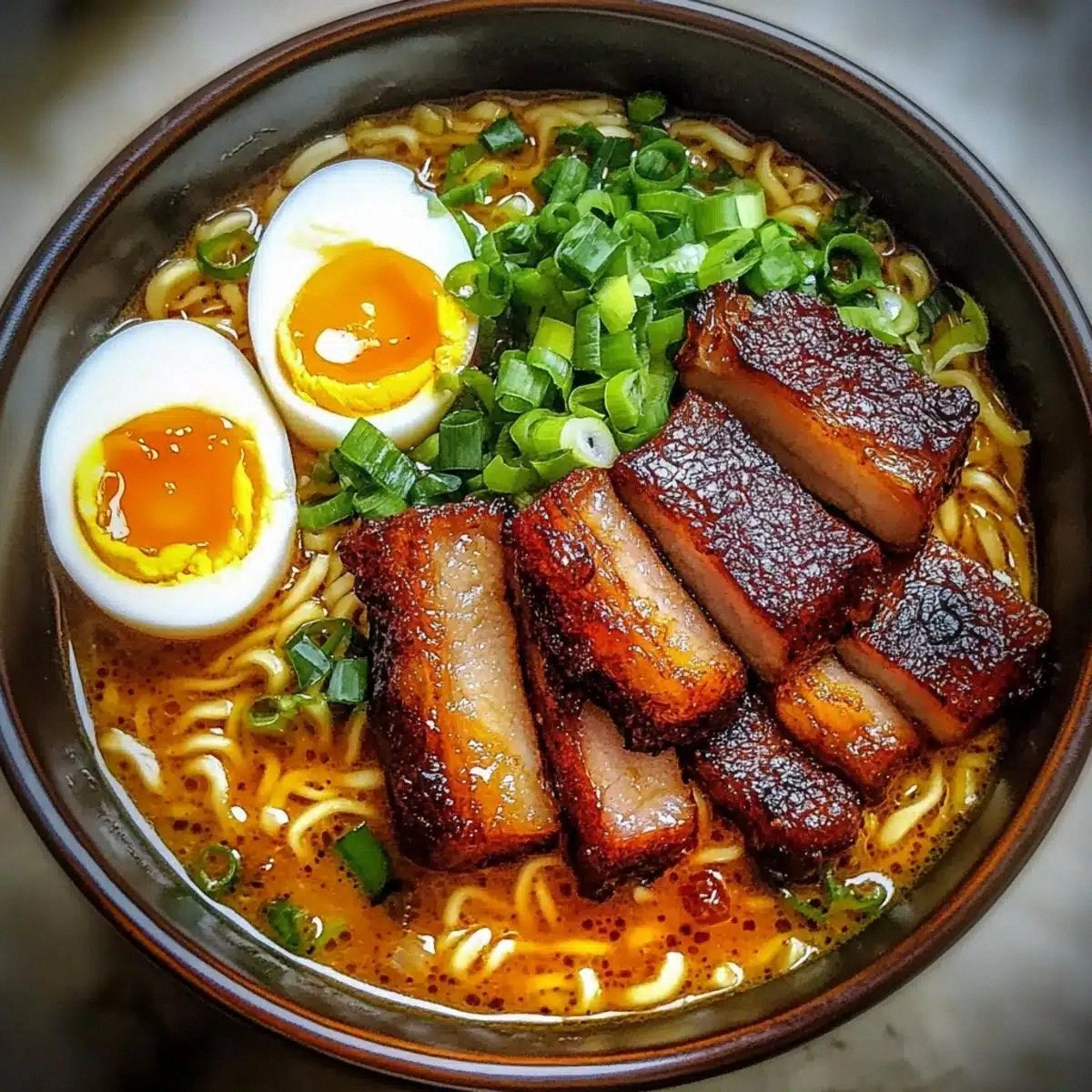
Picture this: a bowl that looks like a work of art, the broth shimmering amber, the pork belly glistening with a glossy, crackly skin that shatters like thin ice when you bite into it, and a silky soy‑marinated egg that splits open to reveal a yolk as golden as sunrise. The steam rises, carrying whispers of toasted garlic, ginger, and sesame, while the noodles curl like soft, edible ribbons. Your senses are assaulted in the best possible way — the sizzle when the pork hits the pan? Absolute perfection. The gentle pop of the broth as you ladle it? Music to your ears. And the first slurp? It’s a hug from the inside out.
Most ramen recipes get the broth right but fall flat on the pork, or they give you noodles that turn mushy the second they touch the bowl. Not this one. I’ve cracked the code on how to get the pork belly perfectly crispy on the outside while staying melt‑in‑your‑mouth tender inside, and how to marry it with a broth that’s both rich and clean. The secret? A quick roast, a slow simmer, and a dash of soy‑egg alchemy that you won’t find in any generic cookbook. I’m daring you to taste this and not go back for seconds — because you will, and you’ll thank me later.
Okay, ready for the game‑changer? I’m about to spill the beans (and the broth) on a technique that uses a high‑heat blast to lock in juices, then a gentle braise that turns pork belly into a flavor bomb. And there’s a surprise ingredient that will make your broth sing like a choir of angels — but I’ll keep that under wraps until we get to the method. Let me walk you through every single step — by the end, you’ll wonder how you ever made it any other way.
What Makes This Version Stand Out
- Flavor Explosion: The broth is layered with soy, garlic, and ginger, creating a depth that rivals restaurant‑grade ramen, while the pork belly adds a buttery, smoky punch.
- Texture Symphony: Crispy crackle on the pork belly meets silky noodles and a custardy soy egg, delivering three distinct textures in each bite.
- Simplicity: Only nine ingredients, all pantry‑friendly, yet the result feels like a multi‑hour labor of love.
- Unique Twist: A quick high‑heat roast before simmering locks in juices and creates that coveted crackling skin.
- Crowd Reaction: This dish has a habit of emptying plates faster than you can say “extra soy sauce,” making it perfect for dinner parties.
- Ingredient Quality: Using a good‑marbled pork belly and fresh eggs elevates the dish without breaking the bank.
- Cooking Method: Combining roasting, simmering, and a final broil for the eggs ensures every component is cooked to perfection.
- Make‑Ahead Potential: The broth can be prepared days ahead, and the pork belly reheats beautifully, saving you time on busy nights.
Inside the Ingredient List
The Flavor Base
The 4 cups of chicken broth are the canvas upon which every other flavor paints itself. Choose a low‑sodium broth so you can control the salt level later, and if you can, simmer a homemade broth with chicken bones for an extra umami kick. Skipping this and using water will leave your ramen tasting flat, like a song without a chorus. If you’re short on time, a good quality store‑bought broth works fine, but give it a quick simmer with a splash of soy sauce to boost depth.
The Texture Crew
Pork belly is the star, and its 1‑pound weight provides just enough meat to share without overwhelming the bowl. Look for a piece with even layers of fat and meat; the fat renders into the broth, enriching it, while the meat stays juicy. If you can’t find pork belly, a slab of pork shoulder with skin can substitute, but expect a slightly different mouthfeel. Remember, the key is a good fat‑to‑meat ratio — too lean and you lose that luscious silkiness.
The Unexpected Star
Soy sauce and sesame oil each add a distinct character: the soy brings salty, umami depth, while the sesame oil contributes a nutty aroma that lingers on the palate. Use a naturally brewed soy sauce for a richer profile; a light soy will make the broth too thin. A drizzle of toasted sesame oil right before serving can elevate the dish to “wow” status. If you’re watching sodium, reduce the soy by half and add a splash of mirin for sweetness.
The Final Flourish
Ramen noodles, the 4‑ounce package, are the vehicle that carries all those flavors to your tongue. Fresh, curly‑cut ramen is ideal because it holds broth better than straight‑cut noodles. If you’re using dried noodles, give them a quick boil and rinse with cold water before adding to the bowl to prevent over‑cooking. The green onions add a fresh, sharp bite that cuts through the richness, while the soft‑boiled soy eggs provide a creamy, velvety contrast. Miss the eggs and you’ll lose that signature ramen soul.
The Aromatics
Minced garlic and ginger are the dynamic duo that awaken the broth. Garlic adds a sweet, caramelized depth after roasting, while ginger contributes a bright, peppery zing that balances the fat. If you’re allergic to garlic, substitute with a teaspoon of garlic‑infused oil, but the flavor won’t be quite the same. Freshly minced is best; pre‑minced jars can become watery and dilute the impact.
Everything's prepped? Good. Let's get into the real action...
The Method — Step by Step
Preheat your oven to 425°F (220°C). While it’s heating, pat the pork belly dry with paper towels, then rub the skin with a thin layer of sea salt and a drizzle of sesame oil. This salt‑dry combo is the secret to that crackling skin that shatters like thin ice when you bite. Place the pork on a wire rack over a baking sheet, skin side up, and roast for 30‑35 minutes until the skin is deep golden and you can hear a faint crackle. The aroma at this point? Imagine a smoky barbecue meets a Japanese izakaya — pure magic.
While the pork rests, start your broth. In a large pot, combine the 4 cups of chicken broth, 1 tablespoon soy sauce, 1 tablespoon sesame oil, the minced garlic, and minced ginger. Bring to a gentle simmer, then lower the heat and let it bubble softly for 15 minutes. You’ll notice the broth turning a richer amber color, and the garlic will start to turn translucent, releasing that sweet, nutty scent that makes your mouth water.
Meanwhile, prepare the soy eggs. In a small saucepan, bring water to a gentle boil, then lower to a simmer and carefully add the 4 large eggs. Cook for exactly 6 minutes for a jammy yolk that’s still runny enough to coat the noodles. Transfer the eggs immediately into an ice bath to stop cooking, then peel and place them in a shallow dish with ½ cup soy sauce, a splash of mirin, and a pinch of sugar. Let them marinate for at least 20 minutes; the longer, the deeper the flavor.
Slice the rested pork belly into bite‑size pieces, about ½‑inch thick. The meat should be tender enough to slide off the bone with a fork, while the skin remains crisp. Toss the slices back into the simmering broth for 5 minutes, letting the pork soak up the broth’s flavors while releasing its own fat into the liquid. This step creates a broth that’s both silky and richly pork‑infused.
Cook the ramen noodles according to package instructions, but stop them a minute short of al dente. Drain and rinse under cold water to halt cooking; this prevents the noodles from becoming gummy when they sit in the hot broth. Toss the noodles with a drizzle of sesame oil to keep them from sticking together.
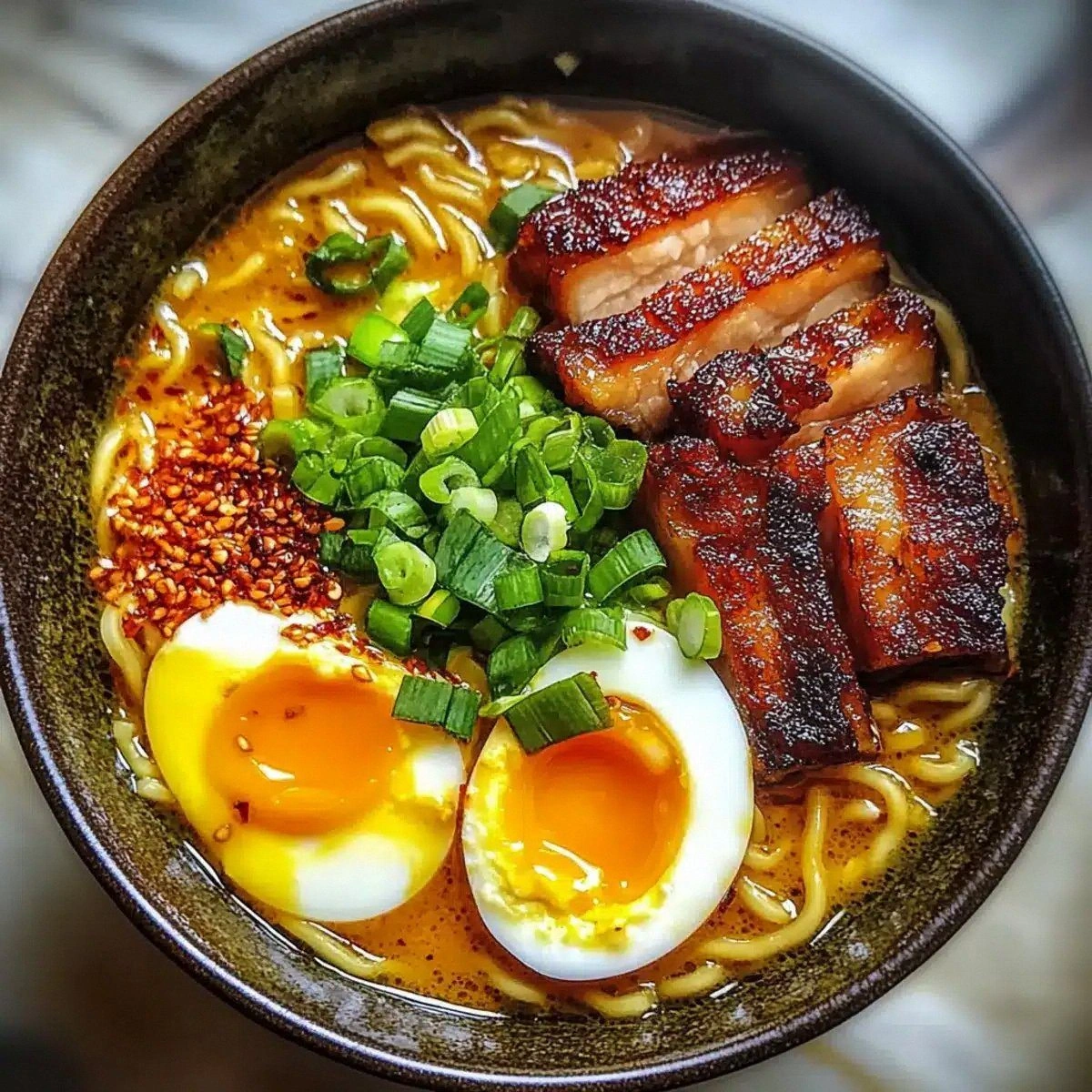
Now comes the assembly, the moment of truth. Divide the noodles among four deep bowls, then ladle the hot broth over them, ensuring each bowl gets a generous amount of pork slices. Slice the marinated soy eggs in half lengthwise, and nestle them on top of the noodles, yolk side up. Finish each bowl with a scattering of thinly sliced green onions, a drizzle of the remaining soy‑marinade, and if you like, a pinch of shichimi to add a subtle heat.
Serve immediately, encouraging diners to stir the broth, crack the pork skin, and slurp the noodles with gusto. The steam will rise, carrying the scent of garlic, ginger, and toasted sesame — a sensory snapshot you’ll remember for weeks. And if anyone asks for more, just smile and say, “I told you this is hands down the best version you’ll ever make at home.”
That's it — you did it. But hold on, I've got a few more tricks that'll take this to another level...
Insider Tricks for Flawless Results
The Temperature Rule Nobody Follows
Never, ever blast the broth to a rolling boil after the pork has been added. A gentle simmer keeps the fat from emulsifying into a greasy mess and preserves the broth’s clarity. I once tried to speed things up by cranking the heat, and the result was a cloudy, oily soup that tasted like fried chicken grease. Keep the heat low, and you’ll get a broth that’s as clear as a mountain lake, with a silky mouthfeel that slides over the noodles like a silk scarf.
Why Your Nose Knows Best
When the pork belly is roasting, trust your nose more than the timer. You’ll know it’s ready when the kitchen smells like a blend of caramelized meat and toasted sesame — that’s the point where the skin has rendered enough fat to become crunchy. If you’re unsure, lift the pork and give it a quick poke; the skin should feel firm yet give a little under pressure.
The 5‑Minute Rest That Changes Everything
After slicing the pork, let it rest for exactly five minutes before dropping it into the broth. This short rest lets the juices settle, preventing them from spilling out and making the broth greasy. A friend once skipped this step, and the broth turned slick, drowning the noodles. A brief pause makes the difference between a broth that sings and one that slurps.
Egg Marination Magic
The soy‑egg marination isn’t just about color; it infuses the egg white with umami while the yolk becomes a buttery sauce. For an extra punch, add a slice of kombu to the marinating liquid and let it sit for an hour. The kombu releases glutamates that make the egg taste like a tiny ocean of flavor.
Noodle Timing Precision
Cook the noodles one minute shy of al dente, then shock them in ice water. This technique stops the cooking process instantly, preserving that perfect bite even after they sit in hot broth. If you skip the shock, the noodles will continue to absorb broth, turning mushy and losing that springy texture that makes ramen satisfying.
Creative Twists and Variations
This recipe is a playground. Here are some of my favorite ways to switch things up:
Spicy Miso Kick
Add a tablespoon of red miso paste to the broth along with a teaspoon of sriracha. The miso deepens the umami, while the sriracha gives a gentle heat that makes the dish perfect for cold evenings. This variation is a hit with anyone who loves a little fire.
Citrus‑Infused Ramen
Stir in a splash of yuzu juice right before serving, and garnish with thin strips of lemon zest. The citrus brightens the rich broth, cutting through the pork fat and giving the dish a refreshing finish that’s ideal for spring.
Mushroom Medley
Sauté a mix of shiitake, enoki, and oyster mushrooms in a dash of sesame oil, then add them to the broth during the last five minutes of simmering. The mushrooms absorb the broth and release earthy notes, making the ramen feel even more robust and satisfying.
Vegetarian Swap
Replace the pork belly with firm tofu cubes that have been pan‑seared until golden, and use vegetable broth instead of chicken. While you lose the pork’s richness, the tofu soaks up the broth beautifully, and the dish remains hearty enough for a meat‑free crowd.
Cheesy Ramen Fusion
Stir in a half‑cup of shredded mozzarella into the hot broth just before serving. The cheese melts into a silky layer that coats the noodles, creating a comfort‑food mash‑up that’s surprisingly delightful. This one’s a secret weapon for picky eaters.
Storing and Bringing It Back to Life
Fridge Storage
Separate the broth, pork belly, noodles, and soy eggs into airtight containers. The broth lasts up to 4 days, the pork belly 3 days, and the cooked noodles 2 days. Reheat the broth on the stove, add a splash of water, and gently warm the noodles before serving to avoid sogginess.
Freezer Friendly
Freeze the broth and pork belly together in a single container for up to 2 months. The noodles should be stored separately, as they become mushy after thawing. When ready, thaw overnight in the fridge, then bring the broth to a simmer, add the pork, and quickly re‑cook the noodles for 1‑2 minutes.
Best Reheating Method
To revive the ramen, place the broth in a saucepan, add a teaspoon of water per cup, and bring to a gentle boil. Toss in the noodles and pork for a minute, then slide in the marinated egg halves. The added water creates steam that restores the broth’s silkiness without diluting flavor.