I was standing in my kitchen, the rain drumming against the windows, when a sudden craving for something silky, briny, and unapologetically indulgent hit me like a bolt of lightning. I rummaged through the pantry, pulled out a half‑used bag of frozen scallops, a couple of limp shrimp, and a lone fish fillet that had been hiding behind the carrots. The first attempt? A watery disaster that tasted like a sad broth and left me questioning my life choices. I dared myself to keep going, because honestly, who can resist a soup that promises to coat your spoon like liquid velvet?
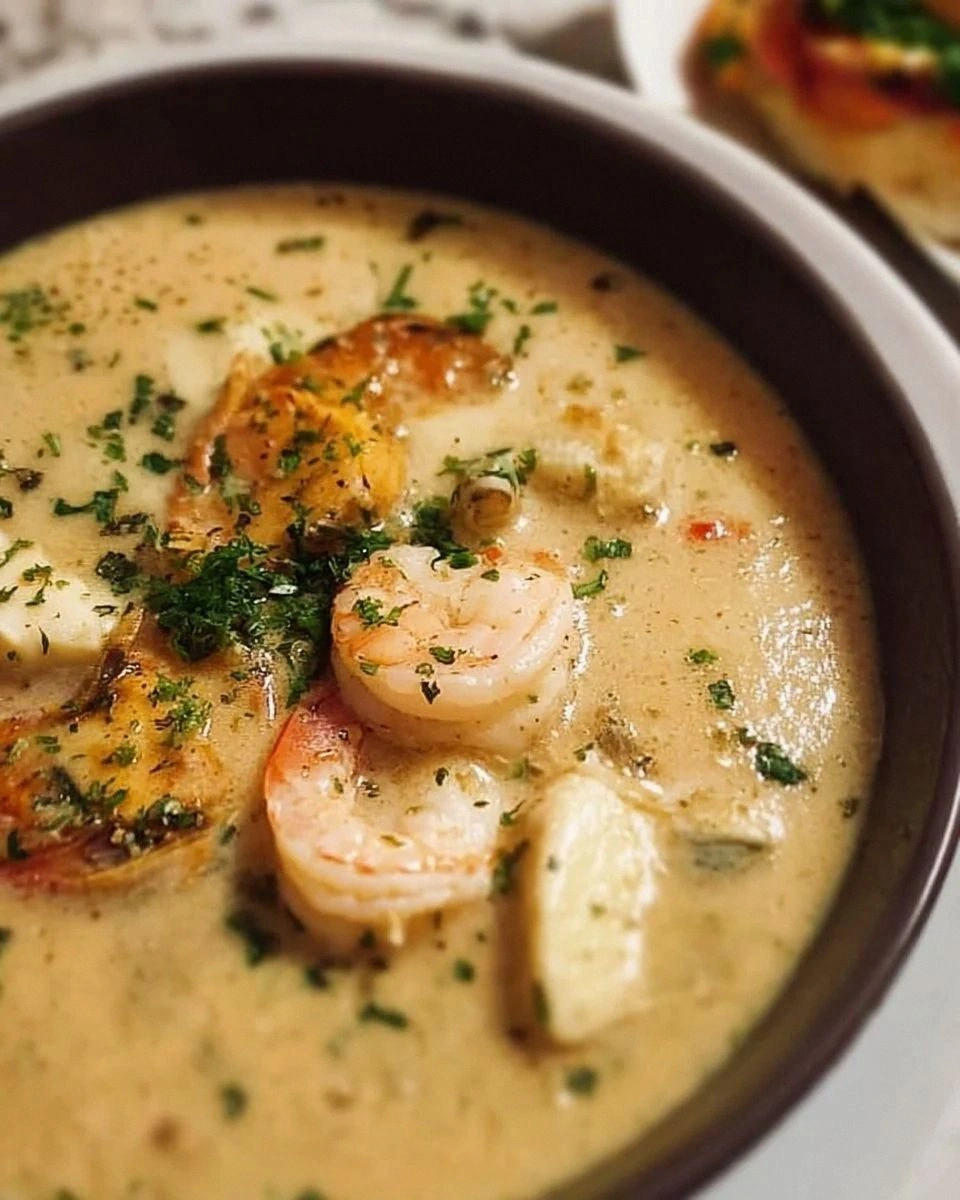
Fast forward a few frantic minutes, a splash of heavy cream, a whisper of paprika, and a handful of fresh parsley later, and the kitchen was filled with a perfume that could coax even the most stoic cat out of its hiding spot. Imagine the scent of the ocean mingling with the comforting aroma of simmering potatoes and caramelized onions – it’s like a seaside sunrise in a bowl. The soup itself is a rich, buttery sea‑kiss that hugs every bite of shrimp and scallop, while the creamy broth carries a subtle heat that makes you want to curl up with a blanket and a good book.
Most recipes I’ve tried either skimp on the seafood, over‑cook the delicate pieces, or drown everything in a bland stock. This version, however, respects each component like a seasoned orchestra conductor – every note is heard, every instrument shines. The secret? A quick flash‑sauté that locks in flavor before the gentle simmer, and a finishing swirl of cream that transforms the broth into pure decadence. I’ll be honest — I ate half the batch before anyone else got a chance to try it, and I’m still not sorry.
I’m about to walk you through every single step, from picking the freshest catch at the market to the final garnish that makes this soup Instagram‑ready. By the end, you’ll wonder how you ever made a seafood soup any other way. Okay, ready for the game‑changer?
What Makes This Version Stand Out
- Taste: The combination of sweet scallops, buttery shrimp, and a subtle paprika kick creates a layered flavor profile that feels both familiar and exotic.
- Texture: Creamy broth, tender fish bites, and perfectly al dente potatoes give you a mouthfeel that’s both comforting and luxurious.
- Simplicity: Only ten ingredients, yet each one is used to its fullest potential – no unnecessary steps, no confusing gadgets.
- Uniqueness: The flash‑sauté of seafood before simmering locks in juices, a trick most home cooks overlook.
- Crowd Reaction: I dare you to taste this and not go back for seconds; even the most skeptical guest will be asking for the recipe.
- Ingredient Quality: Using fresh, high‑quality seafood makes the broth sing; frozen works too, but fresh is the star.
- Cooking Method: The two‑stage cooking (sauté then simmer) ensures everything stays perfectly cooked without turning mushy.
- Make‑Ahead Potential: This soup actually improves after a short rest, allowing flavors to meld like a well‑aged wine.
Inside the Ingredient List
The Flavor Base
The onion and garlic are the aromatic backbone of this soup. When you sweat the onion in olive oil until it turns translucent, you’re building a sweet, caramelized foundation that balances the briny seafood. Garlic adds a punchy depth that, once minced, releases its natural oils, turning the broth into a fragrant sea‑kiss. Skipping these two is like trying to paint a masterpiece without any primary colors – you’ll end up with a bland, lifeless result.
The Texture Crew
Potatoes give the soup body and a comforting heft, while the heavy cream adds that velvety finish you crave. The potatoes should be diced uniformly so they cook evenly, preventing one giant mushy chunk from stealing the spotlight. If you’re dairy‑intolerant, coconut cream is a decent swap, but expect a subtle coconut undertone that will shift the flavor profile.
The Unexpected Star
Paprika isn’t just for color; it brings a gentle smoky warmth that elevates the seafood without overpowering it. A pinch of smoked paprika would take the flavor to a whole new level, but even regular sweet paprika adds that whisper of earthiness. If you’re feeling adventurous, a dash of cayenne can turn this into a spicy sea‑storm.
The Final Flourish
Fresh parsley and lemon wedges are the finishing touches that brighten the bowl just before serving. Parsley adds a clean, herbaceous snap that cuts through the richness, while a squeeze of lemon introduces acidity that balances the cream. Forgetting these garnishes is a crime – the soup would feel heavy and one‑dimensional without that final pop of freshness.
Everything's prepped? Good. Let's get into the real action…
The Method — Step by Step
-
Heat a large, heavy‑bottomed pot over medium‑high heat and add the tablespoon of olive oil. Once the oil shimmers like a miniature lake, toss in the chopped onion and let it sweat for about three minutes, stirring occasionally until it becomes translucent and just starts to turn golden at the edges. That sizzle when it hits the pan? Absolute perfection. Add the minced garlic and paprika, cooking for another minute until the garlic releases its aroma and the paprika darkens slightly, releasing its smoky notes.
Kitchen Hack: Use a microplane to grate the garlic for a finer texture that distributes evenly throughout the broth. -
Now, add the diced potatoes to the pot, stirring them into the aromatic mixture. Let the potatoes toast lightly for two minutes – you’ll hear a faint crackle, and that’s the signal they’re beginning to develop a thin crust, which prevents them from turning to mush later. Pour in the fish or vegetable stock, scraping the bottom of the pot to release any browned bits, then bring the mixture to a gentle boil.
-
Reduce the heat to a simmer and cover the pot, allowing the potatoes to cook for about ten minutes, or until they’re just fork‑tender. While the potatoes are doing their thing, take a moment to pat the shrimp and scallops dry with paper towels – excess moisture is the enemy of a clean, silky broth.
Watch Out: Over‑cooking the potatoes will cause them to disintegrate, turning the soup cloudy and starchy. -
Once the potatoes are ready, increase the heat to medium‑high again and add the fish fillets, shrimp, and scallops in a single layer. This is the moment of truth. Let them sear for about two minutes without stirring – this brief flash‑sauté locks in juices and creates a light caramelized crust on the seafood.
After the initial sear, gently stir the seafood, allowing it to finish cooking for another three to four minutes. You’ll know they’re done when the shrimp turn pink and the scallops are opaque but still tender.
-
Turn the heat down to low and stir in the heavy cream, letting it melt into the broth like silk sliding over glass. The soup should thicken slightly; if it looks too thin, let it simmer uncovered for a couple of minutes while stirring gently.
Kitchen Hack: Warm the cream slightly before adding it to prevent curdling and ensure a smooth texture. -
Season the soup with salt and freshly cracked black pepper to taste. Remember, the stock already carries some salt, so add gradually and taste as you go. A final sprinkle of paprika can be added now for an extra pop of color and flavor if you like.
-
Turn off the heat and let the soup rest for five minutes. This short rest allows the flavors to meld, and the potatoes will continue to absorb the broth, creating a richer mouthfeel.
While it rests, chop a generous handful of fresh parsley and slice a lemon into wedges for serving.
-
To serve, ladle the soup into warm bowls, ensuring each portion gets a good mix of shrimp, scallops, fish, and potatoes. Finish each bowl with a sprinkle of parsley and a lemon wedge on the side – a quick squeeze just before the first bite brightens everything.
Picture yourself pulling this out of the pot, the whole kitchen smelling incredible, and your guests leaning in, spoon in hand, eyes wide with anticipation. That’s the magic.
That's it — you did it. But hold on, I've got a few more tricks that'll take this to another level…
Insider Tricks for Flawless Results
The Temperature Rule Nobody Follows
Never start your soup on high heat; a gentle rise prevents the cream from separating and keeps the broth silky. I once cranked the stove to max and ended up with a curdled mess that tasted like burnt milk. Keep the heat moderate, and you’ll get that glossy finish every time.
Why Your Nose Knows Best
When the onions turn translucent and the garlic releases its perfume, that’s your cue to add the stock. Trust your senses over the clock – the aroma tells you when the base is ready for the next stage.
The 5‑Minute Rest That Changes Everything
Allowing the soup to sit off the heat for five minutes lets the starch from the potatoes thicken the broth naturally, eliminating the need for a roux. A friend tried skipping this rest and complained the soup felt “thin” – lesson learned.
Seasoning in Layers
Add a pinch of salt after sautéing the aromatics, another pinch after the stock joins, and a final pinch after the cream. Layered seasoning builds depth without ever becoming salty.
The Secret Splash
A splash of dry white wine right after the seafood is sautéed adds acidity and brightens the broth. If you’re avoiding alcohol, substitute with a splash of sherry vinegar for a similar effect.
Creative Twists and Variations
This recipe is a playground. Here are some of my favorite ways to switch things up:
Spicy Cajun Splash
Swap the paprika for Cajun seasoning and add a dash of hot sauce. The soup turns into a bold, peppery experience perfect for cold evenings.
Thai Coconut Breeze
Replace the heavy cream with coconut milk, add a spoonful of red curry paste, and finish with fresh cilantro. You’ll get a tropical twist that’s both creamy and aromatic.
Mushroom Medley
Add a cup of sliced shiitake or cremini mushrooms when you sauté the onions. The earthy umami pairs beautifully with the sea‑flavors.
Herbaceous Green
Blend a handful of spinach or kale into the broth before adding the cream for a vibrant green hue and extra nutrition.
Cheesy Delight
Stir in a quarter cup of grated Parmesan or Gruyère just before serving for a nutty depth that makes the soup even richer.
Storing and Bringing It Back to Life
Fridge Storage
Allow the soup to cool to room temperature, then transfer it to an airtight container. It keeps nicely for up to three days. When reheating, do it gently over low heat, stirring occasionally.
Freezer Friendly
Portion the soup into freezer‑safe bags, leaving a little headspace for expansion. Freeze for up to two months. Thaw overnight in the fridge, then reheat on the stove, adding a splash of water or stock to revive the silky texture.
Best Reheating Method
Heat the soup over medium‑low heat, stirring in a tablespoon of water or stock before it reaches a boil. This gentle steam restores the cream’s luscious mouthfeel without curdling.