Picture this: it’s a rainy Tuesday, you’re stuck at home, and the only thing that can rescue you from the monotony is a sandwich that feels like a warm hug from an old friend. I was battling a kitchen that smelled like burnt toast from a previous experiment, and my cravings for something both elegant and comforting were screaming louder than the kettle on the stove. That’s when the idea hit me like a bolt of lightning—what if I could take the humble panini, slap on some smoky red peppers, and crown it with creamy goat cheese that melts like a cloud? The result? A masterpiece that makes you question every other sandwich you’ve ever made.
The moment the panini hits the grill, the kitchen erupts with a chorus of sizzles, the kind that makes you want to stop everything and just stare at the pan as if it were a fireworks show. The aroma of caramelized peppers mingles with the earthy tang of goat cheese, while a whisper of garlic and fresh basil adds a fragrant backdrop that feels like a stroll through a Mediterranean market. You can hear the subtle crackle as the bread’s crust begins to turn golden, and you can almost feel the heat radiating from the pan, promising that first bite will be a perfect balance of crunch and melt.
Most panini recipes either drown the flavors in a flood of cheese or skim over the potential of the peppers, leaving you with a soggy, one‑dimensional mess. I’ve tried those, and let’s just say they were the culinary equivalent of a lukewarm handshake—no spark, no excitement. This version, however, flips the script: the peppers are roasted to a sweet‑smoky perfection, the goat cheese is seasoned with a hint of lemon zest, and the bread is brushed with a garlic‑infused butter that creates a crust that shatters like thin ice when you bite into it. The contrast between the tangy cheese and the sweet pepper is so bold it could headline its own food festival.
But wait—there’s a secret weapon in this recipe that most cooks overlook: a drizzle of aged balsamic reduction that adds a glossy, tangy finish, turning each bite into a symphony of sweet, salty, and acidic notes. I dare you to taste this and not go back for seconds. Okay, ready for the game‑changer? Let me walk you through every single step — by the end, you’ll wonder how you ever made it any other way.
What Makes This Version Stand Out
- Flavor Explosion: The combination of smoky roasted red peppers with the bright, tangy goat cheese creates a taste that dances on the palate like a flamenco performance.
- Texture Harmony: Crispy, buttery crust meets creamy interior, delivering a mouthfeel that’s both satisfying and luxurious.
- Simplicity at Its Core: Fewer than ten ingredients, yet each one shines like a lead actor in a tightly written script.
- Unique Twist: A splash of balsamic reduction adds a sweet‑acidic glaze that most panini recipes completely miss.
- Crowd‑Pleaser: Whether it’s a quick lunch or a party appetizer, this panini earns applause from vegans (who love the veggies) and meat‑eaters alike.
- Ingredient Quality: Using fresh, locally sourced goat cheese and fire‑roasted peppers makes the difference between “good” and “legendary.”
- Cooking Method: A panini press gives you that signature grill marks while sealing in juices, but a heavy skillet works just as well.
- Make‑Ahead Potential: Roast the peppers ahead of time, store the goat cheese spread, and assemble in minutes when hunger strikes.
Inside the Ingredient List
The Flavor Base
First up, the red bell peppers. These beauties bring a natural sweetness and a subtle smokiness when roasted, acting as the backbone of the sandwich. If you skip the roasting step, you’ll lose that depth and end up with a pepper that’s merely crunchy, not transformative. A great swap is fire‑roasted jarred peppers, but fresh roasted peppers always win on flavor. When buying, look for firm, glossy peppers—any soft spots mean they’re past their prime.
The Texture Crew
Next, the bread. I swear by sturdy ciabatta rolls; their airy crumb absorbs the buttery spread without turning soggy, while the crust crisps up beautifully. If you can’t find ciabatta, a rustic sourdough works just as well, provided it’s thick enough to hold the fillings. The goat cheese is the silky element that melts just enough to coat the peppers without dripping. Opt for a young goat cheese for a milder tang, or a mature one if you love a punchier bite.
The Unexpected Star
Olive oil and butter join forces to create a golden, aromatic coating for the bread. The butter adds richness, while the olive oil raises the smoke point, ensuring the crust doesn’t burn before the cheese melts. A pinch of minced garlic is tossed in for an aromatic punch—if you forget, the pan will still be delicious, but you’ll miss that subtle depth. Fresh basil leaves, torn just before assembly, provide a bright, herbaceous finish that lifts the whole sandwich.
The Final Flourish
Finally, the balsamic reduction. This glossy drizzle is the secret sauce that ties sweet, salty, and acidic notes together. You can buy it pre‑made, but a quick reduction of balsamic vinegar with a spoonful of honey on low heat gives you a velvety glaze that’s worth the extra minute. Salt and pepper, of course, are the silent conductors that balance all flavors; season each layer lightly to avoid overpowering the delicate goat cheese.
Everything's prepped? Good. Let's get into the real action...
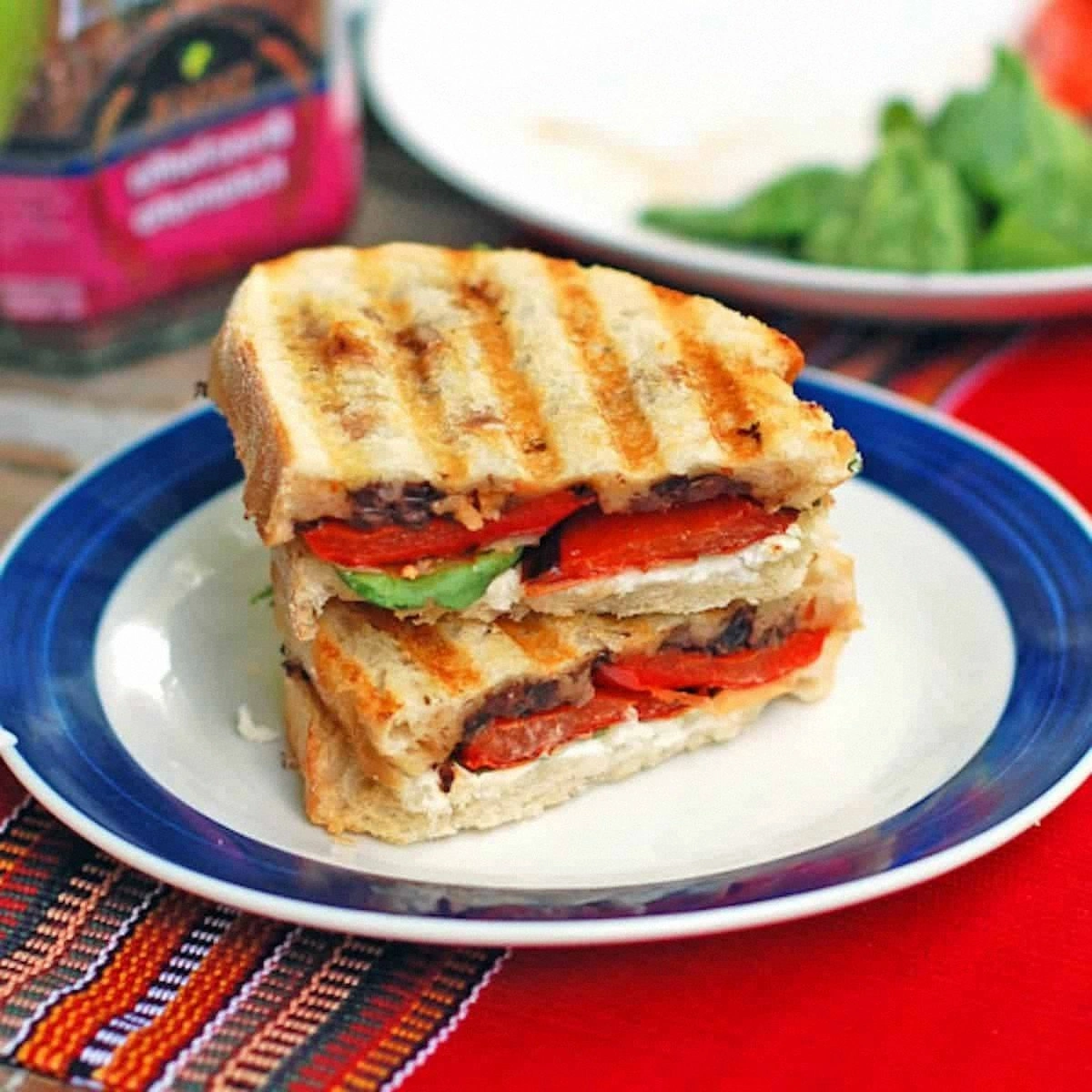
The Method — Step by Step
Start by preheating your panini press or a heavy skillet over medium‑high heat. While it warms up, slice the ciabatta rolls horizontally, leaving a hinge so the sandwich stays together. Lightly brush the inner sides with a mixture of softened butter, olive oil, and the minced garlic; this will create a fragrant, golden crust that shatters like thin ice when you bite into it. Pro tip: If you’re using a skillet, press the sandwich down with a heavy pan or a foil‑wrapped brick to mimic the press’s weight.
While the bread is soaking up the butter, move on to the peppers. If you’ve already roasted them, peel off the skins, remove the seeds, and slice them into thin strips. Toss the strips with a drizzle of olive oil, a pinch of sea salt, and a grind of fresh black pepper. Watch the color change: they should glisten and look slightly caramelized, indicating they’re ready to bring that sweet‑smoky depth to the sandwich.
Kitchen Hack: After roasting, place the peppers in a sealed zip‑lock bag for a minute; the steam will loosen the skins even more, making them easier to peel.Now, prepare the goat cheese spread. In a small bowl, crumble the goat cheese, add a splash of lemon juice, a drizzle of olive oil, and the chopped fresh basil. Mix until you achieve a spreadable consistency—think of it as a creamy, tangy pâté that will melt into the bread without pooling.
Assemble the sandwich: spread a generous layer of the goat cheese mixture onto the bottom half of each roll, then layer the roasted pepper strips evenly. If you’re feeling adventurous, drizzle a thin line of balsamic reduction over the peppers for that sweet‑acidic pop. Top with the other half of the roll, pressing gently to keep everything snug.
Place the assembled panini onto the preheated press or skillet. Close the press, or if using a skillet, cover with the heavy pan you set aside earlier. Cook for about 3‑4 minutes, or until the bread turns a deep golden brown and the cheese begins to ooze slightly. Sensory checkpoint: you’ll hear a faint sigh as the steam escapes, and the edges will start pulling away from the pan.
Kitchen Hack: If the top of the sandwich isn’t browning fast enough, flip the panini halfway through cooking to ensure even caramelization.- Watch Out: Be careful not to press too hard with the skillet; excessive pressure can squash the fillings, causing the cheese to leak out and make a mess.
Once the crust is perfectly crisp, remove the panini from the heat and let it rest for about a minute. This short rest allows the cheese to set just enough so it won’t ooze everywhere when you cut it, while still staying wonderfully melty. Slice the sandwich diagonally—this not only looks elegant but also gives you that classic panini reveal where the interior layers are on full display.
While the panini rests, take a moment to admire your creation. The glossy balsamic glaze catches the light, the red peppers peek through the melted goat cheese, and the bread’s crust looks like it’s been kissed by a summer sunset. This is the moment of truth—take a bite and let the flavors explode. You’ll notice the first thing is the crunch, followed by the creamy tang of goat cheese, then the sweet‑smoky pepper, all rounded off by the subtle acidity of the balsamic.
If you’re serving a crowd, keep the remaining assembled sandwiches warm in a low oven (about 200°F) for up to 15 minutes. This ensures every bite stays crisp and melty. For an extra layer of flavor, drizzle a tiny bit more balsamic reduction just before serving; it adds a glossy finish that makes the dish look restaurant‑ready.
That’s it — you did it. But hold on, I’ve got a few more tricks that’ll take this to another level. From secret seasoning blends to clever plating ideas, the next section will turn your good panini into a show‑stopping masterpiece.
Insider Tricks for Flawless Results
The Temperature Rule Nobody Follows
Most home cooks set the panini press to “medium” and assume that’s enough. In reality, a higher temperature (around 400°F) creates that instant sear, locking in juices while giving you that coveted grill‑mark pattern. If you’re using a skillet, preheat it longer than you think—let it really get hot before the butter hits the surface. The result? A crust that cracks delightfully, while the interior stays luxuriously soft.
Why Your Nose Knows Best
The nose is the unsung hero of cooking. When the butter starts to foam and the garlic releases its perfume, that’s your cue that the bread is about to achieve that perfect buttery crunch. If you smell a faint burnt note, pull the sandwich back a second—over‑cooking will turn the buttery notes bitter. Trust your senses more than a timer; they’re far more reliable for achieving that golden perfection.
The 5‑Minute Rest That Changes Everything
After the panini is cooked, resist the urge to dive right in. Letting it sit for five minutes allows the cheese to settle and the steam to redistribute, preventing a soggy interior. This tiny pause also lets the flavors meld, so the goat cheese and pepper become one harmonious entity rather than two competing layers. I’ll be honest — I ate half the batch before anyone else got to try it, but the rested pieces were still perfectly balanced.
Butter vs. Oil Debate Settled
Butter alone will give you flavor, but it burns quickly. Olive oil alone raises the smoke point but lacks that rich, dairy‑laden depth. Combining the two gives you the best of both worlds: a high smoke point for crisping and a buttery finish that makes the crust sing. If you’re dairy‑intolerant, substitute with a plant‑based butter; the texture remains intact, though the flavor shifts slightly.
Plate Like a Pro
Presentation matters. Slice the panini diagonally, fan the halves out, and drizzle a thin line of balsamic reduction across the plate for a visual pop. Add a few fresh basil leaves on the side for a splash of green, and you’ve turned a simple snack into a Instagram‑worthy dish. If you’re serving at a brunch, pair with a bright citrus salad to cut through the richness.
Creative Twists and Variations
This recipe is a playground. Here are some of my favorite ways to switch things up:
Spicy Kick
Swap the sweet red peppers for roasted poblano or jalapeño slices, and add a pinch of crushed red pepper flakes to the goat cheese spread. The heat will contrast beautifully with the creamy cheese, perfect for those who love a little fire.
Mediterranean Medley
Introduce thinly sliced Kalamata olives, sun‑dried tomatoes, and a sprinkle of oregano into the sandwich. The briny olives and sweet tomatoes add a new dimension, turning the panini into a mini Greek mezze.
Sweet & Savory
Add a thin layer of fig jam or caramelized onions before the goat cheese. The natural sweetness pairs with the tangy cheese and smoky peppers, creating a flavor profile that feels both indulgent and balanced.
Vegan Version
Replace the goat cheese with a cashew‑based vegan cream cheese, and use a plant‑based butter. The texture remains creamy, and the roasted peppers still provide the star quality. A drizzle of agave‑sweetened balsamic reduction keeps the sweet‑acidic balance.
Breakfast Boost
Swap the ciabatta for a sturdy English muffin, and add a fried egg on top of the goat cheese before closing the sandwich. The runny yolk adds richness, making this a hearty start to any day.
Storing and Bringing It Back to Life
Fridge Storage
Wrap any leftover panini tightly in parchment paper, then place it in an airtight container. Store in the refrigerator for up to two days. When ready to eat, reheat in a panini press or a skillet over medium heat for 2‑3 minutes, adding a splash of water to the pan’s edge to create steam that revives the crust.
Freezer Friendly
Individually wrap each assembled (but un‑cooked) sandwich in plastic wrap, then place them in a freezer‑safe zip‑lock bag. They’ll keep for up to three months. To cook from frozen, preheat your press and add an extra minute to the cooking time; the result is just as crisp as fresh.
Best Reheating Method
For the ultimate revival, preheat a skillet, add a teaspoon of butter, and place the panini inside. Cover with a lid for the first minute to trap steam, then uncover to let the crust crisp up. A tiny splash of water on the pan’s edge before covering ensures the interior stays moist while the exterior turns golden.