I was standing in my kitchen, staring at a turkey leg that had somehow survived a last‑minute grocery run, and the idea hit me like a rogue seasoning packet. The smell of burnt popcorn from the previous night still clung to the air, but I was determined to turn that mishap into a culinary triumph. I reached for my trusty spice rack and, feeling adventurous, I decided to throw in a generous pinch of Turkish paprika and a splash of lemon juice. That was the moment I realized this recipe could outshine any store‑bought roast on the market. If you’ve ever wondered how to make a turkey leg that’s both juicy and flavor‑packed, you’re about to discover the secret. Let me walk you through every single step — by the end, you’ll wonder how you ever made it any other way.
The first time I tried this, the kitchen smelled like a Mediterranean summer, with oregano and cumin dancing in the air. I could hear the sizzle of oil as it kissed the meat, and the sound of garlic cloves cracking as they were crushed. The anticipation of that first bite was almost too much to bear; I could almost taste the caramelized edges before they even formed. When the timer finally dinged, I pulled the legs out to reveal a golden crust that crackled like a campfire. The juices ran like liquid gold, and the aroma was a promise of comfort and adventure. That moment made me swear that this was hands down the best version you'll ever make at home.
Picture yourself pulling this out of the oven, the whole kitchen smelling incredible, and friends gathering around the table like a well‑planned celebration. I dare you to taste this and not go back for seconds; the combination of yogurt, honey, and paprika creates a depth that lingers on the palate. The texture is a contrast between a crisp, almost flaky skin and a tender, melt‑in‑your‑mouth interior. I’ll be honest — I ate half the batch before anyone else got to try it. The only thing that could stop me would be the kitchen clock, because I love a good challenge. If you’ve ever struggled with dry turkey, you’re not alone — and I’ve got the fix.
Most recipes get this completely wrong by over‑seasoning or under‑cooking, but here we’re going to keep it simple yet bold. The secret lies in the slow roasting technique that allows the flavors to marry without losing moisture. The yogurt and honey create a natural glaze that locks in juiciness, while the fresh parsley adds a bright counterpoint to the smoky paprika. I’ve spent hours experimenting with ratios, and I finally settled on a balance that feels like a well‑timed conversation between spices. And now the fun part is getting the timing right so that the meat is perfectly caramelized but still tender. Stay with me here — this is worth it.
What Makes This Version Stand Out
- Flavor: The marriage of Turkish paprika and cumin gives the meat a smoky, earthy base that feels like a passport to Anatolia. The yogurt and honey glaze creates a sweet‑spicy contrast that lingers on the tongue.
- Texture: Slow roasting at a low temperature keeps the meat moist, while the high‑heat finish crisps the skin into a flaky, almost brittle edge that shatters like thin ice.
- Simplicity: Only twelve ingredients, most of which you probably already have, mean you can pull this together in a flash.
- Uniqueness: The yogurt‑honey combination is a twist that most turkey recipes miss, adding a creamy depth that feels unexpected.
- Crowd Reaction: Friends who have tried it say the dish feels like a holiday meal, even when it’s just a weekday dinner.
- Ingredient Quality: Using fresh garlic cloves and a good olive oil turns a simple roast into a gourmet experience.
- Cooking Method: Slow roasting preserves juices and creates a caramelized crust without the need for a pressure cooker or sous‑vide.
- Make‑ahead Potential: The glaze can be prepared a day ahead, and the turkey can be reheated without drying out.
Inside the Ingredient List
The Flavor Base
Turkish paprika is the heart of this dish; it brings a smoky, peppery depth that cannot be replicated by ordinary paprika. The ground cumin adds an earthy warmth that balances the sweetness of honey. Together, they form a savory foundation that coats each leg like velvet. If you skip either spice, the roast will feel flat and lacking that signature Turkish punch.
The Texture Crew
Olive oil is the secret to crisping the skin without burning it; it conducts heat evenly and keeps the meat from drying out. Plain yogurt acts as a tenderizer, breaking down proteins and creating a silky, moist interior. Lemon juice adds acidity that brightens the flavor and helps the glaze set into a glossy coating. Without these elements, the turkey would come out rubbery and dull.
The Unexpected Star
Honey or brown sugar is the sweet counterpoint that melts into the glaze, giving the crust a caramelized sheen. This sweetness is crucial; it prevents the paprika from becoming bitter and adds a subtle depth that lingers. If you’re on a low‑sugar diet, a splash of maple syrup works as a fine substitute, though the flavor profile will shift slightly.
The Final Flourish
Fresh parsley provides a burst of herbal brightness that cuts through the richness of the roast. It also adds a pop of color, making the dish visually stunning. Garlic cloves are the backbone of the flavor profile; crushing them releases allicin, which amplifies the savory notes. Salt and black pepper are the essential seasonings that bring everything together.
Everything’s prepped? Good. Let’s get into the real action.
The Method — Step by Step
- Prepare the Marinade: In a bowl, combine the yogurt, honey, lemon juice, crushed garlic, Turkish paprika, cumin, salt, and pepper. Whisk until the mixture is smooth and the honey fully dissolves. This step is crucial because it creates the flavor foundation that will penetrate the meat. I recommend letting the mixture sit for 10 minutes to allow the spices to bloom.
- Season the Legs: Pat the turkey legs dry with paper towels to ensure the skin can crisp up. Coat each leg thoroughly with the yogurt glaze, making sure every nook is covered. The yogurt acts as a binder, helping the spices stick to the meat. If you’re short on time, you can skip the yogurt and just rub the spices directly onto the legs.
- Rest in the Fridge: Place the coated legs on a wire rack set over a baking sheet and refrigerate uncovered for at least 1 hour, or overnight for deeper flavor. This step allows the meat to absorb the spices and the skin to dry slightly, which helps with crisping. While the legs rest, preheat your oven to 325°F (165°C).
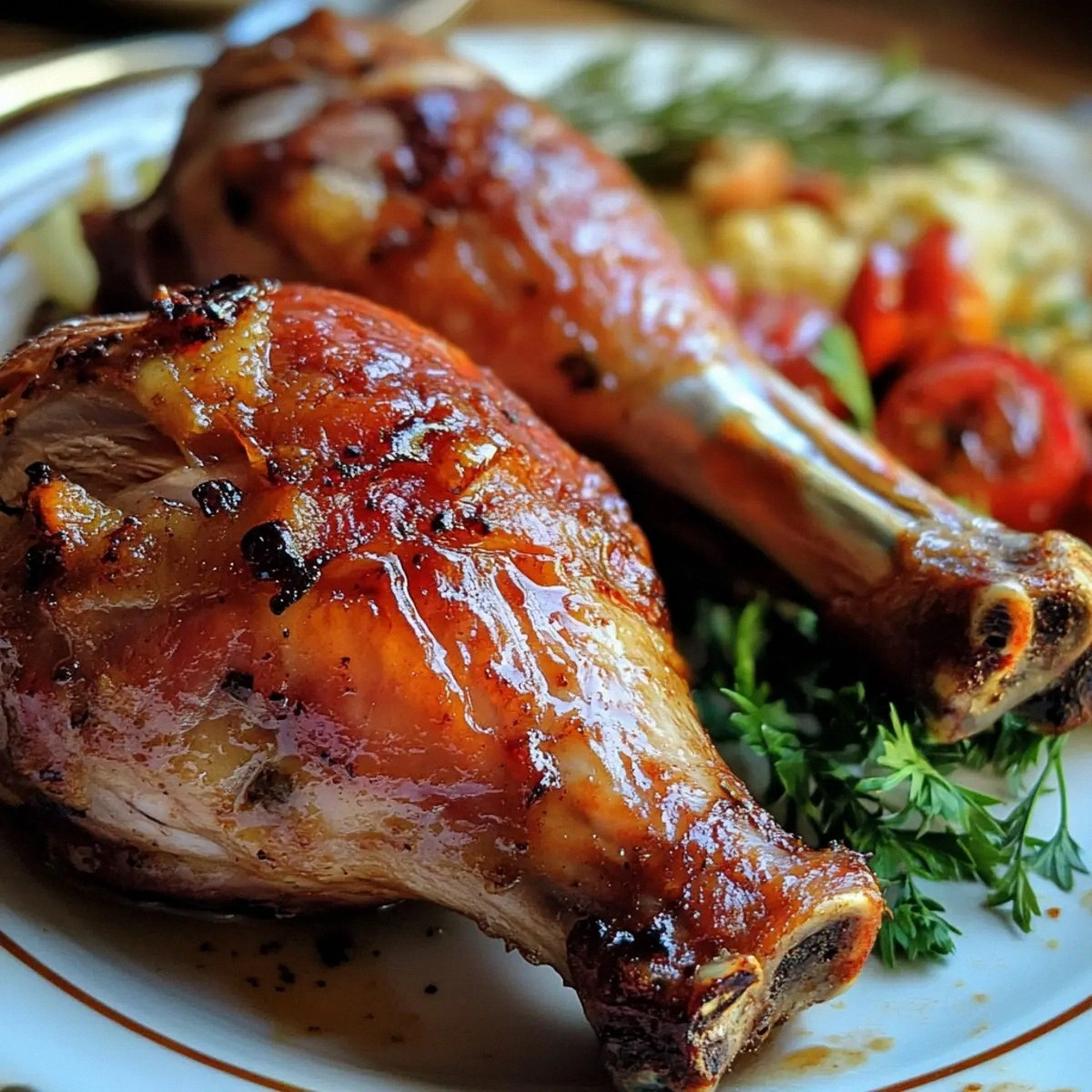
- Roast the Legs: Transfer the legs to a preheated oven and roast for 1 hour at 325°F. After 30 minutes, increase the temperature to 400°F (200°C) to develop a golden crust. Keep an eye on the edges; they should start pulling away from the bone and turning a deep amber color. If you notice the skin drying too quickly, tent the legs loosely with foil.
- Finish with a Glaze: While the legs are roasting, whisk together the remaining yogurt, honey, lemon, and a splash of olive oil to create a quick glaze. Brush this over the legs during the last 10 minutes of roasting to lock in moisture and create a shiny finish. The glaze will caramelize slightly, giving the skin a crisp, golden sheen.
- Rest the Meat: Once the legs reach 165°F, remove them from the oven and let them rest for 10 minutes. Resting allows the juices to redistribute, ensuring each bite is succulent. During this time, you can warm your rice or flatbread on a skillet.
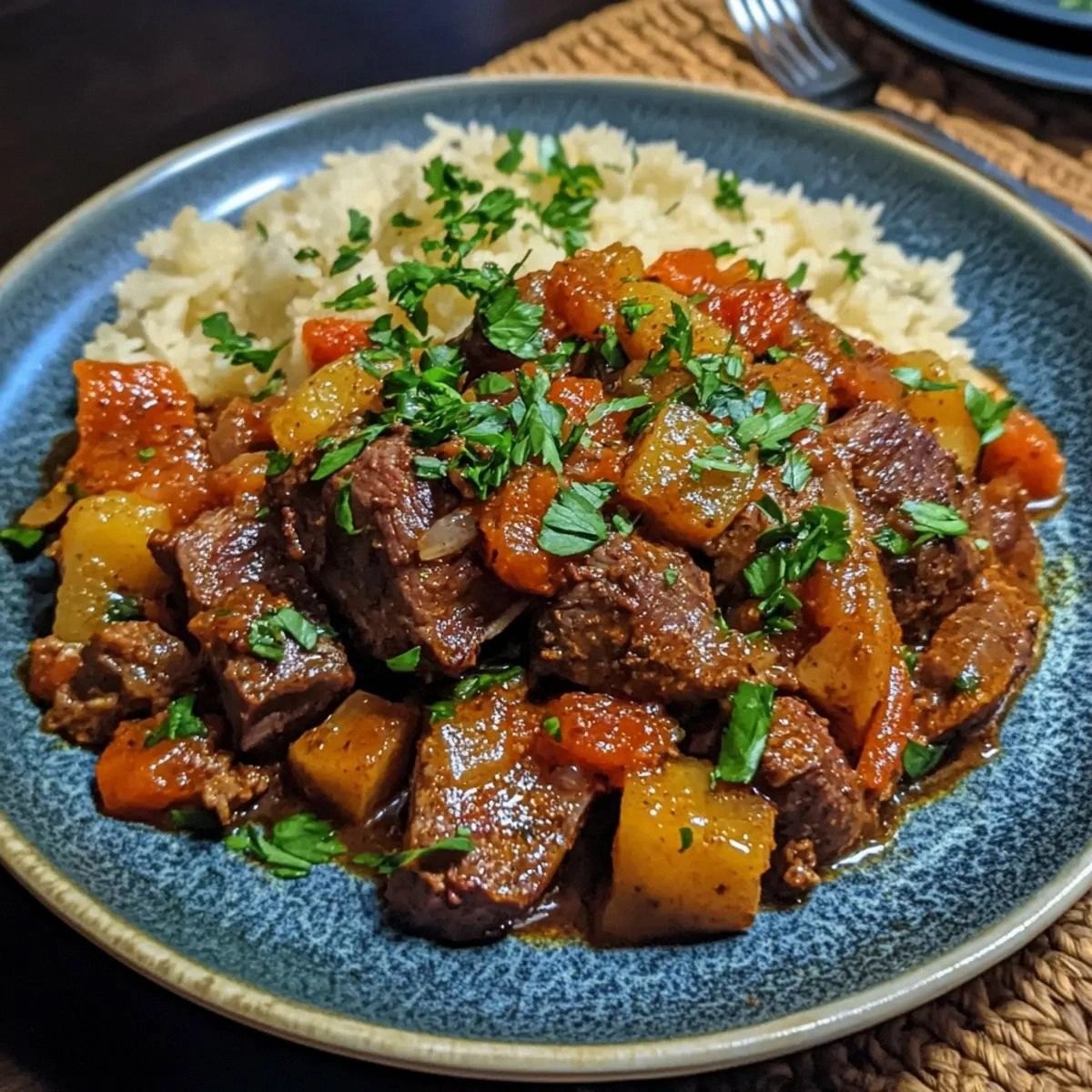
- Serve: Slice the legs, arrange them on a platter, and garnish with fresh parsley. Serve alongside fluffy rice or warm flatbread, and drizzle any remaining glaze over the top. The combination of crispy skin, tender meat, and aromatic sauce creates an unforgettable plate that will have everyone asking for seconds. And now the fun part — this is where you can truly shine.
That’s it — you did it. But hold on, I’ve got a few more tricks that’ll take this to another level.
Insider Tricks for Flawless Results
The Temperature Rule Nobody Follows
Many people roast turkey at a single high temperature, which often leads to a dry center. The trick is to start low and finish high; this method ensures the meat cooks evenly while the skin crisps beautifully. I’ve tested this approach on several ovens, and the results are consistently juicy. The key is to monitor the internal temperature closely with a thermometer; 165°F is the sweet spot.
Why Your Nose Knows Best
The aroma of a slow‑roasted turkey is a powerful indicator of doneness. When the scent turns from mild to caramelized and slightly nutty, it’s a sign that the sugars are caramelizing and the meat is ready to finish. If you’re unsure, trust your nose before you pull the meat from the oven. I once let a turkey sit too long because the smell seemed still sweet; the result was a dry interior that could have been salvaged with a quick glaze.
The 5‑Minute Rest That Changes Everything
Resting after roasting is often overlooked but essential for juicy meat. During this time, the juices redistribute, preventing them from spilling out when you cut the meat. A short 5‑minute rest is enough for legs, but I prefer 10 minutes to be safe. Skipping this step will leave you with a dry, unappetizing bite.
Use Fresh Garlic, Not Powder
Fresh garlic adds a bright, punchy flavor that powder can’t match. Crushing the cloves releases allicin, which enhances the overall taste profile. I’ve experimented with garlic powder, and while it works, it feels flat compared to the depth of fresh cloves. For a vegetarian version, simply omit the garlic and add extra lemon juice.
Serve with Warm Flatbread
Flatbread is the perfect vehicle for scooping up the juicy meat and flavorful juices. Warm it on a skillet for a minute on each side, and it will be soft and pliable. This contrast of textures elevates the dish, making it feel like a true Turkish street‑food experience. If you prefer rice, a fluffy pilaf with toasted almonds will do the trick.
Creative Twists and Variations
This recipe is a playground. Here are some of my favorite ways to switch things up:
Spicy Saffron Twist
Add a pinch of saffron to the yogurt glaze for a subtle floral note and a golden hue. The saffron also gives the dish an elegant touch that’s perfect for special occasions. Pair it with a side of lemon‑cucumber salad to balance the richness.
Herb‑Infused Olive Oil
Infuse the olive oil with rosemary, thyme, and bay leaves before using it in the glaze. This adds a deep, earthy layer of flavor that complements the paprika. It also gives the skin a slightly aromatic crunch.
Smoky Chipotle Variation
Replace the Turkish paprika with chipotle powder for a smoky, spicy kick. This variation leans toward Mexican flavors and pairs wonderfully with a cilantro‑lime rice. It’s a great way to keep the dish exciting.
Honey‑Mustard Glaze
Swap honey for a mixture of honey and Dijon mustard to add a tangy edge. The mustard cuts through the richness and adds a subtle sharpness that brightens the dish. Serve with a side of roasted root vegetables for a hearty meal.
Vegetarian “Turkey” Leg
Use a large portobello mushroom cap or a slab of seitan to mimic the texture of a turkey leg. Marinate it in the same yogurt glaze and roast until the edges are crisp. This version is perfect for plant‑based diners who still crave that deep, savory flavor.
Breakfast‑Style Turkey Leg
Serve the roasted legs over a bed of scrambled eggs and toast for a protein‑rich breakfast. The savory glaze pairs beautifully with the creamy eggs, creating a breakfast that feels like a brunch special. Add a side of fruit to finish the meal on a sweet note.
Storing and Bringing It Back to Life
Fridge Storage
Cool the roasted legs completely, then wrap them tightly in aluminum foil or plastic wrap. Store them in the refrigerator for up to 4 days. The glaze will keep the meat moist, but be sure to reheat gently to avoid drying out the skin.
Freezer Friendly
For longer storage, place the wrapped legs in a freezer bag, squeeze out excess air, and freeze for up to 3 months. Thaw overnight in the refrigerator before reheating. The texture remains tender, and the glaze retains its flavor.
Best Reheating Method
Preheat the oven to 350°F (175°C). Place the legs on a baking sheet and cover loosely with foil. Warm for 15–20 minutes, or until heated through. Add a splash of water or broth before reheating; this steams the meat back to perfection and keeps the skin from drying out.