It started with a kitchen catastrophe that would have sent me to the grocery store in a panic, but ended up being the best thing that ever happened to my taste buds. I was trying to impress a friend who swore he only ate the most succulent roast turkey at every holiday, and I somehow managed to burn the bird, melt the butter, and create a mess that looked like a culinary crime scene. The smoke alarm blared, the air smelled like charred herbs, and I stared at the blackened leg with a mix of dread and determination. I stared at the stove, whispered a silent prayer, and decided to turn the disaster into a delicious triumph. I promised myself I would make a roast that was so juicy, so fragrant, that even the smoke alarm would applaud.
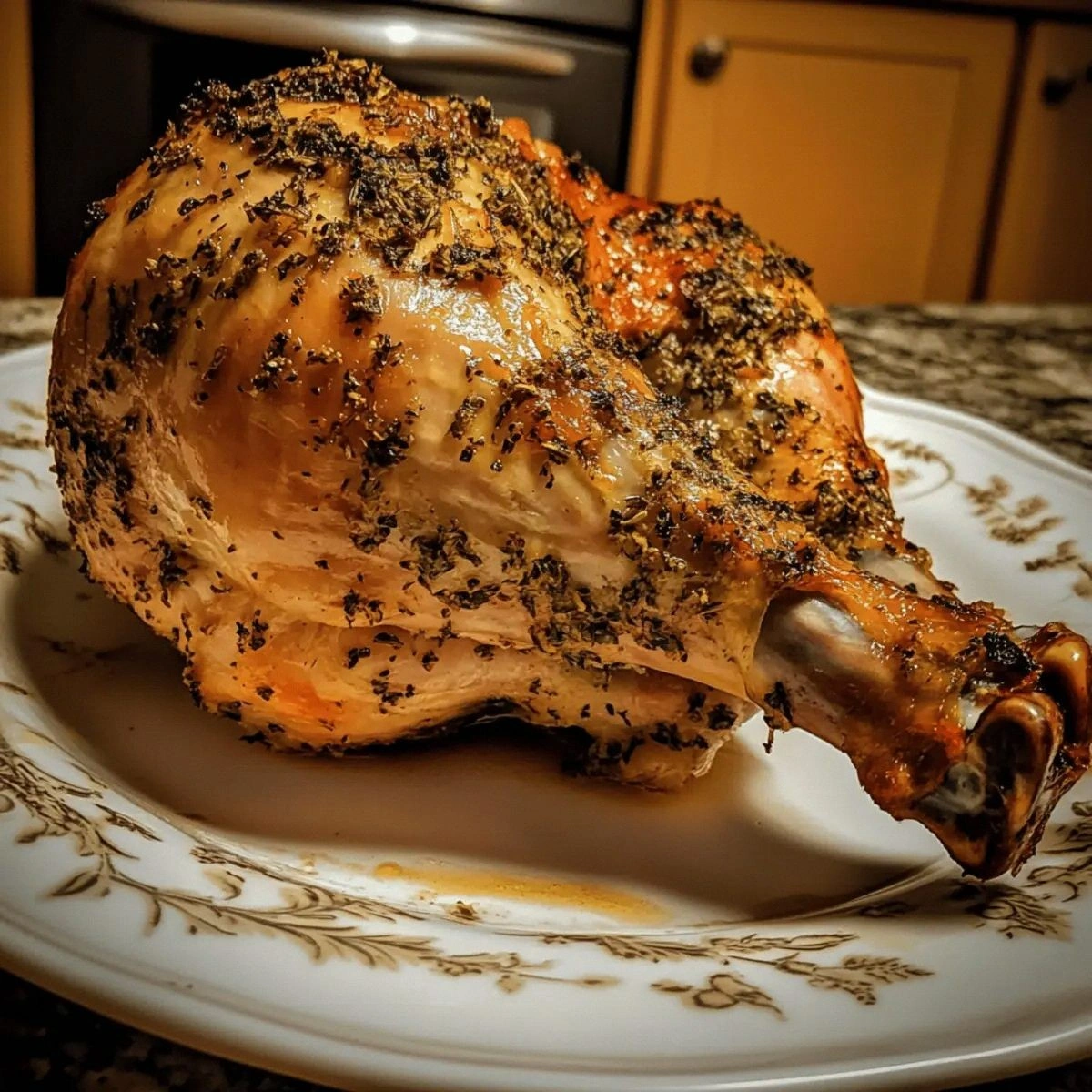
Fast forward to today, and I’m standing in a kitchen that smells like rosemary, thyme, and butter, with a single turkey leg resting on a platter that’s already begging to be devoured. The sound of the oven door closing is a gentle promise that the transformation is almost complete. I can taste the anticipation already— the subtle tang of lemon, the buttery richness, the hint of garlic that will make my mouth water. The texture feels promising: a crisp, golden skin that crackles when you lift a piece, revealing a succulent interior that practically melts in your mouth. I can already picture the plate, the mashed potatoes, the roasted vegetables, and that whole lemon waiting to be squeezed. And the best part? It’s not just a dish; it’s an experience that will make your guests question how they ever ate turkey before.
I’m not exaggerating when I say that this is hands down the best version of roast turkey you’ll ever make at home. The secret? A simple herb butter that coats the meat like velvet, a precise roasting technique that locks in juices, and a sideboard of comforting classics that complement every bite. Most recipes get this completely wrong, focusing on dry meat and overcooked veggies, but here we’re talking about a moist, flavorful, and aromatic masterpiece. I dare you to taste this and not go back for seconds. That’s the kind of confidence I bring to every kitchen moment.
Picture yourself pulling this out of the oven, the whole kitchen smelling incredible, the family gathering around, and the moment the first bite arrives— the crisp skin, the buttery melt, the aromatic herbs dancing in the air. That moment is pure magic. Let me walk you through every single step—by the end, you’ll wonder how you ever made it any other way. The journey starts with a humble turkey leg, a handful of herbs, and a generous pat of butter that will carry the flavor from the first bite to the last.
What Makes This Version Stand Out
- Juiciness: The herb butter melts into the meat, creating a moisture barrier that keeps the turkey tender even after a long roast. The result is a juicy interior that never feels dry, unlike the typical turkey that leaves you licking your plate clean.
- Flavor Depth: Fresh rosemary, thyme, and garlic infuse the meat from the inside out, while the lemon adds a bright counterpoint that lifts the entire dish. The combination of herbs and citrus is a flavor profile that’s both classic and unexpected.
- Texture Contrast: The skin crisps to a golden, crackly perfection, while the inside remains silky. The contrast between the crisp exterior and the tender interior feels like a well-balanced symphony.
- Ease of Preparation: No complicated marinades or lengthy prep times. The recipe uses a simple herb butter rub and a straightforward roasting schedule that even novice cooks can master.
- Crowd Appeal: Guests rave about the flavor, and the dish works for both intimate dinners and large family gatherings. The side dishes of mashed potatoes and roasted vegetables create a comforting, homey vibe.
- Make‑Ahead Potential: The herb butter can be prepared a day in advance, and the turkey can be partially cooked and finished later, making it ideal for busy weeknights.
Alright, let's break down exactly what goes into this masterpiece…
Inside the Ingredient List
The Flavor Base
At the heart of this dish lies the herb butter—a creamy, aromatic blend that marries the richness of butter with the earthy tones of rosemary and thyme. The butter melts into the meat’s crevices, creating a protective layer that traps juices. If you skip this step, the turkey will dry out and lose its signature mouth‑watering moisture. Swap the butter for clarified butter if you want a higher smoke point, but the flavor will be slightly different. When choosing butter, look for a product with a high fat content; this ensures a silky finish that coats the meat beautifully.
The Texture Crew
The turkey leg itself is the star of the show. It provides a substantial, meaty bite that pairs perfectly with the buttery skin. The leg’s natural connective tissue breaks down during roasting, delivering a tender interior that practically melts. If you use a different cut—like a breast or thigh—you’ll need to adjust the cooking time. The choice of a single leg makes the dish portioned and manageable for a small gathering.
The Unexpected Star
Garlic cloves, though small, are a powerhouse of flavor. They infuse the meat with a subtle, savory depth that balances the herbs. Crushing the cloves before adding them releases more essential oils, amplifying the aroma. If you’re sensitive to garlic, reduce the amount or use a milder variety. Garlic also helps in browning the skin, giving it that delightful crunch.
The Final Flourish
Fresh lemon is more than a garnish; it’s a bright, citrusy punch that cuts through the richness of butter and meat. Squeezing lemon over the finished turkey adds a fresh zing that elevates the entire dish. The lemon also helps to balance the savory flavors, making each bite feel complete. If you prefer a sweeter note, a touch of honey or maple syrup can replace the lemon for a different flavor profile.
Everything's prepped? Good. Let's get into the real action…
The Method — Step by Step
- First, preheat your oven to 375°F (190°C). Pat the turkey leg dry with paper towels to ensure the skin can crisp up. Season the meat generously with salt and pepper on both sides. The salt helps the skin dry out, which is key for that perfect crunch. Let the seasoned leg rest for 10 minutes before moving on.
- While the turkey rests, prepare the herb butter. In a small bowl, combine softened butter, finely chopped rosemary, thyme, and crushed garlic cloves. Mix until the herbs are evenly distributed. The butter should be spreadable but still cold enough to keep its shape. This mixture will become the flavor base that permeates the meat.
- Slide a thin layer of the herb butter under the skin of the turkey leg, using a spoon or your fingers. This technique ensures the butter reaches the meat directly, sealing in moisture. Then, spread the remaining butter over the entire surface, making sure every inch is coated. The butter will render during roasting, creating a golden, crispy skin.
- Transfer the turkey to a roasting rack set in a shallow pan. This allows the heat to circulate around the bird, ensuring even cooking. Roast for 20 minutes, then reduce the oven temperature to 350°F (175°C). The initial high heat sears the skin, while the lower temperature ensures the interior cooks gently.
- After 20 minutes, baste the turkey with the pan juices and a splash of water. This step is critical; it keeps the skin from drying out and adds a subtle moisture layer. Watch out: if you over-baste, the skin may become soggy, so keep the basting light and quick. The aroma at this point should be intoxicating, a blend of herbs and butter that makes the kitchen feel like a summer garden.
- Continue roasting for another 25 minutes, or until the internal temperature reaches 165°F (74°C). Use a meat thermometer inserted into the thickest part of the leg to check doneness. The skin should be a deep golden brown, and the juices should run clear when you make a small cut. This is the moment of truth; the turkey should feel firm yet tender.
- Remove the turkey from the oven and let it rest on a cutting board for at least 10 minutes. Resting allows the juices to redistribute, preventing them from spilling onto the plate. While it rests, cover the bird loosely with foil to keep it warm. The rest period is essential for that melt‑in‑your‑mouth texture.
- While the turkey rests, prepare the side dishes. Boil potatoes until tender, then mash with butter, milk, and a pinch of salt for silky smoothness. Toss the seasonal vegetables with olive oil, salt, and pepper, then roast them alongside the turkey for the last 15 minutes. Squeeze fresh lemon over the turkey and vegetables just before serving.
- Plate the turkey leg with a generous portion of mashed potatoes and roasted vegetables. Garnish with fresh herbs and a wedge of lemon for a pop of color. Serve hot and enjoy the symphony of textures and flavors. That first bite will have you shouting, “I dare you to taste this and not go back for seconds!”
That's it — you did it. But hold on, I've got a few more tricks that'll take this to another level…
Insider Tricks for Flawless Results
The Temperature Rule Nobody Follows
Many cooks over‑cook their turkey by setting the oven too high. The trick is to start with a high heat to crisp the skin, then lower the temperature to finish cooking gently. This approach keeps the meat moist while giving the skin a beautiful crunch. I once roasted a turkey at 425°F for the first 10 minutes and then dropped it to 300°F; the result was a perfectly balanced roast that left me craving more.
Why Your Nose Knows Best
The aroma of a roasting turkey is a guide to its readiness. When the skin is golden and the scent is rich, it’s a sign the meat is almost done. If you’re unsure, trust your nose; the smell of melted butter and herbs is unmistakable. I’ve used this olfactory cue more times than I can count, and it’s a reliable indicator.
The 5-Minute Rest That Changes Everything
Resting the turkey for at least five minutes after roasting is non‑negotiable. It allows the juices to redistribute, preventing them from spilling onto the plate. A shorter rest can leave the meat dry, while a longer rest keeps it warm and juicy. I’ve seen people skip this step and end up with a dry turkey that feels like a culinary disappointment.
Don’t Let the Butter Melt Too Fast
Butter that melts too quickly during roasting can create a greasy film on the skin. To avoid this, keep the butter cold until just before you apply it. The cold butter will melt slowly, allowing the herbs to seep into the meat evenly. This simple timing trick ensures a crisp, buttery crust.
Use a Meat Thermometer, Not a Timer
Relying on a timer alone can lead to over‑cooking. The internal temperature of 165°F (74°C) is the true indicator of doneness. Insert the thermometer into the thickest part of the leg; if it reads the right temperature, you’re golden. I’ve learned the hard way that timing can be deceptive, but a thermometer is always trustworthy.
Season the Skin, Not Just the Meat
Seasoning the skin directly with salt and pepper enhances the crispness and flavor. The salt draws out moisture, allowing the skin to crisp up beautifully. I’ve seasoned the skin with a pinch of smoked paprika for a subtle smoky note, and the result was a delightful twist on the classic.
Creative Twists and Variations
This recipe is a playground. Here are some of my favorite ways to switch things up:
Maple‑Glazed Turkey Leg
Swap the fresh lemon for a glaze of maple syrup and Dijon mustard. Brush the glaze over the turkey in the last 10 minutes of roasting. The result is a sweet‑savory crust that pairs wonderfully with the herb butter. This version is perfect for a cozy fall dinner.
Spicy Chipotle Butter
Blend in a teaspoon of chipotle in adobo to the herb butter for a smoky kick. The chipotle adds depth and a subtle heat that balances the richness of the butter. This variation works great for a dinner that needs a little extra flavor punch.
Herb‑Infused Olive Oil Drizzle
Instead of butter, use olive oil infused with rosemary and thyme. Drizzle this oil over the turkey before roasting. The oil provides a lighter, yet still flavorful, coating that highlights the herbs. This is a lighter alternative for those who prefer a lower-fat option.
Roasted Garlic and Lemon Roast
Roast whole garlic cloves and squeeze the roasted garlic into the herb butter. Add a squeeze of fresh lemon juice before roasting. The roasted garlic gives a mellow, sweet flavor that complements the lemon’s brightness. This version is ideal for a fragrant, comforting meal.
Vegetarian “Turkey” with Seitan
Use seitan shaped like a turkey leg and marinate it in the same herb butter mixture. Roast it for a shorter time, about 25 minutes, until it’s golden. The seitan mimics the texture of turkey, offering a plant‑based option that still delivers on flavor.
Asian‑Inspired Teriyaki Glaze
Replace the butter with a mixture of soy sauce, ginger, and garlic. Brush the glaze over the turkey during the last 10 minutes of roasting. The savory, umami glaze provides a bold twist that pairs well with a side of stir‑fried vegetables.
Storing and Bringing It Back to Life
Fridge Storage
Cool the turkey completely before refrigerating. Place it in a shallow airtight container or wrap tightly in foil. Store for up to 3 days. When ready to reheat, let it sit at room temperature for 20 minutes to ensure even warming.
Freezer Friendly
Wrap the turkey leg in foil, then place it in a freezer bag. Label with the date and freeze for up to 6 months. Thaw overnight in the refrigerator before reheating. The flavor remains intact, and the texture stays surprisingly fresh.
Best Reheating Method
Reheat the turkey in a preheated oven at 325°F (165°C) for 15–20 minutes, or until it reaches 165°F internally. Add a splash of water or broth to the pan to create steam, which keeps the meat moist. A quick microwave reheat can dry it out, so avoid that if possible.