I was standing in my kitchen, staring at a soggy, over‑cooked salmon that had turned into a sad, limp mess. The smell of burnt garlic had filled the air, and my friend’s “you’ve got to try this” challenge was echoing in my head. I thought, “What if the secret is not in the fish itself, but in the butter that coats it?” That night, I experimented with a buttery, garlicky sauce that melted into the fish like a silky velvet, leaving the exterior crisp and the interior tender. The result was a dish that made me taste the ocean in a whole new way.
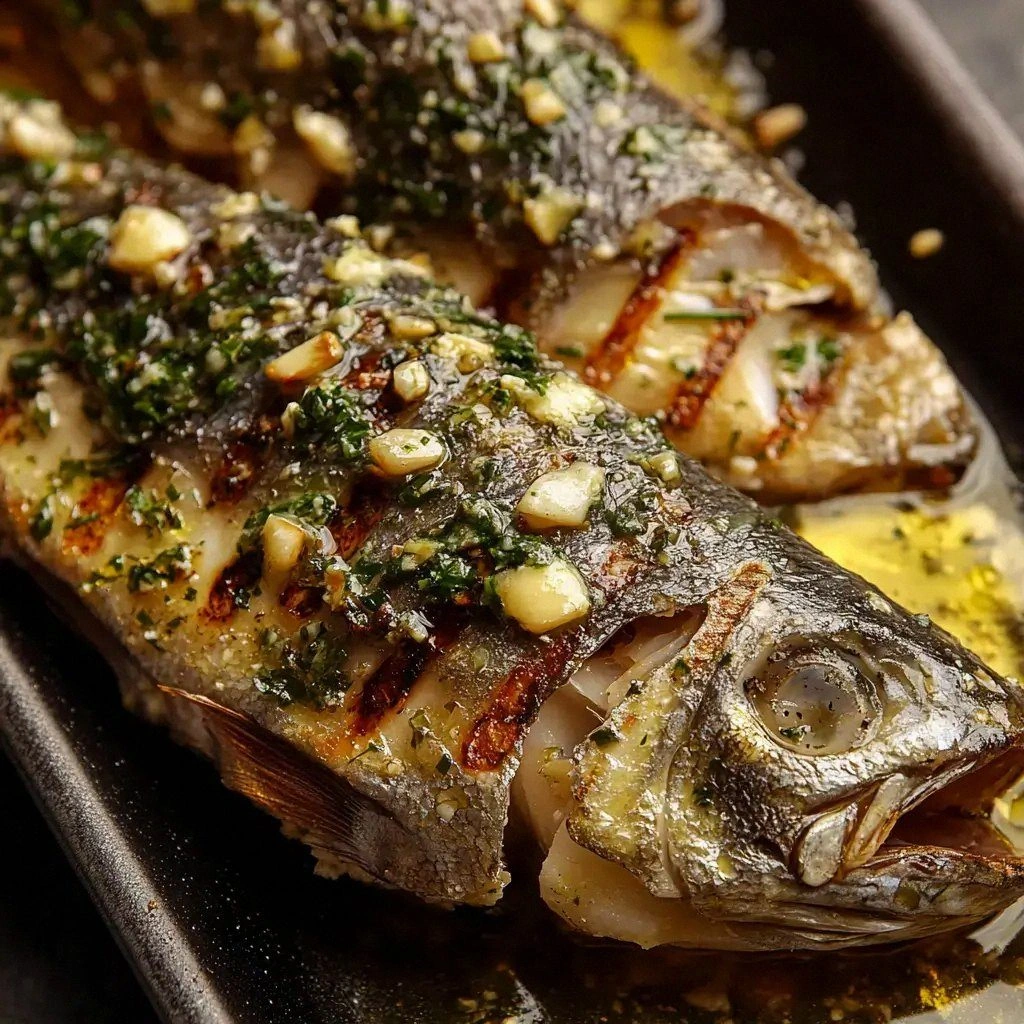
Picture the scene: the grill’s heat crackles, the fish sizzles, and the buttery aroma rises in a fragrant cloud that makes your nose twitch. The sound of the grill’s hiss is the soundtrack to a culinary triumph. The touch of the fish’s skin, slick and slightly rubbery before the butter hits, transforms into a buttery, slightly caramelized crust that gives a satisfying snap. The taste is a harmonious blend of savory salt, the sharpness of fresh garlic, and a citrusy lift from lemon that cuts through the richness. The finish is a lingering buttery aftertaste that invites you to dig in again.
What makes this version stand out is that it doesn’t rely on a complex technique or a rare ingredient. It’s simple, yet it feels like a gourmet experience. The garlic butter is the star, but it’s the balance of heat and moisture that keeps the fish from drying out. I dare you to taste this and not go back for seconds. I’ve heard people say, “I’ve made grilled fish before, but this feels like a revelation.” That’s because this recipe is built on a few key principles that most recipes miss. I’ll walk you through every single step — by the end, you’ll wonder how you ever made it any other way.
I’ll keep the tone playful, but I’ll also throw in some practical wisdom. Think of this as a recipe that’s as fun to read as it is to cook. We’ll tackle the ingredients, the method, and the secrets that make it so memorable. And if you’re wondering whether this is a “one‑time” experiment or a staple for your menu, the answer is: it’s a staple. The next sections will give you a roadmap that you can trust, no matter how many times you run it.
What Makes This Version Stand Out
- Flavor: The garlic butter melts into the fish, creating a buttery, garlicky coating that stays moist and tender, unlike the dry, over‑cooked fish you’ve seen before.
- Texture: The grill’s heat crisps the skin to a golden crunch while the interior remains silky, giving a contrast that feels like a culinary dance.
- Simplicity: Only a handful of ingredients are needed, yet the result feels luxurious and restaurant‑grade.
- Uniqueness: The addition of fresh lemon zest and a splash of white wine to the butter adds a bright, acidic counterpoint that most grilled fish recipes lack.
- Audience: Whether you’re feeding a family or impressing guests, the dish scales effortlessly and feels like a showstopper.
- Ingredient Quality: Fresh, high‑grade fish and butter make the difference; the recipe’s success hinges on quality over quantity.
- Method: The grilling technique is straightforward: a quick sear followed by a buttery finish that locks in moisture.
- Make‑ahead Potential: The garlic butter can be prepped a day ahead, and the fish can be marinated for a few hours, making this dish perfect for busy nights.
Alright, let’s break down exactly what goes into this masterpiece…
Inside the Ingredient List
The Flavor Base
The foundation of this dish is a simple yet potent butter mixture. Butter brings a creamy richness that coats the fish, while garlic adds pungency and depth. Lemon zest provides brightness, cutting through the butter’s heaviness and giving a fresh finish. A splash of white wine adds acidity that balances the richness and helps to tenderize the fish. If you’re feeling adventurous, a pinch of smoked paprika can add a subtle smokiness that complements the grill.
The Texture Crew
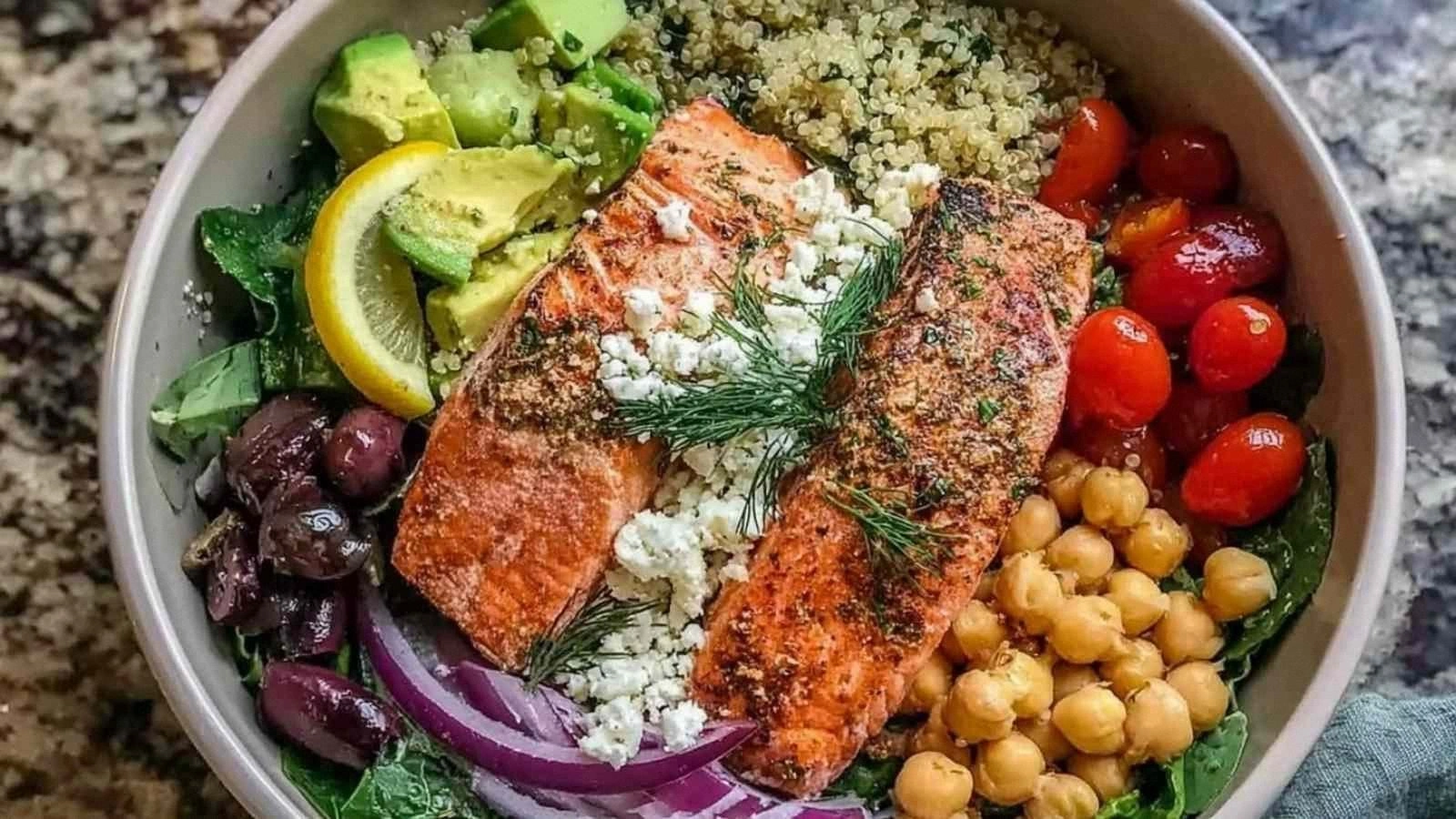
The fish itself is the star, and the way you handle it determines the final texture. Fresh fillets—ideally salmon, sea bass, or tilapia—should be firm, with a bright color and no off‑odors. Pat them dry before cooking to ensure a crisp skin. A light coating of olive oil or a quick brush of the butter mixture on the skin side prevents sticking and encourages a golden, blistered crust.
The Unexpected Star
Fresh herbs—parsley, dill, or basil—add a burst of color and a subtle herbal note that elevates the dish. They’re optional but recommended. If you’re cooking for a crowd, sprinkle the herbs over the finished dish for a pop of green that makes the plate look as good as it tastes.
The Final Flourish
A squeeze of fresh lemon juice right before serving brightens the entire plate. It’s a quick, final touch that lifts the buttery, garlicky flavors and gives the dish a balanced finish. If you want to add a bit more depth, a drizzle of good quality extra‑virgin olive oil can finish the sauce, adding shine and a silky mouthfeel.
Everything's prepped? Good. Let's get into the real action…
The Method — Step by Step
- Prep the fish. Pat the fillets dry with paper towels. Season both sides with sea salt and cracked black pepper. If you’re using thicker fillets, let them rest at room temperature for 10 minutes to ensure even cooking. This step is crucial; a dry surface gives a better sear.
- Make the garlic butter. In a small saucepan, melt 4 tablespoons of unsalted butter over medium heat. Add 4 minced garlic cloves, a pinch of salt, and a tablespoon of lemon zest. Stir until the garlic is fragrant and lightly golden—about 2 minutes. Add 1 tablespoon of white wine and let it reduce until the liquid evaporates. Stir in 2 tablespoons of chopped fresh herbs and a squeeze of lemon juice. Set aside; keep warm.
- Preheat the grill. Bring your grill to a medium‑high heat, around 375°F (190°C). Lightly oil the grates with a paper towel dipped in oil to prevent sticking. A clean, hot grill ensures a crisp skin.
- Grill the fish. Place the fillets skin‑side down on the grill. Cook for 4–5 minutes, then flip carefully. The skin should be crisp and slightly blistered, while the flesh remains opaque but not dry.
- Apply the garlic butter. Brush the top side of the fish with the warm garlic butter. Return to the grill for another 2–3 minutes, basting once more. The butter will melt into the fish, creating a glossy, flavorful coating.
- Watch the timing. The fish is done when it flakes easily with a fork and the internal temperature reaches 145°F (63°C). If you’re unsure, use a quick test: press the thickest part of the fish; it should feel firm yet give slightly.
- Rest before serving. Remove the fish from the grill and let it rest for 2 minutes. This allows the juices to redistribute, keeping the fish moist.
- Finish and plate. Drizzle any remaining garlic butter over the fillets. Sprinkle with fresh herbs and a final squeeze of lemon. Serve immediately with your choice of side—roasted veggies, a light salad, or a simple rice pilaf.
That’s it — you did it. But hold on, I've got a few more tricks that'll take this to another level…
Insider Tricks for Flawless Results
The Temperature Rule Nobody Follows
Many people grill at a high temperature, hoping for a quick sear, but this can cause the exterior to burn while the interior remains undercooked. The secret is to grill on medium heat, around 375°F, which allows the fish to cook evenly while still achieving a crispy skin. I’ve seen folks who tried 500°F and ended up with a charred exterior and a rubbery center.
Why Your Nose Knows Best
When the butter is melting, you’ll notice a buttery, garlicky aroma that signals the perfect moment to add the herbs. The scent is a cue that the garlic has released its oils and the butter has reached a golden stage. Trust that aroma; it’s the quickest way to avoid burning the garlic.
The 5‑Minute Rest That Changes Everything
Resting the fish for five minutes after grilling allows the juices to redistribute, preventing a dry bite. This small pause makes the difference between a flaky, moist fillet and a dry, stringy one. I’ve seen people skip it and end up with a fish that feels like rubber.
Use a Fish Thermometer
A digital thermometer that reads 145°F is the best way to ensure doneness. Relying on time alone can lead to overcooking, especially if your grill fluctuates in temperature. Insert the probe into the thickest part of the fillet; when it reads 145°F, it’s ready.
Finish with a Splash of Acid
A final squeeze of lemon or a splash of white wine right before serving lifts the buttery richness and brightens the overall flavor. It’s a simple step that elevates the dish from good to unforgettable.
Creative Twists and Variations
This recipe is a playground. Here are some of my favorite ways to switch things up:
Smoky Chipotle Butter
Add 1 teaspoon of chipotle powder to the butter mixture for a smoky, spicy kick. The heat pairs beautifully with the mild flavor of the fish, creating a complex profile.
Herb‑Infused Olive Oil
Instead of butter, use a high‑quality extra‑virgin olive oil infused with rosemary and thyme. Brush it on the fish before grilling for a Mediterranean twist.
Asian‑Inspired Sesame Sauce
Replace the garlic butter with a sauce made from soy sauce, sesame oil, ginger, and a touch of honey. Drizzle over the fish after grilling for an umami‑rich finish.
Capers and Lemon Zest
Stir 2 tablespoons of capers into the garlic butter for briny, tangy bursts that cut through the richness. The lemon zest will keep the flavors bright.
Spicy Cajun Rub
Season the fish with a Cajun spice blend before grilling, then finish with a butter sauce. The spice rub adds heat and depth while the butter keeps the fish moist.
Grilled Swordfish Steak
Swap salmon for swordfish steak, which holds up well to the grill’s heat. The buttery sauce will cling beautifully to the firm flesh, delivering a hearty, satisfying bite.
Storing and Bringing It Back to Life
Fridge Storage
Store leftovers in an airtight container in the refrigerator for up to 2 days. The fish will keep its moisture if you wrap it tightly, preventing the buttery sauce from drying out. When you’re ready to reheat, do so gently to avoid over‑cooking.
Freezer Friendly
For longer storage, place the cooked fillets in a freezer‑safe bag and remove as much air as possible. Freeze for up to 2 months. When reheating, thaw overnight in the refrigerator and then warm in a skillet over low heat.
Best Reheating Method
Reheat the fish in a skillet with a splash of water or broth, covering the pan with a lid for 3–4 minutes. The added moisture keeps the fish from drying out. Finish with a quick drizzle of fresh garlic butter to bring back that buttery sheen.