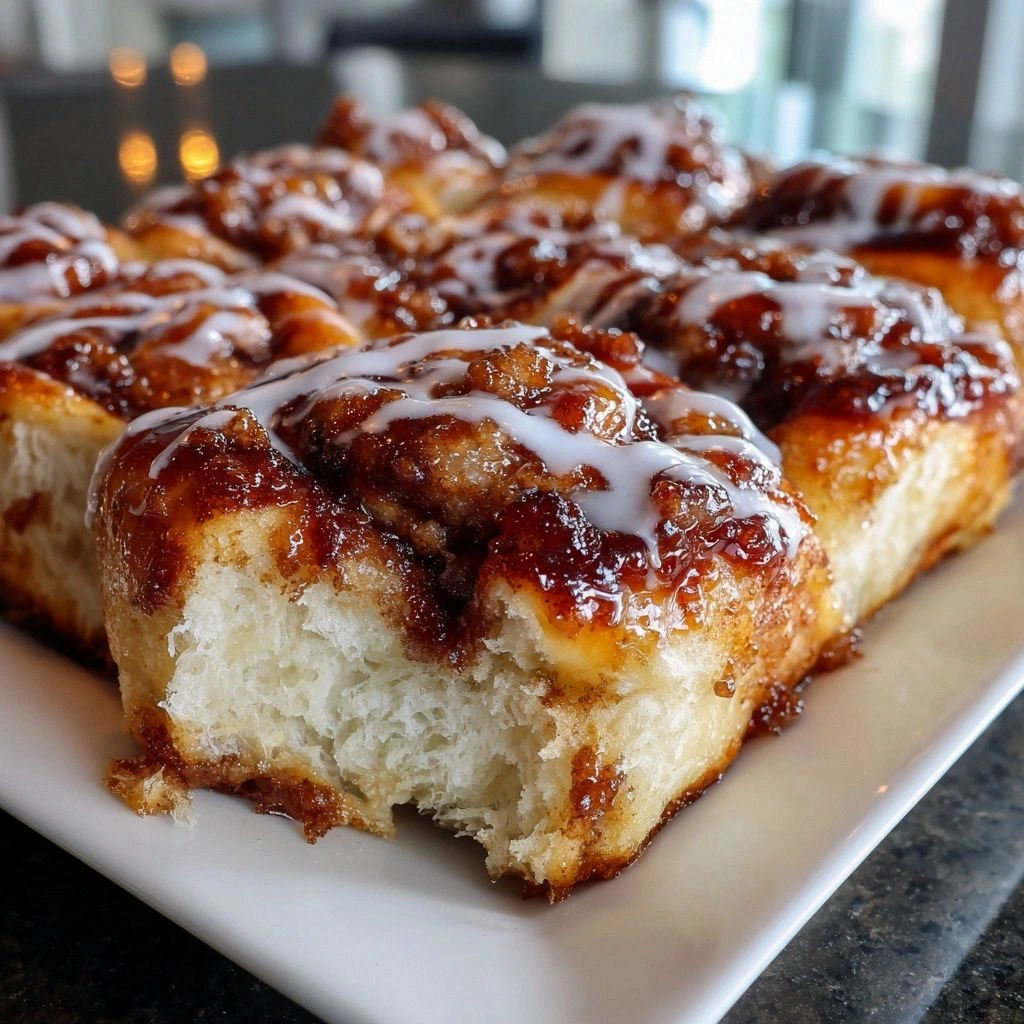
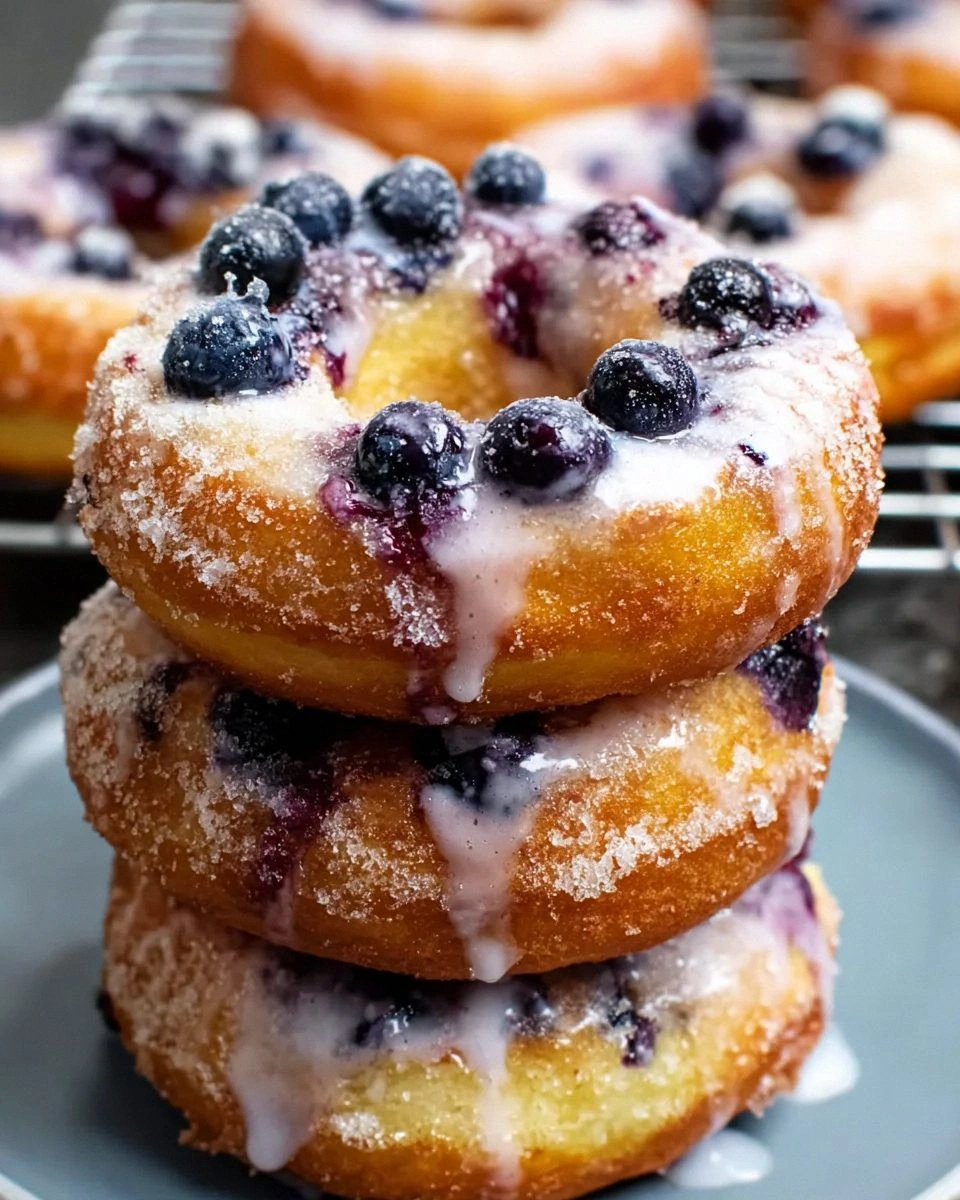
I remember the night I almost gave up on dessert entirely. The kitchen was a battlefield of melted chocolate, clattering bowls, and a stubborn white chocolate that refused to melt smoothly. My friend dared me to create a mousse that would make even the most skeptical taste buds swoon, and I swore I would deliver. The aroma that finally filled the room—rich, buttery, with a faint vanilla undertone—was enough to convince me that this was going to be a triumph.
Picture this: you’re standing in a bright kitchen, the counter gleaming, the sound of the blender humming in the background. The white chocolate is silky, not gritty, and when you stir in the cream, the mixture thickens into a glossy, cloud‑like texture that feels like a secret held in a glass. The first spoonful is airy, like a cloud that melts into a sweet, buttery kiss. The subtle hint of vanilla dances on the palate, leaving a lingering, almost floral aftertaste that makes you want to take a second bite.
What sets this version apart from the countless other mousse recipes you’ll find online is the meticulous balance of ingredients and the precise technique that turns simple components into a velvety masterpiece. I’ve refined the ratio of white chocolate to cream to ensure that the mousse is light enough to float on a fork yet rich enough to satisfy any sweet tooth. The addition of a touch of gelatin gives it a silky structure that holds its shape without being rigid, a trick that most people overlook.
I’ll walk you through every single step, from the first melt to the final garnish, and by the end, you’ll wonder how you ever made mousse any other way. I dare you to taste this and not go back for seconds. If you’ve ever struggled with achieving that perfect airy texture, you’re not alone—and I’ve got the fix.
What Makes This Version Stand Out
- Texture: The mousse is cloud‑like, light enough to dissolve on the tongue, yet firm enough to hold its shape when piped. The gelatin creates a subtle snap that is satisfying to bite into, a contrast that elevates the dessert from ordinary to extraordinary.
- Flavor: The white chocolate provides a creamy sweetness that is not overpowering, while the vanilla extract adds depth without masking the chocolate’s subtle nuances. The pinch of salt balances the sweetness, giving the mousse a refined finish.
- Simplicity: With only nine core ingredients, this recipe is quick to assemble and doesn’t require specialized equipment. The process can be completed in under an hour, making it perfect for both week‑night treats and special occasions.
- Make‑Ahead: The mousse can be prepared up to 24 hours in advance, allowing you to focus on plating and presentation when guests arrive. The gelatin keeps it stable even after refrigeration.
- Ingredient Quality: Using high‑grade white chocolate and fresh cream makes all the difference. A premium chocolate will melt smoothly and impart a richer flavor, while fresh cream ensures a silky mouthfeel.
- Visual Appeal: When plated, the mousse looks like a delicate cloud, with a glossy sheen that catches the light. A dusting of cocoa or a drizzle of caramel adds a splash of color without overpowering the subtle elegance.
- Versatility: This base can be transformed with fruit purees, liqueurs, or spices. It’s a canvas ready for your creative twists.
- Audience Reaction: Friends who have tried other mousses will be impressed by the airy, melt‑in‑your-mouth experience. It’s a dessert that earns compliments without demanding a lot of time.
Alright, let's break down exactly what goes into this masterpiece…
Inside the Ingredient List
The Flavor Base
White chocolate is the star of this mousse, offering a sweet, buttery flavor that’s more subtle than its dark counterpart. Using a premium brand ensures a smooth melt and a richer taste. If you’re on a budget, choose a chocolate with a lower cocoa butter percentage to avoid a greasy finish. Skipping the chocolate would turn this into a simple whipped cream, losing the luxurious depth that makes the mousse memorable.
Heavy cream provides the body and the airy lift that defines a good mousse. Fresh, high-fat cream (35–40% fat) is ideal; it whips better and holds more volume. If you’re in a hurry, you can substitute half-and-half, but expect a slightly denser texture. The cream’s fat content is essential for that silky mouthfeel that melts instantly.
The Texture Crew
Egg yolks are the emulsifying agent that binds the chocolate and cream into a cohesive mixture. They also add richness and help the mousse set. If you’re vegan or allergic, you can replace the yolks with a tablespoon of cornstarch mixed with a splash of water for a similar thickening effect.
Gelatin powder gives the mousse its structure, preventing it from collapsing in the fridge. Dissolve it in cold water first to avoid clumping, then gently heat to activate. If you prefer a vegetarian option, a plant‑based gelling agent like agar‑agar can be used, but you’ll need to adjust the activation method.
The Unexpected Star
Vanilla extract is the quiet hero that ties the flavors together. A single teaspoon of high-quality vanilla enhances the chocolate’s sweetness without overpowering it. If you’re in a pinch, vanilla bean paste can replace the extract for a more intense aroma.
A pinch of salt is a subtle but crucial addition; it cuts through the sweetness and brings out the chocolate’s nuances. Skipping the salt can result in a cloyingly sweet mousse that lacks depth. Remember, a little goes a long way.
The Final Flourish
Butter adds a glossy sheen and a subtle richness that makes the mousse feel indulgent. It also helps stabilize the mixture, preventing separation. A tablespoon is enough; too much can make the mousse greasy.
Water is used to dissolve the gelatin; it’s the silent helper that keeps the mousse from becoming too stiff. The amount is small, but it’s essential for achieving the right consistency.
Optional: Lemon zest adds a bright, citrusy note that cuts through the richness. It’s a small tweak that can transform the flavor profile for those who love a hint of brightness.
Everything's prepped? Good. Let's get into the real action…
The Method — Step by Step
- Begin by setting a saucepan over low heat and placing a heat‑proof bowl on top, ensuring the bottom of the bowl doesn’t touch the water. Add the white chocolate to the bowl, stirring constantly with a silicone spatula until it’s completely melted and silky. The chocolate should look glossy and have a temperature of about 45°C; if it’s too hot, it can seize.
- In a separate bowl, whisk the heavy cream, sugar, and vanilla extract until the sugar dissolves. This mixture should feel silky and slightly thickened, but not whipped yet. The sugar will help balance the chocolate’s sweetness.
- Gently fold the melted chocolate into the cream mixture, ensuring there are no lumps. The mixture should have a smooth, glossy consistency, like a thick milkshake. This step is crucial; any lumps will ruin the mousse’s texture.
- In a small saucepan, bring 30 ml of water to a gentle simmer. Sprinkle the gelatin powder over the surface and let it bloom for 2–3 minutes. Once bloomed, stir until the gelatin dissolves completely, creating a clear, viscous liquid.
- Temper the gelatin by adding a few tablespoons of the chocolate‑cream mixture to the gelatin, whisking until smooth. Then pour the tempered gelatin back into the main bowl, whisking continuously to avoid any clumps. This step ensures the gelatin distributes evenly without forming lumps.
- Add the egg yolks to the bowl, one at a time, whisking vigorously after each addition. The mixture should thicken slightly and become opaque, indicating that the yolks are fully incorporated. This creates a richer, silkier mousse.
- Fold in the butter, a tablespoon at a time, until fully melted and incorporated. The butter will give the mousse a glossy sheen and help stabilize the mixture.
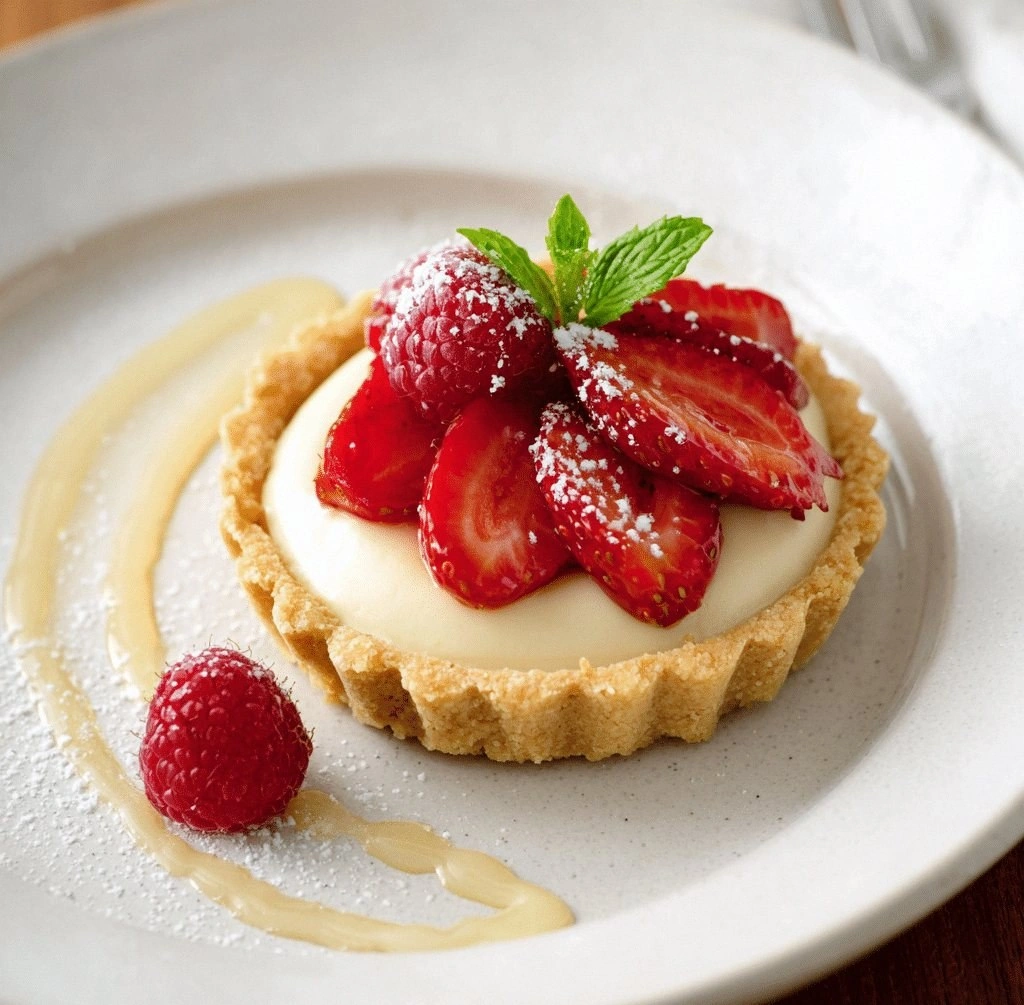
- Transfer the mixture into a clean bowl or a 9-inch tart pan. Chill in the refrigerator for at least 30 minutes, then let it set for 4–6 hours or overnight. The gelatin will firm the mousse, giving it a perfect bite.
- Before serving, dust the top with a light sprinkle of cocoa powder or zest of lemon, if desired. The contrast of colors and textures adds a final flourish that elevates the presentation.
- Serve immediately or keep chilled until ready to serve. If you’re plating it on a tart shell, let the mousse sit at room temperature for 10–15 minutes to soften slightly for easier slicing.
That's it — you did it. But hold on, I've got a few more tricks that'll take this to another level…
Insider Tricks for Flawless Results
The Temperature Rule Nobody Follows
The key to a silky mousse is controlling the temperature of every component. The chocolate should be melted at 45°C, the cream at room temperature, and the gelatin should be at a gentle 60°C before adding. A thermos or a digital thermometer can help keep these temperatures consistent, preventing any unwanted texture changes.
Why Your Nose Knows Best
Before whisking the gelatin, sniff the mixture. A faint buttery aroma indicates the gelatin is fully dissolved. If it smells like raw gelatin, you need to stir more or add a bit of warm water. Your nose is a reliable indicator of the mixture’s readiness.
The 5-Minute Rest That Changes Everything
After folding in the egg yolks, let the mixture rest for 5 minutes before adding the butter. This brief pause allows the yolks to emulsify fully, creating a richer, more stable mousse. Skipping this step can result in a mousse that separates or becomes too runny.
The Whisk vs. Immersion Blender Debate
While a whisk works, an immersion blender can incorporate air more efficiently, leading to a lighter mousse. However, be careful not to overblend, or the mixture will become too airy and lose structure. A quick 10–15 seconds is enough.
The Final Touch of Butter
Adding the butter last, in small increments, ensures it melts into the mixture without creating clumps. Butter also gives the mousse a glossy finish that is visually appealing. If you notice a greasy texture, reduce the butter by half.
Creative Twists and Variations
This recipe is a playground. Here are some of my favorite ways to switch things up:
Citrus Burst
Add a tablespoon of fresh lemon zest and a splash of lemon juice to the mixture. The bright citrus cuts through the sweetness, creating a refreshing contrast that pairs well with a crisp white wine.
Almond Infusion
Replace half of the white chocolate with almond milk chocolate for a nutty undertone. Finish with toasted almond slivers on top for added crunch and a nutty aroma.
Red Wine Swirl
Fold in a tablespoon of dry red wine after the gelatin is dissolved. The wine adds depth and a subtle tannin that balances the mousse’s richness, making it a perfect dessert for a dinner party.
Coffee Kick
Stir in a teaspoon of instant espresso powder or a shot of strong brewed espresso. The coffee’s bitterness contrasts with the sweet mousse, creating a sophisticated flavor profile that pairs well with chocolate desserts.
Berry Compote
Serve the mousse with a warm compote of mixed berries. The tartness of the berries complements the creamy mousse and adds a burst of color and freshness.
Minted Delight
Add a few fresh mint leaves or a splash of mint extract to the mousse. The mint provides a cooling effect, making this version especially refreshing on a hot summer evening.
Storing and Bringing It Back to Life
Fridge Storage
Store the mousse in an airtight container in the refrigerator for up to 48 hours. The gelatin keeps it firm, so it won’t spill or leak. When ready to serve, let it sit at room temperature for 10–15 minutes to soften slightly for easier slicing.
Freezer Friendly
The mousse can be frozen for up to two weeks. Wrap it tightly in plastic wrap and place it in a freezer bag. Thaw overnight in the refrigerator, then let it sit at room temperature for 20 minutes before serving.
Best Reheating Method
If the mousse has become too firm after refrigeration or freezing, gently warm it in a bowl of warm water for 2–3 minutes. Add a splash of water to create steam, which helps re‑soften the mousse without melting it.