I remember the night I almost gave up on gluten‑free cooking. My apartment smelled like a disaster zone—half‑cooked rice noodles, a burnt pot of sauce, and a bag of frozen broccoli that looked more like a winter tree than a vegetable. I stared at the stove, feeling the weight of a friend’s challenge: “Make a stir‑fry that’s actually tasty.” That promise became my culinary mission. I dug out a box of rice noodles, a rainbow of veggies, and a handful of pantry staples. The kitchen lights flicked on, and the air filled with the promise of something new. I swear the scent of sizzling garlic and ginger was the first hint that this would be a triumph.
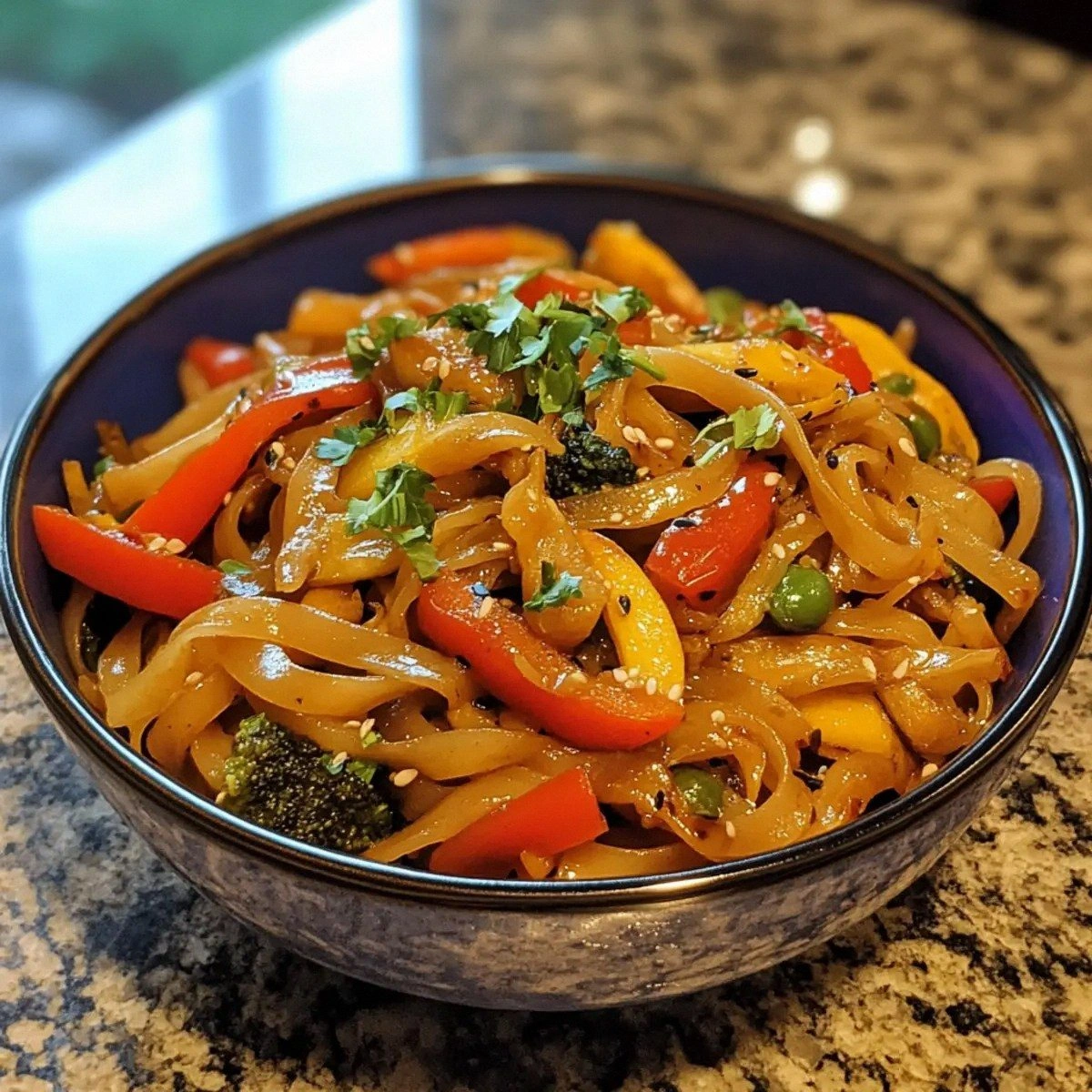
Picture this: the noodles glistening in a pan, the vegetables popping with a bright, almost theatrical crunch, and a sauce that clings to every strand like a silky coat of velvet. The sound of the wok is a rhythmic drumbeat, the heat a gentle, steady pulse. The first bite is a burst of umami, a dash of heat, and that satisfying snap that echoes the crunch of fresh snap peas. It’s not just a meal; it’s a sensory experience that turns an ordinary evening into a mini celebration.
What sets this version apart is that it’s not just gluten‑free—it’s a full‑blown flavor explosion that anyone can master in under 30 minutes. No fancy sauces, no complicated techniques, just honest, vibrant ingredients that talk to each other. The sauce is a balance of sweet and savory that coats the noodles without overpowering them, and the veggies stay bright and crisp. And the best part? It’s a dish that feels like a crowd‑pleaser at a dinner party or a comforting solo meal on a rainy night. I dare you to taste this and not go back for seconds.
I’ll be honest—after I made this, I ate half the batch before anyone else even had a chance. The rest of the night, the kitchen smelled like a fresh, spicy garden. I’ve been telling everyone that this is hands down the best version of a rice noodle stir‑fry you'll ever make at home. If you’ve ever struggled with bland, soggy noodles, you’re not alone—and I’ve got the fix. Stay with me, because this next part is pure magic.
What Makes This Version Stand Out
- Flavor: The sauce marries sweet, salty, and umami in a way that makes each bite sing. The honey or maple syrup gives a natural sweetness that balances the tamari’s depth, while the ginger adds a bright, almost citrusy lift.
- Texture: The noodles remain al dente, and the vegetables hold their crispness. The quick stir‑fry technique preserves the snap of snap peas and the crunch of broccoli florets.
- Speed: From prep to plate, you’re in and out of the kitchen in 45 minutes. No time‑consuming marinades or slow simmering.
- Versatility: Swap the veggies for whatever you have on hand—snow peas, baby bok choy, or even a handful of spinach. The sauce works with tofu, tempeh, or shrimp.
- Gluten‑free Focus: Every ingredient is naturally gluten‑free, so you can keep the dish safe for celiac patients or those with a gluten intolerance.
- Make‑ahead Friendly: The dish can be prepared ahead and reheated without losing flavor or texture. Just add a splash of water and a quick stir.
Alright, let’s break down exactly what goes into this masterpiece…
Inside the Ingredient List
The Flavor Base
Tamari or gluten‑free soy sauce is the backbone of the sauce, delivering a savory depth that’s essential for a stir‑fry. If you’re looking for a slightly sweeter profile, swap it with coconut aminos. The rice vinegar adds a bright acidity that cuts through the richness of the sesame oil and honey. Together, they create a balanced, glossy glaze that coats the noodles like a silky coat of velvet. Skipping the vinegar will leave the dish flat and syrupy; the acidity is what lifts the entire flavor profile.
The Sweet & Heat Layer
Honey or maple syrup provides natural sweetness that balances the saltiness of the tamari. If you’re watching calories or prefer a plant‑based option, a splash of agave nectar works fine. The red pepper flakes bring a subtle heat that keeps the dish from feeling too mellow. Too many flakes, and you risk burning your palate; too few, and the dish feels like a bland vegetable stir‑fry. A pinch of them is enough to give the dish a warm, comforting kick.
The Texture Crew
Rice noodles are the star of the show, offering a neutral canvas that absorbs the sauce beautifully. Their delicate, chewy texture provides a satisfying bite. Broccoli florets and snap peas keep the dish vibrant, offering bright green colors and a satisfying crunch. Carrots add a touch of sweetness and a pop of orange that brightens the plate. If you’re craving a different protein, you can toss in diced tofu, tempeh, or even a quick sear of shrimp to elevate the dish.
The Unexpected Star
Scallions, garlic, and ginger are the unsung heroes that bring depth and aroma. Garlic provides a savory backbone, while ginger adds a bright, almost citrusy lift that brightens the sauce. Scallions finish the dish with a fresh, oniony crunch that balances the heavier flavors. If you’re a fan of a more robust ginger flavor, add a tablespoon of fresh grated ginger instead of the inch root. Conversely, if you’re sensitive to garlic, you can reduce it to one clove or use garlic-infused oil for a milder taste.
Everything’s prepped? Good. Let’s get into the real action…
The Method — Step by Step
- Prep the noodles: Bring a large pot of salted water to a boil. Add the rice noodles and cook for 4–5 minutes, or until they’re just tender but still firm. Drain, rinse under cold water, and set aside. This step is crucial—overcooked noodles will become mushy and lose their satisfying bite. I like to toss them with a teaspoon of sesame oil to keep them from sticking.
- Heat the wok: Place a large wok or skillet over high heat. Add the sesame oil and let it shimmer. The oil should be hot enough that a splash of water sizzles on contact. This high heat is what gives the vegetables their crisp edges that shatter like thin ice.
- Sauté aromatics: Add minced garlic and grated ginger to the pan. Stir for 30 seconds until fragrant. The aroma should be sharp and uplifting. Be careful not to let them burn; a quick, quick stir keeps them bright.
- Cook the vegetables: Toss in the broccoli florets and carrots first, as they take a bit longer. Stir-fry for 2 minutes. Add the snap peas and bell peppers; continue cooking for another 2 minutes. The vegetables should be bright and slightly crisp, not soggy. The goal is a rainbow of colors and textures.
- Make the sauce: In a small bowl, whisk together tamari, rice vinegar, honey or maple syrup, sesame oil, and red pepper flakes. The sauce should be glossy and slightly viscous. If you prefer a thinner sauce, add a splash of water or a little more vinegar.
- Combine noodles and sauce: Add the drained noodles to the pan, then pour the sauce over them. Toss everything together until the noodles are evenly coated. The sauce should cling to the noodles like a silky glaze. The heat should be medium; too high and you risk burning the sauce, too low and the noodles will steam instead of stir‑fry.
- Finish with scallions: Toss in the sliced scallions and give the dish one final quick stir. The scallions add a fresh, oniony crunch that balances the richer flavors. Serve immediately, garnished with a drizzle of sesame oil if desired.
- Serve and enjoy: Plate the noodles in a shallow bowl or on a flat plate. The dish should look vibrant, with bright green veggies and a glossy sauce. The first bite should be a burst of umami, a touch of heat, and a satisfying crunch. That sizzle when it hits the pan? Absolute perfection.
That’s it — you did it. But hold on, I’ve got a few more tricks that’ll take this to another level…
Insider Tricks for Flawless Results
The Temperature Rule Nobody Follows
Many cooks think “high heat” is always the answer, but the trick is to start high for the aromatics and then dial it down when you add the sauce. If the heat stays too high, the sauce can scorch, giving the dish a bitter aftertaste. I like to keep the wok at medium after adding the sauce, which allows the noodles to absorb the sauce without turning them into a mushy mess.
Why Your Nose Knows Best
The first hint that everything’s working is the smell of toasted sesame oil and fresh ginger. When the oil is hot enough, it releases a nutty aroma that signals the pan is ready. If you notice a burnt smell, the oil is too hot. Trust your nose—if it smells like a fresh garden, you’re on the right track.
The 5‑Minute Rest That Changes Everything
Once you’ve tossed the noodles and sauce, let the dish rest for 5 minutes before serving. This allows the flavors to meld, and the noodles to absorb the sauce fully. It also gives the vegetables a chance to firm up a bit, preventing them from becoming soggy.
Use a Wide Pan for Even Cooking
A wide, shallow pan ensures the noodles and veggies spread out in a single layer. This promotes even cooking and prevents the noodles from clumping together. If you’re using a deep skillet, you’ll end up with unevenly cooked veggies.
Add a Splash of Water at the End
If you find the sauce too thick or the noodles sticking together, add a tablespoon of water or vegetable broth at the last minute. This creates steam that helps separate the noodles and keeps the dish moist. A quick stir and the dish is ready.
Creative Twists and Variations
This recipe is a playground. Here are some of my favorite ways to switch things up:
Asian Fusion
Swap the rice noodles for udon or soba noodles and add a splash of sriracha for an extra kick. The thicker noodles will soak up the sauce, creating a hearty, comforting dish.
Mediterranean Twist
Use quinoa instead of noodles, and add olives, feta cheese, and a squeeze of lemon. The nutty quinoa pairs nicely with the bright, tangy sauce.
Protein Boost
Add cubed tofu or tempeh for a protein punch. Marinate the tofu in a bit of soy sauce and ginger before stir‑frying to lock in flavor.
Vegan Sweet Heat
Use maple syrup instead of honey and add a pinch of cayenne pepper for a spicy, vegan-friendly version that still packs a punch.
Low‑Carb Version
Replace the rice noodles with spiralized zucchini or shirataki noodles. Keep the sauce the same, and you’ll have a low‑carb, gluten‑free meal that still feels indulgent.
Storing and Bringing It Back to Life
Fridge Storage
Store leftovers in an airtight container for up to 3 days. Keep the sauce separate if possible; this prevents the noodles from becoming soggy. When you’re ready to reheat, drizzle a little water over the noodles and heat gently.
Freezer Friendly
Freeze in a single layer on a parchment paper sheet, then transfer to a freezer bag. The dish can be stored for up to 2 months. Thaw overnight in the fridge, then reheat with a splash of water.
Best Reheating Method
Reheat on the stovetop over medium heat, adding a tablespoon of water or broth to loosen the sauce. Stir frequently until heated through. The tiny splash of water steams the noodles back to perfection and keeps the sauce from drying out.