I was standing in my kitchen on a rainy Saturday, trying to salvage a pot of overcooked carrots that had turned mushy. The only thing that could save them was a bold, savory glaze that could turn disappointment into delight. That moment sparked an idea: a miso‑glazed vegetable tray that could rescue any batch of root veggies. I grabbed a handful of Easter Egg Radishes, a head of purple cauliflower, and some baby potatoes, hoping the miso would bring them together. The result was a dish that tasted like a springtime celebration in a bowl.
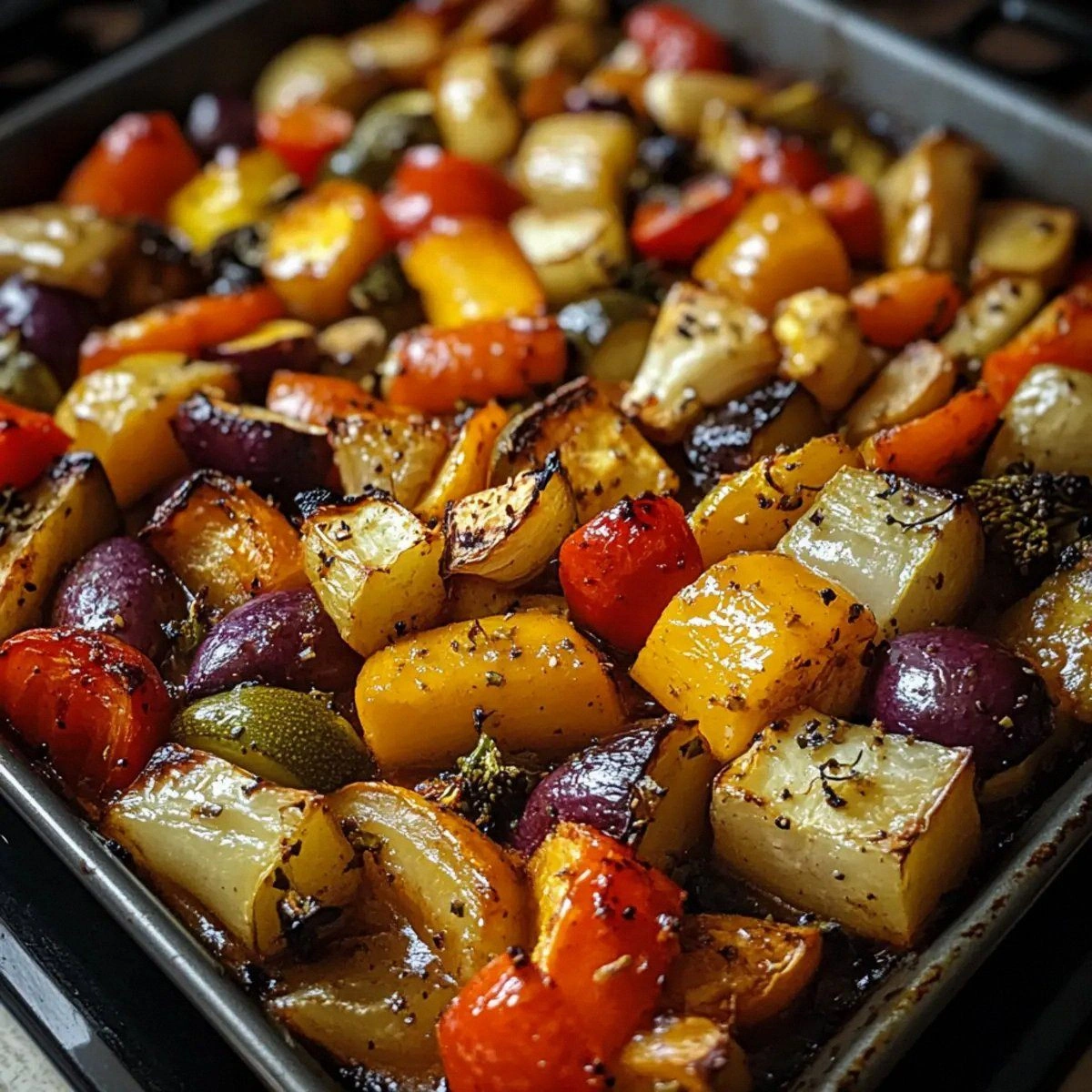
Fast forward to today, and this recipe has become my go‑to when I want to impress family or friends with something that feels both comforting and adventurous. The glaze coats the vegetables like velvet, creating a glossy sheen that glistens under the kitchen light. The carrots stay crisp in the center, while the cauliflower edges caramelize into a subtle crunch that shatters like thin ice. The aroma that fills the air is a sweet, umami hug that makes the entire house feel warm. And the best part? It’s simple enough that even a novice can master it, yet sophisticated enough to wow seasoned cooks.
What sets this version apart is the unexpected twist of Easter Egg Radishes, which bring a pop of bright color and a peppery bite that cuts through the richness of the miso. I dare you to taste this and not go back for seconds because the balance of sweet honey and salty soy creates a flavor profile that lingers on the tongue. The use of sesame oil and toasted sesame seeds adds a nutty depth that feels like a secret handshake between East and West. The fresh ginger and garlic punch the glaze with a clean, sharp finish that prevents it from feeling cloying. The result is a dish that is both bold and harmonious, a true culinary win‑win.
Picture yourself pulling this out of the oven, the whole kitchen smelling incredible, and everyone leaning forward to taste the first bite. Most recipes get this completely wrong by overcooking or under‑seasoning the veggies, but here everything works together like a well‑rehearsed orchestra. I’ll be honest — I ate half the batch before anyone else got to try it, and that was a sign that the dish is that good. And now the fun part: we’ll dive into the details, step by step, so you can recreate this masterpiece at home. Let me walk you through every single step — by the end, you'll wonder how you ever made it any other way.
What Makes This Version Stand Out
- Flavor Fusion: The miso glaze marries sweet honey with savory soy, creating a layered taste that dances on the palate. This harmony elevates simple veggies into a gourmet experience.
- Color Explosion: The Easter Egg Radishes add a pop of crimson that makes the tray visually irresistible. The contrast of colors invites the first bite before even tasting.
- Texture Balance: Carrots stay firm while cauliflower edges crisp to a golden crunch. The baby potatoes achieve a buttery interior that melts in the mouth.
- Nutty Nuance: Toasted sesame seeds and sesame oil provide a subtle nuttiness that lingers after each bite. This element ties all the flavors together.
- Easy Prep: All vegetables are chopped in one pass, reducing kitchen time and cleanup. The glaze is whisked in seconds, so you can focus on the oven.
- Versatile Serving: It works as a side dish, a main for vegetarians, or a topping for rice bowls. The glaze also doubles as a dipping sauce for dumplings.
- Make‑Ahead Friendly: The glazed veggies keep well in the fridge for up to three days. Reheat gently to preserve the caramelized edges.
- Health‑Conscious: Low in saturated fat, high in fiber, and packed with vitamins from root veggies. The miso provides probiotics that support gut health.
Inside the Ingredient List
The Flavor Base
White miso paste is the heart of this glaze, offering a mellow umami that grounds the sweetness of honey. It also adds a subtle saltiness that balances the bright vegetables. If you skip miso, the glaze will lack depth and feel flat. A good quality miso will make the dish feel more authentic; avoid instant miso mixes that taste artificial.
Honey or maple syrup provides the caramelizing sugar that gives the glaze its glossy sheen. The choice between honey and maple can subtly shift the flavor profile: honey leans sweeter and floral, while maple adds a smoky undertone. If you’re vegan, maple syrup is the perfect substitute, though the glaze will be slightly less sweet.
Soy sauce brings saltiness and depth, acting as a bridge between miso and honey. A low‑sodium version keeps the dish from becoming overly salty, allowing the vegetables’ natural flavors to shine. If you’re sensitive to sodium, use a splash of tamari or coconut aminos.
Rice vinegar cuts through the richness with a bright acidity, preventing the glaze from feeling heavy. A small splash of extra vinegar can brighten the dish if you prefer a sharper finish. If you don’t have rice vinegar, apple cider vinegar works well as a substitute.
Sesame oil adds a toasted, nutty aroma that elevates the glaze. Its low smoke point means it should be added at the end to preserve its fragrance. If you can’t find sesame oil, a tiny amount of toasted olive oil will give a similar warmth.
The Texture Crew
Carrots provide a natural sweetness and a satisfying crunch when roasted. Choosing orange carrots gives a brighter color; baby carrots are convenient but can be slightly softer if overcooked. If you’re using larger carrots, cut them into uniform pieces to ensure even cooking.
Baby potatoes offer a creamy interior that pairs beautifully with the glaze. Their skins are thin, so they roast quickly and develop a caramelized crust. If you prefer a firmer bite, add a splash of olive oil before roasting.
Purple cauliflower adds a pop of color and a mild, slightly nutty flavor. Its florets hold up well to roasting, maintaining a tender core while the edges crisp. If you can’t find purple cauliflower, regular white cauliflower works just as well.
Red onion brings a sharp, sweet bite that balances the glaze’s sweetness. It also adds a subtle color contrast. If you’re sensitive to onion, use half the amount or substitute with scallions.
The Unexpected Star
Easter Egg Radishes are the showstopper of this dish, offering a peppery bite that cuts through the rich glaze. Their bright red color makes the tray visually striking. If you can’t find Easter Egg Radishes, regular radishes will work, but the color contrast will be less vivid.
The Final Flourish
Garlic infuses the glaze with a warm, aromatic depth that complements the miso. Fresh garlic is best; if you’re out, a small pinch of garlic powder will suffice. Avoid over‑roasting garlic, or it will turn bitter.
Fresh ginger adds a bright, zesty kick that brightens the glaze and keeps it from feeling heavy. Grated ginger is essential; a pinch of ground ginger can replace it but will alter the flavor profile.
Toasted sesame seeds give a subtle crunch and nutty flavor that ties the dish together. Toast them in a dry pan until golden before sprinkling them on top. If you’re allergic to sesame, omit or replace with chopped almonds.
Chopped spring onions and fresh coriander leaves add a fresh, herbal note that lifts the dish. They also provide a pop of green that contrasts beautifully with the red radishes. If you’re out of coriander, parsley works as a substitute.
Everything's prepped? Good. Let's get into the real action...
The Method — Step by Step
- Preheat your oven to 425°F (220°C). Line a large baking sheet with parchment paper or a silicone mat to prevent sticking. Arrange the vegetables in a single layer, ensuring they have enough space to roast evenly. This step is critical for achieving that caramelized edge. If you’re in a hurry, skip the parchment, but the cleanup will be a bit more tedious.
- In a small bowl, whisk together miso paste, honey, soy sauce, rice vinegar, sesame oil, minced garlic, grated ginger, and a splash of water to thin the glaze. Stir until the mixture is smooth and glossy. The water helps the glaze coat the vegetables evenly. If the glaze is too thick, add a teaspoon of warm water. Taste before applying; it should have a balanced sweet‑savory profile.
- Drizzle the glaze over the vegetables, tossing gently so each piece is coated. Make sure the glaze reaches the edges for maximum caramelization. The glaze should cling to the veggies like a glossy coat. If you notice any dry spots, brush a little more glaze on. This step is where the magic begins.
- Roast the vegetables in the preheated oven for 20 minutes. After 10 minutes, give them a gentle stir to ensure even browning. The carrots should begin to soften, and the cauliflower edges should start to crisp. Watch the color change; it’s a sign of perfect caramelization. Avoid over‑roasting, or the veggies will become mushy.
- At 20 minutes, sprinkle toasted sesame seeds, chopped spring onions, and fresh coriander leaves over the tray. This adds a burst of color and a fresh herbal note. The seeds will toast slightly in the heat, adding crunch. Keep an eye on the veggies; the seeds can burn if left too long.
- Continue roasting for another 10 minutes, or until the vegetables are tender and the glaze has thickened into a glossy coating. The edges should look slightly charred, indicating caramelization. If you like a more caramelized flavor, leave them another 2 minutes.
- Remove the tray from the oven and let the vegetables rest for 5 minutes. This allows the glaze to set and the flavors to meld. The vegetables will continue to cook slightly from residual heat. During this rest, you can finish the plating or add a final sprinkle of fresh herbs.
- Serve the glazed veggies hot, either on their own as a hearty side or over a bed of steamed rice. Garnish with extra toasted sesame seeds for crunch. The dish pairs wonderfully with a light citrus salad or a simple cucumber slaw. If you’re feeling adventurous, top with a fried egg for an extra protein boost.
- Enjoy your masterpiece! The combination of sweet, salty, and umami flavors will have everyone asking for the recipe. Remember to share the story of how a rainy Saturday turned into a culinary triumph. The dish is versatile enough to be served at brunch, lunch, or dinner, and it always feels like a celebration.
Insider Tricks for Flawless Results
The Temperature Rule Nobody Follows
Most people roast at 400°F, but raising the temperature to 425°F gives a better caramelization. The higher heat helps the glaze set into a glossy coating quickly. Keep the baking sheet in the middle rack to avoid uneven browning. If you notice the edges burning, lower the heat slightly.
Why Your Nose Knows Best
The first aroma you notice is the sweet scent of caramelizing honey. It signals that the glaze is forming a protective layer. If you smell a burnt odor, the glaze is over‑cooked. Adjust the heat or stir earlier.
The 5-Minute Rest That Changes Everything
Letting the tray rest after roasting allows the glaze to thicken and the vegetables to finish cooking. This short pause prevents the veggies from becoming soggy. The rest also lets the flavors meld, creating a more harmonious bite.
Use Fresh Herbs, Not Dried
Fresh coriander and spring onions add brightness that dried herbs cannot. The oils in fresh herbs release flavors more quickly. If you only have dried, use a smaller amount to avoid bitterness.
Keep an Eye on the Edges
The edges of the carrots and cauliflower are where caramelization happens. If they look too dark, lower the temperature or remove the tray earlier. Over‑browned edges can taste bitter.
Don’t Skimp on the Glaze
A generous amount of glaze ensures every bite is coated. A thin glaze can result in uneven flavor. If you prefer a less sticky texture, reduce the honey slightly.
Creative Twists and Variations
This recipe is a playground. Here are some of my favorite ways to switch things up:
Sweet Potato Swap
Replace baby potatoes with diced sweet potatoes for a deeper sweetness and vibrant orange hue. Sweet potatoes roast slightly longer, so add them 5 minutes before the other veggies.
Spicy Miso Boost
Stir in a teaspoon of sriracha or a pinch of red pepper flakes into the glaze for a spicy kick that pairs well with the sweet miso.
Herbal Explosion
Swap coriander with fresh basil or mint for a different herbal note. Basil adds a sweet, peppery flavor that complements the miso.
Protein Power
Add cubed tofu or tempeh in step 4. Marinate the protein in the glaze before roasting to infuse it with flavor.
Gluten-Free Twist
Use tamari instead of soy sauce for a gluten-free version. The taste is almost identical, preserving the dish’s integrity.
Smoky Finish
Finish the tray under the broiler for 2-3 minutes to create a smoky crust. Watch closely to avoid burning.
Storing and Bringing It Back to Life
Fridge Storage
Store leftovers in an airtight container for up to 3 days. The glaze will thicken, so reheat gently.
Freezer Friendly
Freeze the glazed veggies in a single layer on a parchment sheet, then transfer to a freezer bag. They stay good for up to 2 months.
Best Reheating Method
Reheat in a skillet over medium heat, adding a splash of water or broth to steam and soften. The glaze will re‑gloss when heated evenly.