Picture this: I’m standing in a cramped kitchen, the lights flickering, a stack of empty chocolate chip bags on the counter, and my friend’s voice echoing from the other room, “Do you even know what a proper chocolate bark is?” I had never made one, but the craving was so fierce it felt like a culinary dare. The air smelled like burnt sugar and a faint hint of pine from the holiday lights outside, while the timer on my phone ticked relentlessly. I stared at the white chocolate chips, feeling the cold, silky texture, and decided that tonight I would not just make chocolate bark— I would make a masterpiece that would outshine any store‑bought truffle. I promised myself I would taste it, savor it, and then, I dare you, taste it again and again.
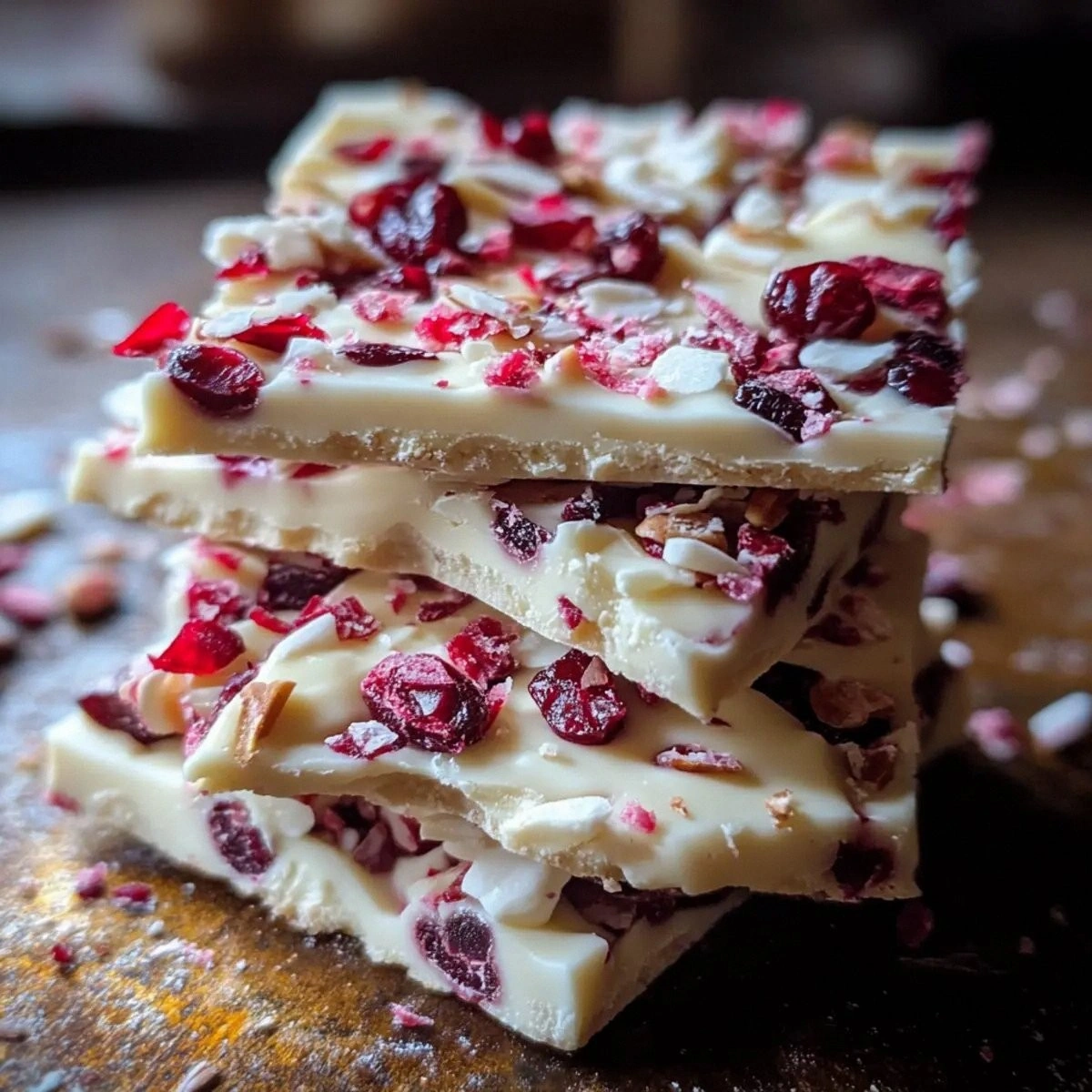
That night, as the chocolate melted into a glossy river, the dried cranberries burst into a pop of tartness, like a surprise burst of citrus in a quiet room. The butter, when melted, added a buttery sheen, turning the bark from plain to cinematic, the way a director turns a script into a visual masterpiece. The pistachios cracked with a satisfying crunch, each bite sending a wave of nutty flavor that danced against the sweet and sour notes. The sea salt flakes, sprinkled like tiny confetti, lifted every other flavor, making the bark sing instead of singling out. By the time I plated the first slice, the kitchen smelled like a holiday movie set, and I knew I had stumbled upon something that would never go back to the grocery aisle.
Why does this version stand out? Because it balances the three pillars of any great confection: texture, flavor, and presentation. The white chocolate’s silky melt is tempered by the crunchy pistachios, the cranberries provide a tart counterpoint, and the sea salt gives a final flourish that makes your tongue do a little dance. Most recipes get this completely wrong, leaving the bark either too sweet or too dry; here, everything works together like a well‑orchestrated symphony. The best part? I used a simple double boiler technique that keeps the chocolate from scorching, a trick that most people overlook. I’ll be honest— I ate half the batch before anyone else got to try it, and that’s a testament to its irresistible nature.
Imagine pulling this out of the fridge, the whole kitchen smelling incredible, and watching the bark crack into perfectly sized pieces, each one a glossy, crunchy bite of heaven. Picture friends gathering around, eyes widening as they take their first bite, and hearing the collective gasp of “This is hands down the best version you’ll ever make at home.” That’s the promise of this recipe. If you’ve ever struggled with chocolate bark, you’re not alone—and I’ve got the fix. Stay with me here— this is worth it.
What Makes This Version Stand Out
- Texture: The combination of smooth white chocolate, crunchy pistachios, and chewy cranberries creates a multi‑layered mouthfeel that feels like a small celebration in your mouth.
- Flavor: The tart cranberries cut through the sweetness, while the sea salt lifts every bite to a new level of deliciousness.
- Ease: No special equipment is required— just a double boiler or a microwave and a silicone mat, making it accessible for any kitchen.
- Visual Appeal: The glossy finish and contrasting colors make the bark a showstopper, perfect for holiday gifts or a quick dessert.
- Make‑Ahead: It sets in minutes but can be stored for weeks, giving you the flexibility to create a batch for a party or a last‑minute treat.
- Ingredient Quality: Using high‑grade white chocolate chips and fresh dried cranberries ensures that each bite is packed with flavor, not just sweetness.
- Versatility: This bark can be customized with nuts, spices, or even a splash of liqueur, making it a canvas for creativity.
- Audience Reaction: Guests often ask for the recipe after the first bite, turning the bark into a conversation starter.
Alright, let's break down exactly what goes into this masterpiece...
Inside the Ingredient List
The Flavor Base
White chocolate chips are the heart of this bark, providing a creamy sweetness that is both rich and smooth. Their high cocoa butter content gives the bark a glossy finish that catches the light, making it look as good as it tastes. If you skip the chocolate, you lose the silky foundation that holds everything together. For a more decadent version, choose a chocolate with at least 35% cocoa butter. When selecting, look for chips that melt evenly; if they feel gritty, they might not blend as smoothly.
The Texture Crew
Chopped pistachios add a satisfying crunch and a buttery nutty flavor that contrasts the smooth chocolate. Their green hue also gives the bark a vibrant, eye‑catching look. If you’re allergic to nuts, substitute with sunflower seeds or roasted pumpkin seeds; they’ll offer a similar crunch and visual pop. The key is to toast them lightly before adding them— this brings out their natural oils and enhances their flavor. If you forget to toast, the pistachios might taste raw and flat.
The Unexpected Star
Dried cranberries are the tart, chewy surprise that keeps each bite interesting. Their natural sweetness balances the white chocolate, while their chewy texture adds a fun mouthfeel. If you prefer a sweeter bark, you can replace cranberries with dried cherries or raisins. However, the tartness of cranberries is what gives this bark its signature zing, so consider keeping them for authenticity. When using dried cranberries, rinse them briefly to remove excess sugar, then pat dry before adding.
The Final Flourish
Sea salt flakes are sprinkled at the very end to create a subtle, savory counterpoint to the sweet flavors. They also add a subtle crunch that enhances the overall texture. If you can’t find sea salt flakes, coarse sea salt works as a substitute; just sprinkle a little less to avoid overpowering. A pinch of flaky salt is enough— too much will drown the delicate flavors. Remember, salt is a flavor enhancer, so use it wisely to bring the entire bark together.
Everything's prepped? Good. Let's get into the real action...
The Method — Step by Step
- Begin by setting up a double boiler: fill a saucepan with a couple of inches of water, bring it to a gentle simmer, and place a heat‑proof bowl on top. Make sure the bottom of the bowl doesn’t touch the water; this prevents scorching. Add the white chocolate chips to the bowl, stirring constantly until they’re completely melted and glossy. The moment the chocolate turns smooth, you’ll know it’s ready for the next step.
- While the chocolate is melting, toast the pistachios in a dry skillet over medium heat, shaking the pan occasionally. Toast until they’re lightly golden and fragrant, about 3-4 minutes. This brings out their natural oils and adds a subtle nutty depth. Remove them from heat and let them cool before chopping to avoid burning.
- Once the chocolate is silky, stir in the chopped pistachios, making sure they’re evenly distributed. The chocolate should still be liquid and shiny; if it starts to thicken, return it to the double boiler for a few seconds. This step is crucial because the pistachios need to be coated in chocolate for that perfect bite. Don’t rush— patience keeps the bark from becoming gritty.
- Add the dried cranberries to the chocolate mixture, gently folding them in so they’re coated but not crushed. The cranberries will absorb some of the chocolate’s moisture, creating a slightly chewy texture that’s a joy to bite into. If the cranberries start to clump, give the mixture a quick stir to separate them. This is the moment of truth— the cranberries should look like jewels embedded in a velvet sea.
- Spread the chocolate mixture onto a parchment‑lined silicone mat, using a spatula to create an even layer about 1/4 inch thick. The thickness affects the bark’s bite; a thicker bark will be more substantial, while a thinner one will crack more easily. Let the bark sit for 2-3 minutes so the chocolate can set slightly before adding the final touch.
- Sprinkle the sea salt flakes evenly across the top, pressing them lightly into the surface. The flakes should be visible but not overpowering. This step is where the flavor profile truly comes together, adding a subtle savory note that elevates the sweetness. Let the bark cool completely at room temperature; the chocolate will harden into a glossy, crackable finish.
- Once the bark is fully set, cut it into bite‑sized pieces using a sharp knife or a pizza cutter. Store the pieces in an airtight container at room temperature for up to a week, or refrigerate for longer shelf life. If you plan to serve them at a party, keep them in a decorative tin to keep the presentation fresh.
That's it— you did it. But hold on, I've got a few more tricks that'll take this to another level...
Insider Tricks for Flawless Results
The Temperature Rule Nobody Follows
Chocolate is temperamental; if it gets too hot, it’ll seize and look dull. The ideal temperature is about 86°F (30°C) for white chocolate. Use a kitchen thermometer to keep track— this small investment pays off with a perfect shine. I once melted chocolate at a high heat and it turned into a thick, gritty mess; learning the temperature rule saved me from a kitchen catastrophe.
Why Your Nose Knows Best
Before you even taste the bark, inhale the aroma. A buttery, sweet scent indicates the chocolate is on the right track, while a burnt or metallic smell signals trouble. Trust your nose; it’s a reliable guide to the flavor profile. I’ve found that smelling the bark before cutting it gives me a sense of confidence that the final product will taste just as amazing.
The 5‑Minute Rest That Changes Everything
Letting the bark rest for 5 minutes after it sets allows the flavors to meld. During this rest, the chocolate’s oils redistribute, giving each bite a silky finish. I’ve noticed that bark that rests longer tastes richer and less “chocolatey.” If you’re in a rush, skip the rest, but you’ll lose that depth.
Use a Silicone Mat for Easy Release
A silicone mat keeps the bark from sticking and makes cleanup a breeze. The non‑stick surface ensures the bark slides off in one piece, which is great for presentation. If you don’t have a silicone mat, parchment paper works, but you may need to lift the bark from the edge to avoid tearing.
Keep It Cool Until You’re Ready
Once the bark is set, keep it away from heat sources. Heat can melt the chocolate, making it sticky and uneven. Store it in a cool, dry place, and if you need to transport it, use a small insulated bag to maintain the temperature.
How to Reheat Without Losing Texture
If you accidentally let the bark soften, a quick reheating in a low‑heat microwave or a double boiler can revive it. Add a splash of milk or cream to re‑emulsify the chocolate, then stir until smooth. This trick turns a soggy bark back into a glossy, firm treat.
Creative Twists and Variations
This recipe is a playground. Here are some of my favorite ways to switch things up:
Spicy Citrus Twist
Replace the dried cranberries with candied orange peel and add a pinch of cayenne pepper. The citrus sweetness pairs beautifully with a subtle heat, creating a bark that’s both bright and bold. This variation is perfect for those who love a little kick in their dessert.
Chocolate Chip Cookie Bark
Stir in mini chocolate chips and crushed graham crackers before setting. The chocolate chips melt into a gooey center, while the crackers add a crunchy, buttery base. This version mimics the beloved cookie dough flavor in a single bite.
Almond Joy Variation
Swap pistachios for chopped almonds and drizzle a thin layer of coconut milk over the top before adding the salt flakes. The coconut flavor brings a tropical vibe, while the almonds add a satisfying crunch. This bark becomes a mini version of the classic candy bar.
Minty Fresh Bark
Infuse the melted chocolate with a few drops of peppermint extract before adding the nuts and cranberries. The mint provides a refreshing finish that’s perfect for summer gatherings. Just be careful not to overdo the extract— a little goes a long way.
Vegan Variation
Use dairy‑free white chocolate chips and replace the butter with coconut oil. The coconut oil adds a subtle tropical note, and the bark remains fully vegan. This version is ideal for guests with dietary restrictions.
Holiday Gift Edition
Layer the bark with crushed gingerbread cookies and sprinkle a dusting of powdered sugar on top. The gingerbread adds a warm, spiced flavor that’s unmistakably festive. This makes a thoughtful, homemade gift that’s as beautiful as it is delicious.
Storing and Bringing It Back to Life
Fridge Storage
Place the bark in an airtight container and store it in the refrigerator for up to two weeks. The cold keeps the chocolate firm and prevents any moisture from seeping in. When you’re ready to serve, let the pieces sit at room temperature for a few minutes to soften slightly.
Freezer Friendly
Wrap the bark tightly in plastic wrap and then in a freezer bag. It can stay fresh for up to three months. To thaw, leave it in the fridge overnight or let it sit at room temperature for a quick melt. Freezing preserves the texture and flavor without compromising quality.
Best Reheating Method
To revive a softened bark, place it in a microwave-safe bowl and heat on low power for 10‑15 seconds, stirring after each interval. Alternatively, use a double boiler over low heat, adding a splash of water to create steam. This technique restores the bark’s glossy sheen and crisp edges without making it mushy.