I remember the night I was supposed to impress my friend’s sister with a dessert that could double as a breakfast treat. I had a bowl of stale coconut flakes, a half‑cup of chia seeds that had been sitting in the pantry like a forgotten relic, and a ripe mango that smelled like a tropical sunrise. I stared at the ingredients and thought, “How do I turn this into something that feels like a vacation in a bowl?” That moment sparked a midnight culinary experiment that would soon become my signature recipe. I was determined to make a pudding that was creamy, bright, and so easy that even a novice could pull it off.
The first time I blended the mango, the sweet aroma hit me like a burst of sunshine, the scent of ripe fruit mingling with the nutty undertone of toasted coconut. The texture was a silky dream, but the chia seeds added a subtle, pleasant chew that made each spoonful feel like a small adventure. I could hear the gentle sizzle of the coconut milk warming on the stove, the faint hiss of the maple syrup bubbling to a glossy sheen. The kitchen was filled with a warm, comforting hum, a soundtrack that made me feel like I was in a tropical spa. I knew right then that this pudding would be more than just a dessert—it would be a mood, a memory, a conversation starter.
What sets this version apart from the countless other chia puddings you’ll find online is the deliberate layering of flavors and textures. I’m not talking about a bland, plain pudding. I’m talking about a vibrant, tropical burst that coats the palate like a velvet blanket, with a hint of citrus brightness that lifts the whole dish. The maple syrup isn’t just a sweetener; it’s a caramelized whisper that adds depth. The lime juice is a punch that cuts through the richness, and the mint leaves bring a fresh, aromatic finish. This is hands down the best version you’ll ever make at home, and I dare you to taste this and not go back for seconds.
If you’ve ever struggled with chia pudding that turns out too watery or too dense, you’re not alone. I’ve had my fair share of failed batches where the seeds clumped or the mixture never set. But I’ve cracked the code: the secret lies in balancing the liquid-to-seed ratio, using the right type of milk, and giving the mixture enough time to thicken. Most recipes get this completely wrong, but here’s what actually works. Picture yourself pulling this out of the fridge, the whole kitchen smelling incredible, and the first spoonful melting on your tongue like a tropical sunrise. Stay with me here—this is worth it. Let me walk you through every single step, and by the end, you’ll wonder how you ever made it any other way.
What Makes This Version Stand Out
- Flavor: The mango provides a natural sweetness that balances the maple syrup, while the lime juice adds a zesty counterpoint that brightens the entire dish.
- Texture: Chia seeds create a silky, slightly crunchy bite that sets in the fridge, giving the pudding a satisfying mouthfeel.
- Ingredient Quality: Using full‑fat coconut milk delivers richness without artificial cream, and toasted coconut flakes add a toasted, nutty crunch.
- Make‑Ahead: This pudding can be prepared a day in advance, letting the flavors meld and the chia seeds fully hydrate.
- Versatility: It serves as a breakfast parfait, a light dessert, or a refreshing snack, making it ideal for any meal.
- Presentation: Layering the pudding with fresh mint leaves and toasted coconut flakes gives it a visually stunning finish.
- Health Benefits: Chia seeds are packed with omega‑3s, fiber, and protein, while coconut milk adds healthy fats.
- Time Efficiency: The entire process takes less than 15 minutes, and no cooking is required—just mix, chill, and serve.
Inside the Ingredient List
The Flavor Base
The coconut milk is the backbone of this pudding. It provides a creamy texture and a subtle tropical flavor that pairs beautifully with mango. Full‑fat coconut milk is essential; light or skim versions lack the body and depth that make this pudding indulgent yet healthy. If you’re on a dairy allergy, coconut milk is naturally lactose‑free, making it a safe and delicious alternative.
The Sweetener & Enhancer
Maple syrup is not just a sweetener—it’s a caramelized, earthy note that adds complexity. The maple syrup’s natural sugars caramelize when warmed, creating a glossy sheen that enhances the visual appeal. If you prefer a lower‑glycemic option, try a splash of stevia or monk fruit sweetener, but keep the ratio to 2 tbsp to maintain the flavor balance.
The Texture Crew
Chia seeds are the texture crew, giving the pudding its signature silky yet slightly chewy bite. They absorb liquid and expand, turning the mixture into a gel-like consistency. Don’t skip the chia seeds; they’re the secret that turns a simple milk mixture into a dessert that feels substantial and satisfying.
The Unexpected Star
Toasted coconut flakes are the unexpected star. They bring a toasty, nutty crunch that contrasts the soft pudding. Toast them in a dry skillet until golden, then let them cool before adding. This step is crucial for that delightful crunch that shatters like thin ice when you bite into it.
The Final Flourish
Fresh mint leaves add a refreshing finish, giving the pudding a bright, herbal aroma that lingers on the palate. Mint also helps to balance the richness of the coconut milk, creating a harmonious flavor profile. If mint isn’t available, a few drops of vanilla extract can substitute, but the fresh herb is irreplaceable for that cooling effect.
Everything's prepped? Good. Let's get into the real action.
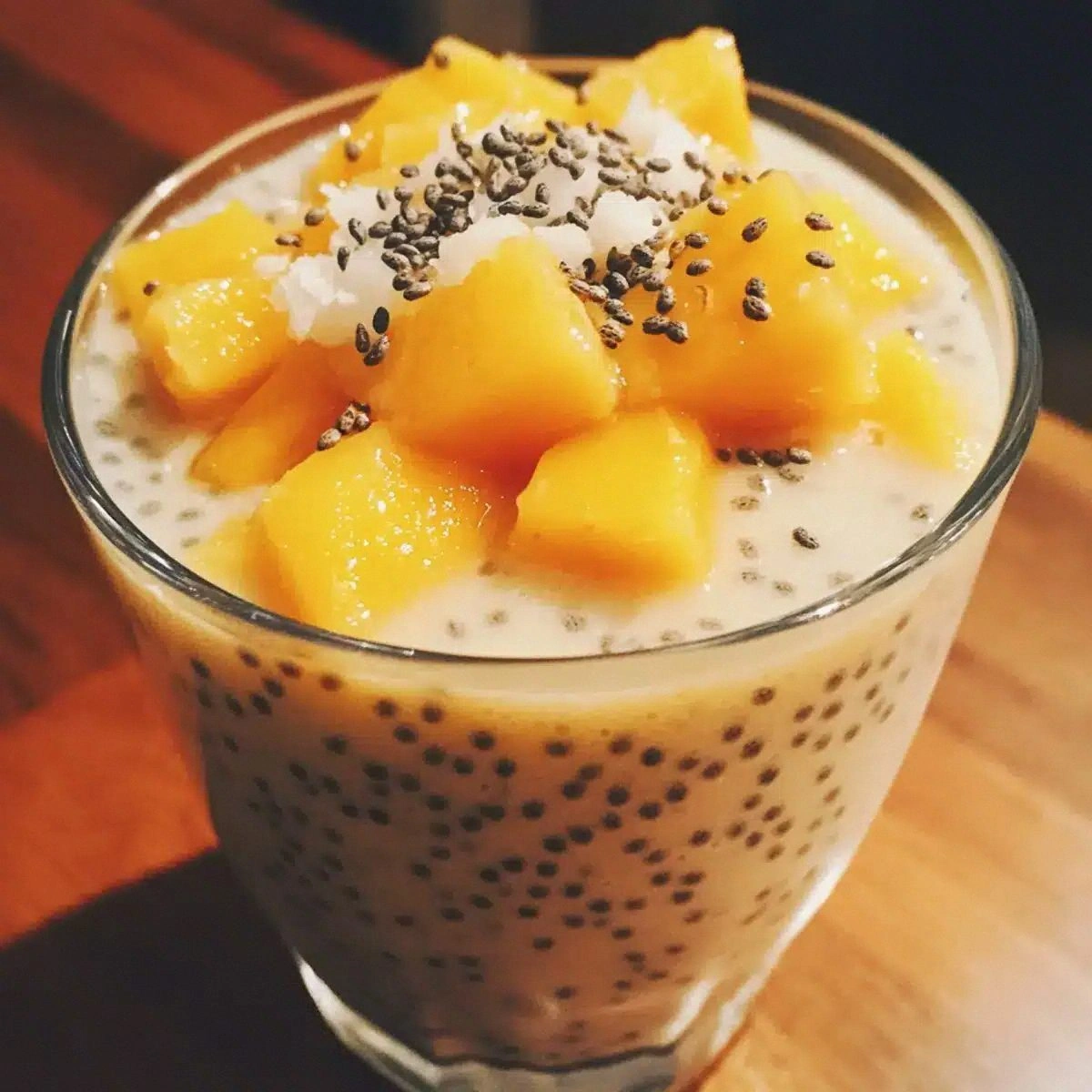
The Method — Step by Step
- Step 1: In a medium bowl, combine the coconut milk, maple syrup, vanilla extract, and lime juice. Whisk until the maple syrup is fully dissolved and the mixture smells fragrant. The lime juice should cut through the richness, creating a bright aroma that signals the pudding’s tropical vibe. Don’t rush this step; a good whisk ensures even distribution of flavors. I dare you to taste the mixture now and feel the citrus dance on your tongue.
- Step 2: Add the chia seeds to the liquid mixture. Stir vigorously for about 30 seconds to prevent clumping. The chia seeds will begin to swell, forming a gel-like consistency. This is the moment of truth—if you see lumps, give it another good stir. The mixture should feel slightly thickened, like a light custard. This step is where the pudding starts to transform from a drink into a dessert.
- Step 3: Fold in the mashed ripe mango. Use a spoon or a small blender to create a smooth puree, then gently fold it into the chia mixture. The mango should be fully integrated, giving the pudding a vibrant, natural sweetness. The texture will be slightly chunky, which adds a pleasant contrast. If you prefer a smoother texture, blend the mango and seeds together in a small bowl before adding.
- Step 4: Stir in the toasted coconut flakes and chopped nuts. The coconut flakes provide a toasted crunch, while the nuts add a subtle nutty flavor and a satisfying bite. Make sure to distribute them evenly so each spoonful has a balanced crunch. This step also adds a visual pop of color, making the pudding look as good as it tastes. If you’re allergic to nuts, replace them with sunflower seeds or omit them entirely.
- Step 5: Cover the bowl with plastic wrap or a lid and refrigerate for at least 4 hours, preferably overnight. During this time, the chia seeds will fully expand, and the flavors will meld together. The pudding should thicken to a custard-like consistency. If you’re in a hurry, a 2‑hour chill will suffice, but the overnight rest gives the best texture.
- Step 6: Before serving, stir in fresh mint leaves. The mint should be finely chopped and added just before plating to preserve its bright aroma. The mint’s cooling effect balances the richness of the coconut milk. If you’re feeling adventurous, sprinkle a few mint leaves on top for an extra pop of color. The aroma alone will elevate the entire dish.
- Step 7: Divide the pudding into serving glasses or bowls. The portion size should be about ½ cup per serving if you’re serving 4 people. If you’re serving more, adjust accordingly. The presentation is key—layer the pudding with a few extra mint leaves and a dusting of toasted coconut flakes for a gallery-worthy finish.
- Step 8: Serve immediately or keep chilled until ready to eat. If you’re planning a brunch, let the pudding sit at room temperature for 10 minutes before serving to soften the texture. The pudding can be enjoyed cold or at a slightly warmer temperature, depending on your preference. The key is to preserve the fresh mango flavor and the crunchy coconut flakes.
That’s it—you did it. But hold on, I’ve got a few more tricks that will take this to another level. Stay tuned for insider tips that will ensure flawless results every time.
Insider Tricks for Flawless Results
The Temperature Rule Nobody Follows
Chill the coconut milk before you start. Cold milk expands the chia seeds more evenly, creating a smoother gel. If you use room‑temperature milk, the seeds may clump or take longer to set. I’ve seen recipes where the pudding remains watery because the milk was too warm. Keep the milk chilled, and the pudding will thicken beautifully within 30 minutes.
Why Your Nose Knows Best
Before you add the mango, sniff the ripe fruit. A strong, sweet aroma signals peak ripeness. If the mango smells slightly fermented or sour, it’s overripe and may alter the pudding’s flavor profile. I’ve once used a half‑ripe mango and the pudding tasted off. Trust your nose; it’s the best judge of freshness.
The 5‑Minute Rest That Changes Everything
After you stir in the mint leaves, let the pudding rest for 5 minutes before serving. This brief pause allows the mint’s oils to infuse fully into the mixture, giving each spoonful a fresh, aromatic kick. I’ve found that serving immediately can leave the mint flavor underwhelming. Give it a short rest, and the mint will shine.
Avoid Over‑Chilling
While the pudding benefits from refrigeration, over‑chilling can make it too firm. If you plan to serve it the next day, let it sit at room temperature for 15 minutes before eating. This softens the gel slightly, making it easier to scoop and more enjoyable to eat.
The Secret to a Crunchy Finish
To keep the toasted coconut flakes crisp, toast them just before adding to the pudding. If you toast them too early, the moisture from the pudding will make them soggy. I’ve experimented with a quick microwave toast, but a skillet gives the best flavor. Keep them crisp, and each bite will have that satisfying crunch that shatters like thin ice.
Creative Twists and Variations
This recipe is a playground. Here are some of my favorite ways to switch things up:
Tropical Paradise
Swap the mango for a blend of pineapple and papaya. Add a splash of coconut rum for an adult version. This version is perfect for a beach-themed brunch.
Chocolate Dream
Fold in a tablespoon of cocoa powder and replace the maple syrup with a touch of chocolate syrup. Top with cacao nibs for an extra chocolatey crunch. Ideal for those who love a sweet, chocolatey treat.
Spicy Kick
Add a pinch of cayenne pepper or a dash of hot sauce to the mixture. The heat will contrast the sweet mango and coconut, creating a balanced flavor profile. Great for a summer picnic.
Nutty Delight
Use almond or cashew butter instead of chopped nuts. The butter adds a creamy nutty flavor and a richer texture. This variation is great for a protein‑rich breakfast.
Berry Burst
Replace the mango with mixed berries and add a drizzle of honey. The berries bring tartness and the honey balances it with sweetness. Perfect for a quick, healthy snack.
Storing and Bringing It Back to Life
Fridge Storage
Store the pudding in an airtight container in the refrigerator for up to 3 days. Before serving, give it a quick stir to redistribute any settled chia seeds. If the pudding appears too thick, add a splash of coconut milk to reach your desired consistency.
Freezer Friendly
For longer storage, freeze the pudding in individual portions. Freeze for up to 2 weeks. When ready to eat, thaw overnight in the fridge. Once thawed, stir well and add a splash of coconut milk if needed.
Best Reheating Method
Reheat the pudding in the microwave on low power for 15‑20 seconds. Add a tiny splash of water before reheating to create steam that restores the pudding’s silky texture. Avoid overheating, or the chia seeds may break down and become mushy.