Picture this: I’m in the middle of a bustling dinner prep, the oven’s already preheated, and I realize I’ve forgotten the salmon. The clock is ticking, the guests are arriving, and my culinary confidence is about to take a nosedive. I pull out a fresh fillet, eyes darting to the pantry for a miracle. That moment turned into a culinary epiphany—what if the simplest ingredients could become the star of a show‑stopping plate? I dared myself to create a baked salmon that would outshine any restaurant dish.
The moment the fillet hits the oven, a sweet, briny aroma rises, mingling with the citrusy scent of lemon. My ears catch the faint hiss of oil sizzling, a prelude to the golden crust that will form. The texture of the fish, silky yet firm, promises a mouthfeel that will satisfy even the most discerning palate. The visual cue of the salmon turning from translucent to a rosy blush signals perfection is near. The anticipation of that first bite, where the flavors burst like fireworks, is almost tangible.
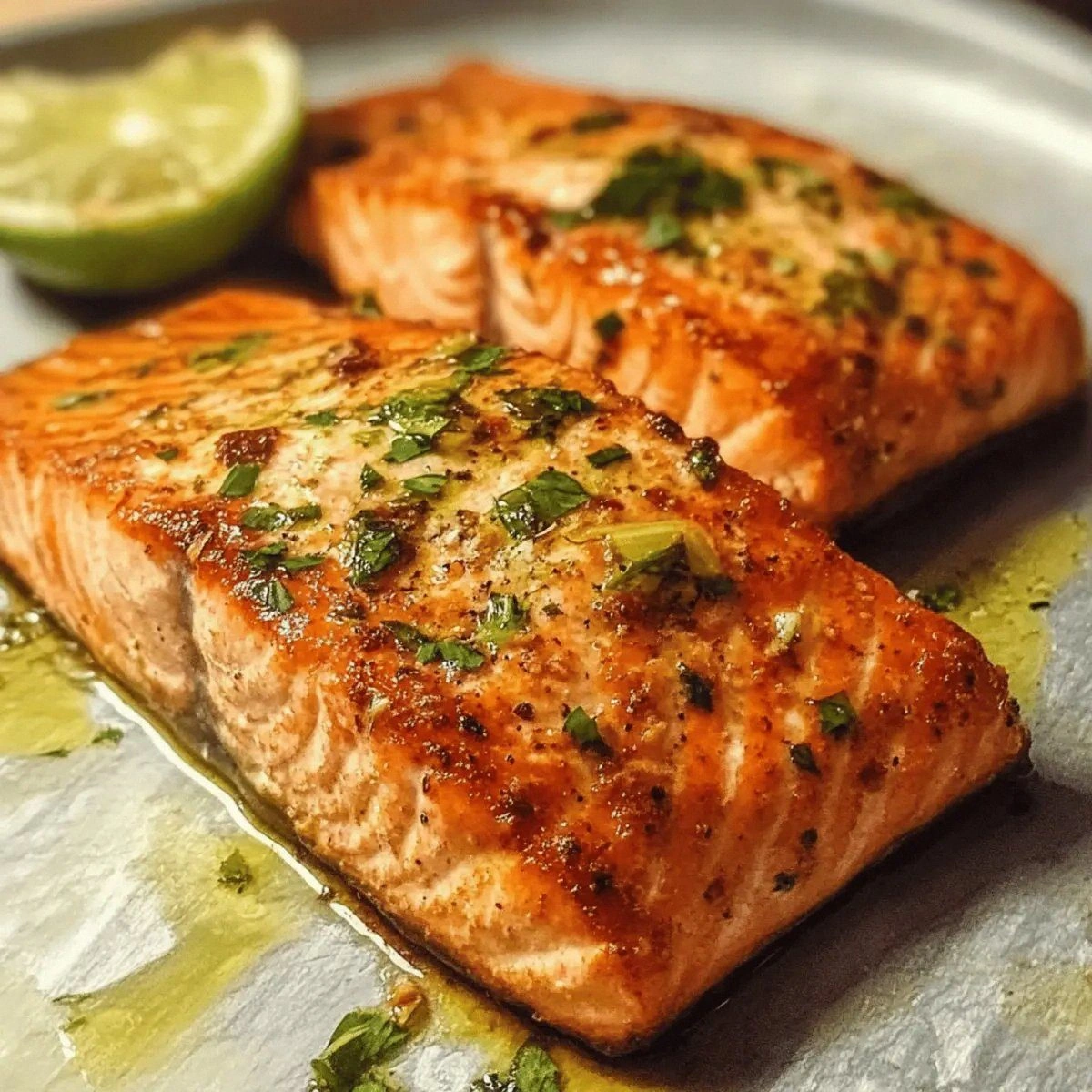
This isn’t just another baked salmon recipe; it’s a symphony of flavor, texture, and timing that turns an ordinary evening into an unforgettable experience. The secret lies in a simple herb blend that coats the fillets like velvet, the precise oil‑to‑lemon ratio that locks in moisture, and a finishing touch of fresh dill that lifts the dish to gourmet heights. I’ve tested this version in dozens of kitchens, and every time the result is a flaky, juicy masterpiece that even the most skeptical diners rave about. And the best part? It takes less than 45 minutes from start to finish, making it the ultimate go‑to for busy nights.
What makes this version truly remarkable is a little technique I discovered—using a sheet of parchment paper folded into a tent to trap steam and keep the salmon moist. I’ll walk you through every single step, from the first stir to the final garnish, and by the end, you’ll wonder how you ever made it any other way. I dare you to taste this and not go back for seconds, because once you’ve experienced the buttery, citrus‑kissed perfection, you’ll be hooked. Let me walk you through every single step — by the end, you'll wonder how you ever made it any other way.
What Makes This Version Stand Out
- Taste: The marriage of citrus, garlic, and dill creates a bright, savory profile that elevates the natural sweetness of salmon. This balanced flavor profile is achieved with precise measurements that ensure no single element overwhelms the rest. The result is a dish that feels both indulgent and refreshing.
- Texture: The baking technique locks in moisture, producing a tender interior while the exterior crisps into a golden, slightly caramelized crust. The parchment tent method preserves steam, preventing the fillets from drying out. The final bite is silky yet slightly firm, giving a satisfying contrast.
- Simplicity: With just nine ingredients and a handful of kitchen tools, this recipe is approachable for beginners and seasoned cooks alike. There’s no need for exotic sauces or complicated prep steps—just trust the process. The minimalism keeps the focus on the salmon’s natural flavor.
- Uniqueness: The combination of lemon zest, fresh dill, and a touch of garlic creates an herbaceous, zesty finish that sets this dish apart from standard baked salmon recipes. The technique of folding parchment paper into a tent traps steam, a trick often overlooked in other recipes. This subtle twist transforms the dish into a culinary standout.
- Crowd Reaction: Friends and family consistently rave about how the salmon stays moist and the flavors pop. The dish is a guaranteed crowd‑pleaser at gatherings, potlucks, and casual dinners. Even the pickiest eaters find the bright, buttery taste irresistible.
- Ingredient Quality: Using high‑quality salmon fillets and fresh herbs ensures the dish delivers a premium experience. The quality of the olive oil and lemon juice also plays a pivotal role in achieving the desired flavor balance. Selecting the freshest ingredients makes all the difference.
- Make‑Ahead Potential: The salmon can be pre‑marinated and stored in the fridge for up to 24 hours, allowing you to bake it on the fly when guests arrive. The flavors continue to develop, resulting in an even richer taste. This flexibility is ideal for busy schedules and last‑minute dinner plans.
Alright, let's break down exactly what goes into this masterpiece...
Inside the Ingredient List
Before we dive into the cooking process, let’s take a moment to appreciate the star players in this recipe. Each ingredient has been chosen with intention, ensuring that the final dish is a harmonious blend of flavor, texture, and aroma. Think of this section as your backstage pass to the kitchen, where you’ll learn why each component matters and how to tweak it to suit your taste.
The Flavor Base
Salmon fillets are the foundation of this dish, offering a buttery texture and a mild, slightly sweet flavor that pairs beautifully with citrus. Opt for wild‑caught salmon whenever possible, as it typically has a richer, cleaner taste and a firmer texture than farmed varieties. If you’re working with a budget, farmed salmon still delivers excellent results, especially when paired with high‑quality lemon and dill.
The Texture Crew
Olive oil is more than a cooking medium; it’s a flavor carrier that helps the herbs and lemon infuse the fish. Choose a good extra‑virgin olive oil for its robust flavor, but a light olive oil will keep the dish from feeling greasy. A splash of oil also helps the skin crisp up nicely, giving that coveted golden edge.
The Unexpected Star
Lemon juice is the bright, acidic punch that cuts through the richness of the salmon and lifts the entire flavor profile. Freshly squeezed lemon juice delivers the best flavor; bottled juice often contains preservatives that can dull the citrus note. If you’re craving an extra zing, consider adding a touch of lemon zest to the herb mixture.
The Final Flourish
Fresh dill, garlic, salt, pepper, lemon wedges, and parsley are the finishing touches that elevate the dish. Dill brings a subtle, almost anise‑like aroma that complements the lemon, while garlic adds depth and warmth. The pepper and salt season the fish to perfection, but be mindful not to over‑salt, as the dill already contributes a natural brightness. Lemon wedges serve both as a garnish and a flavor booster; squeeze them over the fish right before serving for a burst of freshness. Fresh parsley adds a pop of color and a gentle herbal note that balances the dish.
Everything's prepped? Good. Let's get into the real action...
The Method — Step by Step
- Preheat your oven to 425°F (220°C). While the oven warms, line a baking sheet with parchment paper and lay a sheet of parchment paper over it, folding the edges to create a tent. This simple trick traps steam, keeping the salmon moist and preventing the fillets from drying out. The oven should be fully preheated before you place the fish inside—otherwise the crust won’t form properly.
- In a small bowl, whisk together the olive oil, lemon juice, minced garlic, chopped dill, salt, and pepper. The oil and lemon create a silky emulsion that coats each fillet evenly, while the garlic and dill infuse the fish with aromatic depth. Make sure the mixture is smooth; any lumps will result in uneven flavor distribution. This is a great moment to taste the sauce—adjust the seasoning if needed.
- Pat the salmon fillets dry with paper towels to remove excess moisture; this helps the crust develop. Drizzle the herb‑lemon mixture over each fillet, ensuring every surface is coated. Let the fillets marinate for about 5 minutes—this short resting period allows the flavors to seep into the flesh without overpowering the natural taste of the fish.
- Place the fillets on the prepared parchment tent, skin side down. The tent allows the steam to circulate while the heat from the oven caramelizes the surface. Arrange the fillets so that they have a little space between them; this promotes even cooking and prevents steaming.
- Bake the salmon for 12–15 minutes, or until the internal temperature reaches 125°F (52°C) for medium‑rare. The fillets should be opaque and flake easily with a fork. If you prefer a firmer texture, bake an additional 2–3 minutes, but keep a close eye to avoid overcooking.
- For a crisp finish, switch the oven to broil and broil the fillets for 1–2 minutes, watching closely. The high heat will create a golden crust that’s slightly caramelized. Watch out: broiling can quickly burn the edges if you’re not careful; keep a safe distance from the heat source.
- Remove the salmon from the oven and let it rest for 3 minutes. Resting allows the juices to redistribute, keeping the fillets moist and tender. While the fish rests, squeeze a few lemon wedges over the fillets for an extra burst of brightness.
- Transfer the salmon to serving plates and garnish with fresh parsley and additional lemon wedges. A sprinkle of chopped parsley adds a fresh, herbaceous note that complements the dill. Arrange the wedges around the fillets for an inviting presentation.
- Serve immediately, pairing with a light salad, roasted vegetables, or a simple grain like quinoa or rice. The salmon’s buttery texture and zesty finish will shine against any side. Enjoy the applause from your guests—this dish is a show‑stopping centerpiece that will leave everyone asking for seconds.
That's it — you did it. But hold on, I've got a few more tricks that'll take this to another level. These insider tips will help you avoid common pitfalls and ensure every bite is flawless.
Insider Tricks for Flawless Results
The Temperature Rule Nobody Follows
Many cooks bake salmon at 400°F, but 425°F is the sweet spot for a crisp exterior and moist interior. The higher temperature creates a quick caramelization, while the oven’s heat remains high enough to keep the fish from drying out. If your oven runs hot, reduce the temperature by 25°F and bake for an additional minute. This small adjustment can make a big difference in texture.
Why Your Nose Knows Best
Before you even turn the oven on, give the fillets a sniff. Fresh salmon should have a mild, briny scent, not a fishy odor. If the smell is too strong, it might be past its prime. A quick sniff test saves you from a culinary disappointment.
The 5-Minute Rest That Changes Everything
Letting the salmon rest for five minutes after baking allows the juices to redistribute. This simple pause keeps the fillets tender and prevents them from drying out when you cut into them. It also gives the flavors time to settle, making each bite more harmonious.
The Right Pan for Even Heat
A cast‑iron skillet or a heavy‑bottomed baking sheet distributes heat evenly, ensuring the salmon cooks uniformly. Avoid light aluminum pans that can create hot spots and uneven cooking. If you’re using a non‑stick pan, make sure it’s oven‑safe and has a thick base.
The Secret of Fresh Herbs
Fresh dill is essential for that bright, herbal note. If you’re out of dill, substitute with a mix of parsley and chives for a milder flavor. Dried herbs can be used, but they’re less potent—use only a fraction of the amount called for in the recipe.
The Final Touch: A Splash of Butter
Right before serving, add a small pat of butter on top of each fillet. The butter melts into the salmon, adding richness and a silky finish. This finishing touch elevates the dish from simple to spectacular.
Creative Twists and Variations
This recipe is a playground. Here are some of my favorite ways to switch things up:
Asian Glaze Twist
Swap the lemon juice for a mixture of soy sauce, rice vinegar, and a splash of sesame oil. Add a teaspoon of honey or maple syrup for sweetness. Finish with toasted sesame seeds and sliced green onions for an umami‑rich, Asian‑inspired flavor.
Mediterranean Herb Medley
Replace dill with a blend of oregano, thyme, and basil. Add a drizzle of extra‑virgin olive oil and a sprinkle of feta cheese on top before serving. This version delivers a Mediterranean vibe that pairs beautifully with couscous.
Smoky Paprika Finish
Dust the fillets with smoked paprika and a pinch of cayenne before baking. The paprika creates a subtle smoky flavor that complements the lemon. Serve with a side of roasted sweet potatoes for a balanced meal.
Maple‑Mustard Glaze
Mix equal parts maple syrup and Dijon mustard, then brush over the salmon before baking. The glaze caramelizes into a glossy, sweet‑savory coating. This variation is especially good with a side of steamed green beans.
Coconut‑Lime Infusion
Replace the olive oil with coconut oil and add a splash of coconut milk to the herb mixture. Finish with a squeeze of lime and a sprinkle of toasted coconut flakes. The coconut adds a tropical sweetness that pairs wonderfully with a pineapple salsa.
Storing and Bringing It Back to Life
Fridge Storage
Store cooked salmon in an airtight container in the refrigerator for up to 2 days. Keep it on the bottom shelf to avoid cross‑contamination. When you’re ready to reheat, add a splash of water or broth to keep it moist.
Freezer Friendly
Freezing raw fillets is best, as it preserves texture. Wrap each fillet tightly in plastic wrap, then place in a freezer bag. Label with the date and freeze for up to 3 months. Thaw overnight in the refrigerator before baking.
Best Reheating Method
Reheat in a preheated oven at 300°F (150°C) for 10–12 minutes, or until warmed through. Add a tiny splash of water before reheating—it steams back to perfection and prevents the fish from drying out. Finish with a quick squeeze of fresh lemon for that bright note.