I was halfway through a disastrous batch of brownies when the kitchen door opened and a friend dropped a steaming mug of coffee on the floor. The aroma of burnt sugar hit me like a punch in the nose, and I swore I would never again trust my own baking instincts. That night, I Googled “best sticky toffee pudding” and found a recipe that promised a buttery, caramel‑laden sponge that would make the coffee spill look like a minor inconvenience. I was skeptical, but the description—“rich, velvety, and impossible to resist”—was too seductive to ignore. I set the oven to 350°F, grabbed my ingredients, and decided to test the claim, hoping it would become my new go-to dessert.
The first thing I noticed was the way the dates glimmered like tiny black jewels in the bowl, their natural sweetness promising a depth of flavor that could outshine any artificial syrup. As I whisked the batter, the sound of the whisk against the bowl was a rhythmic drumbeat, setting the pace for the rest of the baking process. The batter itself had a thick, almost custard‑like consistency, hinting that the pudding would be both moist and dense. When I poured it into the pan, the batter spread like a golden river, and the edges started to brown, giving off a subtle toasty scent that made my mouth water. By the time the timer chirped, the aroma of caramelized sugar and butter was filling the entire kitchen, making me wonder if I was about to step into a caramel wonderland.
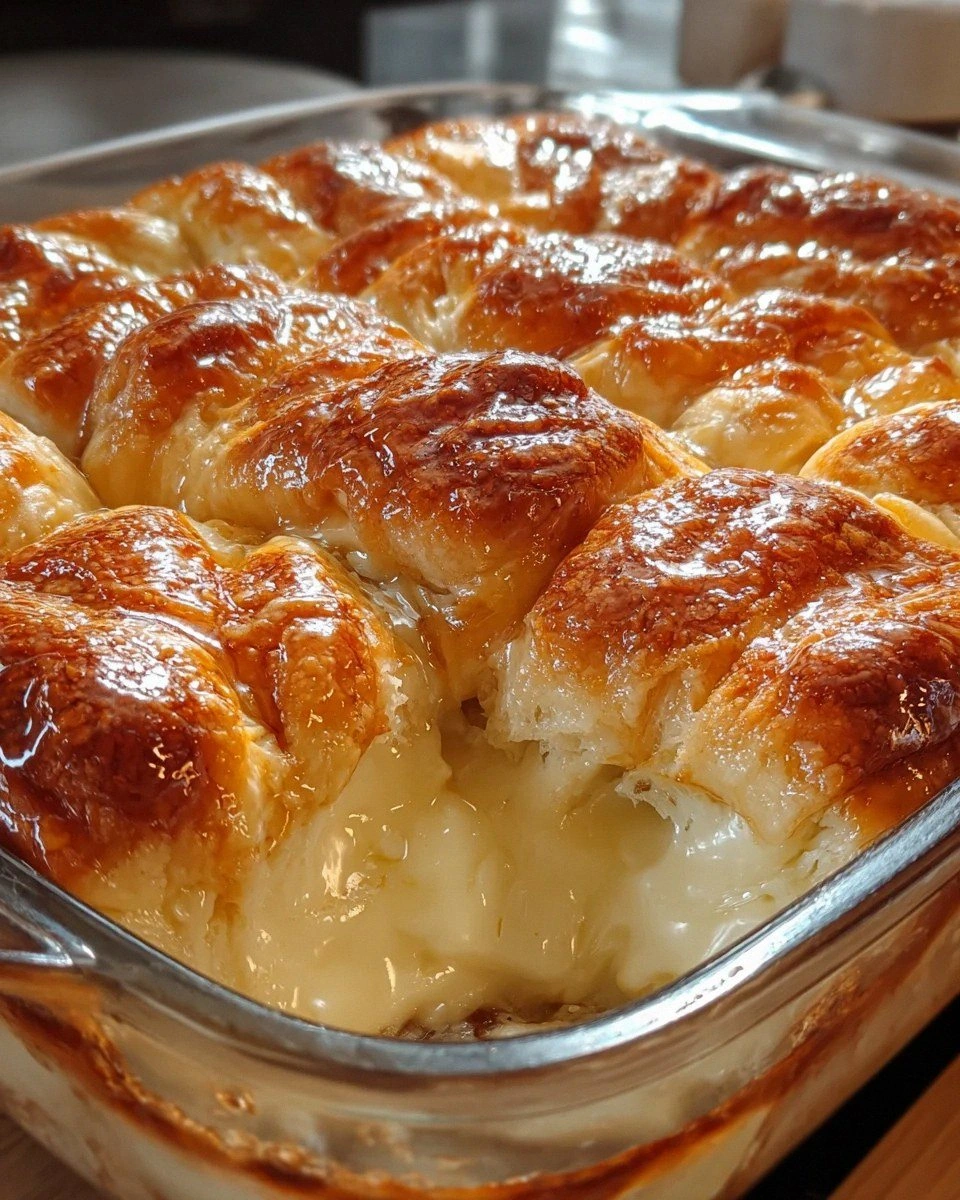
What makes this version stand out is the balance of flavors and textures that are meticulously engineered to create a dessert that is both indulgent and comforting. The dates are not just sweet—they add a chewy, almost fruity bite that contrasts perfectly with the silky sauce. The double layer of butter, both in the batter and the sauce, elevates the richness without making it greasy, thanks to the precise ratio of fats to sugars. The use of brown sugar twice in the recipe creates a complex caramel profile that is deeper than a single type of sugar could achieve. The sauce, poured hot over the freshly baked pudding, melts into a glossy, amber liquid that coats the sponge like velvet, making each bite a sensory explosion. I dare you to taste this and not go back for seconds, because the first bite will leave you craving more.
I’ll be honest—when I first tasted the pudding, I ate half the batch before anyone else even had a chance to try it. Most recipes get this completely wrong by either undercooking the dates or overbaking the sponge, leading to a dry or soggy result. Here’s what actually works: the dates must be soaked until they’re soft, the batter must be whisked until glossy, and the sauce must be hot enough to pour but not so hot that it scorches the sponge. Picture yourself pulling this out of the oven, the whole kitchen smelling incredible, and seeing the golden crust that shimmers like liquid gold. This is hands down the best version you'll ever make at home, and I promise you’ll wonder how you ever made it any other way. Okay, ready for the game‑changer? Let me walk you through every single step—by the end, you'll wonder how you ever made it any other way.
What Makes This Version Stand Out
- Taste: The combination of caramelized brown sugar and ripe dates creates a flavor profile that is sweet, slightly tart, and deeply satisfying. The subtle acidity of the dates cuts through the richness, preventing the pudding from feeling cloying. This balance turns each bite into a complex, multi‑layered experience.
- Texture: The batter’s custard‑like consistency yields a moist sponge that is tender yet holds its shape. The sauce’s glossy, almost syrupy coating drips in a controlled manner, giving the pudding a decadent mouthfeel without overwhelming it.
- Simplicity: Despite its luxurious outcome, the recipe requires only a handful of pantry staples—flour, sugar, butter, and dates. No exotic ingredients or specialized equipment are needed, making it accessible to every home baker.
- Uniqueness: The double use of butter and brown sugar adds depth, while the inclusion of a heavy‑cream sauce gives a luxurious finish that sets this pudding apart from classic versions.
- Crowd Reaction: Friends who’ve tried this version rave about the “toffee‑like” sauce and the chewy date bites. Many have requested the recipe multiple times at gatherings, proving its crowd‑pleasing nature.
- Ingredient Quality: Using high‑quality dates and real butter ensures the pudding’s flavor is authentic and not diluted by processed substitutes.
- Cooking Method: Baking the batter in a single pan allows the sauce to seep into the sponge, creating an integrated flavor that is harder to achieve with separate layers.
- Make‑Ahead Potential: The pudding can be assembled a day ahead, and the sauce can be reheated to perfection, making it ideal for parties or busy schedules.
Alright, let's break down exactly what goes into this masterpiece...
Inside the Ingredient List
The Flavor Base
All-purpose flour is the backbone of the sponge, providing structure and a neutral canvas that lets the other flavors shine. If you prefer a slightly gluten‑free version, try a 1:1 blend of cake flour and oat flour, which will yield a softer crumb. Skipping flour will result in a sticky, unstructured mixture that won’t hold the sauce well. The baking powder is essential for leavening; without it, the pudding would sink and feel heavy.
The Texture Crew
The two large eggs bind the batter and introduce air, giving the pudding a light, airy interior. Whisking them until they’re frothy ensures the sponge rises evenly. The unsalted butter, used twice, imparts richness and helps create a glossy sauce. If you’re vegan, substitute the butter with melted coconut oil for a similar mouthfeel. The granulated and brown sugars contribute to both sweetness and caramelization; removing either will alter the sauce’s depth.
The Unexpected Star
Pitted dates are the star that adds natural sweetness, chewiness, and a hint of caramel flavor. They’re also packed with fiber, iron, and potassium, making the dessert a bit more nutritious. If you can’t find dates, dried apricots or figs can be used, but the flavor profile will shift slightly toward a more tart note. Soaking the dates in warm water for 10 minutes before blending ensures they’re soft and easier to incorporate.
The Final Flourish
The heavy cream, used in the sauce, adds a velvety richness that balances the sweetness of the brown sugar. It also creates a glossy sheen that makes the pudding visually stunning. If you’re looking for a lighter sauce, try substituting half the cream with whole milk; the texture will be slightly thinner but still delicious. The sauce’s final consistency should be thick enough to coat the sponge but pourable enough to drizzle.
Everything's prepped? Good. Let's get into the real action...
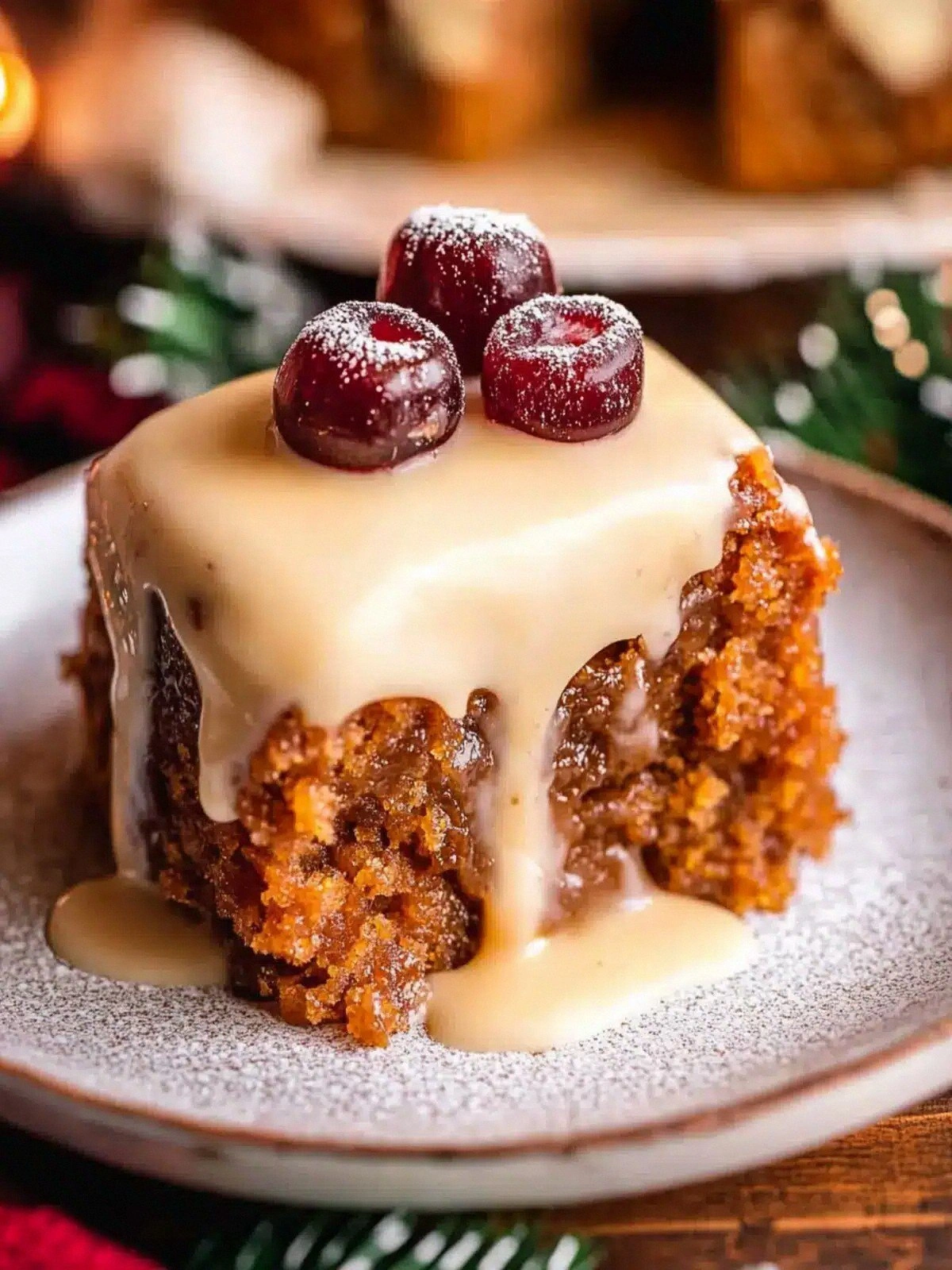
The Method — Step by Step
- Begin by preheating your oven to 350°F (175°C). Line a 9×9-inch baking pan with parchment paper, leaving an overhang on two sides for easy removal. In a medium bowl, whisk together the flour and baking powder until fully combined. This dry mix is the foundation that will support the batter’s rise.
- In a separate bowl, combine the dates, granulated sugar, brown sugar, and unsalted butter. Use a food processor to blend until the mixture is smooth and slightly sticky. The heat from the butter will help the sugars dissolve, creating a uniform base for the batter.
- Add the eggs one at a time, beating well after each addition. The eggs will incorporate air, giving the pudding a light interior. Stir in the vanilla extract, which adds a subtle aromatic depth that balances the sweet dates.
- Gradually fold the dry ingredients into the wet mixture, mixing until just combined. Over‑mixing can develop gluten, making the sponge tough. The batter should be thick but pourable; if it’s too thick, add a splash of milk to loosen it.
- Pour the batter into the prepared pan, smoothing the top with a spatula. Tap the pan gently on the counter to release any air pockets. The batter should spread evenly, creating a uniform surface for the sauce.
- Bake for 30 minutes, or until a toothpick inserted into the center comes out clean. The edges will pull away from the pan, and the top will develop a golden crust. If the top browns too quickly, tent the pan with foil.
- While the pudding is baking, prepare the sauce. In a saucepan, melt the second batch of butter over medium heat. Add the remaining brown sugar and stir until the mixture is smooth and caramelized. This should take about 3 minutes, and the sugar will turn a deep amber color.
- Pour in the heavy cream, whisking continuously to prevent lumps. Bring the sauce to a gentle simmer and let it thicken for 2–3 minutes. The final consistency should be glossy and pourable, but thick enough to cling to the sponge.
- Remove the pudding from the oven and let it rest for 10 minutes. This rest period allows the sponge to set and the sauce to seep into the crumb. While it rests, pour the hot sauce over the pudding, ensuring every corner is coated. The sauce will melt into the sponge, creating a moist, caramelized interior.
- Let the pudding cool completely before slicing. The sauce will thicken slightly, giving each slice a rich, glossy finish. Serve warm or at room temperature, and enjoy the symphony of sweet, buttery, and slightly tart flavors.
That's it — you did it. But hold on, I've got a few more tricks that'll take this to another level...
Insider Tricks for Flawless Results
The Temperature Rule Nobody Follows
Many bakers assume room temperature ingredients are always best, but for this pudding, a slight chill can make a difference. Let the butter rest at room temperature for 30 minutes before using, allowing it to soften just enough to blend smoothly. This prevents the batter from becoming too liquid, which can lead to a gummy texture. If you’re in a hurry, use a microwave on low power for 10–15 seconds to soften the butter without melting it.
Why Your Nose Knows Best
The aroma of caramelizing sugar is a reliable indicator that the sauce is ready. When the sugar turns amber and releases a sweet, nutty scent, you know it’s time to add the cream. Overcooking the sauce can cause a bitter edge, so keep a close eye on the color and scent. Trust your nose, and the sauce will be silky and delicious.
The 5‑Minute Rest That Changes Everything
Letting the pudding rest for exactly five minutes after removing it from the oven allows the steam to redistribute, preventing a dry center. During this rest, the sauce begins to seep into the sponge, creating a harmonious blend of textures. Skipping this step can result in a pudding that feels like a dense cake rather than a moist, caramelized delight.
Serve with a Twist
A sprinkle of sea salt on top of the sauce adds a surprising contrast that heightens the sweetness. Use a fine sea salt or flaky salt for an extra pop of flavor. The salt also accentuates the buttery notes, creating a more complex taste profile.
Keep It Cool
If you’re storing leftovers, place the pudding in an airtight container and refrigerate. The sauce will thicken slightly, so when reheating, add a splash of heavy cream to restore its silky texture. Avoid freezing the pudding with the sauce; the texture of the sauce will change, becoming grainy.
Creative Twists and Variations
This recipe is a playground. Here are some of my favorite ways to switch things up:
Chocolate‑Infused Delight
Swapping half the brown sugar for cocoa powder gives the pudding a deep chocolate undertone. Add a teaspoon of espresso powder to intensify the flavor. The result is a rich, mocha‑like dessert that satisfies both sweet and coffee cravings.
Spiced Autumn Edition
Stir in a pinch of cinnamon, nutmeg, and clove to create a warm, spiced version. Use pumpkin puree in place of some of the dates for a subtle pumpkin flavor. This variation is perfect for fall gatherings.
Nutty Crunch Variation
Incorporate chopped walnuts or pecans into the batter for added texture. Toast the nuts before adding to bring out their natural oils. The crunch complements the chewy dates and silky sauce beautifully.
Lemon‑Zest Twist
Add a tablespoon of lemon zest to the batter to introduce a bright citrus note. The acidity balances the sweetness and adds a fresh aroma. Serve with a dollop of lemon curd for an extra zing.
Vegan Version
Replace butter with coconut oil and use a plant‑based milk instead of heavy cream. Substitute eggs with flaxseed meal mixed with water. The texture remains moist, and the flavor profile stays rich.
Mini Pudding Cups
Bake the batter in a muffin tin to create individual servings. Each cup can be topped with a single drizzle of sauce, making it perfect for parties or as a sweet snack. The individual portions also make it easier to control sweetness per serving.
Storing and Bringing It Back to Life
Fridge Storage
Place the cooled pudding in an airtight container and refrigerate for up to 3 days. The sauce will thicken slightly, but the pudding remains moist. When ready to serve, let it sit at room temperature for 10 minutes to soften the sauce.
Freezer Friendly
Wrap the pudding tightly in plastic wrap, then place it in a freezer bag. Store for up to 2 months. When thawing, let it sit in the refrigerator overnight, then reheat gently.
Best Reheating Method
Reheat the pudding in a microwave on medium power for 30–45 seconds. Add a splash of heavy cream to restore the sauce’s silky texture. Alternatively, place the pudding in a preheated oven at 300°F for 10 minutes, then drizzle fresh sauce before serving.